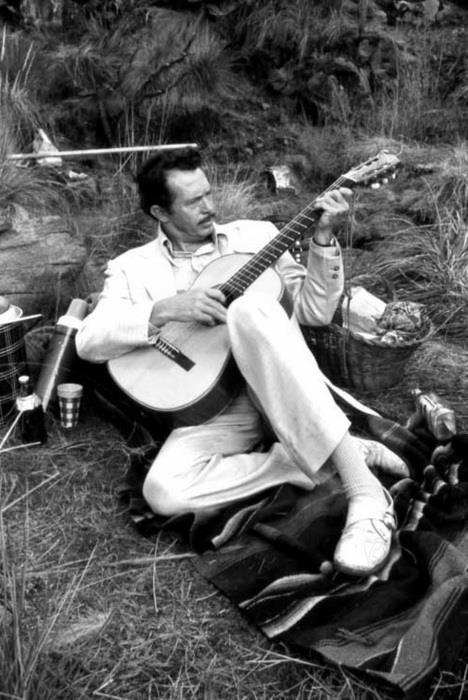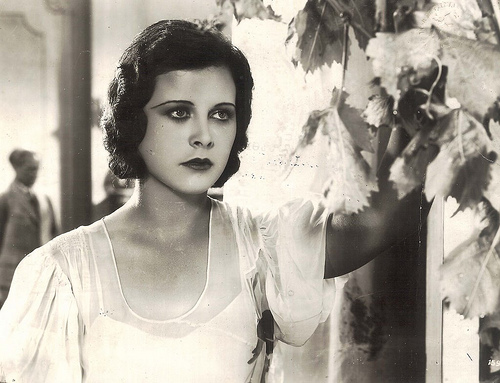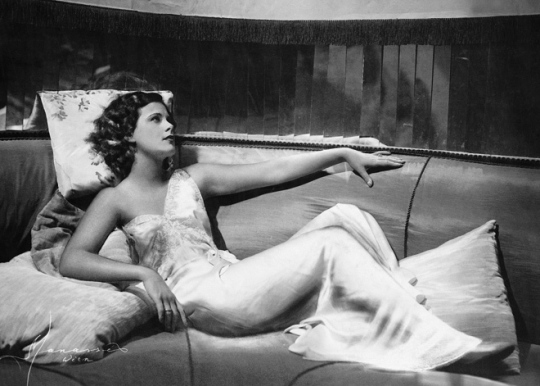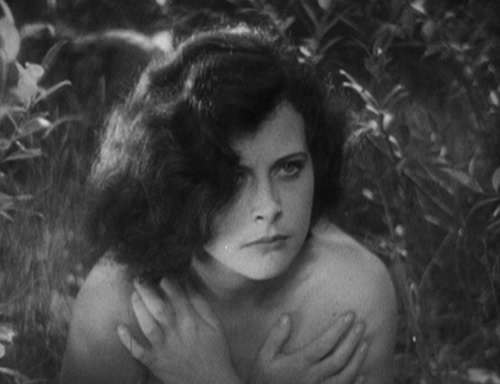
Blood, Sweat and Guts: The Threat

Threat4

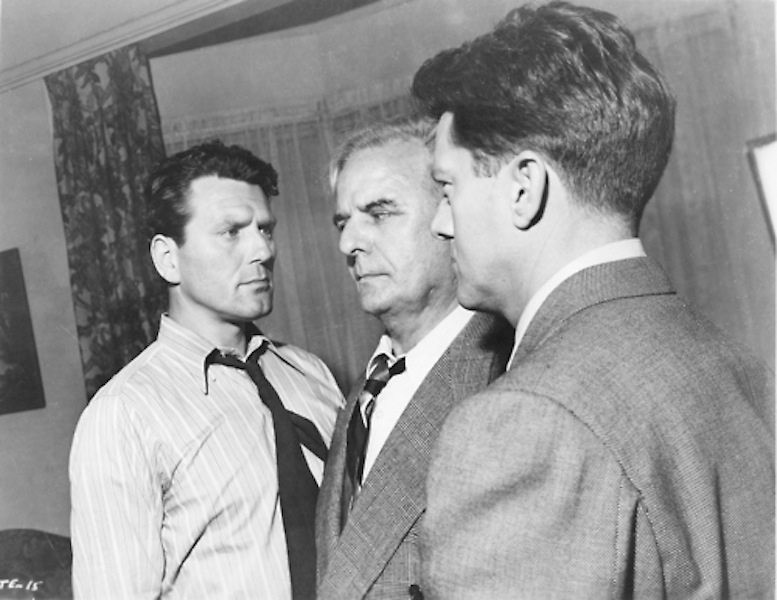
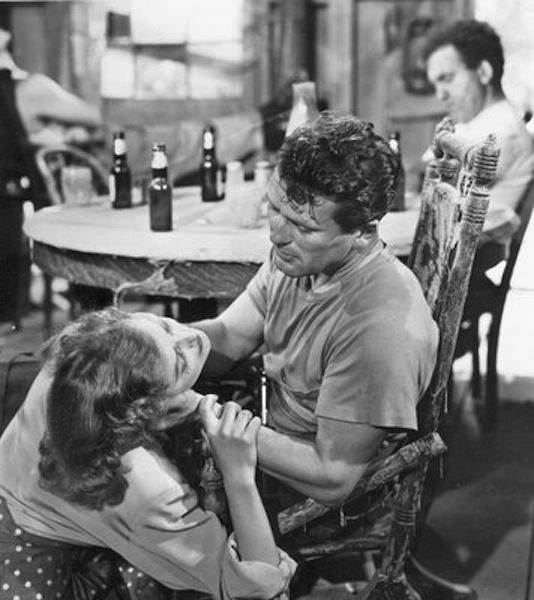
How in the name of Felix E. Feist did I manage to miss the wickedly efficient The Threat until 2011? What a bracing, lean and mean movie this is; a tense, simple, yet vigorously acted action/hostage picture with not an ounce of flab on it. Current action pictures or, really, any modern motion picture (not all, there are exceptions, of course) with their frequently abused 120-plus running times, should take note of this one. Get to the point. We can read between the lines. Or in the case of this movie, the broken furniture.

6a00d83451cb7469e2016300f1ee33970d-800wi

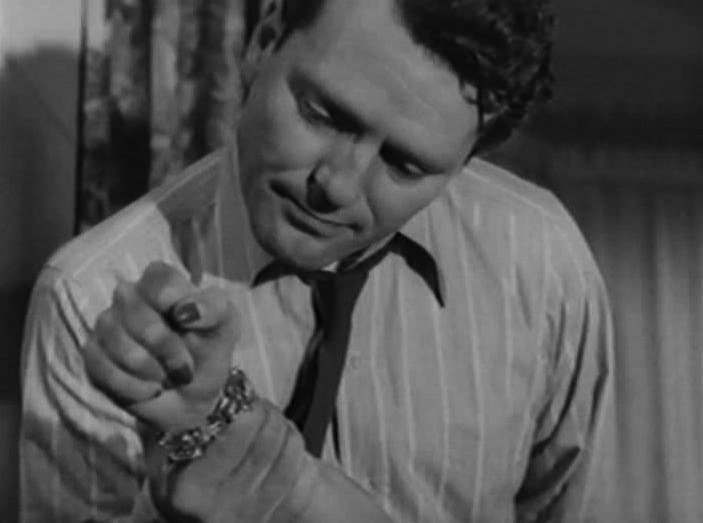
The Threat (1949) stars one of my favorite forces/icons of noir, Charles McGraw, as a ruthless killer who breaks out of Folsom only to kidnap the police detective (Michael O’Shea) and district attorney (Frank Conroy) responsible for his incarceration (with Anthony Caruso, Frank Richards and a wonderfully wan Virginia Grey along for the ride.) Everyone’s terrific here, but it’s McGraw’s party and he'll bust some heads if he wants to. From his silent menace to his terrifying bursts of violence (like pinning a man's wrists with his feet and crushing his head with a chair) he is like nothing you’ve ever seen, and probably never will. Is there any actor alive like McGraw? The answer is no.

Cmcgraw the threat

When the picture moves into its sweltering set piece — a hot California desert hideaway — it grows even more desperate and volatile. Feist (who directed two of my other favorite hellraisers — Lawrence Tierney in the tough, excellent The Devil Thumbs a Ride, and Steve Cochran in the rough and romantic Tomorrow is Another Day) working with cinemtographer Harry J. Wild, knows how to showcase McGraw in such doomed digs. Tension builds so much that you can practically smell the sweat among McGraw and company. They perspire and dread and grow crazier and crazier while their big bad captor sits and waits, radiating wrath.

THREAT2

The room rumbles with McGraw's blood, his pumping black heart bouncing off those hate-shack walls. But what makes him even more intriguing is how casually savage he can be, like a tired cat swiping a claw over his trembling prey. And yet, McGraw is so persuasive that if he even briefly stares forlornly into the void, you find yourself feeling something for him. McGraw, that furnace of vengeance, is boiling his captive's lives away. But mostly his own.

1313338378_8

And all in just 66 minutes during which this hysterical entrapment does not waste one minute of intensity, style, intelligence and Charlie-McGraw-magnitude. That's six minutes over an hour. It worked then and it works now. So, watch your old movies, new Hollywood. And try to find another Charles McGraw. Good luck. You may need to actually bust a guy out of prison to do it. 

Ernst Lubitsch’s Elegant Transgressions

El_1932-master-ernst-lubitsch-directs-miriam-hopkins-in-one-of-his-supreme-achievements-trouble-in-paradise

Each week, The Dissolve "designates a movie of the week for staffers and readers to watch and discuss, with a leadoff essay on Monday, a roundtable-style forum on Tuesday, and another related feature to follow."  This week, they chose Ernst Lubitsch's Trouble in Paradise and asked me to write their related feature. Here's an excerpt from my piece on the pre-Code comedies of Lubitsch. Read it all at The Dissolve 

“Darling, remember, you are Gaston Monescu. You are a crook. I want you as a crook. I love you as a crook. I worship you as a crook. Steal, swindle, rob. Oh, but don’t become one of those useless, good-for-nothing gigolos.”

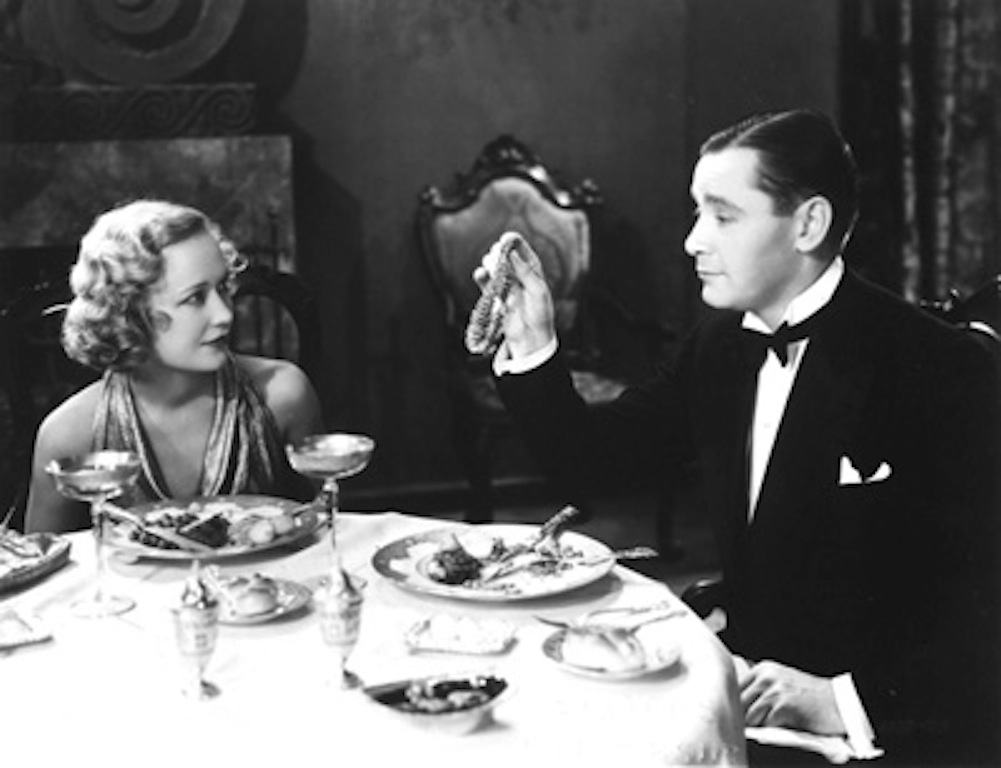
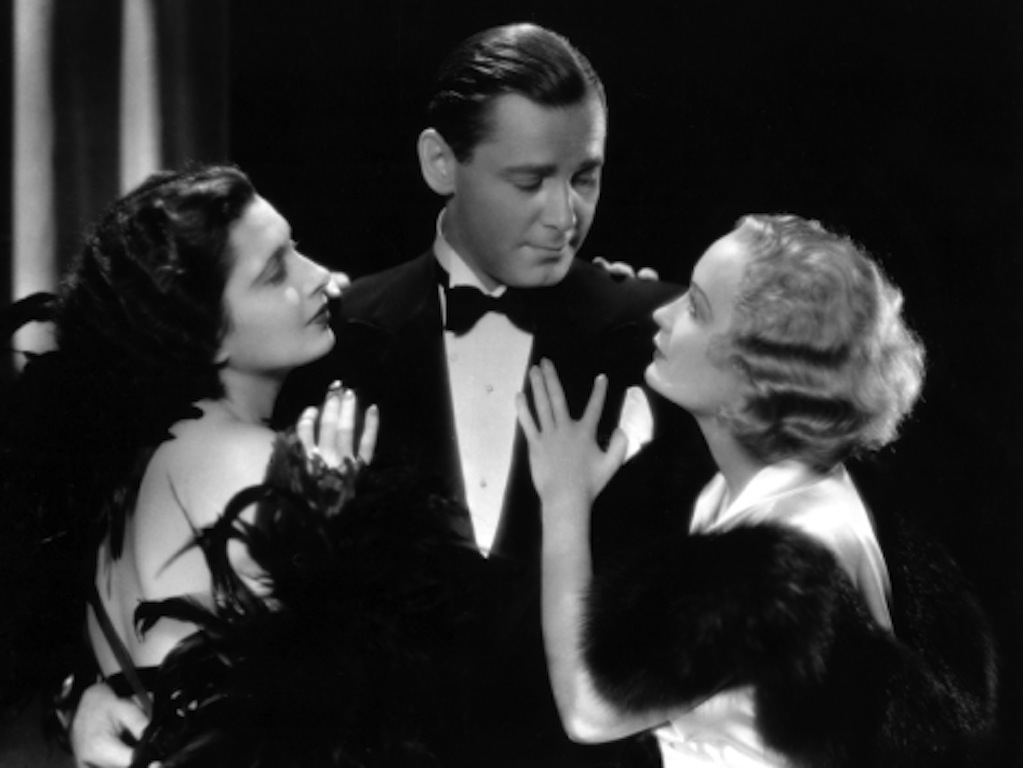
What a stunningly erotic line; pleading for not only devotion, but also larceny, both monetary and sexual. And what a perfectly Lubitschian line, layered with meaning, hunger, sincere feeling, ironic humor, and even sadness. “Don’t leave me, but do steal, swindle, rob. And on top of that, stroke, seduce, and ravish me,” robber Lily (Miriam Hopkins) seems to be saying to her live-in lover, gentleman thief Gaston (Herbert Marshall), in Ernst Lubitsch’s 1932 masterpiece Trouble In Paradise.

Trouble-in-Paradise-2

Most, possibly all, of the multiple themes of Lily’s romantic entreaty could apply to Lubitsch’s comedies made between 1929 and 1934, most co-scripted by Samson Raphaelson. (Though not his one drama of the period, 1932’s Broken Lullaby.) These movies offer not just a twist, but a twist atop a twist, and a joke atop the joke: the “superjoke,” as Billy Wilder called it. Those themes repeat: the lively, often-painful love triangle, the sexual and romantic jealousy, the thrill of sex, and in this case, the carnal kicks co-mingling with the art of stealing, an act more erotic than gold-digging. (Gold-fleecing is much more penetrating.) And then—important during one of the worst economic times in America’s history—there’s Lily and Gaston’s hard, artful work, something to respect, to take pride in.

Stealing is magical in Trouble In Paradise. Sleight of hand is more titillating than Don Juanery. (Don’t hook, darling: crook.) Prostitution is too easy, too boring—about as boring as marriage. And marriage needs to stay saucy, or who needs it? Here’s the power and thrill of pre-Code Hollywood, propelled into elegant, inventive, intelligent orbit within the luminous world of Ernst Lubitsch.

Annex - Francis, Kay (Trouble in Paradise)_01

The Motion Picture Production Code was adopted under Will H. Hays in 1930, but not fully enforced until Joseph Breen got his mitts all over it. (“Pre-Breen” is a more appropriate term than “pre-Code,” Thomas Doherty writes in Pre-Code Hollywood: Sex, Immorality, And Insurrection In American Cinema 1930-1934.) Pictures were submitted for review, Trouble In Paradise among them. Lubitsch was told to remove some of the more “scandalous” lines, including “Oh, to hell with it!” But countless movies flaunted the “Don’ts” and "Be-carefuls” the Code warned filmmakers about. Just a handful of the transgressions indulged in films ranging from scrappy Warner Bros. gangster pictures to glossy MGM melodramas: criminals getting away with it, sex before marriage, adultery, drug addiction, drunkenness, mockery of matrimony, and suggestion of nudity. (Check how many times Barbara Stanwyck and Joan Blondell dress and undress in William Wellman’s Night Nurse.)

The-love-parade-ernst-lubitsch-1929-013

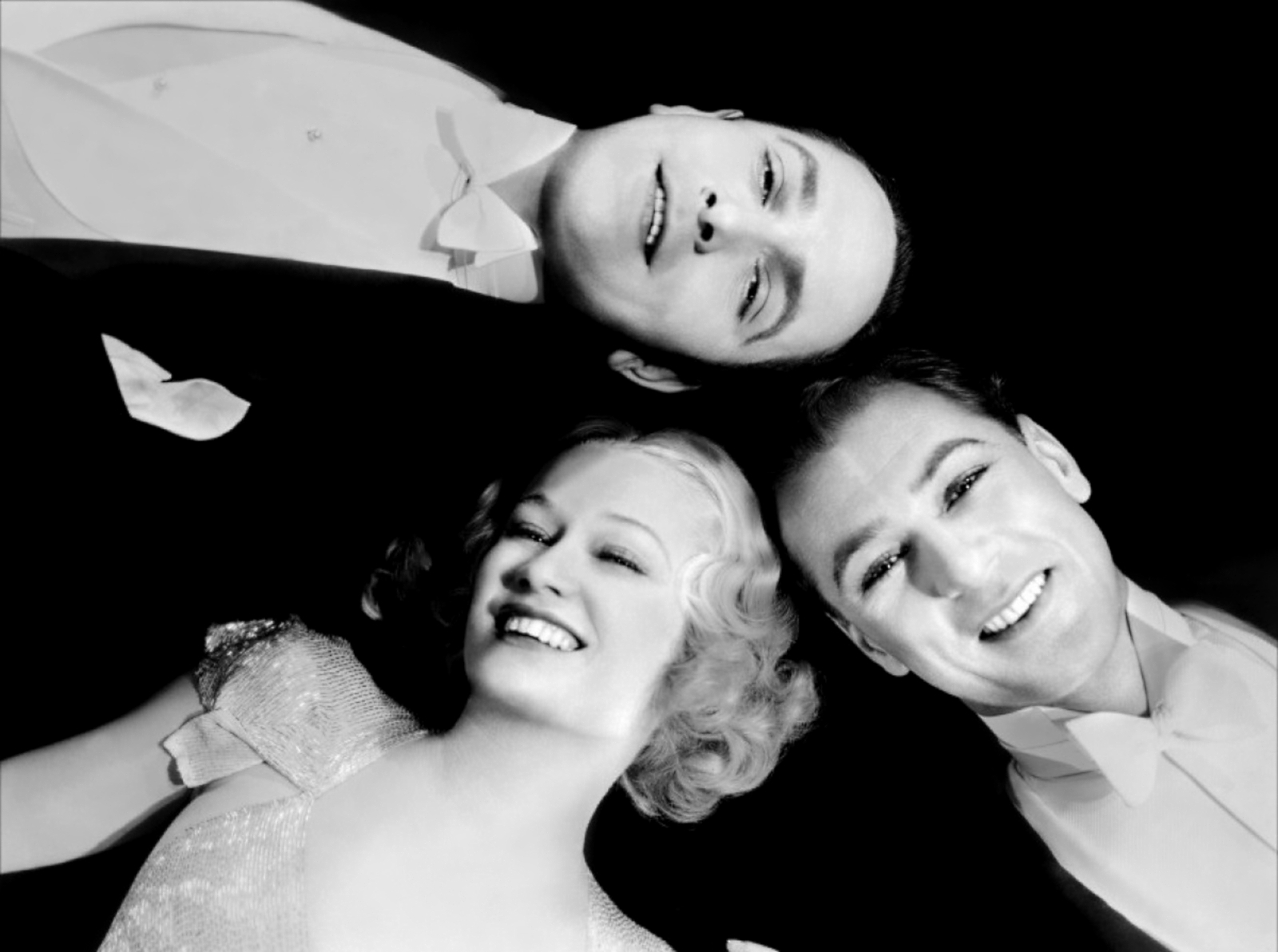
From 1929’s innovatively crafted talking musical The Love Parade (Lubitsch’s first sound picture) up to 1934’s Code-rupturing threesome in Design For Living, Lubitsch worked strictly at sophisticated Paramount. (Also released in 1934, The Merry Widow was an MGM picture.) There, he became one of the studio’s top directors, a name audiences remembered just as they would Frank Capra’s—rare for a director at the time. For a brief spell, he was even Paramount’s Head Of Production, which, according to Lubitsch biographer Scott Eyman, was possibly related to the director’s quiet turmoil once Breen took over, and Lubitsch needed to “get out of the line of censorship fire and take some time to figure out what to do.” After all, Lubitsch comedies were about sex, love, joy, and the messy human complications that come from voluptuous adventure. Breen and the Catholic Legion Of Decency held such ardors suspect, a wicked playground for lotharios and trollops.

Annex - Cooper, Gary (Design For Living)_04

For Lubitsch, a romantic triangle or adultery wasn’t just the side story, it was often the central plot, making his pre-Breen pictures as gracefully scintillating as William Wellman’s Other Men’s Women or Dorothy Arzner’s Merrily We Go To Hell. According to the Code (as quoted from Olga J. Martin’s Hollywood Movie Commandments, quoted in Doherty’s Pre-Code Hollywood), a love triangle needed “careful handling,” especially if “marriage, the sanctity of the home, and sex morality are not to be imperiled.” Furthermore, adultery was a forbidden subject and “never a fit subject for a comedy.” Lubitsch disagreed: He found it a comedic, musical, elegant, fantastical, oh so real-life.

OneHourWithYou

1932’s One Hour With You concerns both triangles and adultery, and has its own sticky history between George Cukor and Ernst Lubitsch. Originally assigned to direct One Hour With You, Cukor was doing such a frustrating job that the exacting Lubitsch took over the production, according to Eyman: “For the next six weeks, Cukor sat quietly on the set, drawing his salary, confining most of his conversation to expressions of approval after each Lubitsch-directed scene.” The result was a direction credit for Lubitsch, a lawsuit from Cukor, and a compromise with the added credit, “Assisted by George Cukor.” As Eyman wrote, “Lubitsch pictures could not be mass-produced.”

6a00d83451b77e69e200e55006b0e38833-800wi

Despite the picture’s difficult production, it’s a fascinating, joyfully randy work about, yes, cheating. Colette (Jeanette MacDonald) is married to impish Andre (Maurice Chevalier), who can’t help but succumb to her horndog best friend Mitzi (Genevieve Tobin). He even sings his dilemma directly to the audience, praising his wife’s virtues while gleefully returning to the potential mistress with, “Ohhhh! That Mitzi!” When the deed is done, Andre again breaks the fourth wall and asks, in song, “What Would You Do?” inquiring of men—and, since this is Lubitsch, women, who aren’t exempt from the equation—how they would handle such a pickle: “Do you think you could resist her? Do you think you would have kissed her? Would you treat her like your sister? Come on, be honest, mister!”

Never mind that that the song explains and excuses his indiscretion; it’s so damn charming that viewers feel mischievously complicit with Andre. (I wonder how many couples gave each other the side-eye during his ode to adultery, or even a jab in the ribs.) Chevalier’s considerable Gallic delights help him get away with such things, but even us non-Chevaliers, we’re all human, we all transgress. Be honest. Grow up. Get over it.

UNA HORA CONTIGO

And yet Lubitsch isn’t merely flip here; he understands the pain Andre and his Mitzi have caused the distraught Colette. Even Colette’s lovesick revenge kiss with poor Charles Ruggles (which becomes another amusing Lubitsch twist on deception) is tinged with sadness. She can’t even cheat properly! And Ruggles, well, he doesn’t have a chance next to that dashing so-and-so Chevalier. Pain presents itself in all Lubitsch’s comedies, with some characters standing on the precipice of tragedy.

In 1931’s The Smiling Lieutenant, Chevalier’s Niki is forced to marry a besotted princess (Miriam Hopkins) after she mistakenly accepts his smile and wink, when in fact, he’s directing the amour to his girlfriend, beer-drinking band leader Franzi (Claudette Colbert). Stuck in an unhappy marriage with the ridiculously prim, innocent Princess Anna, Niki refuses to sleep with her, leaving her to play a sad game of checkers on the marriage bed with her blowhard father, King Adolf (a wonderful George Barbier), which is simultaneously hilarious and poignant. (The father-daughter relationship becomes increasingly touching as the movie progresses.) Franzi has tearfully left Niki with a garter to remember her by, but she later becomes his mistress, trysting with her lover while his wife putters around the palace, unfulfilled and heartbroken. This is a comedy musical?

Annex-Chevalier-Maurice-Smiling-Lieutenant-The_02

Lubitsch goes even further. Once Anna discovers the affair, she summons Franzi to the palace. (In a kinky touch, Niki has been using the police to arrest Franzi and deliver her to their rendezvous spots.) The confrontation is surprising—both women flop on the bed to blubber their eyes out. Franzi realizes Anna is no enemy and takes pity on the square, surprisingly sweet princess, teaching her how to play a jazzy piano, wear silky négligées (to the tune of “Jazz Up Your Lingerie”), and let down her prissy, pinned-back hair. The mistress instructs the wife how to properly make love to the man the mistress loves. Well, they both love him, but someone has to get their man. The princess reigns (although she’s much less self-sufficient than Jeanette MacDonald’s Queen Louise in The Love Parade, or Countess Helene Mara in Monte Carlo), and Lubitsch allows sacrificial Franzi a mournful exit with the self-defeated, undeserved line, “Girls who start with breakfast don’t usually stay for supper.”

Hopkins-I

Perhaps this is a flawed, too-easy resolution to the aching triangle, but it’s also an ironic twist. It’s the aforementioned “superjoke.” With The Smiling Lieutenant, Wilder perceived the superjoke as “the wrong girl gets the man.” Some joke. And yet it works, leaving viewers with the shot of Colbert dejectedly waving from behind her back so Niki and Anna can dig into their final scenes of jazzed- and juiced-up foreplay, and finally, a whole lot of sex. Poor Franzi. It was fun while it lasted.

Trouble-in-paradise-kay-francis-herbert-marshall-miriam-hopkins-1932_i-G-67-6722-DYUA100Z

In Trouble In Paradise, the short but memorable affair is not only fun—if that is the right word for a thing so elegant—it could have been marvelous, Gaston says. “Divine,” agrees Mme. Colet. But what can transform such smooth, dreamy sophistication into something clumpy and common? The cops. And so Mme. Colet, knowing Gaston intended to rob her but has fallen in love with her, watches him flee into the night with his other lover. She’s understanding enough to allow him to nab her pearls as a parting gift for Lily, and like Franzi in The Smiling Lieutenant, she’s left alone. Such is life. Gaston and Lily ride away in a cab, culminating their sex-as-stealing one-upsmanship, with Gaston grabbing Mme. Colet’s stealthily snatched wad and stuffing it into Lily’s purse. That purse sits on her lap, or, if one wants to be Freudian about it, between her legs.

And so the crooks get away with it. Paul Muni’s Tony Camonte and James Cagney’s Tom Powers would have been impressed, had they lived. Even they have to pay for their crimes in pre-Code films—but what spectacular endings those two were granted. Gaston and Lily aren’t gangsters or killers; they’re aristocrats incognito (the reverse of Jack Buchanan’s sweet incognito hairdresser in Lubitsch’s Monte Carlo, also released in 1931.) But they do indeed break that bendable code by making lawlessness so sumptuously attractive that pickpocketing is not only exceptionally suave, but synonymous with sex.

Troubleinparadise5

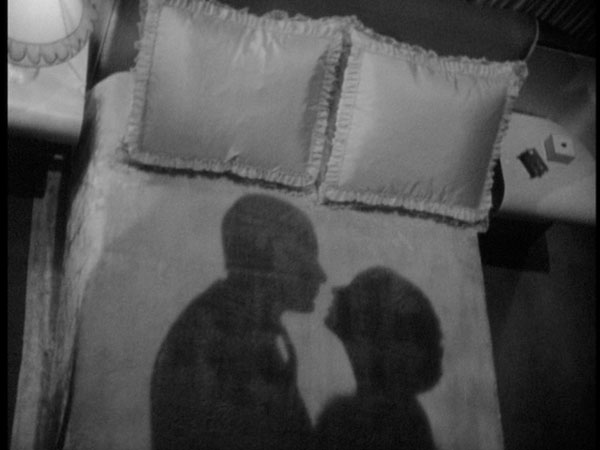
And yet within this dreamscape so graceful that it feels musical, with its fluid panning shots, meaningful use of clocks, knowing shadows on beds, superbly climbed staircases and perfectly timed edits, is a waft of Depression-era actuality. Gaston gently complains, “You have to be in the Social Register to keep out of jail. But when a man starts at the bottom and works his way up, a self-made crook, then you say, ‘Call the police! Put him behind bars! Lock him up!’” Reading that, not with Herbert Marshall’s exquisite cadence in mind, and instead with James Cagney’s rat-a-tat pugnacity—well, the two men could have shared a drink together. Marshall may have been too sophisticated, too elitist for Cagney, but he wasn’t a snob. And between the two of them, they had the streets and boudoirs covered. And even better in Lubitsch-land, in which a bit part is often allowed a big moment, they could have invited the fellow who contributes to Trouble In Paradise’s famous opening shot, the garbage-man gondolier.

Read the rest of my piece on Lubitsch's pre-Code comedies and especially their triangles, continuing with Design for Living and what may have even charmed that uptight schoolmarm Joseph Breen, The Merry Widow, at The Dissolve

The Roaring Road to Ruin: Wallace Reid

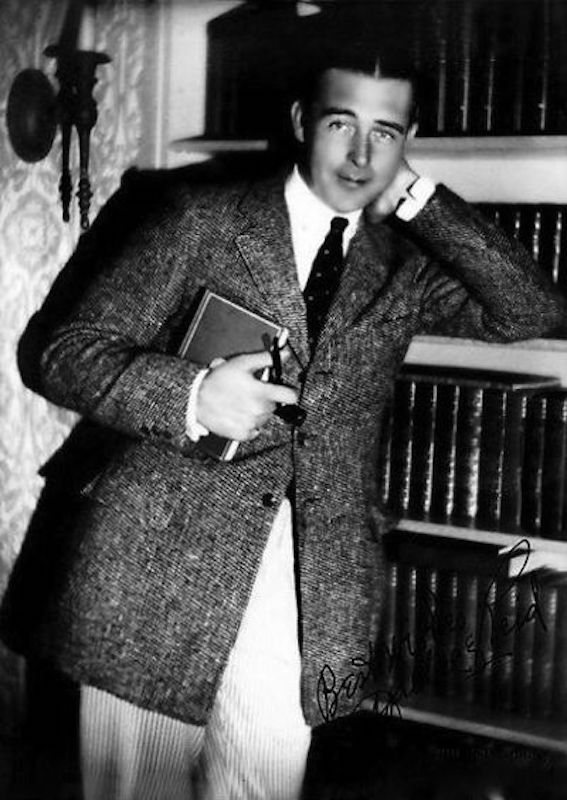
6a00d83451cb7469e2019b00083124970d-400wi

“Wally Reid was a 180-pound diamond…”

–Cecil B. DeMille

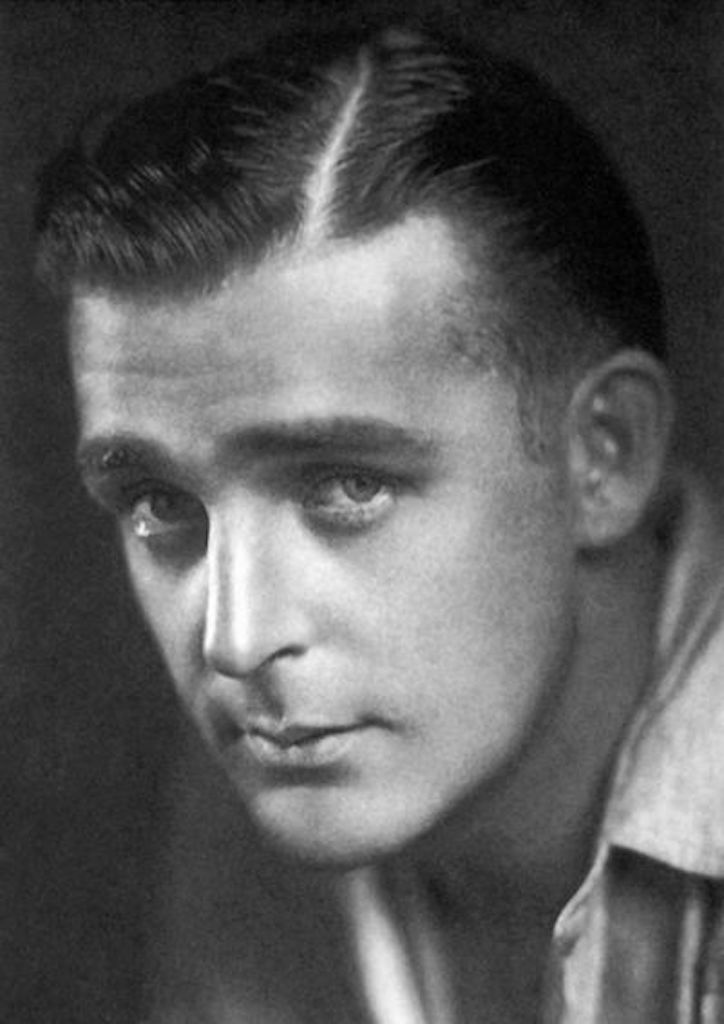
Wallace Reid loved cars. When not working in pictures, the silent screen star would speed through Hollywood in a choice automobile, wildly tearing up roads in anything from a Marmon Coupe to a Stutz Convertible. Not just a well-heeled showboat Reid actually understood cars. He knew how to work on cars, he comprehended their mechanics and appreciated their beauty. Before his racing pictures, before traveling to Hollywood, before even working at Vitagraph, Reid wrote about cars for Motor Magazine, covering races, attending car shows and test-driving new models. As a famous actor he made friends with racecar drivers and entered races himself. He was fearless and he was reckless. For those he delighted with his rakish rapidity, there were others he horrified. His abandon was legend. He reportedly crashed his Marmon into a family while hurtling along the Pacific Coast Highway, killing a father and seriously injuring a mother and child. His passenger, Thomas Ince, suffered a broken collarbone and internal injuries. Wally was fine. He was well connected, well liked and lucky.  D.W. Griffith bailed him out of jail. He wasn’t lucky for long. In less than ten years the star of The Roaring Road would be dead. His beloved Marmon didn’t do him in. Morphine did.
6a00d83451cb7469e2019b000832e0970d-400wi

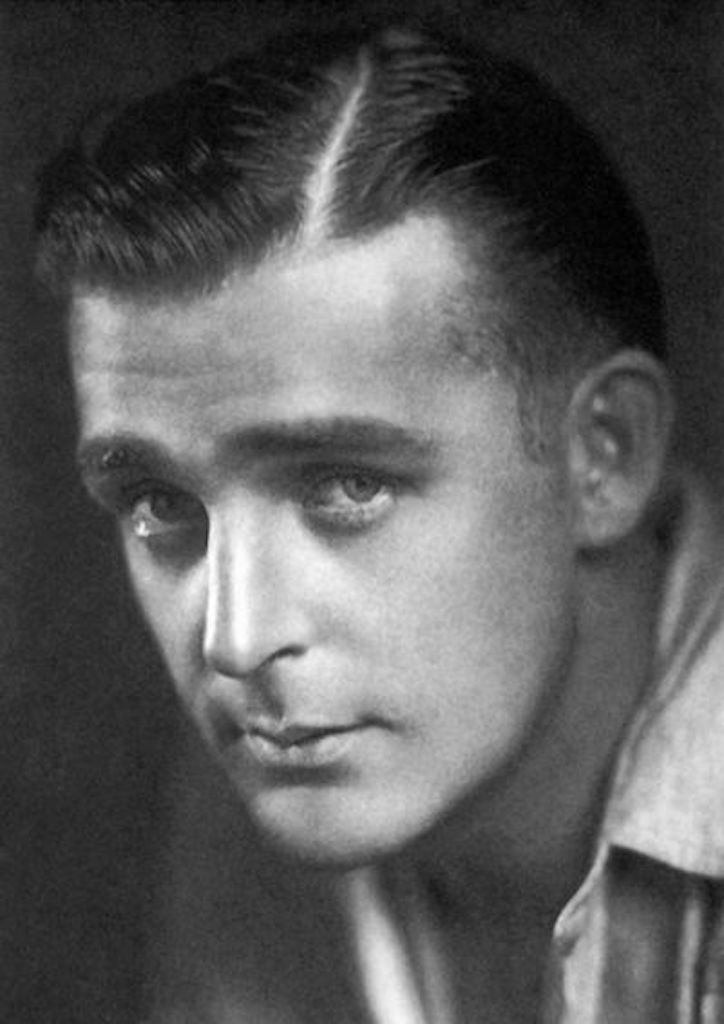
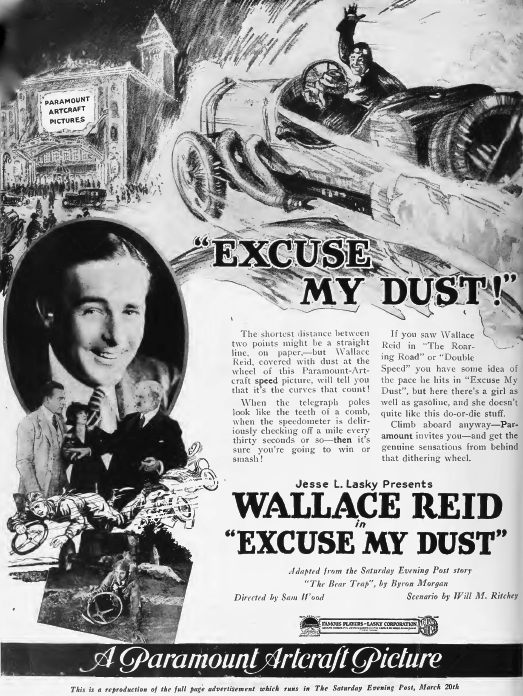
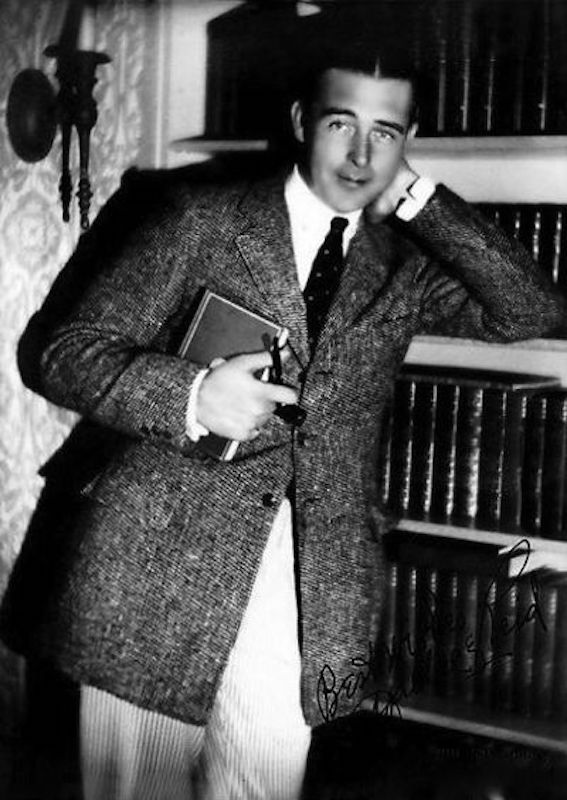
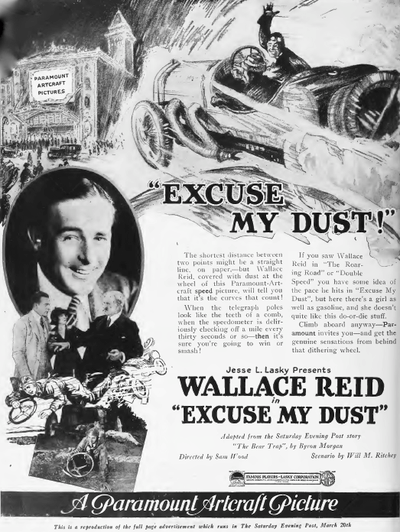
An enormous star of the Silent Screen, Wallace Reid or, “Wally,” as he was affectionately called, isn’t talked about much these days. His 200 plus pictures, many lost or tough to find, are rarely seen, his troubles occasionally discussed; many don’t even know who he is.  A big enough name to rival Mary Pickford, Douglas Fairbanks and Charlie Chaplin, the "screen's most perfect lover" was beloved by fawning women, admiring men and awe-struck kids. He was cool. He made soft collars fashionable, influencing men to abandon their stiff, detachable neck stranglers. Young, not-yet-famous Clara Bow once waited eight hours to see Wally’s personal appearance in Brooklyn. He starred in Cecil B. DeMille pictures including, Carmen (1915), Joan the Woman (1916) and The Affairs of Anatol (1921), worked with Dorothy Gish, Gloria Swanson, Geraldine Farrar and Bebe Daniels, popularized racing pictures including The Roaring Road (1919), Double Speed (1920), Excuse My Dust (1920) and Too Much Speed (1921); the inventory of pictures and collaborators are too extensive to list. Tall, well built, handsome, he was adept with drama, romance, comedy and action, making him a major moneymaker for Paramount/Famous-Players Lasky and one of the first movie stars of the silver screen. He was also one of its first dope casualties.
Wallace Reid dog

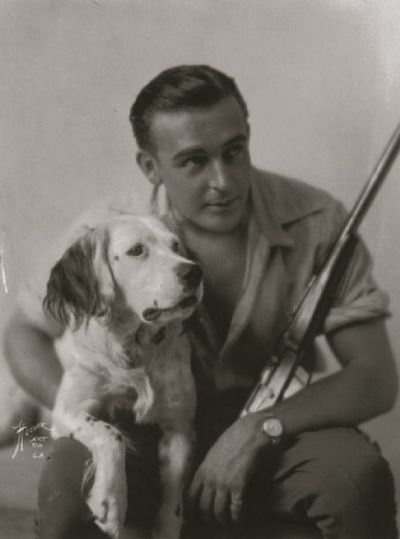
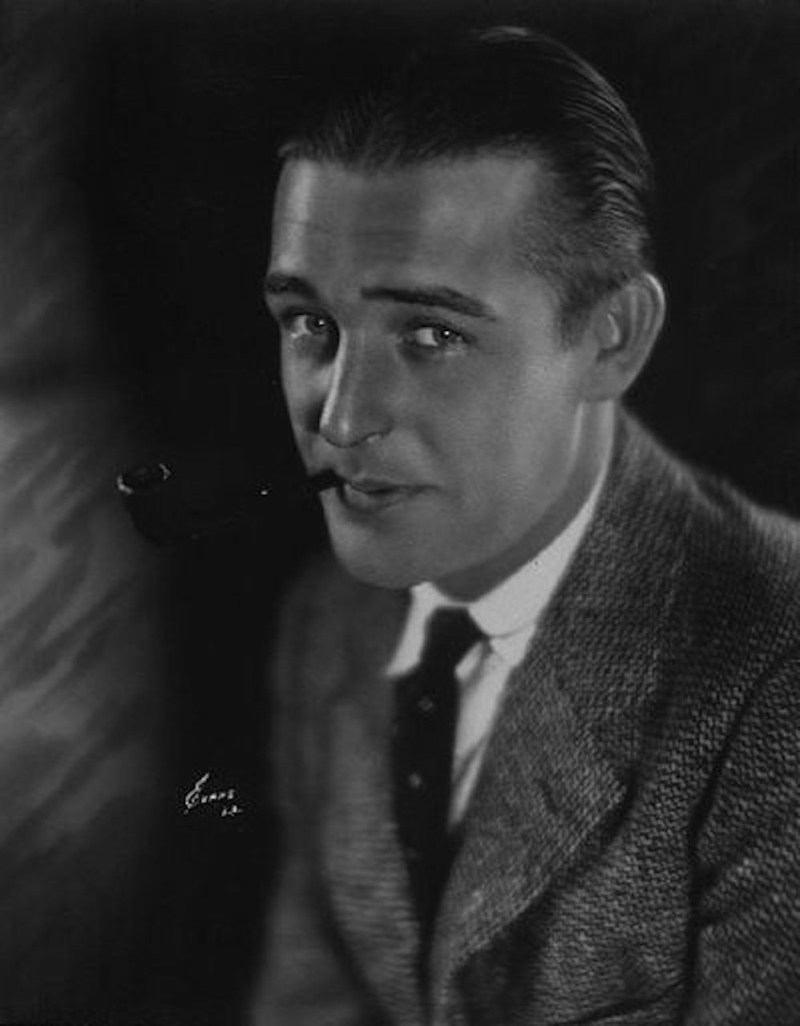
In photographs, he’s immediately handsome in a boyish, everyman sort of way. One wonders if he would pop on screen the way Douglas Fairbanks, John Gilbert or Rudolph Valentino had. But in the few starring roles I’ve seen, he does stand out, albeit with different effect. He’s relatable. Watching him sensual and intense in Carmen opposite Geraldine Farrar or almost erotically explosive in his smaller but unforgettable part in The Birth of a Nation, you get the sex appeal right away. He's timeless. I could picture him a heart-throb today. In pictures like The Roaring Road, the pre-McQueen real-life gearhead was thrilling to viewers. Utterly American, he was the adventure-seeking dream, affable, a man’s man. But there was something soft and lost in his eyes; a vulnerability that wasn’t simply effete, more like susceptible. Though intelligent, well read, outdoorsy, musically talented (he could play any instrument and reportedly kept neighbor Rudolph Valentino up with his saxophone) and creative, Wally was modest, generous to a fault and suffered low self-esteem. He didn’t always feel like a man’s man. When inscribing a photo for his friend, the journalist, screenwriter and novelist Adela Rogers St. Johns, Wally wrote: “Just another so-and-so who never got into uniform except when he put on his greasepaint.”


Reid entered the movie business during its exciting, embryonic time, when motion pictures were an evolving art, full of invention and experimentation. An enthusiastic Wally worked, watched and learned alongside some of the great pioneers: Griffith, Dwan, DeMille. Studying Reid’s history is studying the inception of movies – all of it – the developing technology, the lengthening of films reel by reel, the beginning of the star system, the growth of the studios, the arrival of watchdog Will Hays, the press, the fans, the scandal. Surely, the first flushes of scandal were hard to wrap one’s mind around. With fame coming so suddenly and with such unexpected fervor, the new stars had to quickly learn navigational skills never before imagined. There was, as they say, no road map. That mixture of adoration and scrutiny, the money and the mania, it had to have muddled the mind, creating great highs and great lows. Those drunk with celebrity one second could be depressed and paranoid the next. Drugs settle the mind, sooth the nerves and at their most blissful, double your pleasure. Smoothing out that rocky road, who needs a map?

The two Reid biographies, E.J. Fleming’s “Wallace Reid: The Life and Death of a Hollywood Idol” (McFarland, 2007), and David Menefee’s “Wally: The True Wallace Reid Story” (BearManor Media, 2011), take you through this fascinating period with a compelling leading man; a young man who had no idea how “live fast and die young” emblematic his story would become. Both books were essential to researching this piece and proved passionately written page-turners by writers who made all of their exploration and analysis come to life. Born in 1891 to a theatrical family, both successful and scandalous (as reported in Fleming’s book, his actor and playwright father was charged with rape in 1887, a newspaper calling him “Hal Reid the Minneapolis Fiend”), Wally had little desire to work in front of the camera. While at prep school, young Reid was intent on becoming a surgeon. Nevertheless, he was seduced by cinema, excited about writing and directing.
6a00d83451cb7469e2019b0007ccc9970c-400wi

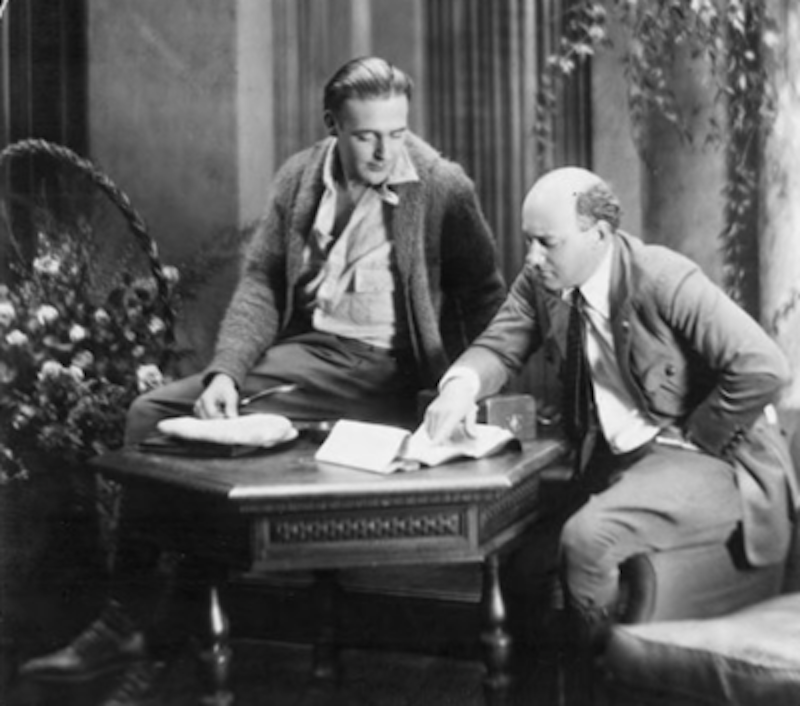
According to Fleming, Wally worked as an “assistant director, scenario writer, cameraman and utility man” in Chicago under William N. Selig where he wound up appearing in numerous pictures. His first credited role was in The Phoenix in 1910. After that came Vitagraph where he wrote, directed, cranked camera and played violin or viola on set. Against his filmmaking desires, he also acted. After a failed engagement, he ventured to Hollywood and again worked with Selig and moved on to the West Coast Vitagraph. He also worked with his mentor, pioneer Allan Dwan, at Dwan’s “Flying A” company, and went with him to Universal. It’s tough to keep track of or to know just how much Wally accomplished during the infancy of cinema, he seemingly did it all. But he was too good-looking to stand behind a camera for long. Once he stunned audiences in Griffiths’ Birth of a Nation (1915) as the wrathful, shirtless blacksmith, that was it. Wallace Reid was a movie star.

Wallace Reid picnic

I first learned of Reid as one part of the early trinity of Hollywood scandal. The trials and unjust destruction of Roscoe “Fatty” Arbuckle (who was cleared in the case of Virginia Rappe but the reputational damage was done), the mysterious murder of William Desmond Taylor and the All-American matinee idol turned addict, Wallace Reid. His fate was sealed by what is usually understood in figurative terms, a train wreck. For speed demon Reid it was horrifyingly literal. While traveling to their Oregon location for the James Cruz picture, Valley of the Giants (1919), Reid and company experienced a near-catastrophic crash when their train fell off a bridge, rolled down 15 feet and landed on its side. Wally was seriously injured, suffering a deep laceration to his skull, a gash in his arm that cut to the bone and severe injury to his already weakened back. It was a harrowing, bloody calamity that would, today, stop production on any motion picture. Menefee wrote: “Alone and in the middle of nowhere, they were without any outside help… For the next twelve hours, Wally used his medical skills to administer to those who were injured… Rescuers finally arrived, but only after the injured had languished in isolation for half of a day." Wally, most wounded, was one of the last to be treated. He was soon back on set.

To ease the excruciating pain during filming, Wally was given morphine — a lot of morphine. And so it began. Shot up with the opiate for his agonizing injuries, it was administered whenever needed. Swiftly, he was hooked. And, as the story goes, the studio kept him good and smacked up. Needing their All-American cash cow to work at his same level, to continue to churn out pictures fans stood in line for, junk was necessary. In 1919 Wally had eight movies released. Mary Pickford had two. Whether or not the studio supplied him with endless drugs is not absolutely proven, and from reading both biographies, it’s clear that when his addiction worsened, Wally scored his dope on his own.
6a00d83451cb7469e2019b0007f2aa970c-400wi

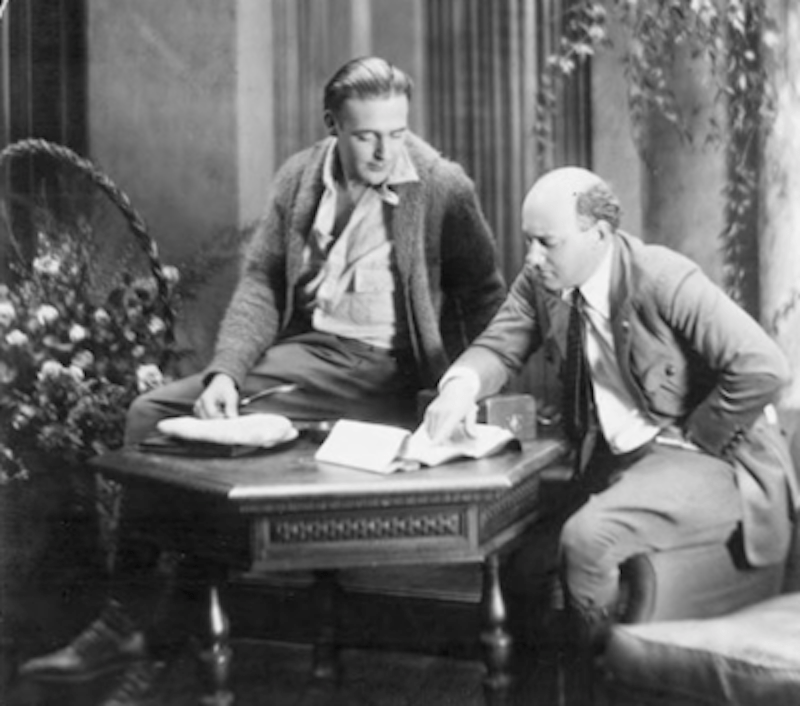
Wally was well-liked around town and, like many actors and addicts, gifted at concealing his problems. When rumor was strong, the studio hired a doctor to live with Wally for two weeks. Wally either bravely abstained two weeks of hell or sneaked his doses, manipulating his watchful houseguest. The doctor reported back to his bosses with not only a clean bill of health but with a veritable boy crush. He wrote, “I don’t know anyone else I could live with like Siamese twins for two weeks without wanting to murder, but he is unquestionably the nicest chap I’ve ever known.”
6a00d83451cb7469e2019b00083e93970d-400wi

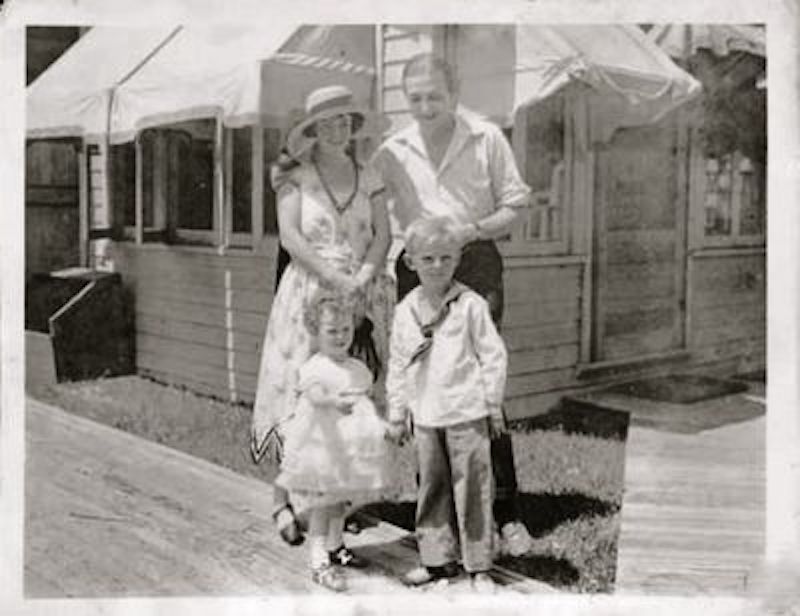
Wally could not and would not stop. As chronicled in Fleming’s book, it was work, drugs, parties, affairs, a mysteriously adopted three-year-old daughter and eventually, unavoidable scandal, with Wally’s drug dealers getting arrested and newspapers writing items alluding to or frankly discussing Wally’s drinking and drugging.  And yet, he continued to work. Eventually, his diminishing frame, loss of teeth, moodiness and deteriorating beauty were becoming all too evident. The fact that he was even cast in Nobody’s Money directly after being unable to stand during the filming of 1922’s Thirty Days is horrifying – the studio was going to use their asset, and Wally wasn’t giving up, even on the brink of death.

Wallace Reid Carmen

In Kevin Brownlow’s 13-part documentary Hollywood: A Celebration of the American Silent Film, then assistant director Henry Hathaway tells a heartbreaking description of Reid’s last day on Nobody’s Money, Reid’s last day on any movie set: “He sort of fumbled about, and bumped into a chair, and then just sat down on to floor and started to cry. They put him in a chair, and he just keeled over. They sent for an ambulance and sent him to the hospital.”

Wally was taken to the Los Angeles sanitarium of Dr. C.B Blessing, which treated addicts via a controversial method called the “Barker Cure.” As told by biographer Fleming, Blessing followed the remedies of Dr. John Scott Barker, whose Oakland drug treatment facility was raided “numerous times.” Fleming wrote, “His most famous client, actress Juanita Hansen, said the ‘cure’ consisted of a cocktail of unidentified pills and medicines and a rigid diet ‘to extract the poison that remained in my system.’ Rumors abounded that the pills were just replacement drugs that kept the addict off one but hooked on another.” Wally stayed there for six weeks. When that didn’t take, his wife placed him in a private sanitarium where he dried out in a padded room. He wasn’t improving. He was, in fact, dying.

One thing curious about Reid’s story is just why he was dying. Hearing about Reid’s tragedy, one would think the man suffered a fatal shot of morphine and overdosed after various cures. Cold turkey is terrifying and dangerous, but you can live through it, particularly at 30 years of age. Adjusting your life and resolving the need for dope is the long-term challenge. Reid never even got that chance. Instead he wasted away, with kidneys failing him, a respiratory system, shot, fever, flus –a nightmare.  Overdose would have surely been a welcome relief from such wretched hell. Both Reid biographers state that Wally wanted to go out clean, that he’d rather die than seek comfort from the elixir that produced his demise. Drugs and drink will lower your immunity, and Reid’s use was extreme, but after reading of another one of Reid’s earlier cures, I wondered if it contributed to his rapid decline.
Wallace_Reid_in_Excuse_my_Dust_by_Sam_Wood_Film_Daily_1920

Called the “Crebo Method,” the regime, as Fleming describes, “was a daily mix of injections, enemas, and pills with crebo, curare, ephedrine, luminal, emetine hydrochloride, philocarpine hydrochloride, adrenalin, avertin, and adreno-spermine. Curare was an interesting choice, a plant compound used in South America as an extremely potent arrow poison… Death results from asphyxia by paralyzing skeletal muscles and depending on the animal’s size takes from seconds to 20 minutes.” Curare?! If that’s not enough to raise an eyebrow, these disturbing mixtures were injected directly into the chest. The side effects are a list of horrors: every kind of nervous symptom, exhaustion, twitching, cramping, thirst and dysentery are among the trauma. Usually these treatments were undertaken in a clinic. Wally performed all this at home.

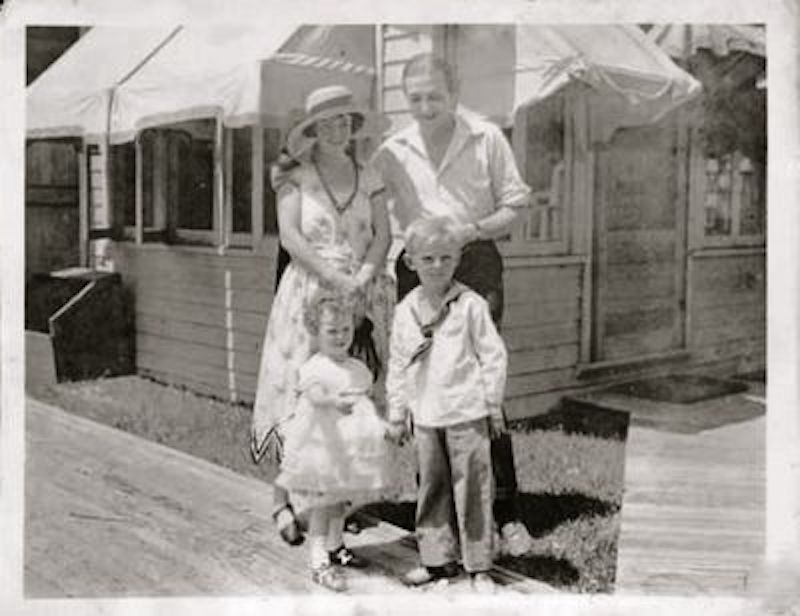
He wasn’t alone. His wife, actress and, later, filmmaker, Dorothy Davenport was by his side. Dorothy, whom Reid married in 1913 (back when he was known as a director at Universal instead of an actor) is an intriguing character herself. After Wally’s death, the actress became something of a pioneer for both female directors and exploitation pictures, often crediting herself as “Mrs. Wallace Reid.” Her earlier work contained tonier collaborators, including the 1923 drug scare picture Human Wreckage, starring herself and Bessie Love. Dorothy co-produced the now lost film with Wally’s crash survivor, Thomas Ince. The next picture she produced was 1924’s Broken Laws (based on an original story by Reid friend, Adela Rogers St. Johns) in which she stars as an overbearing mother whose son becomes a spoiled jazz head and reckless driver on trial for vehicular manslaughter. Considering her relationship with Wally’s mother, this was an interesting social ill to sensationalize. She moved on to directing exploitation pictures including, Linda (1929), Sucker Money (1933), Road to Ruin (1934) and The Woman Condemned (1934) and, for a spell, before she lost money in a lawsuit involving her white slavery film The Red Kimono (1925), she owned and ran a Los Angeles apartment building. Purchasing the place in 1930, she called it “Mrs. Wallace Reid’s Casa de Contenta Apartments.” One of her tenants was Roscoe “Fatty” Arbuckle.

Her fervor started before Wally died. When Wally’s use became too obvious to ignore, she went to the already pouncing press to discuss not only her husband’s plight but the evils of narcotics. Reid didn’t see shame in Wally’s misfortune and appealed to an empathic public. She also changed stories, a lot, and comes off as unreliable — oddly, both frank and in denial. \

She must have suffered guilt over enabling him (though no one used that term at the time). She was probably angry too. And, so, turning to more exploitative measures, she's a controversial figure.

6a00d83451cb7469e2019b0007f3db970b-400wi

While Wally struggled, Dorothy let the world in on his torment. Reported in Menefee’s book, the distraught wife told the New York Times intimate details: “He thought he would die the other night,” she said. “He was so brave about it, poor boy. For three nights he had expected to die. He isn’t afraid to die, but he wants so much to live for Billy and Betty and me,” referring to their son and adopted daughter. Mrs. Reid, in describing his condition just before the present breakdown, said that he wept and said: ‘How did I happen to let myself go? Why couldn’t I have stopped long ago? I thought I was so strong; I thought I knew myself so well; I can’t understand it.’”

Wallace Reid in Two Much Speed

Reid was still young. Just out of his twenties. It’s not surprising he was baffled by how deadly his addiction became. Like the Marmon that he cracked up, he was confident he could control it at any speed. And when he lost control, he even thought he could outrun it. But not by the end. He finally collapsed and, on January 12, 1923, he was dead. He was 31.

In Fleming’s book, Wally is quoted from a picture magazine interview, revealing more about himself than he probably realized: “I love to speed. If I always drove myself, I’d probably spend half my money on fines for breaking the road laws… Whether speeding down an open road or through the air, I feel a surge of blood through [my] veins that prompts [me] to ever-increasing speeds.” 
Happy Birthday Tuesday Weld

11820814a65b4137647e78164cbf3b03

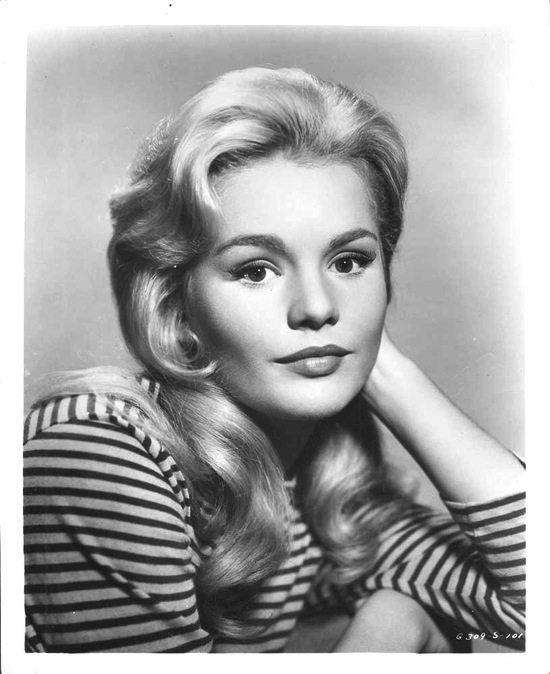
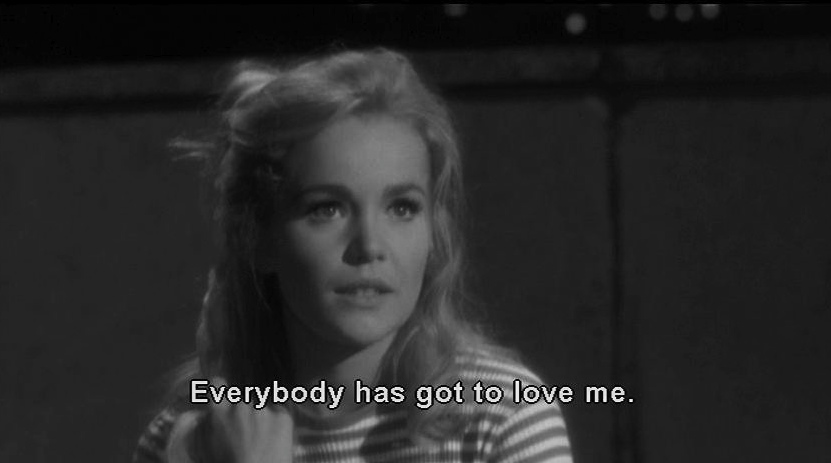
I love Tuesday Weld. I'm going to sound melodramatic and swoony Tiny Tim "Satisfied with Life" here but, I love her so much it's almost frustrating. More Tuesday Weld roles, come forward! Lord Love a DuckWild in the CountryThe Cincinnati KidPlay It as It Lays, Who'll Stop the Rain, A Safe PlaceI Walk the Line, Once Upon a Time in AmericaLooking for Mr. GoodbarThief, her appearance opposite Rip Torn in The Naked City episode, "A Case Study of Two Savages," and on and on. 

Tumblr_mo2paiEV3j1rdstp0o1_1280

But one of my favorite Weld performances is her Sue Ann Stepanek in Noel Black's Pretty Poison. As I wrote in another piece about angry teen girls in movies: "The gorgeous, iconic Tuesday Weld is the queen of precocious teenage girls and one of the sexiest in the history of cinema. So hilarious and subversive in Lord Love a Duck (watch the orgasmic sweater scene with Daddy Max Showalter  and… oh my goodness what year was that film made?) and the girl who almost played Lolita over that other precocious sexpot, Sue Lyon, Weld was, in her youth, all the more powerful for tapping into her evil side. Pretty Poison is her showcase." 

Tuesday-weld

Playing the beautiful but deadly high-school majorette to Anthony Perkins' twitchy, creepy fire-starter, Weld is the deliciously deviant underbelly of America's heartland. Where pretty blonde high school girls are supposed to be good but, we know better. Where the older, supposedly controlling and dangerous nutjob (Perkins) ends up the one manipulated and screwed over. The 1968 picture wasn't as popular upon release (too sexually disturbing? Too strange? Too much of a guilty turn on?), it's achieved cult status since and deservedly so.

Tumblr_mmmbiyACLd1qzdzwdo1_500

With its violence, pitch black comedy and erotic viciousness (watch Weld commit murder only to be filled with carnal copulating bloodlust) the picture is wonderfully transgressive and deeply strange. And Weld… she is charming, scary, beautiful and sickly erotic. It's a daring performance by a young actress unafraid of scaring those who desire her; an actress intelligent enough to know her kinkiness will also thrill men and women. Perhaps, especially women. “Let’s do something exciting” says Weld’s seventeen-year-old. Exciting is one word for what she does with all this gleeful evil.

Artwork_images_972_534095_dennis-hopper

As he surely was by The Bad Seed's Rhoda Penmark, Nick Cave had to have been inspired by Pretty Poison. Cave's pretty, murderous "Millhaven" teen with yellow hair she's always "a-combing" is something of a Sue Ann: "Since I was no bigger than a weavil, they've been saying I was evil, that if bad was a boot that I'd fit it. That I'm a wicked young lady, but I've been trying hard lately. Oh fuck it! I'm a monster! I admit it!" Thinking that Weld may have influenced Cave — that is exciting. And so is even thinking about the now reclusive Tuesday Weld. 

1966-lord-love-a-duck-tuesday-weld

She notoriously turned down some major roles, like the aforementioned Lolita and then Rosemary's Baby and Bonnie & Clyde, among others,for various reasons, some that make sense, some that seem rather mysterious. About Lolita she said, "I didn't have to play Lolita. I was Lolita," She dated older men, she dated Elvis, she drank, she had issues with her mother (check out, or don't check out, her mother's bizarre book, "If It's Tuesday…I Must Be Dead!"), she didn't conform to both Hollywood and what was expected of a pretty blonde starlet. 

Tumblr_mg1e2z6DXz1qc47c2o2_400

It might have hurt her in Hollywod, but it only added her rebel appeal. After seeing her on a talk show, walking out barefoot in a bathrobe, Sam Shepard wrote, "I fell in love with Tuesday Weld on that show. I thought she was the Marlon Brando of women." Indeed. I bet a lot of men and women fell in love with Weld that night. Watching her shift in a chair and just be herself… One gets the feeling Weld wouldn't come off as canned, the well trained good little girl. Or trying too hard. "Look how crazy I am." She had been through some crazy shit. Modern actresses could take a cue from Weld — it's OK to be yourself. If you're interesting anyway. And Weld was. Enormously so.

Tuesday weld what's my line

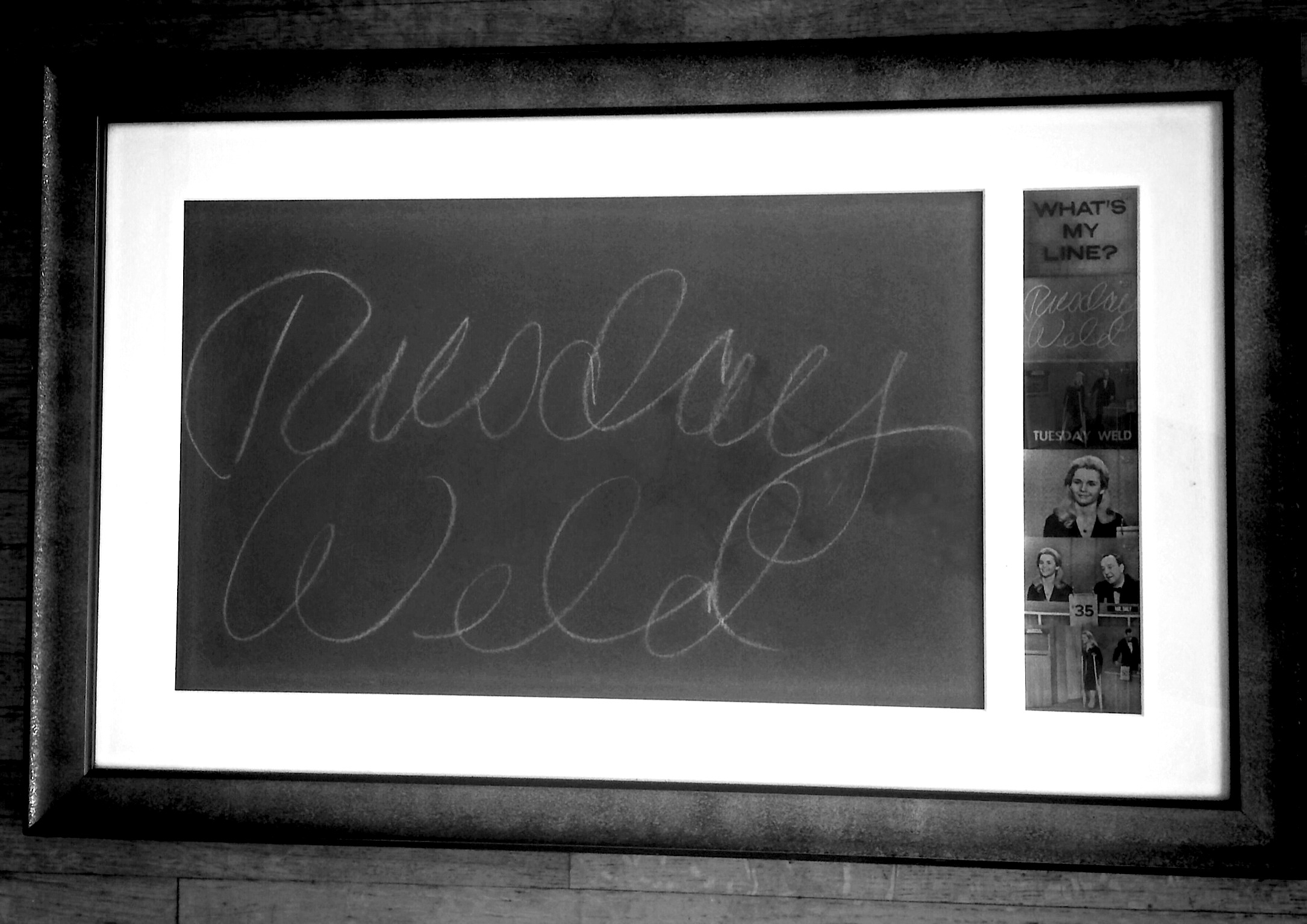
You see that when she appeared on "What's My Line" hobbling out all gorgeous and busted on crutches, she had pre-signed her slate due to her injury. This seems so very Tuesday Weld and she made that look intriguingly cool too, especially when she stated her reason for the crutches: "I kicked a camera… I kicked a camera dolly." Promoting the movie Bachelor Flat, answering the questions of Johnny Carson, Dana Andrews, Dorothy Kilgallen and Bennett Cerf, she spoke in a vaguely creepy baby doll voice and, of course, stumped them,

Weld line four

Dana Andrews disqualified himself because he put it together based on information he had heard (also, they had the same agent). If you watch, he seems a bit smitten with her, at least somewhat thrilled by her, and who can blame him? She's so modern. One of  my prized possessions is Weld's original slate from that appearance, given to me by a close friend who pays very close attention to my obsessions. I'm not one to over-collect entertainment memorabilia but Weld's slate is so much more than an autograph, it's a piece of history. To me, it's a work of art.

Tuesday slate

Happy Birthday to the gorgeous, edgy, one-of-a-kind talent Weld. And, as she turns 70 it naturally falls on a Tuesday. And even better, the day Pretty Poison's Perkins fell for her: "I met you on Monday, fell in love with you on Tuesday, Wednesday I was unfaithful, Thursday we killed a guy together. How about that for a crazy week, Sue Ann?" 

The Love Song of D. Samuel Peckinpah

Bringmebw

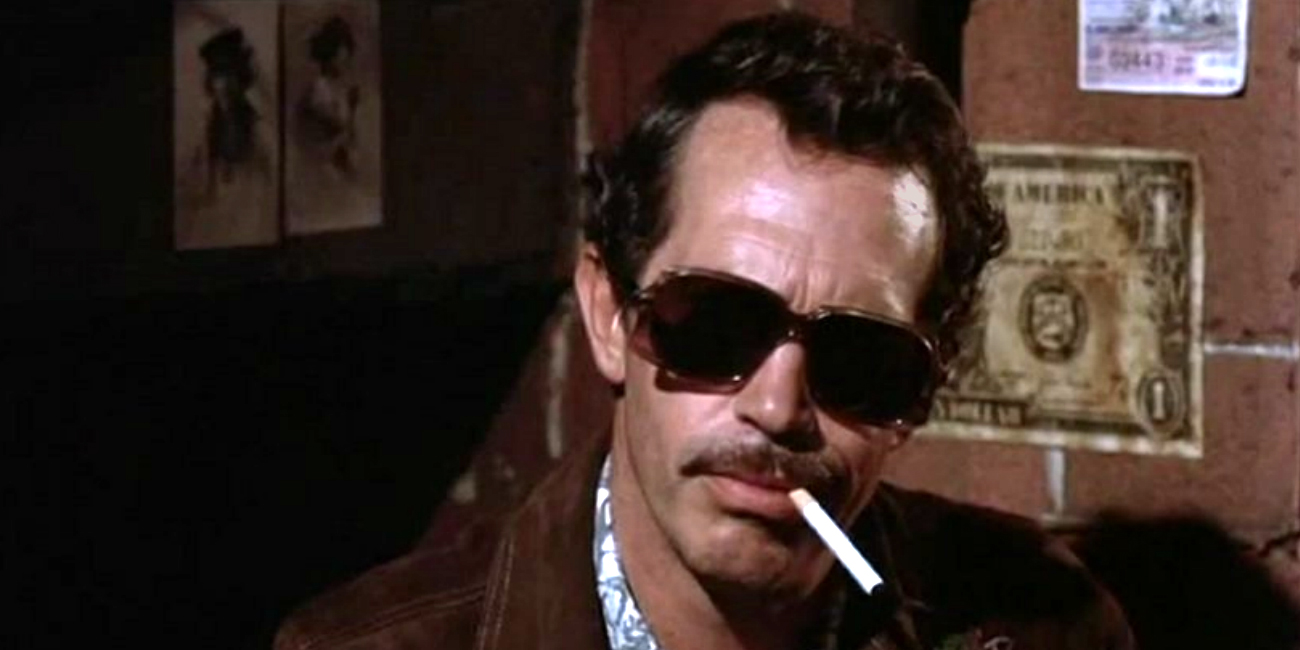
I blame Warren Oates. Or rather, his white suited, blood spattered beautiful loser named Bennie. This is the man who ruined me for all others — romantically, sexually, heroically, pitifully, existentially, all of it — throw in the filthy kitchen sink soaking a seeping red sack.

Bring-Me-the-Head-of-Alfredo-Garcia

I may never find a romantic paramour as powerful as Oates’ Bennie, or by extension, Sam Peckinpah, the man who blasted my brain with such wild-eyed, gritty grandeur, bleeding sweaty passion and maniacally sincere poetry. This movie, one of the only pictures Peckinpah had total control over, isn’t just personal, it’s fucking personal. For Bring Me the Head of Alfredo Garcia isn’t merely declarative for those seeking the headless bounty, but for those demons rattling around Peckinpah’s near nihilistic noggin.

Warren-oates-from-point-to_head

I say near nihilistic because the movie isn’t as hopeless as many perceive it to be and Peckinpah isn’t the mean-spirited misogynist he’s painted as. Like Bennie, he’s a fighter and a lover, dammit.  Though the picture begins with a Mexican land baron violently extracting the name of the man who seduced his daughter, it remains oddly sensitive, even as the girl is stripped and beaten. You feel for her. And in the end, Bennie feels for her. And you feel for Oates’ Bennie, the piano playing drifter hired to collect the million dollar bounty.  Bennie’s desperate determination to make a better life for himself and his lovely, seasoned girlfriend Elita (Isela Vega) who just happens to be a whore (and is all the stronger for it), can be summed up in his assertion: “Nobody loses all of the time.” No, they do not, particularly when they’ve experienced love, no matter how doomed, and happiness, no matter how fleeting.  Maybe in a world filled with insensitive one-nighters, phony thinkers, blood-sucking scumbags, casual rapists and reprobate renegades, these two supposed lowlifes are deluding themselves, and maybe they know it.

But really, who the hell isn’t?

Bringmeiselabennie

And yet, their love isn’t a delusion. In one small moment that moves me more than a hundred sweeping melodramas, Bennie senses Elita’s sadness as she take a shower. It’s soon after she was nearly raped, something he harshly convinces himself: “She can handle it better than I can.” Opening the curtain, tough Elita sits wet, vulnerable, sad-eyed, and Bennie simply, movingly says, “I love you.” Stated with such empathy and gentleness, this is all she needs to hear. This is all I need to hear.

00-bring-me-the-head-of-alfredo-garcia

It makes me realize just how much this critique of capitalistic greed, this ingenious, viscerally violent orchestration of madness and dread, is at its heart, a love story. So when Elita is killed, it makes perfect sense that Bennie goes nuts, finds Alfredo’s rotting head and, with a perverse sort of respect, drives around with it, talks to it, swats at the flies swarming around it and stops to cleanse and ice the foul cranium. Bennie bonds with that head, the head of his dead lover’s ex, possessed by a crushing nostalgia for his girl, a gleefully gruesome bloodlust for her killers and a passionate, single-minded self destruction for himself, that’s as ruinous as it is valiant as it is romantic and it is just… so… beautiful.

Tumblr_lym6j9st3t1qafve9o1_500

Forget “We’ll always have Paris.” What gets me to the core is Bennie repeatedly shooting a dead man and exclaiming, “Why? Because it feels so damn good!”  Yes it does. Over-the-moon crazy love dripping crimson romantic damn good — which is how it should always be. Damn you Warren Oates.

Happy Birthday Warren Oates. You left us too soon.

From my archives and originally written for GQ.

Baby Love: Birthday Boy Howard Hawks

Bringingupbaby-tiger

Hapy Birthday to the late, great Howard Hawks. Let's celebrate with one of his best, Bringing Up Baby. Here's my brief ode to Hepburn, Grant, bones, dogs, leopards and… "You're a fixation."

We should all miss the screwball comedy. An inspired, trenchant, romantic, witty, glamorous, sexy (so sexy) genre that went the way of telegrams, automats and men wearing fedoras without looking ridiculous, these pictures, when shifted into high gear, were funnier, racier, edgier and sometimes, exceptionally daring And top baby is Howard Hawks' 1938 Bringing Up Baby, in which the luminous lunatics aren't relegated to amusing supporting straitjackets; they're running the asylum.

Tumblr_mb2zbznjy51rq5e9jo1_500

That's Katharine Hepburn as Susan, an adventure-seeking, possibly insane heiress who immediately decides she's found her man after setting eyes on David, the bespectacled, uptight, also possibly insane paleontologist playd by Cary Grant. Why is she so smitten? Well, yes, he's Cary Grant, but Grant works this nervous nerd routine so beautifully that you actually wonder. And then, Hepburn! She's so maniacally, gorgeously single-minded in her approach (as you probably well remember, she manages to trap him in Connecticut with a pet leopard, a yapping dog and Grant's missing intercostal clavicle, which results in many amusing double entendre of "where's the bone?"), that she's more Marx Brother than Desperate Daniela. And who doesn't root for Harpo?

Annex - Grant, Cary (Bringing Up Baby)_12

Scripted by Dudley Nichols and Hagar Wilde (with some winning moments of ad lib by Grant and Hepburn) and directed by Hawks with such an energetic pace (Hawks told Peter Bogdanovich, "You get more pace if you pace the actors quickly within the frame rather than cross cutting fast"), there's so much joyful, inspiring anarchy here that the movie never grows old. It still feels remarkably modern.

Annex - Grant, Cary (Bringing Up Baby)_10

Much like Hawks' frequently comic (and yes, dark) Scarface (my favorite Hawks' picture and I think, one of the greatest American films ever made) in which Paul Muni is the front and center murderous, oddly lovable loon, Baby offers a rejection of how one should conduct oneself in supposed "regular" society, both in living lives with "dignity" (Oh, Grant and that colorless potential marriage) and how one persuasively woos a suitor (is stalking OK? It is with Kate Hepburn), that the picture remains downright radical. Both Scarface and Baby look at the American Dream, what it's supposed to represent in career and marriage, and decide they are going to create those dreams themselves, no matter how crazy. And with some powerful, deadly pets along for the ride. In Scarface it's Tony's tommy gun, in Baby it's Susan's leopard.

Annex - Grant, Cary (Bringing Up Baby)_01

And in Baby, all side actors are tested to their limits with this dizzy duo (that's Charles Ruggles, Walter Catlett, May Robson, Fritz Feld and more) and go along (exasperated), attempt to stop but mainly, endure their tumult. And then there's the lines — here's a famous one, perhaps the most famous: When Grant opens the door to Hepburn's perplexed Aunt Elizabeth (Robson) who demands to know why he's clad in Hepburn's frilly bathrobe, Grant jumps and memorably exclaims, "Because I just went GAY all of sudden!" To this day, that line always, always kills.

Annex - Hepburn, Katharine (Bringing Up Baby)_02

But my favorite is one that truly slid by the squares-ville production code: When Hepburn play-acting "Swinging Door Susie," a hardened ex-con who hollers out "Hey Flatfoot!" (can we lose "pig" and bring this copper slur back?), states, "I'll unbutton my puss and shoot the works." Oh, my. Wonderful. "Open up, I'll make you feel hot," she says. Indeed she does. God bless you for keeping that in there, Howard Hawks.

ActHepburnHawksGrantBringingUp

And again, Happy Birthday, Howard Hawks. 

And then there's this scene. And that gown:

*From MSN Movies 100 Favorite Films in which MSN writers pick their favorites. This one made my list. Read them all here.

True Grit: Link Wray La De Da

6a00d83451cb7469e20192aa4ee36a970d-800wi
“La De Da.” A song I never tire of and a revelation the first time I heard the unheralded stunner. Link Wray’s “La De Da” from his sorely underheard 1971 album "Link Wray" was recorded in Wray’s chicken shack on his farm in Accokeek, Maryland and produced by the ingenious Steve Verroca (who also wrote "La De Da"). Boy does it scorch your heart. Soulful, raggedly beautiful vocals and true grit rock by one the great pioneers, the song sounds a lot like the Stone's "Exile" before "Exile" but the genuine article. This is authentic fire and brimstone, sincere swamp ("Black River Swamp"); music full of feeling by a man who had felt and experienced a whole hell of a lot. When compared to Elvis and his impoverished background, "Rumble" Wray said: "He grew up white-man poor. I was growing up Shawnee poor." 6a00d83451cb7469e2019102867e03970c-800wi
And Wray was creating this primo stuff in the 1960s. On the liner notes for "Wray's Three Track Shack," John Collins stated it beautifully: "In the late 1960s there was a studied attempt by such musicians as The Band, Neil Young, Guy Clark and David Ackles, all in their own way, to evoke a rock n roll version of Americana, of white clapboard chapels, dungareed farmers, dusty drifters and outlaws… It turned out that Link and his brothers had been playing the real thing all along, hidden away on the farm. The eponymous 1971 album grew out of the landscape, the struggles and the religious certainties of Link's own past. He didn't have to adopt the pose of a stubble-chinned homesteader. He was one."

3track

Indeed he was. If you can get your hands on it, grab "Wray's Three Track Shack," a compilation containing three Wray albums: "Link Wray," "Beans and Fatback" and "Mordicai Jones." Do it.

I'm glad (and maybe even "so proud," as the Wray song goes) I got the chance to see brilliant legend Link perform live, before he passed away. Whenever I get down I remember that, during that show, Wray handed me his guitar in the middle of "Rumble" — I held the man's guitar! It still feels like a dream. One of the greatest moments of my life. As I wrote rather effusively, but with sincerity, last year, Link Wray is God. Now join me in spray-painting that on the Rock and Roll Hall of Fame and Museum where Link Wray has, ludicrously, not been inducted. Listen and believe. 

Heavenly Hedy: Eighty Years of Ecstasy

6a00d83451cb7469e20167690180f5970b-400wi

With the 80th anniversary of its first release, I'm dipping into my archives to look at that hot and Hedy enchantress called Ecstasy.

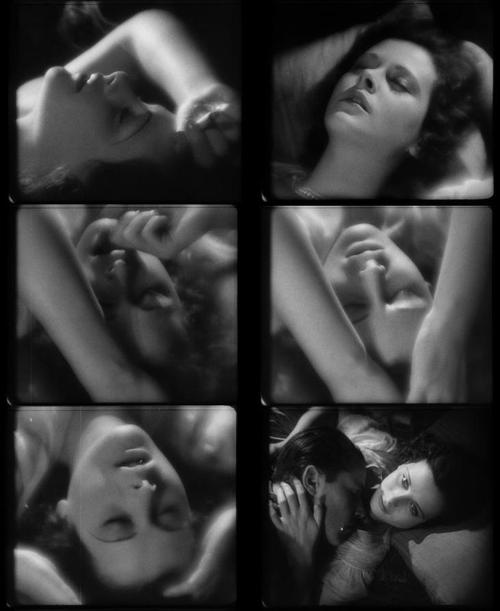
Hedy. Just looking at the woman, it's easy to repeat her name after exhaling a delicious deep breath — Hhheeeddeeey. Her name respires like the title of one of her most famous, and infamous films, Ecstasy. Though some consider the picture a novelty, a ye olden cinematic curio of Hollywood losing its nut over a Czech import, or simply a great place to watch Hedy Lamarr cavort around completely naked, Ecstasy (released in Prague in 1933) is a much richer, liberating, dreamily beautiful experience than all that. 

Tumblr_lzg381NHp41r3nrlvo1_500

An intense, enchanting, and, at the time, extremely taboo, study of a young woman's sexuality, the picture actually gets things right, either via magnificent, naturalistic, erotic imagery, or moments of blunt explanation. Without demonizing its subject , without overly squishy emotionality, without outright exploitation and yet, without embarrassing, soft-core erotica sensibilities (that kind of movie didn't really exist yet) and without words (mostly), Gustav Machaty's silent-to-talkies transition Ecstasy gets to the heart of some simultaneously simple and convoluted facts of life: Women desire sex. They enjoy sex. And if they find that attraction, they'll have sex, even if they're a little scared, and even if they're afraid of the resulting guilt. Given that we currently live in an often morally confused society, and specifically, confused about women (the Virgin/Whore dynamic has compounded with Hester Prynne/Fuck me/Stone Me complications), Ecstasy, though willing to explore the sadness, jealousy and tragedy sex can create, is a lot more honest about its confusion. But no stones for Hedy — Ecstasy is actually fond of its sexed up lass. 

Lamarr_Ecstasy2_540x386

Lamarr (then Hedy Kiesler — her real name was Hedwig Eva Maria Kiesler) stars as Eva, a young bride who marries an older man (Emil Jerman) only to discover on her wedding night that he's uninterested in love-making. With extreme D.H. Lawrence ennui and yearnings (the movie later ventures into Thomas Hardy territory), Eva can't endure this sexless union. Watching and sighing over the presence of blissful, satiated couples, she's filled with depression over her unexplored needs. Fittingly, and, some may think, perversely, she leaves the old man and runs home to her horse-breeder father, who embraces his sad little girl while huffing that he'll never understand women. Well, some understand. Or at least, attempt to try. And so comes the famous sequence.

Tumblr_ljhm8vUetz1qzzxybo1_500

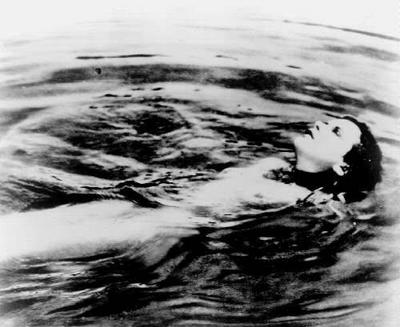
Eva enjoys a nude swim while her horse stands in wait. Intrigued by the advances of another horse in the distance  , the steed dashes off, taking Eva's clothes with him. Eva pursues this enormous figuration of coitus, until a young, handsome worker also helps and then, (happily) happens upon the naked nymph.

NbGKJrjpJj2o5cpblVlENtLFo1_500

What beauty unfolds. The mesmeric scene is filmed like foreplay, as the water, sky, sweaty laborers, and fondling horses are continually referenced while Eva runs through the woods — a once happy swimmer, now a frustrated, frightened, and soon-to-be thrilled woman. Looking at this obviously — as a representation of her desires –  she, of course, collides into the most fetching man she's ever seen, aptly named Adam (the fantastic Aribert Mog, who sadly died before ever reaching the age of 40). But even after the smiling, flirtatious Adam shows he can place a bee in a flower (how could one resist?), the film wisely holds out — at first.

Tumblr_kta7asUKuU1qzdvhio1_r4_500

Come nighttime, Eva's bedroom pacing is too much — she must make her way to Adam's shed.  And again, what beauty. The consummated act is shot lovingly and boldly, holding onto Lamarr's fervent face. Lamarr claims the director pricked her with a pin to induce her rapturous reactions. It worked.

6a00d8341c630a53ef015393b4eabf970b-600wi

Explained as such it may sound coarse, but Ecstasy paces its sexual awakening so perfectly and with such palpable chemistry between its two leads that its spell is almost overwhelmingly bewitching. Mingling mammals, insects, nature, weather and bodies with the mysterious ions charging a swooning man and woman, the nudity, voyeurism and sensuality feel natural, beneficial and so combustible that the sad ending makes perfect sense.

Tumblr_limwu1fCas1qc42blo1_r1_500

Naturally the movie was banned. No one was going to convince Joseph Breen that a movie containing nudity and an on-screen orgasm wasn't porn. He called the film "highly, even dangerously indecent." No matter the picture is not classic exploitation, nor does it appear to have been made for mere shock value, but tell that to the judge. It was also one of the earliest films to be banned in the United States by the National Legion of Decency.

6a00d83451cb7469e2014e883245e7970d-400wi

Though hailed a masterpiece when it opened in Prague, the film was long censored and much sought after in the states, particularly when its lead became Miss Hedy Lamarr, MGM movie star. Though the gorgeous Lamarr wasn't given enough interesting parts, she was endlessly fascinating and intelligent. And in real life too: her early exploits before fleeing Austria, her invention of the "Secret Communication System" (which basically invented wi-fi, incredible) her later shoplifting. She was quite a creature  — especially opposite Charles Boyer in 1938's Algiers, and as the exotic Tondelayo in 1942's White Cargo, and of course, as a young, non-starlet, natural in Ecstasy.

6a00d83451cb7469e20154321194ec970c-400wi

I love watching Hedy Lamarr — even in her lesser pictures (and she made some dull ones), which taps into another reason why Ecstasy remains so intriguing. Like the movie itself (and Machaty) you want to look at her, but not just, as stated earlier, because she'll eventually find herself in the raw — but because you'll find yourself in her. Raw. Her curiosity and desire is primal and innate  — a simultaneous capitulation and freedom — and yet, wistful, as if Eva is conjuring these events from a special memory. 

6655576877_c678436bb2_z

Ecstasy is for female desire, but it's also for male desire, and it well understands impotence, jealousy and guilt, not through words, but through cinema, making it all the more mythical. Here, the aftermath of the act is human — strong, but also delicate, perilous and hurtful. And it always hurts someone. No wonder Machaty was prodding his butterfly with pins.

The Devil is a Dictionary: Dietrich’s ABC

Annex - Dietrich, Marlene_09

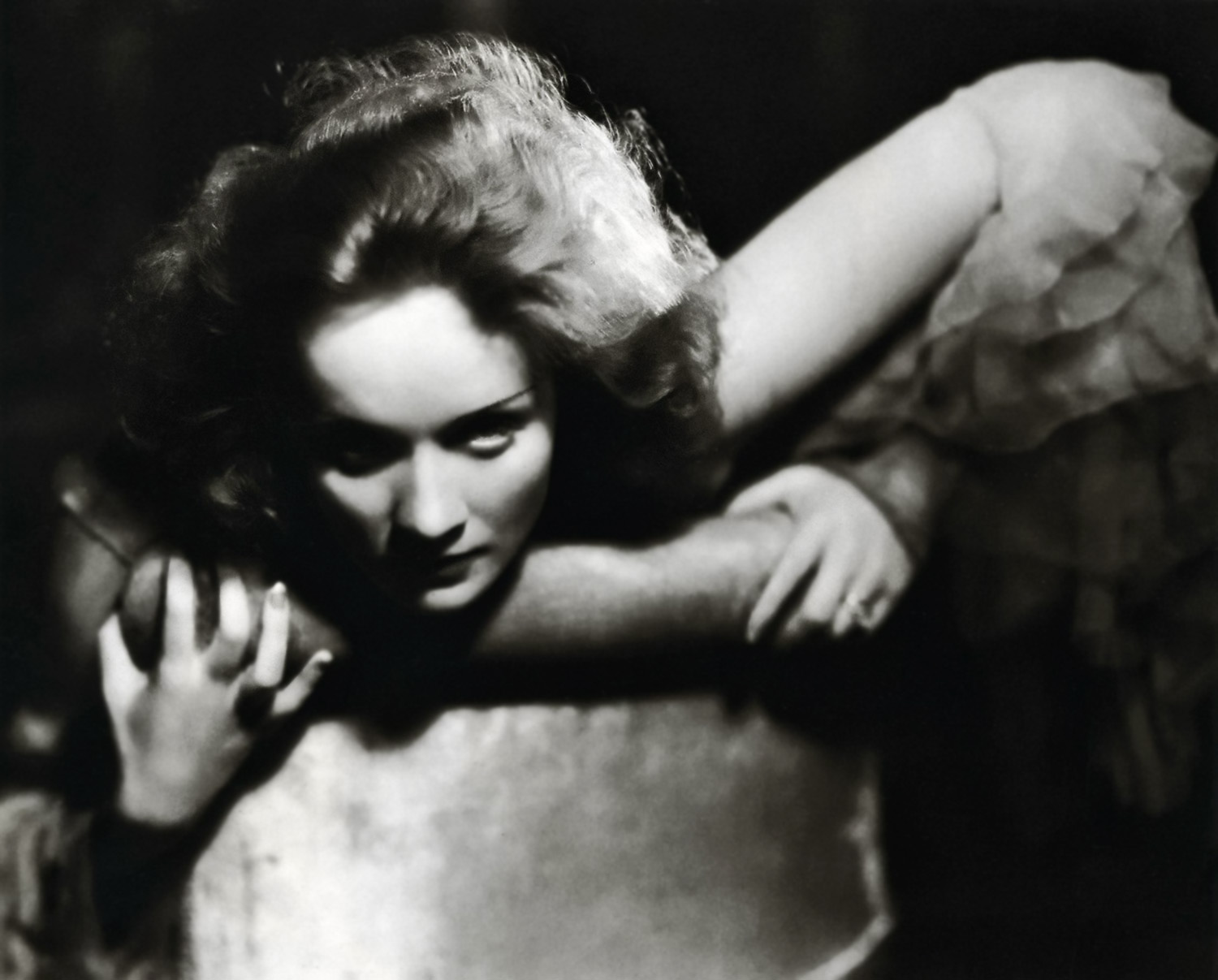
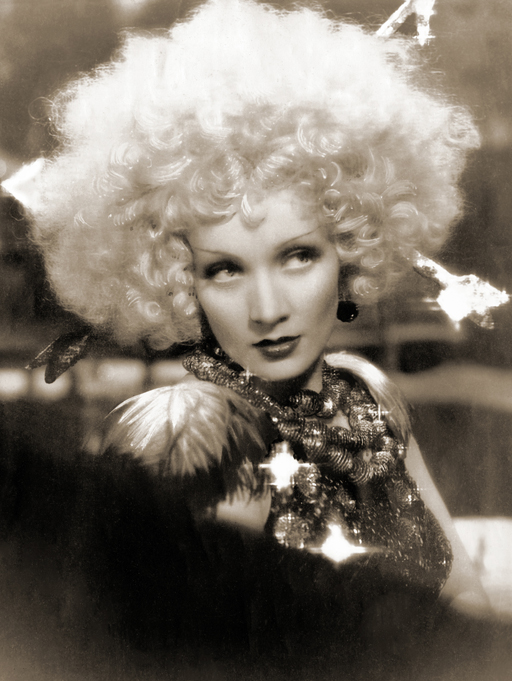
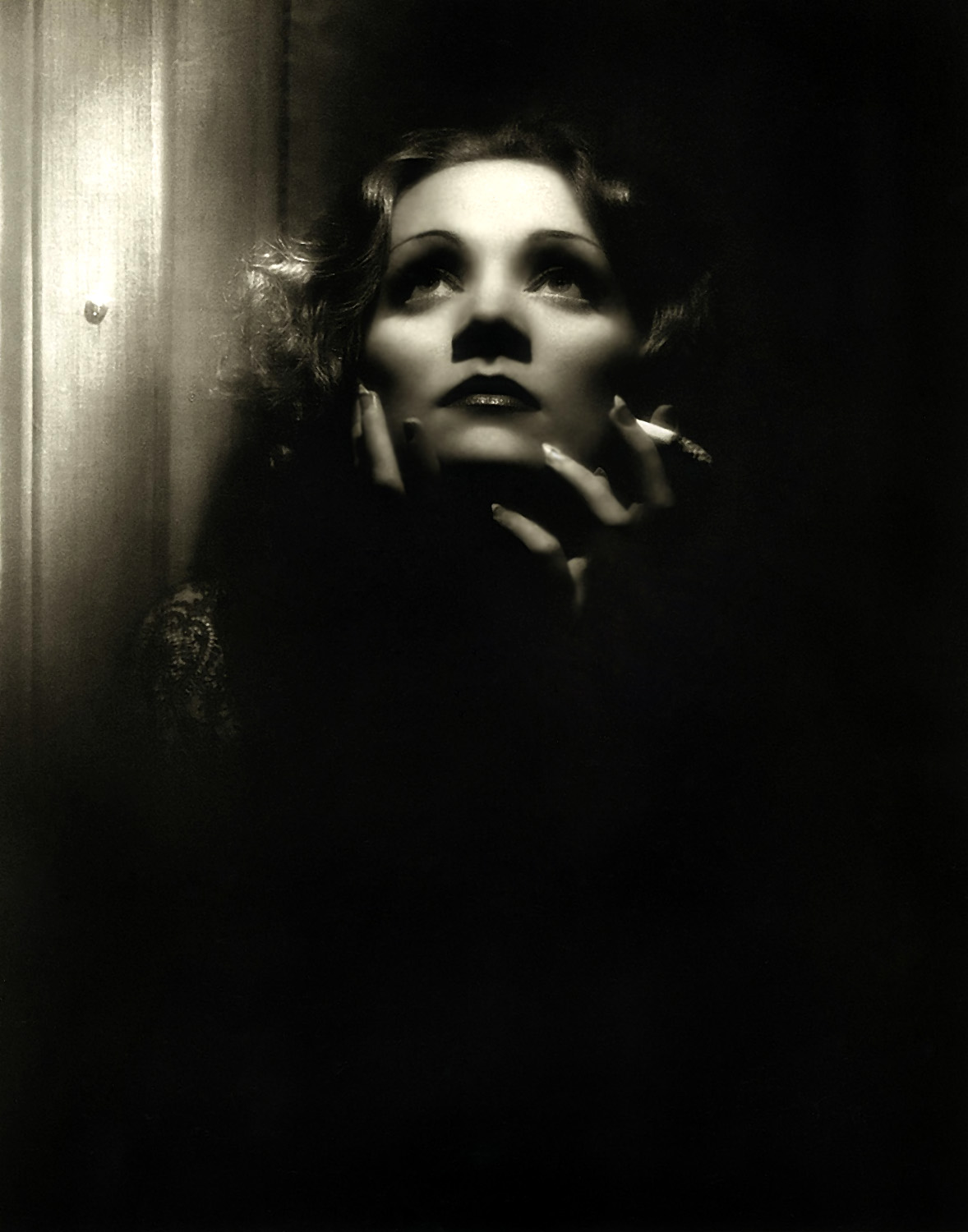
She was some kind of a woman and… some kind of semanticist. Josef von Sternberg may have crafted his own goddess in the form of leggy, sunken-cheek-boned and languid Marlene Dietrich, but Marlene took his tutelage and made herself…Marlene. With classic, otherworldly, baroque beauty (blonde beauty — which functions almost as its own cinematic genre) the Sternberg Dietrich duo created their iconic masterstrokes The Blue Angel, Dishonored, Shanghai Express, The Devil is a Woman, The Scarlet Empress and Blonde Venus. Though I love them all (all of them), Blonde Venus always stood out as the ultimate blonde-semble with Dietrich playing the full spectrum of dar superblondine.

7943435976_94a2f7885d

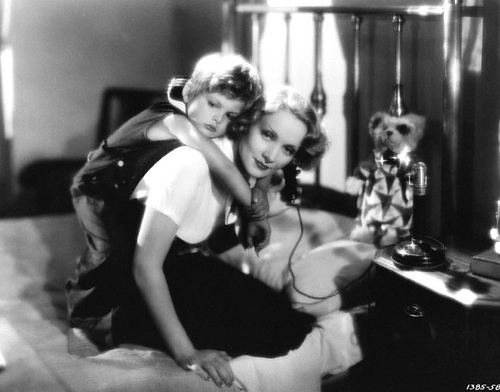
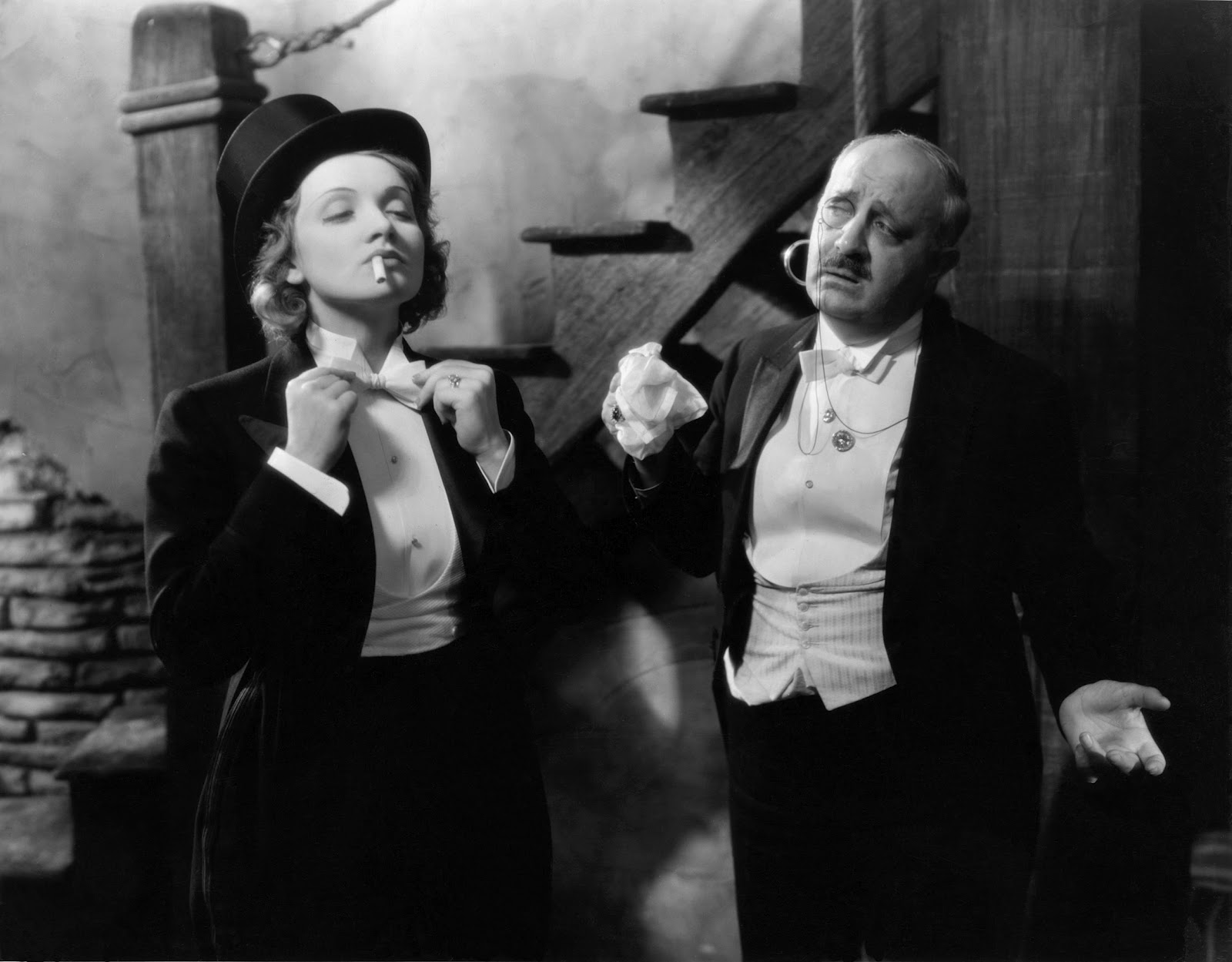
Here's the flaxen facts: She's an ex-German café singer who marries a good-hearted Englishman. She's a happy hausfrau and adoring mother. And then she's a cabaret star and harlot (but of course!) who dances in a gorilla suit and becomes incredibly famous. You know, the whole blonde journey. The picture features two iconic blonde numbers with Miss Marlene in her famed white tux, tails and top hat and, quite unforgettably in a gorilla suit. In one of the movie's most gorgeously surreal moments, Marlene removes her gorilla head to reveal her blonde-haloed face, grabs a handy golden Afro wig, places it on her head and sings "Hot Voodoo." Describing this moment requires two words you don't often see together, but should: blonde genius

Blonde-Venus-blonde-venus5

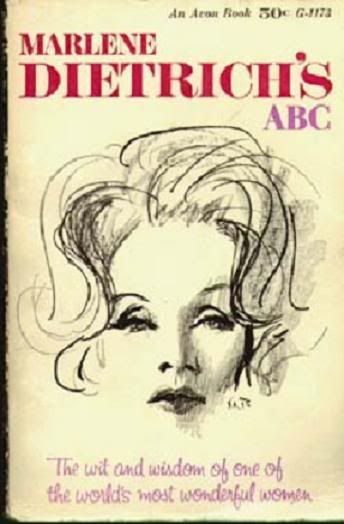
After again watching Maximillian Schell's fascinating, unforgettable documentary, Marlene in which the term "kitsch" is uttered unlike no other being on earth (and cross yourself when you speak of Orson Welles), I have been in the midst of a kind of Marlene mania, which usually consists of me re-watching everything Dietrich (from Desire to Destry, Rancho to Evil), breaking out her numerous albums (I love how she announces "Burt Back-RACK!"), and reading the uber Blonde's own personal dictionary entitled Marlene Dietrich's ABC. This is a keeper. I came across the "wit and wisdom of one of the world's most wonderful women" (say that like Marlene) while working at a book store so many years back and it's become a bible. Originally published in 1961, the reference book (and it really is a reference book) contains random, but important words or terms met with Marlene's own special, specific definition.

And it's all great stuff. You're not going to find the meaning of say, impugnable or dislogistic but you will find Suave: "I can get along very well without the use of this word." You'll also flip through to find Morocco: "Looks better in films"; Credit System: "The American Tragedy"; Hardware Store: "I'd rather go to the hardware store than the opera. And I like the opera"; Medical Ethics: "They make me sick"; Pouting: "I hate it, but men fall for it so go on and pout" and Necking: "a dirty pastime." (Oh Marlene, surely you mean good fun dirty?)
 
Annex - Dietrich, Marlene (Morocco)_04
But within her specific list is this oh-so-true statement regarding my own personal junkie paradise, the vanishing Stationery Stores: "People who adore stationery stores are like dope addicts about paper clips, paper clamps, felt tip pens…paper…thick stiff, hard, soft, rough, large like canvas, surfaces like linen or pigskin… I remember buying the most beautiful pale blue legal paper, which almost felt like silken blotting paper…I look at it every once in a while and it sends me." Oh, Marlene. You're actually making feel a tingle here…. a little hot. How she makes me long for carbon paper, manila envelopes and accordion files. Proof positive of her simultaneously mysterious and down-to-earth erotic potency, Marlene manages to make felt tip pens sound sexy.
 
Annex - Dietrich, Marlene (Shanghai Express)_03
This delectable concordance has been long out of print but look for it. Forget so many insulting, platitude abusing self help tomes pandering to weak women and men and simply turn to Miss Marlene –  her movies, her records, her dictionary. You never know when you might need to quote, say, Dietrich's take on soda pop: "The gooey, bubbly sea drowning our American children." The charming, alarming blonde woman…she's still correct about that.