Totally, Tenderly, Tragically: By the Sea

6a00d83451cb7469e201b7c7f05f9b970b-800wi
By the Sea
Angelina Jolie doesn’t care if you like her. But it’s not out of snobbery, some kind of looking down on the little people; she’s too focused, too mysterious, too fascinatingly complicated for that. It’s from a yearning to express herself, to say something about her experience, about being a movie star, about marriage, about women, about the oddity that is she (or, us, by extension), and she does so by curious means: long silences, monosyllabic responses, beautifully held frames of a life so glamorous it hurts. And it does hurt — her body beautifully in repose, a beguiling mixture of painfully thin hunger and vulnerability and yet a powerful body, a center of strength that carries itself along the ocean, pushing forward this exquisite head and face, eyes and lips so full and wide it almost seems impossible. Bardot was this beautiful, Vitti was this beautiful, Hayworth, Dietrich, Lamar, but none (though they held their own uniqueness, specific to their depth and character) were as aggressively "odd" as Angelina. Her beauty is sometimes so extreme it becomes peculiar, and she acknowledges her oddity with gorgeous, pained, perplexing expressions. Unafraid of being weird, at times even creepy, she’s the bizarre, beautiful woman next door (or, rather, next door at the French seaside villa), an exquisite, wonderfully weird woman who could transform into Catherine Deneuve’s mad Carol Repulsion — possibly. Or not. She doesn’t, not that far, but at times the movie flirts with the idea that Angelina is dangerous. To whom, we’re not sure. Herself? Innocent bystanders? Well, yes. Of course she is. And by being so strangely powerful, so in touch with her own mixture of destruction and fragility, we begin to admire her. Some of us (myself, anyway) even like her, we like her very much. And I loved By the Sea. I loved it totally, tenderly, tragically
6a00d83451cb7469e201bb08947c91970d-800wi

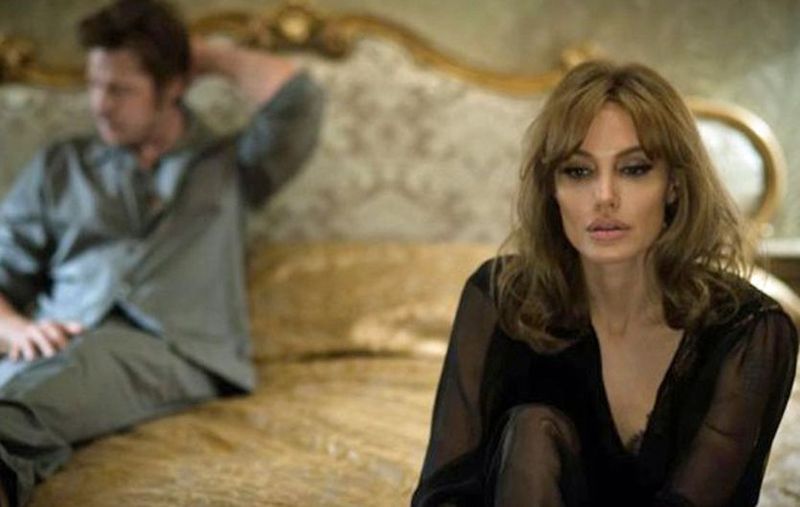
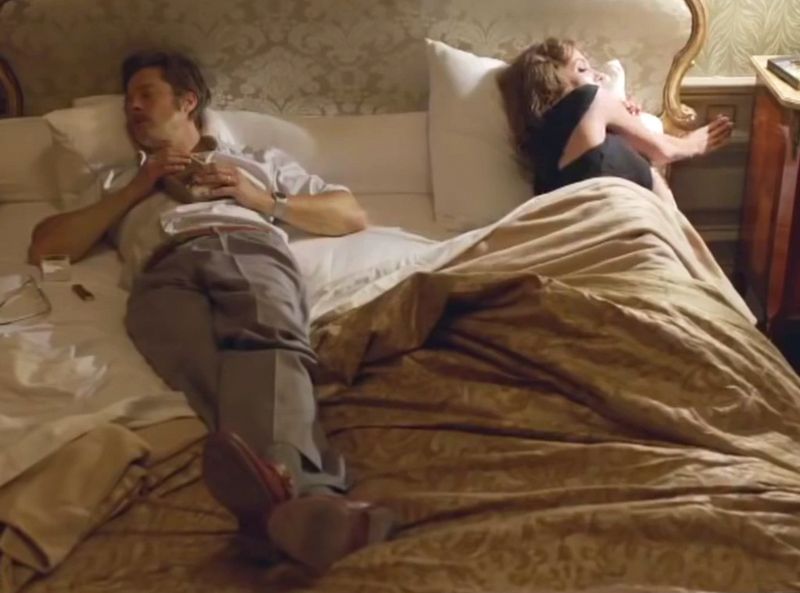
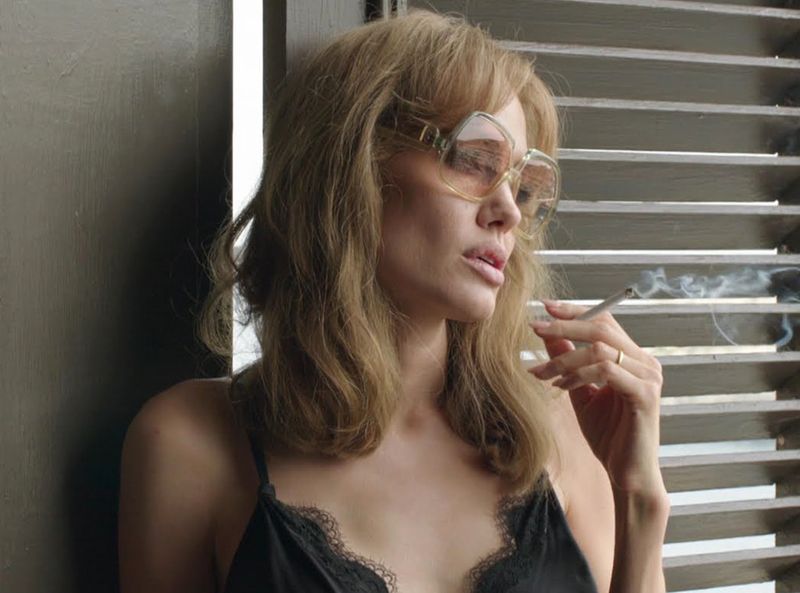
I should say that Angelina plays Vanessa, a former dancer ("I got old," she says) who is by the sea with her novelist husband, Roland Bertrand, played by her real-life husband Brad Pitt. But her playing Vanessa and Pitt playing Roland is a concoction of pointed real life, swoony fantasy and clear nostalgia. It takes place in the 70s, back when people used words like “barren” and tapped on red typewriters. Vanessa revels in her sadness and glamour, lounging all day in gorgeous satin nightwear in their stunningly golden French Mediterranean hotel room, donning a pair of YSL sunglasses that are always adjusted at the right angle when removed (routine? An obsessive adjustment by Roland when he can't adjust his wife? Should he?), pills endlessly popped and easier to obtain. And here’s an intriguing detail: Jolie’s mother’s father's name was Roland Bertrand.

6a00d83451cb7469e201b8d17a1cf3970c-800wi

In real life Angelina Jolie misses her mother just as the sweet French innkeeper, Michel (Niels Arestrup) who pours Roland’s drinks, misses his wife. Jolie-Pitt (who wrote and directed the hauntingly melancholic, almost painfully beautiful By The Sea, lest anyone has forgotten) wants people to know that one never gets over that loss. The loss of a wife, of a mother, of a good woman. And, yet, interestingly, Angelina doesn’t play her Vanessa as a “good woman” even if Roland, at the start, tells her she’s a good woman. By the end Vanessa even asks if she’s a bad person. Roland answers, "sometimes." What a refreshing response to hear in a movie —  no one is that simple, no one is that likable, and in the process of showing a woman in distress, a woman who manipulates and hurts, but one who is hurting herself most — she turns the “crazy wife” narrative into something forgivable and human.
By_the_sea_still

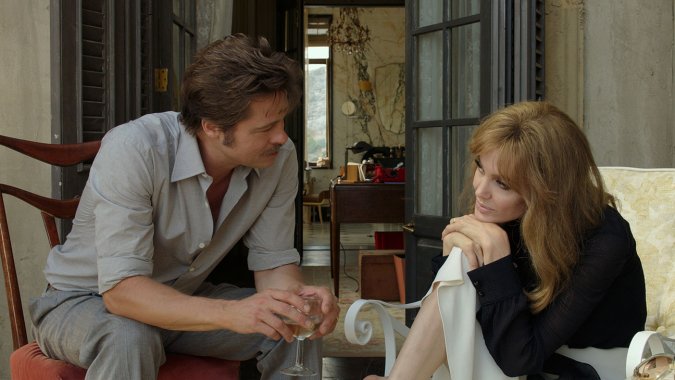
How Jolie does this through all of this insane glamour and out-of-reach beauty is testament to her power as a filmmaker. She knows how to shoot herself and her husband, she knows what we want to look at (them, the beautiful furnishings, the clothes, the cars, the ocean, the French touches) and she knows how a languid moment and patiently-held shot can make a viewer imbue a scene with their own feelings and thoughts. The more you look at Vanessa, and her unhappy marriage with Roland, the more your mind wanders toward wondering many things, even things about your own life. In pacing, style and much of the look, Jolie appears to have studied Antonioni, Godard (Contempt, especially) and Wertmüller with By the Sea. There’s even a touch of Polanski’s Bitter Moon in here. With cinematography by Christian Berger, DP for numerous Michael Haneke pictures, and a lush score by Gabriel Yared that, at times, spikes the movie with menace (perfect for Jolie) and the music by the likes of Jacques Dutronc and Serge Gainsbourg, the picture places these American movie stars in a decidedly European art-house milieu. But to Jolie’s credit, it’s not mimicking; this is a movie all her own. Truly, you’ve never seen anything like this.

6a00d83451cb7469e201b7c7f06079970b-800wi

And looking is key to By the Sea. The movie rolls along: Vanessa and Roland barely speaking to one another, Vanessa staying in all day in a haze of Benzos and narcotics, Roland off to the bar to write, and never writing, Vanessa sitting on the bed crying, alone, Roland bemoaning the life of a now failed writer, with a drink, Vanessa laboring to talk to the newlyweds next door who fuck all day, Roland bonding with Michel and never fucking his wife, Vanessa walking by the water in her white skirt and enormous hat, Roland trying to touch his wife, Vanessa rejecting him… what is going on with these two? What is their sad secret? We’ll find out through more looking, but, chiefly, when they are looking.
6a00d83451cb7469e201bb08947d5f970d-800wi

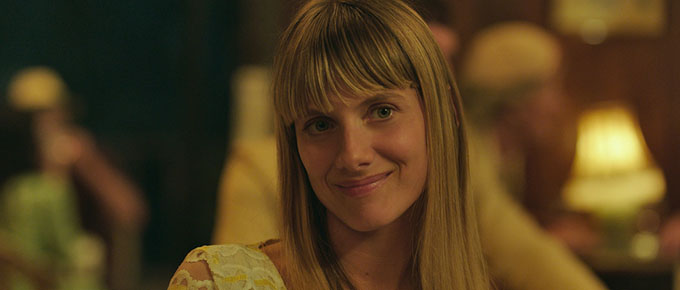
Vanessa discovers a peephole in their hotel room and begins spying on the young couple (Mélanie Laurent and Melvil Poupaud) next door, freshly married, freshly in love, sweet, but, if anyone has been married or in a union for long enough, exhausting. Even annoying. Vanessa and Roland don’t seem to like them very much. Once Roland takes up looking with her, a kinky pursuit that turns them on, it’s easy to load their voyeurism with meaning: Jolie and Pitt are turning the tables on the public constantly staring at them. And then, to take it further, Jolie and Pitt want you to know that they might be beautiful but they aren’t perfect; they don’t get it on like the newlyweds next door, not anymore, not like they used to. Or maybe they just want you to wonder about it. Or not. Jolie writes and directs from both an intensely personal standpoint, and mystery – which is a large part of her own public persona. She is outspoken about causes and real issues personal to her, to her body, she doesn’t shield her children from the world, and yet, she maintains an enigma that we’ll never truly know her. That balancing act is her own brilliance and it’s fascinating to see her utilize it through her own direction making By the Sea her best film as a director.

6a00d83451cb7469e201bb08947d71970d-800wi

But back to looking… Jolie directs by their looking and how they look. Vanessa and Roland look as, presumably, Angelina and Brad, mixing their real life, their movie star personas and their characters into this prying little kick. A life seen through a hole, a portal into another relationship, one at its most idyllic state, and one vulnerable to ruin from those who continue gawking. And, as they look, they do so with the knowledge of how we perceive them looking, their charisma ever-present while we look at them, looking. It’s a clever twist and an unexpected detail that takes the picture to another level.
6a00d83451cb7469e201bb08947d87970d-800wi

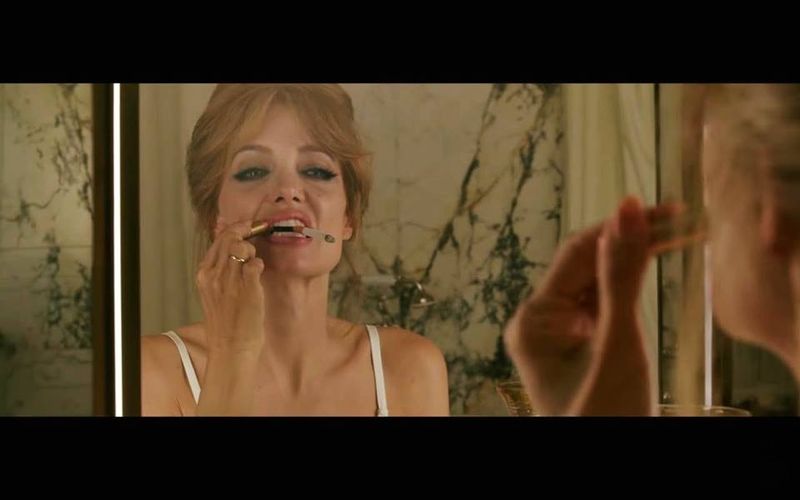
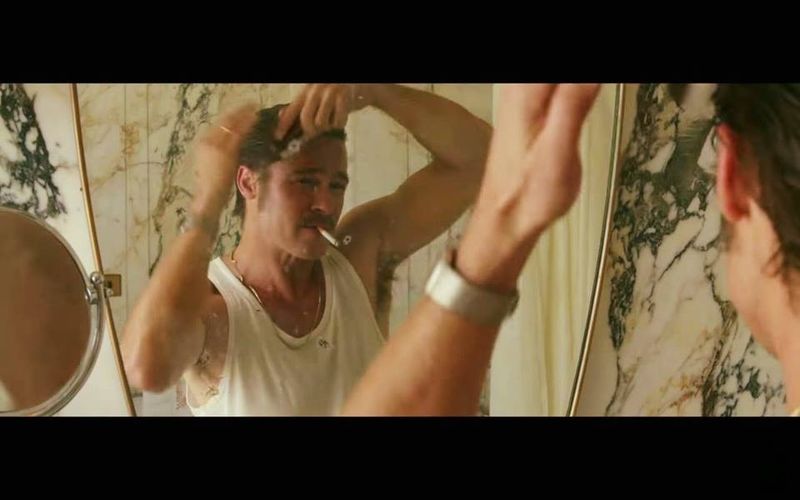
And this is where Angelina is sly and even funny, for as dead serious as some think this movie is, Jolie also knows when the picture turns humorous. She jumps on the moment, almost anticipating the audiences breaking into a chuckle after a languorous sequence of near silence. Once Vanessa and Roland invite the couple out for drinks, with the intent of inebriation and more peeping, the picture treats us with shots of the two beauties preparing: Pitt brushing his hair, Angelina applying her lipstick, lit ciggie dangling out of her mouth, sweeping her hair into a perfect updo.
6a00d83451cb7469e201bb08947da2970d-800wi

It’s swiftly edited to amuse us, and it does. They are dressed for battle, to pursue their perverse pleasure, and marching together hand-in-hand, we finally feel how together they are. And it’s funny. It’s funny in a few other moments too: Pitt stumbling on Jolie on the floor, looking guilty, pretending not to peep. It’s funny watching the two sitting side by side, eating dinner, laughing to themselves, the peephole between them. But then, that peephole is also opening up their own lives for examination, and the more they invade the couple’s privacy, the more we are privy to their personal pain, the sadness that lies underneath their marriage.
Bythesea

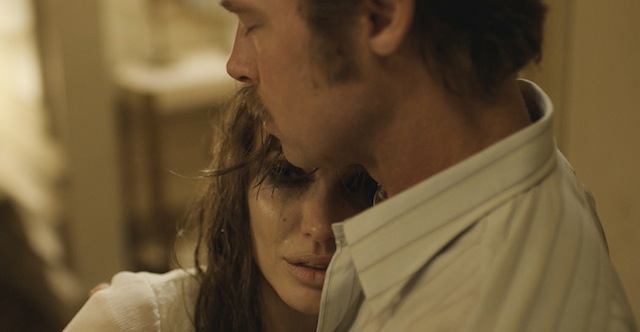
What’s fascinating is how Jolie addresses Vanessa handling her sadness. She doesn’t do it by simply breaking down with a speech (though that does happen, in some way, through a dramatic declaration Roland nearly slaps out of her; you wonder about how nice, long-suffering Roland is during that moment) it happens by committing an act that, in many movies, would be deemed unforgivable, the work of a femme fatale, a terrible woman. But when Vanessa moves to the side of destroyer, you feel yourself pained for her. I won’t reveal what she does, but it’s akin to Kirsten Dunst in Lars von Trier’s Melancholia, fornicating with a guest on her wedding day (not to say Vanessa does the same). But the “betrayal” feels less simplistic, it feels of desperation, even a bit spaced-out, a-sexual, clinical, something to invite a release (in this case, it’s the release of Roland’s anger and making her face her anguish). Because Jolie loads up the moment with sorrow and dysfunction, there’s too much more going on here to simply demonize the woman. On screen, that feels almost radical; the act of being understanding a complicated woman. 
6a00d83451cb7469e201b8d17a1df1970c-800wi

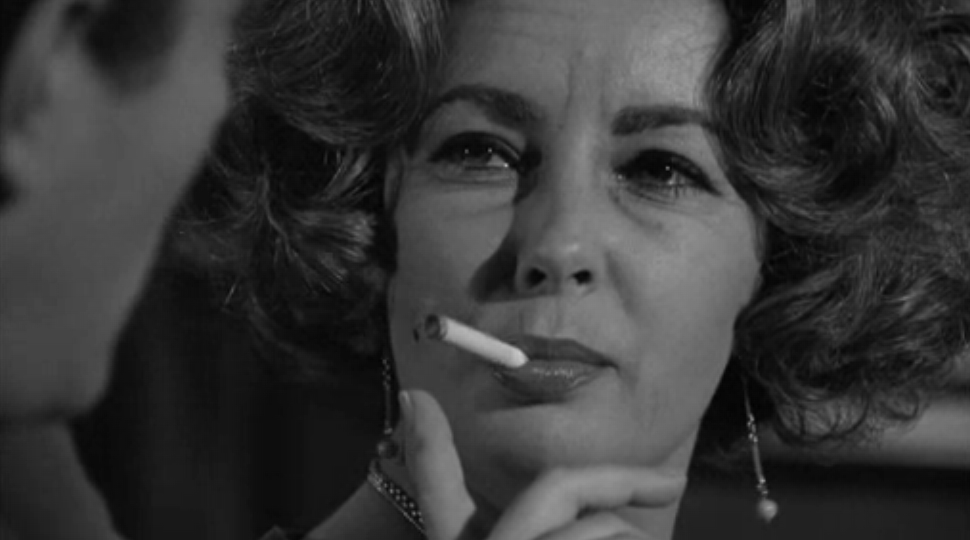
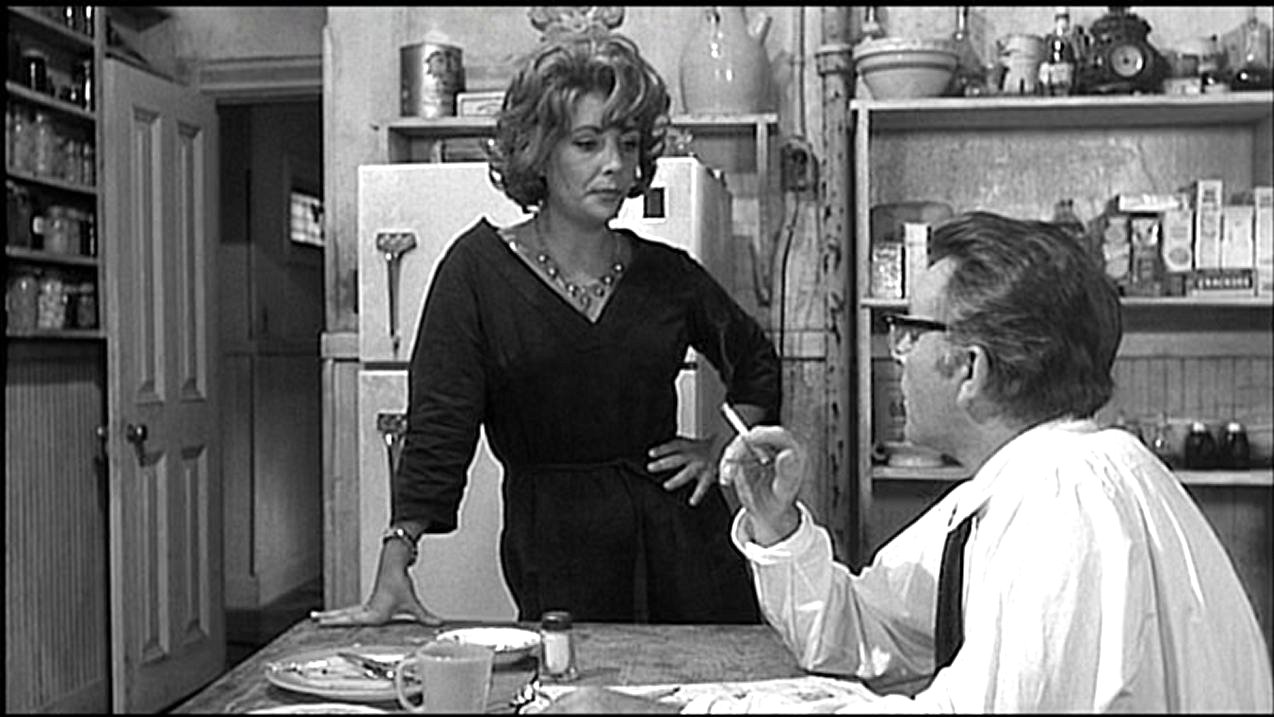
A bit like Martha in Who’s Afraid of Virginia Woolf? (and there’s been no shortage of comparing this movie to Elizabeth Taylor and Richard Burton and their on-screen pairings, as I did immediately upon seeing the picture’s trailer, from Woolf, to The V.I.P.s to Boom!) Vanessa is the quieter, less braying and more beautiful Martha, the childless wife who considers herself a lousy partner. But who wants to just be a wife? The verbal dexterity of Martha reveals a highly intelligent mind and wit; simply watching Jolie lounge and pose on the terrace reveals a dancer who was surely brilliant, her bitterness also belies a sharp intellect, even how disgusted she is by bad literature. She wants more out of life, she at one time, had more out of life, and now in exasperation, she lies around, beautiful and stoned. Her sweeter counterpoint (Mélanie Laurent, like Sandy Dennis in Woolf) should be careful lest she be chewed up and spit out. But, to be fair, Vanessa chews away at herself, worse than anyone.

Angelina-jolie-brad-pitt-by-the-sea

Its exciting watching Jolie tear into it here, albeit with an abstruse, effectively strung-out touch. It harkened back to vintage Jolie, the unafraid-of-being-unlikable, crazy, brilliant and frequently funny Lisa of Girl Interrupted, though a Lisa subdued by the Seconal Vanessa pulls out of her Louis Vuitton toiletry bag. Vanessa even wears the lighter-haired wig like Lisa and smokes with the style of both a goddamn movie star and a patient demanding her smokes – the female Randle P. McMurphy skulking around the all-girl cuckoo's nest.

That dangerous charm of a Lisa ("take one fucking step closer and I'll jam this in my aorta") is still there, and all of that feral intensity and wit, just tamped down and mature. This is Jolie’s Cuckoo’s Nest Nicholson drifting into The Passenger and it’s exciting to watch, even at a valium-addled pace. What actress ever does that? What actress is ever allowed to do that? Angelina Jolie allows it, and she had to write and direct herself to do so. And if that’s considered a vanity project (as some critics have decried, some with a sexist tone to their dismissals) well, I want more of these so-called “vanity projects.”
6a00d83451cb7469e201b7c7f060f0970b-800wi

Given how little women are allowed to be complicated and interesting, fragile and strong, smart and fucked up and not always good people on film, this is a strange type of “vanity” Jolie is basking in. She’s a filmmaker, she’s a writer, she’s an actress, she’s going to make a film that is personal and a piece of herself. That’s not mere vanity, that’s expression and creation. And yet, of course there’s vanity. Most everyone possesses vanity; certainly almost all artists possess vanity. And, as By the Sea further proves, Angelina Jolie is an artist.

Something Wild & The Strange One


6a00d83451cb7469e201bb08910c5b970d-800wi
I was honored to present and discuss Something Wild (1961) on TCM in 2010 and both Something Wild and The Strange One (1957) with director Jack Garfein at the Telluride Film Festival in 2012 (read my piece here). If you haven’t seen these two powerful pictures, don’t miss them tonight on TCM at 5 & 7 PST with, and this is exciting, Jack there to present.

6a00d83451cb7469e201bb08910c66970d-800wi

Again, don’t miss the films and don’t miss Jack discussing his incredible work – he is a fascinating artist and man.

6a00d83451cb7469e201b8d176b309970c-800wi

She’s Discontent: The Femme Fatale


6a00d83451cb7469e201bb088b43ee970d-800wi
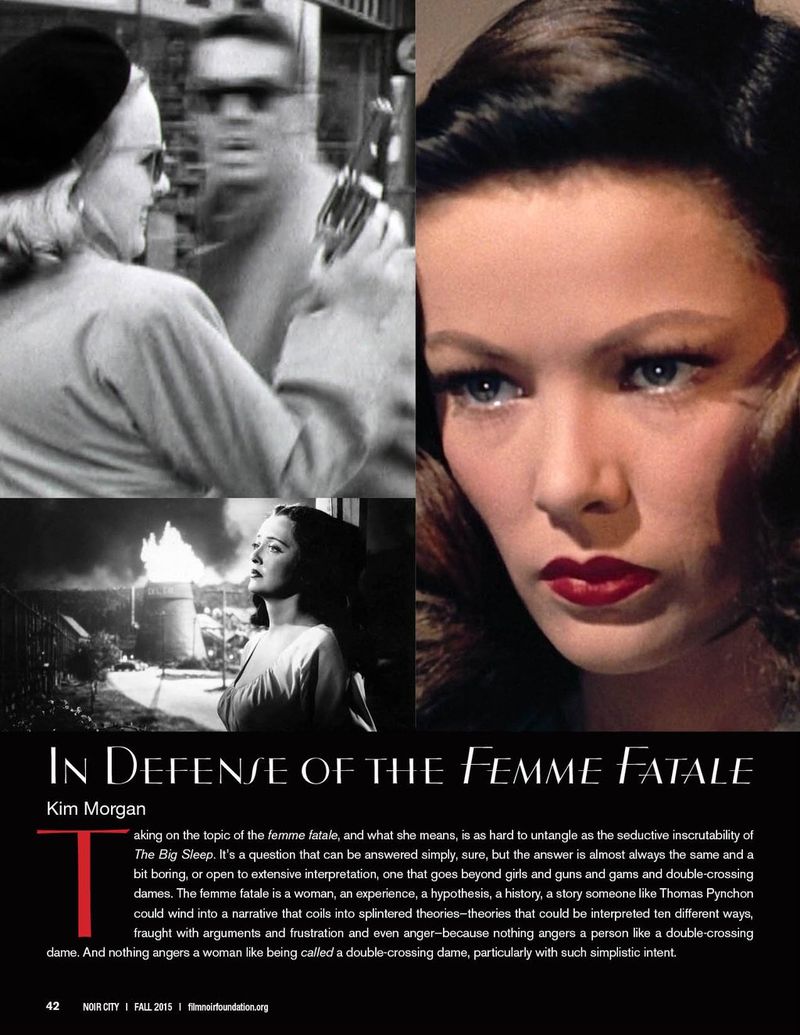
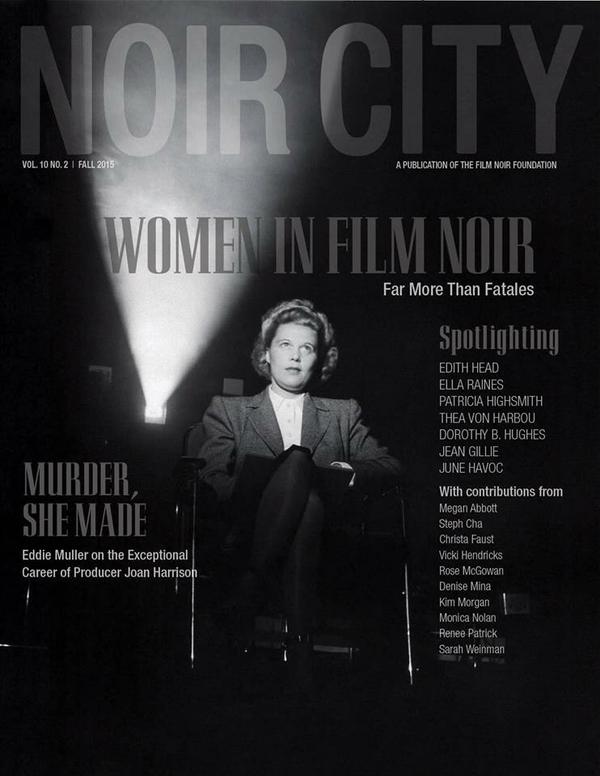
I wrote a defense of femme fatales in the the Fall 2015 issue of the Film Noir Foundation's magazine, Noir City and it's now available, with contributors Meagan Abbott, Ben Terrall, Krista Faust, Renee Patrick, Rose McGowan and more inside. Make a donation and read it all here. Here's an excerpt from my much longer piece.

Taking on the topic of the femme fatale, and what she means, is as hard to untangle as the seductive inscrutability of The Big Sleep. It’s a question that can be answered simply, sure, but the answer is almost always the same and a bit boring, or open to extensive interpretation, one that goes beyond girls and guns and gams and double-crossing dames. The femme fatale is a woman, an experience, a hypothesis, a history, a story someone like Thomas Pynchon could wind into a narrative that coils into splintered theories—theories that could be interpreted ten different ways, fraught with arguments and frustration and even anger. Because nothing angers a person like a double-crossing dame. And nothing angers a woman like being called a double-crossing dame, particularly with such simplistic intent.

6a00d83451cb7469e201bb088c4a61970d-800wi

But, to be simplistic about it, maybe—as Martha explained to husband George while trying to decipher the name of that goddamn Bette Davis picture in Who’s Afraid of Virginia Woolf—maybe that double-crossing dame is just … “Discontent.”

Discontent.

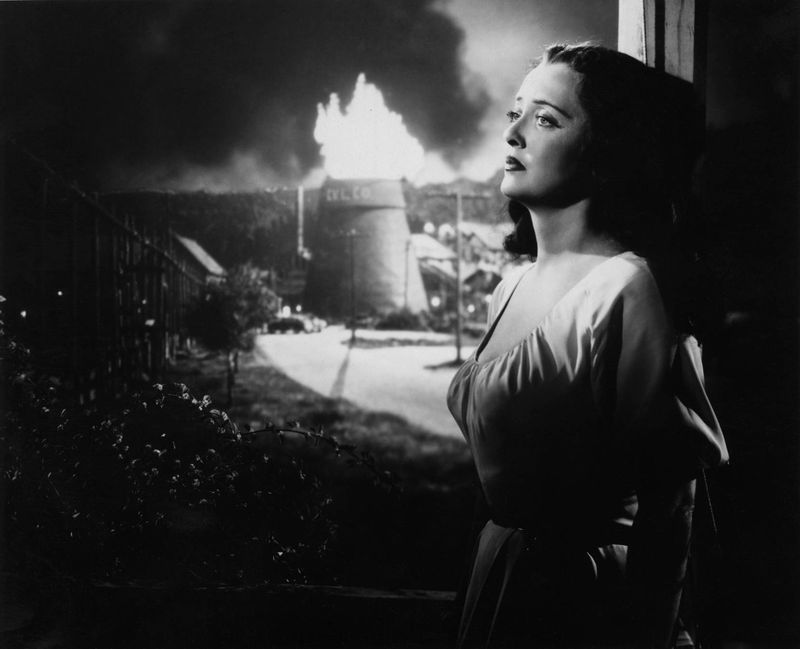
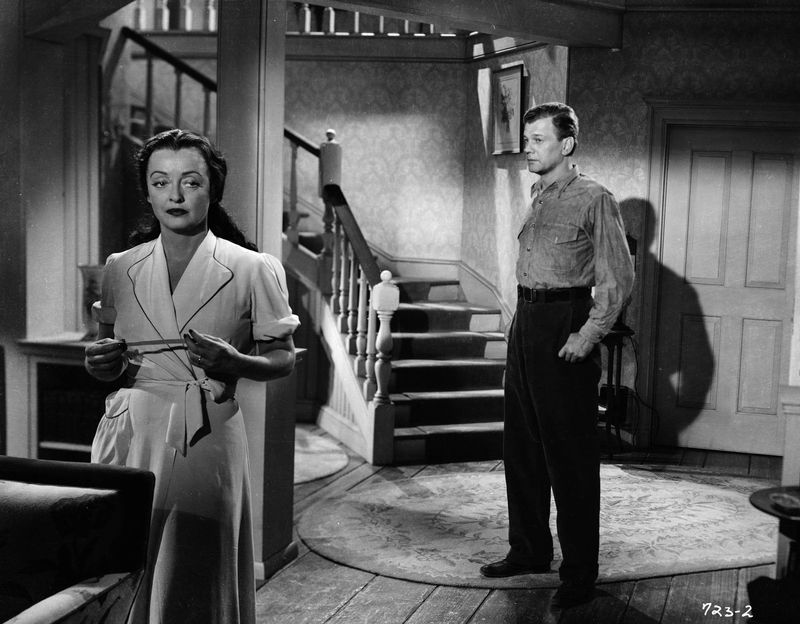
They never do figure out the title of the picture; it’s King Vidor’s noir-stained melodrama Beyond the Forest (1949) and Martha surely understands Bette’s dilemma as a vulgar, loudmouthed, but strangely sympathetic seductress with her “what a dump” attitude. Martha discusses the movie and Bette’s marriage to a modest small town doctor (Joseph Cotten) in a scene that unravels with delicious simplicity, yet deeply embedded complexity.

Woolf 4 Kept Your Body

It explains the idea, and answers the question of what is a femme fatale with both hilarity and a resigned crystalline clarity. Is it really that simple, Martha? No. But let’s indulge her for a moment as Martha deconstructs Bette Davis’s two-timing housewife, the porcupine-handyman-killing Rosa Moline, for her husband George, who’s clever and hyper intelligent but nevertheless the “bog” of the history department. To me, this exchange is one of most perfect distillations of the femme fatale (delivered by a woman who tells her husband, “You can’t afford to waste good liquor, not on your salary!”).

So, again, pardon my indulgence – I'm going to print the entire brilliant exchange here:

Martha: ‘What a dump.’ Hey, what’s that from? ‘What a dump!’    

George: How would I know?    

Martha: Oh, come on, what’s it from? You know! What’s it from, for Christ’s sake? What’s what from? I just told you. I just did it. ‘What a dump!’  Huh? What’s that from?    

George: I haven’t the faintest idea.    

Martha: Dumbbell! It’s from some Bette Davis picture… some goddamn Warner Brothers epic.    

George: Martha, I can’t remember all the films that came out of Warner Brothers.    

Martha: Nobody's asking you to remember every Warner Brothers epic. Just one single little epic. That’s all. Bette Davis gets peritonitis at the end. And she wears a fright wig throughout the picture.  She’s married to Joseph Cotten or something. Somebody. She wants to go to Chicago because she loves that actor with the scar. She gets sick… and sits down at her dressing table…    

George: What actor? What scar?    

Martha: I can’t remember his name! What’s the picture? I want to know the name of the picture. She gets peritonitis and decides to go to Chicago anyway.    

Virginia-woolf-1966

George: ‘Chicago!’ It’s called 'Chicago.’    

Martha: What is?    

George: I mean the picture. It's ‘Chicago.’    

Martha: Oh, good grief! Don’t you know anything? ‘Chicago' was a ‘30s musical starring little Miss Alice Faye. Don’t you know anything? This picture. Bette Davis comes home from a hard day at the grocery store…    

George: She works in a grocery store?    

Martha: She's a housewife. She buys things. She comes in with the groceries and she walks into the modest living room of the modest cottage modest Joseph Cotten set her up in.    

George: Are they married?    

Martha: Yes, they’re married. To each other. Cluck. And she comes in and she looks around this room and she sets down her groceries. And she says… ‘What a dump! (Pause) She’s discontent. [1]

She’s “discontent.” Not evil. Not a dastardly double-crosser. Not greedy. Not a bitch. Not a conniver. Discontent

6a00d83451cb7469e201b7c7e70061970b-800wi

In her own simple fashion, Martha describes what many femme fatales are struggling with in film noir—this idea that the world is not theirs for the taking, but why shouldn’t it be? Why must they be trapped in the expectations of the bonds of matrimony, why can’t they live their life as a man can? Why must they be one of the … normals? One idea consistent with the femme fatale is that these are not normal women. To me, that’s a beautiful, empowering thing. But, alas, they are punished for it. Or they punish others for knowing they’ll be punished. Or they punish themselves. More than likely they do, or try to, take everyone down with them.

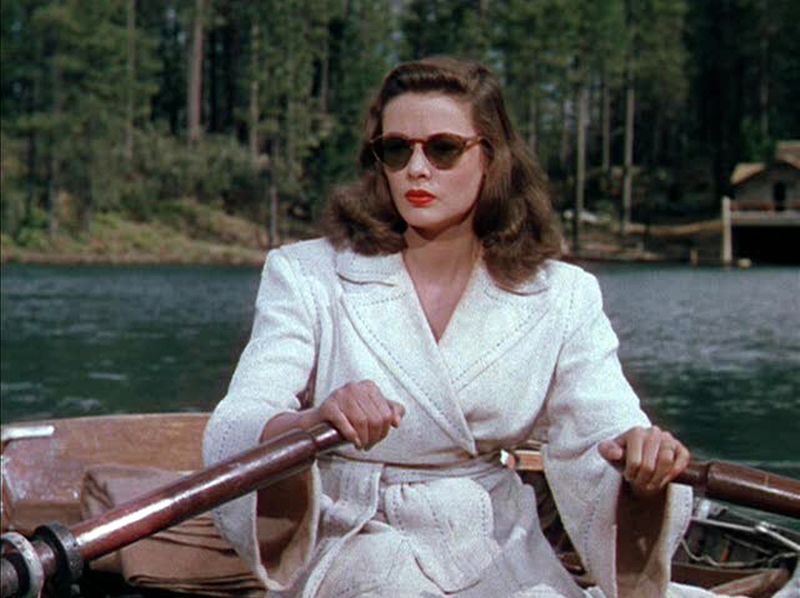
A glorious example of the frustrated woman living among the normal is Gene Tierney in Leave Her To Heaven (1945). I’ve referenced this movie countless times, and I'll repeat a few thoughts here, always with a sympathetic bent towards Tierney’s diabolical but in many ways sad character, Ellen Berent. Yes, I feel a little sorry for Ellen.  Was she misunderstood and, so, murderously frustrated? She was certainly discontent.

6a00d83451cb7469e201bb088ad5d4970d-800wi

She’s a woman trapped in an obsession, of course, an obsession with her father, but she’s also trapped within the un-permissiveness of the times. Permission for Ellen to do…what would Ellen do? Perhaps that’s the problem. This was a time when one was not allowed the strength of being… Ellen. I’m not sure when anyone is allowed to be Ellen, exactly, but she is certainly trapped by some force beyond mere psychopathology. Maybe being born so impeccable, so unfaltering, she even frightens herself? She’s not normal. And Ellen doesn’t want to be normal. Indeed, it’s impossible for her to be so. 

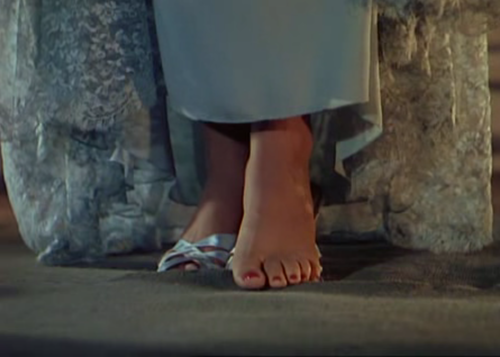
She tries. She yearns for marriage (to Cornel Wilde, though we’re never sure why. Perhaps because he’s normal) and a private honeymoon, but after that, it all goes wrong. She cannot stand Wild’s younger, disabled brother, who knocks on the wall after their sexy morning wake-up, and she takes the kid out on that famous swim in which she watches him drown. Well, as Walter Neff said, “that tears it.” No more normal family life after that. She does get pregnant, but changes her mind, and far too late in the game and with a solution that’s as dastardly as it disgustingly glamorous. Clad in beautiful light blue dressing gown, she throws herself down the stairs, removing one petite, perfectly matching light- blue satin slipper.

Bannerleaveherto

Here’s a question: Perhaps she should have remained single? I’ll defend Ellen a little because she, was, after all attempting normalcy (and I know she’s hard to defend), to fulfill a role society deems appropriate, but it’s her superiority, her looming genius that creates such problems. One could call her a narcissist, but that’s not what’s entirely what is going on. Consider that she never boasts so much as arrives—all she needs to do is walk into a room with those startlingly beautiful green eyes, flop on a couch and eat a sandwich with that perfect overbite. It’s not that she’s a mere mortal trapped in some super-human, celestial cage—she’s both sensitive and smart, maybe even a tortured genius. She may even suspect that her husband isn’t such a great writer after all (I bet you she’s got five better novels in her than he does). She knows men desire her, she’s yearned for as the ultimate trophy wife (gorgeous, smart, strong,), but in the end, what she learns is, what men really want is, yes: “The girl with the hoe.” As in, her sweeter, younger, more normal sister, played by Jeanne Crain. Ellen could never be that, swampy…

Read the entire piece in which I further discuss Gene Tierney in Leave Her to Heaven, Claire Trevor in Born to Kill, Peggy Cummins in Gun Crazy, Beverly Michaels in Wicked Woman and more. Go to the Film Noir Foundation's site and make a donation to access their magazine.

6a00d83451cb7469e201bb088ad8ce970d-800wi

[1] This excerpt is from the 1966 film version of Edward Albee’s play Who’s Afraid of Virginia Woolf, adapted for the screen by Ernest Lehman, directed by Mike Nichols, and performed, famously, by Elizabeth Taylor and Richard Burton.


Filmmaker Magazine: Todd Haynes & Carol

6a00d83451cb7469e201bb08890d45970d-800wi
The Fall 2015 issue of Filmmaker Magazine is out and the cover features my interview with director Todd Haynes. We discuss his newest picture, Carol, Patricia Highsmith, Karen Carpenter and more. Here's an excerpt from the interview. To read the rest, buy the newest issue of Filmmaker or subscribe to their premium content. 

“Persistently, I have the vision of a house in the country with the blond wife whom I love, with the children whom I adore, on the land and with the trees I adore. I know this will never be, yet will be partially that tantalizing measure (of a man) leads me on. My God and my beloved, it can never be! And yet I love, in flesh and bone and clothes in love, as all mankind.” – Patricia Highsmith

6a00d83451cb7469e201bb08889491970d-800wi
A key movie to first understanding Todd Haynes is his Karen Carpenter “biopic” cast entirely with Barbie dolls, Superstar. This 1987 short that, due to Karen’s brother, Richard, and music rights problems will never be released, seems to define not only Haynes’s subsequent cinema, but also how much he understands the ways in which popular culture, music and memories interweave with the struggles of being a woman, the struggles of sexuality and the struggles of controlling ourselves in a world that won’t really allow it. Superstar goes beyond Karen Carpenter, digging into our own memories and insecurities. For those who first heard of it and were curious (Barbie dolls?), the defining moment is when you realize how the movie isn’t a joke, a gimmick, or a load of Gen X irony; it’s thoughtful and disarmingly moving. Watching this Barbie doll — her face being shaved down onscreen, her plastic limbs growing smaller and smaller, her sad little voice fading off as her angry brother yells at her (“People gasp when you walk on stage!”) — you’re completely rapt. Haynes casts such a spell that you’re not even thinking about these characters as Barbie dolls; you think of them as human beings shoved into Barbie dolls as a sort of mask of supposed perfection. It’s such a brilliant way to tell the story you can’t imagine it being told in any other manner.

6a00d83451cb7469e201bb08889418970d-800wi

Haynes is a filmmaker who always reveals his intelligence. His study at Brown University, where he received a degree in art and semiotics, and his ever-curious brain, evolutions, experimentation and empathy are all apparent in movies like PoisonSafeVelvet GoldmineFar From HeavenI’m Not There and his TV mini-series, Mildred Pierce. And yet, there is nothing showy about this intelligence; it’s not overly academic, it doesn’t present itself blatantly or in inaccessible ways. There’s joy there, too, and exuberance — watching Cate Blanchett’s skinny Dylan running around a Fellini-esque Pennebaker landscape in I’m Not There is mysterious, telling and exhilarating.

Cate-Blanchett-008

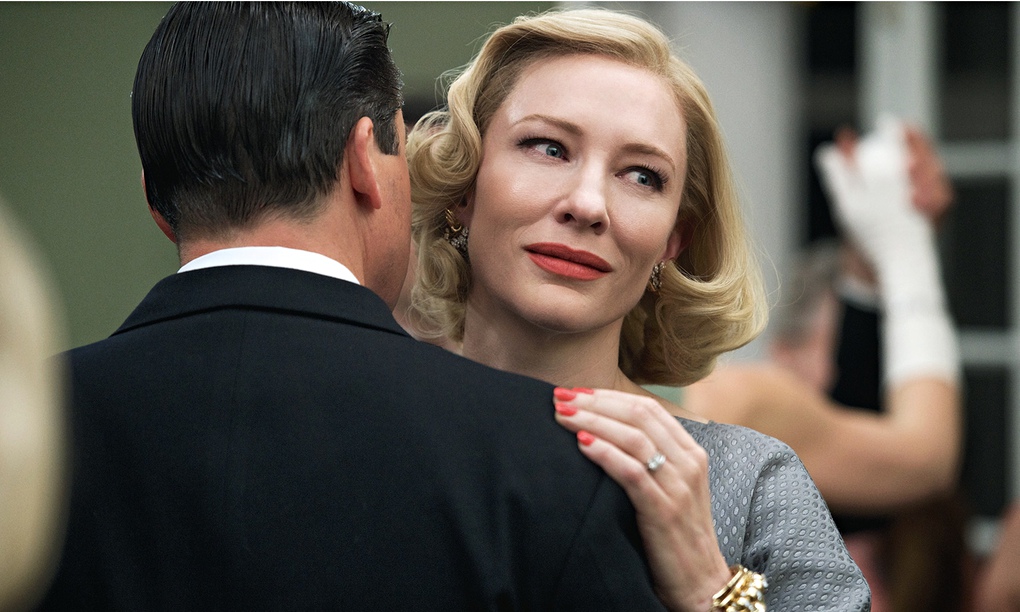
In his newest picture, Carol, Blanchett slinks into a department store wearing a creamy mink coat, all cool elegance like an early ’50s David Bowie, intimidatingly beautiful and furtive all at once. She’s a vision of near perfection but, like Karen Carpenter’s shaved face, she’s going to be unmasking the pain and fear she’s enduring through that thing that nearly always breaks us — falling in love. And falling in love with a woman.

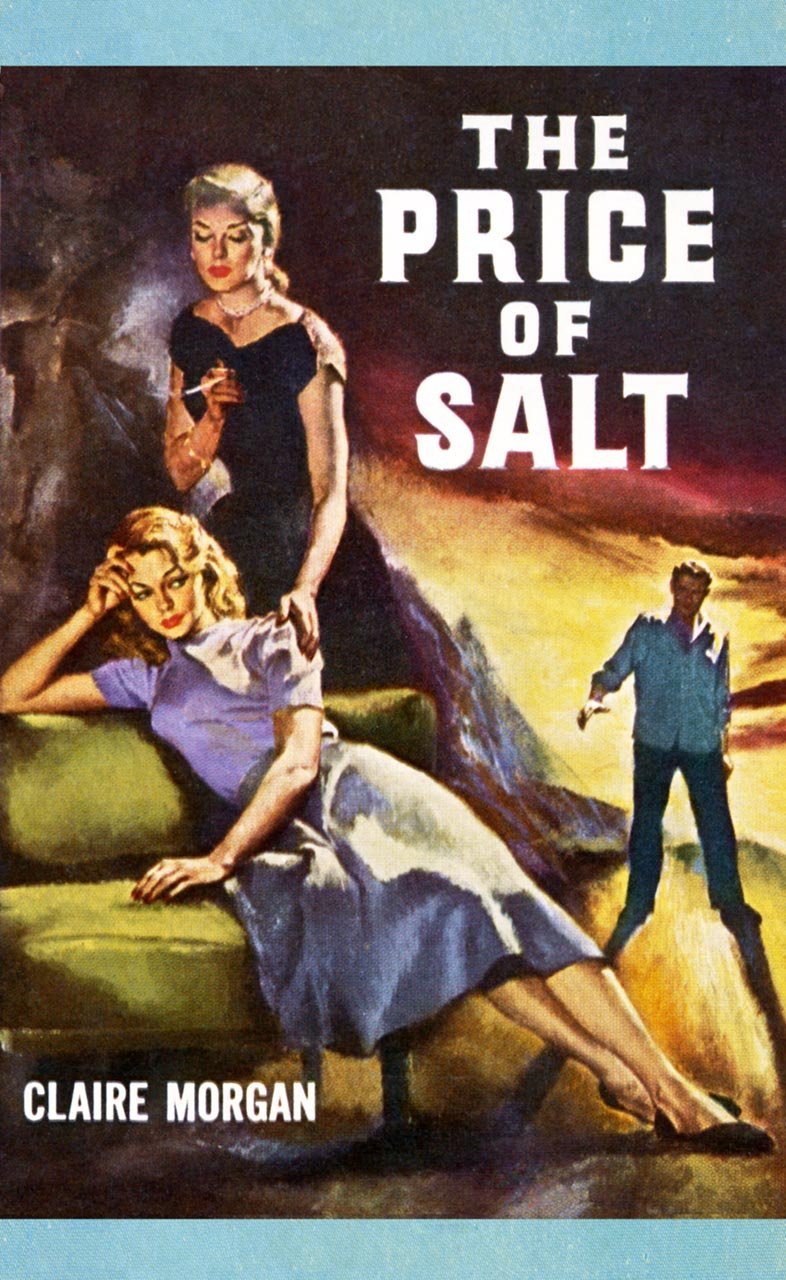
Adapted from Patricia Highsmith’s 1952 novel, The Price of Salt, the film tells the story of wealthy housewife, Carol, who falls for a younger shop girl and budding photographer, Therese (Rooney Mara), as Carol’s marriage is falling apart and she’s trying, trying to live her life, keep her own child and find happiness as a lesbian in such a restrictive society. She can’t be open about it, but Carol wants to experience young Therese, and by all rights she should be allowed to, since she’s getting a divorce. The two embark on a road trip, on which her husband Harge (Kyle Chandler) has her tailed and recorded, evidence to be used against her in a nasty divorce and custody dispute. It’s a road movie, a look at lesbianism in the ’50s and, in some ways, a thriller, but it’s also just a beautifully rendered love story, a subdued slow burn that’s universal to anyone falling in love, and one marked by exquisite period detail, gorgeous, shadowy cinematography by Edward Lachman and a stirring score by Carter Burwell. And the excellent actresses share a chemistry that is so deeply felt that, when they finally consummate their gradual, somewhat timid courtship, the passion is not just typical overwhelming movie passion, it’s layered with a sadness that perhaps… this won’t work out. But perhaps it will?

71orfzse-ql-_sl1280_

I talked to Todd Haynes to discuss not just Carol but the themes in all of his movies, how Patricia Highsmith works so well within his study of human behavior and how things aren’t worth doing unless you’re “afraid.”

Let’s start with a rather simple question: This is your second adaptation from a novel, and your first for a feature after your miniseries, Mildred Pierce, from James M. Cain. What drew you to the Patricia Highsmith novel, The Price of Salt? How did this start? 

This is probably the first film I’ve directed that I didn’t really initiate myself. It had a long history of trying to get financed and written before I came on board. A window opened up in my schedule, and I knew a lot of the key people who’d been involved with it for the last several years, namely Liz Karlsen, the producer. The costume designer Sandy Powell was attached, my dear friend who I’ve worked with twice before Carol. Cate [Blanchett] was attached. So I’d heard about it. And then, all of a sudden, I had a moment of availability, and Liz, who goes way back with [producer] Christine [Vachon], as do I with Liz, asked her, “Do you think Todd would be interested in this project?” They sent me Phyllis [Nagy’s] adaptation. At that point, I didn’t know the novel. I read it all — the script and the novel — in May of 2013. I have to say, that book floored me. I really found it to be one of the great accounts of first love. I think it took Highsmith’s acerbic, hard-bitten, unsentimental sensibility to bring all of the power of a criminal story to the panic and the uncertainty and the frailty of early love. But then, it [also was] entirely a story about the amorous experience. The whole thing was just too interesting. I couldn’t say no.

The history of the book is interesting, too. It was written under a pseudonym, Claire Morgan, and became a popular book. Also interesting is that, like your movie, you can read it as maybe having a happy ending, unlike a lot of the more salacious lesbian novels of the time. 

Absolutely. All true from everything I know about it. In the various Patricia Highsmith biographies, I read a little more about the [book’s] evolution. She didn’t always have this ending in mind, and there was a publisher or editor who encouraged her in this [happier] direction. And she didn’t write it under a pseudonym; she wrote it assuming that it might be her second novel published with Harper’s. But all of the mainstream publishing houses at the time were too scared by it, and her own professional advisors told her she should do it under a pseudonym. She was off to a very strong start as a novelist of the crime genre, and this might derail it. It did get published in her lifetime in the ’80s under her name, and, I think, the title Carol.

6a00d83451cb7469e201b8d16f0709970c-800wi

Did you find any parallels, when you researched Highsmith, with your own work? She writes a lot about identity, gender and sexuality, about psychological masks, hiding one’s own true self and how we create ourselves, via a character like Ripley. And I see that in I’m Not There or Velvet Goldmine or adapting your own body in Superstar. She also writes about the social constraints of trying to be yourself in a restrictive society, which you deal with in Far From Heaven.

144100846416539175177

I don’t know if I necessarily saw direct, personal affiliations with it, but when you say that, yeah, I think there are interesting lines of thinking to be developed there. I think no one could have brought [Highsmith’s work] to the cinema in a more compelling way than Hitchcock —  and this is not just true with Strangers on a Train, this is true for many of her novels — but I do love that strange sort of linking of the homoerotic and the criminal in her work. Almost always male homosexuals are the subjects of that kind of alliance, and I do find that to be really fascinating. It doesn’t paint this positivist portrait of homosexuality, at least among men. There’s an unmistakable sort of fixation on it, and a way in which covert desire has to be transformed into something else. The two themes are always running in parallel with each other and unspoken about — or almost nearly unspoken, because it’s so prevalent in the work. It bristles through the Ripley stories and, obviously, Strangers on a Train and many [others] I’ve read. That desire, that instinct to tell a story about desire always having to be disguised, a desire that at some level is antisocial — I think, in that way, even The Price of Salt has to be included in that taste or tradition of hers.

To read the rest of this interview, buy Filmmaker on newsstand or subscribe for premium content here.


Busting on Blu and Elliott Too


6a00d83451cb7469e201b7c7d1914d970b-800wi
Here's a nice write-up from Gary Tooze for the Kino Lorber release of Busting with a much-appreciated shout-out regarding my commentary with Elliott Gould:

"There are some good extras including a feature-length audio commentary by director Peter Hyams – which has some revealing moments – but I really enjoyed the 3/4 of an hour select scene audio commentary with Elliott Gould and film critic Kim Morgan. It's hard not to like Gould – great personality and I only wish it was longer." 

I wish too! Busting on Blu hits the streets tomorrow. Pick it up. It's a gritty '70s cop picture near-masterpiece. And, as Baretta Blake would say, "You can take that to the bank!"


October Sight & Sound: The Female Gaze

6a00d83451cb7469e201bb086e9c05970d-800wi
N
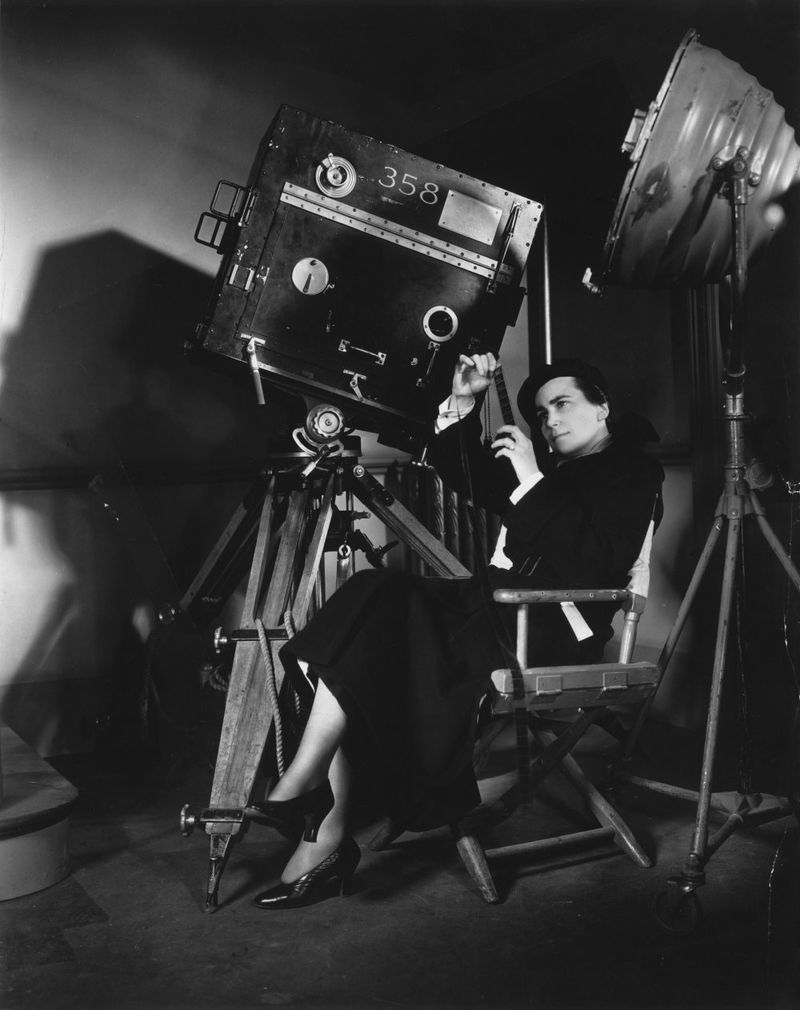
ew Sight & Sound! I was honored to contribute to this group and grouping of 100 films directed by women with so many esteemed writers, filmmakers, actors and artists. My short pieces include Merrily We Go to Hell (1932) by Dorothy Arzner, my favorite and I think, the best Arzner picture.  And Elaine May's Mikey and Nicky (1976) that though adored by some is still, to use the overused "u" words, underrated and underseen.

6a00d83451cb7469e201bb086e9c03970d-800wi

I also wrote a small online piece about the lost film, Human Wreckage (1923 — which will post online sometime next week) made by the intriguing, pioneering and early filmmaker, Dorothy Davenport (a.k.a. Mrs. Wallace Reid). Her real life, how it found its way wrapped up into her early pictures, and how she peddles education and exploitation — she's a fascinating woman — handling the inception of Hollywood as an actress, marriage to a huge movie star, contending with the first kind of rapacious tabloid gossip and then, drug addiction, via her husband. 

6a00d83451cb7469e201b7c7ca5448970b-800wi

Human Wreckage is a dope scare picture, released the same year her addicted-matinee idol husband Wallace Reid died, and in such tragic circumstances… and I really wish I could see it! Perhaps one day it will be found. A curious woman in film and in real life. Incidentally, you can read my piece on Wallace Reid here.

6a00d83451cb7469e201bb086e9c33970d-800wi
 Pick up a copy of the October edition now.


The Power of the Purse: Marnie

6a00d83451cb7469e2017ee91bb4dd970d-800wi

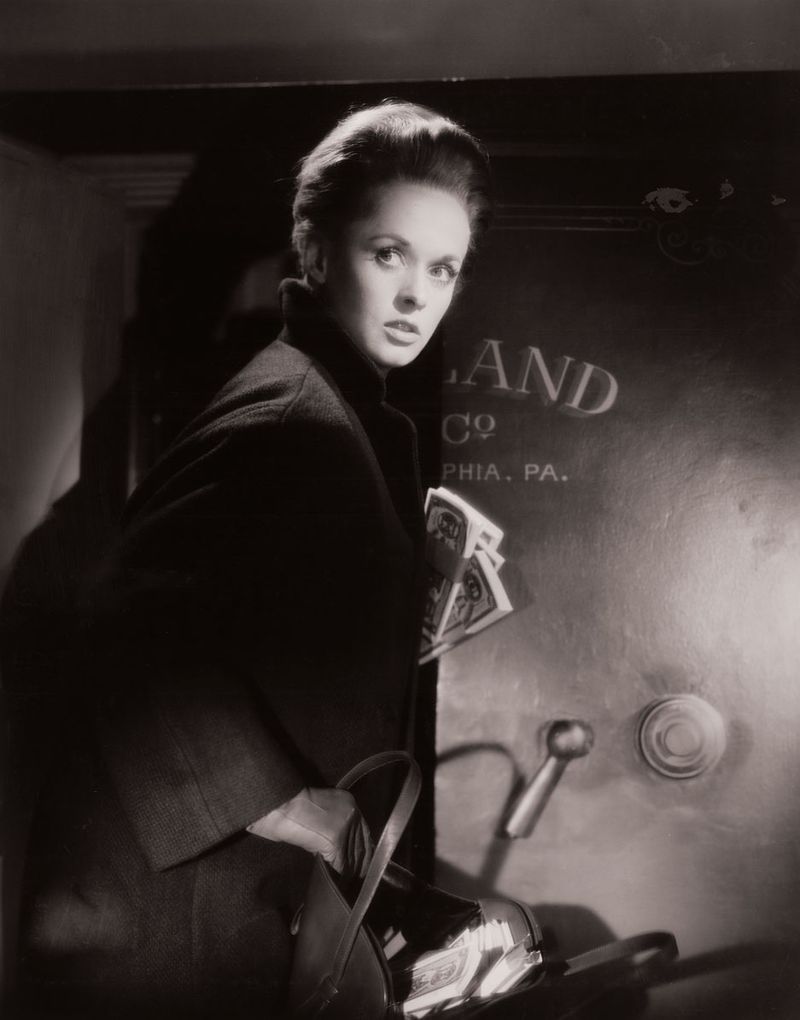
When Madonna's "Sex" was released, actor Udo Kier, who was featured prominently in some of the book's best pictures, was asked about Ms. Ciccone. What she was like? But more specifically, since Kier had ample chance to see, what was her vagina like? (A question one should probably not ask but those things were asked) Mr. Kier's answer? "Organized."  

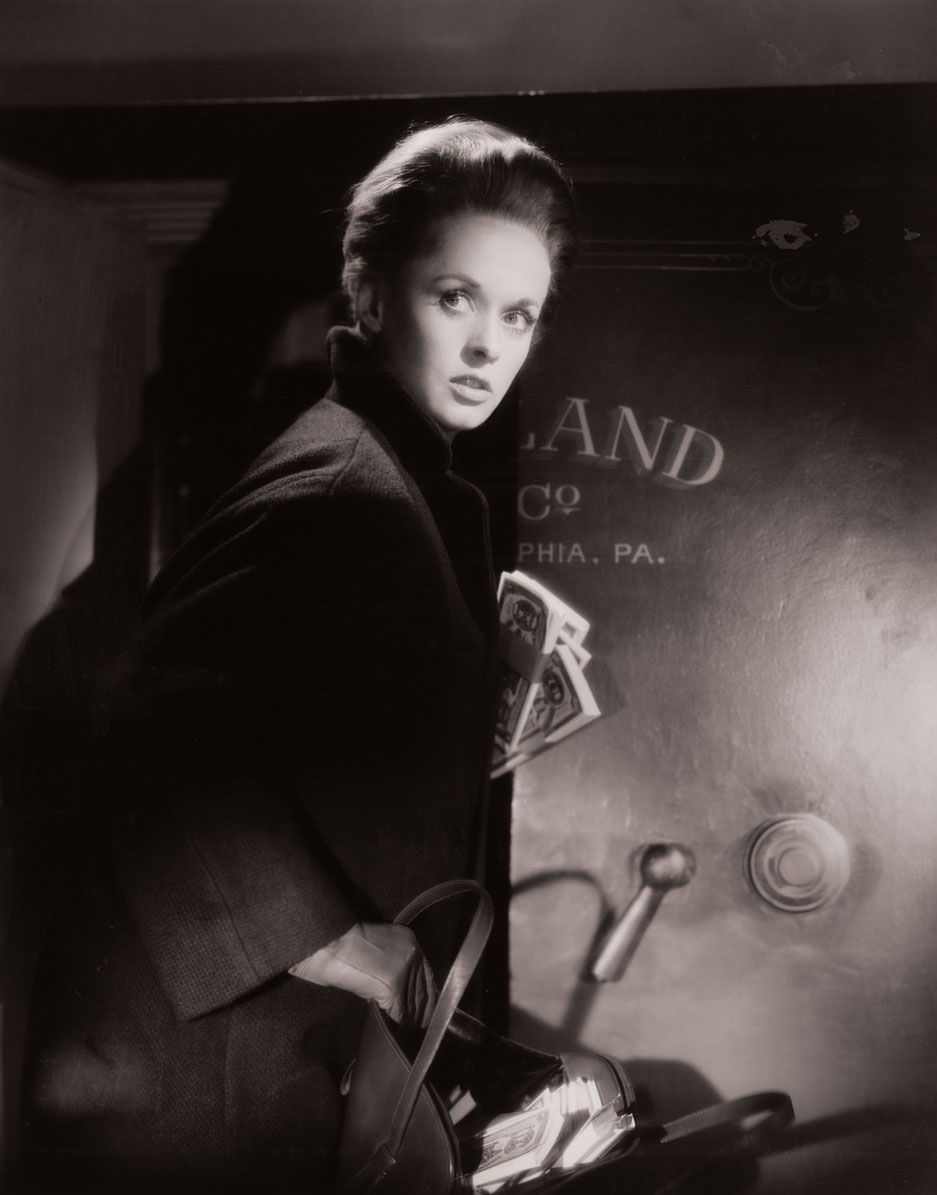
He could have been talking about Tippi Hedren's handbags in Marnie.

6a00d83451cb7469e201bb086e1a34970d-800wi

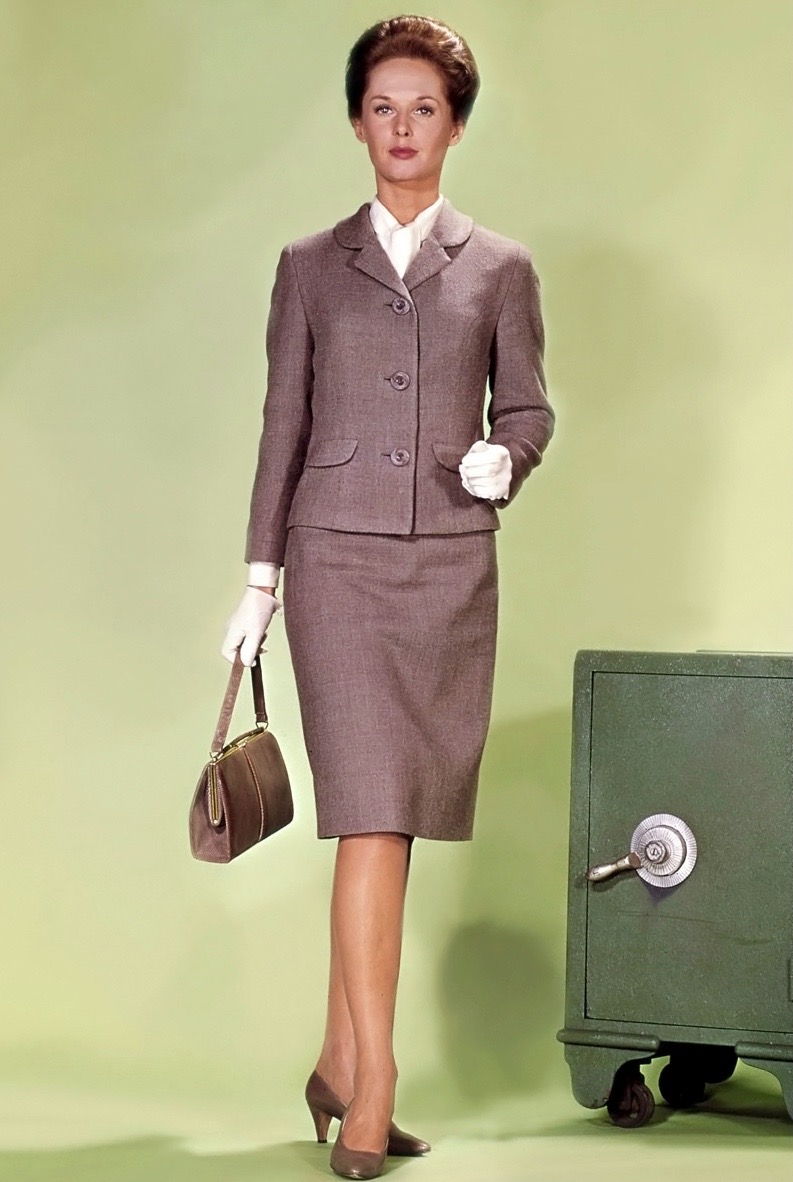
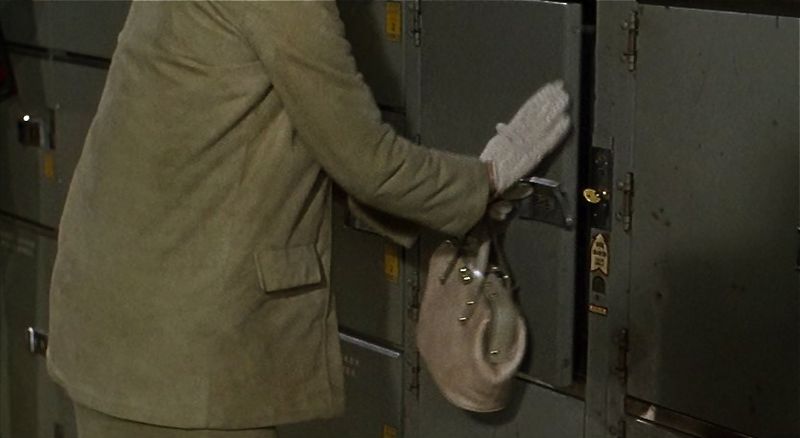
The Hitchcock handbag — they're lovely, and fetishistic — creamy, dreamy vaginal things. Vaginal. I don't find this a stretch. With all those crisp, snapped, soft or hard bodied rectangular satchels and muffs (sorry), Hitchcock's women clutched wombs of wonder that, like, many ladies obsessed with their handbags, seem to serve the purpose to only mystify men. Who cares so much about a damn handbag? Women do. And not just for fashion, as Hitchcock so astutely noticed, but for what Kier also so astutely pointed out. Organization. Organization in that some feel is a chaotic organ that will spill out of your satchel in messy, sticky, dysfunctional, bloody, passionate disarray. And purses, they often lose control. Or you're worried they will. Or, rather, men, are. Purses — they are often quite efficient, even when messy.

6a00d83451cb7469e201b8d153b666970c-800wi

But back to Marnie, one of my favorite Hitchcock pictures, and, of all purse-filled pictures, I find her handbags, suitcases, ID cases and wallets the most intriguing. 

6a00d83451cb7469e201b7c7c9c666970b-800wi

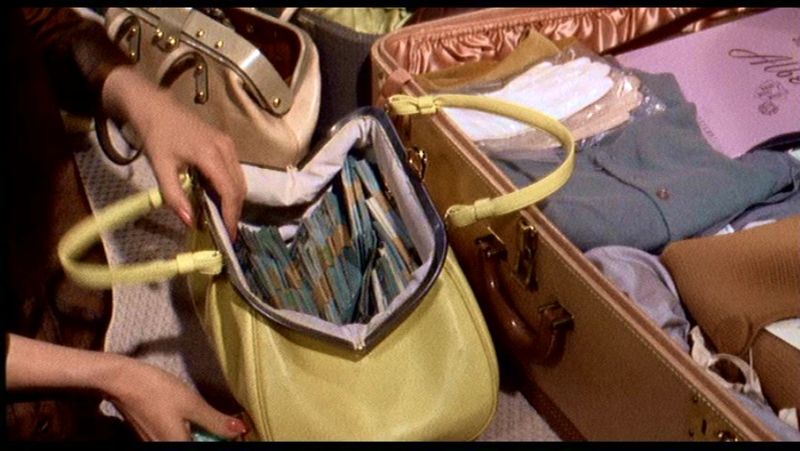
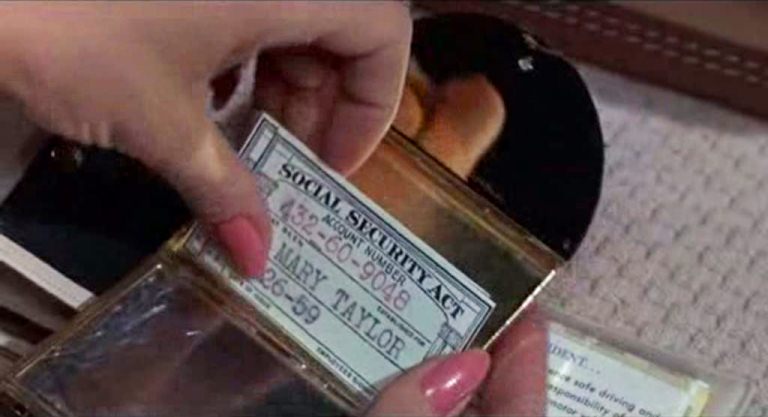
The yellow purse the raven-haired Marnie clutches while walking to the train looks (or feels?), I will say it again, vaginal. It can’t be an accident, at least I don’t want it to be — she needs that thing. An eventual cool blonde (there are many colors), a compulsive liar and thief so traumatized by her past that her only arena for both escape and personal gain is work, she moves from city to city, nabbing jobs with her expert demeanor and skills (she is an efficient secretary) only to embezzle from employers. And dump that money in her various, vaginal bags.

6a00d83451cb7469e2017d41a8031e970c-800wi

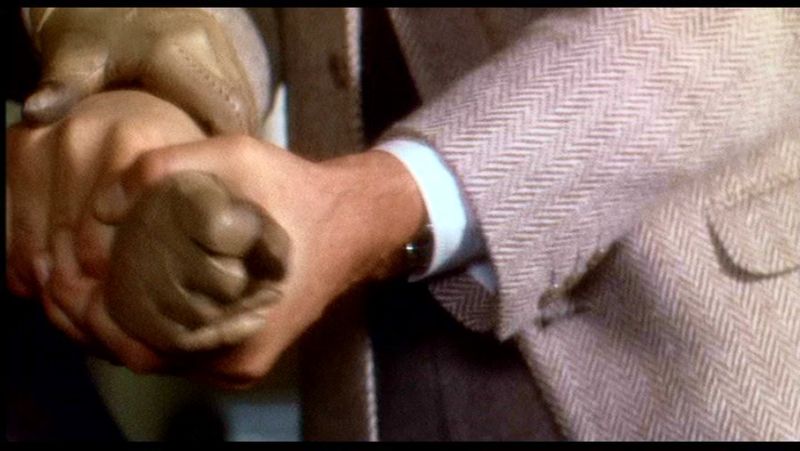
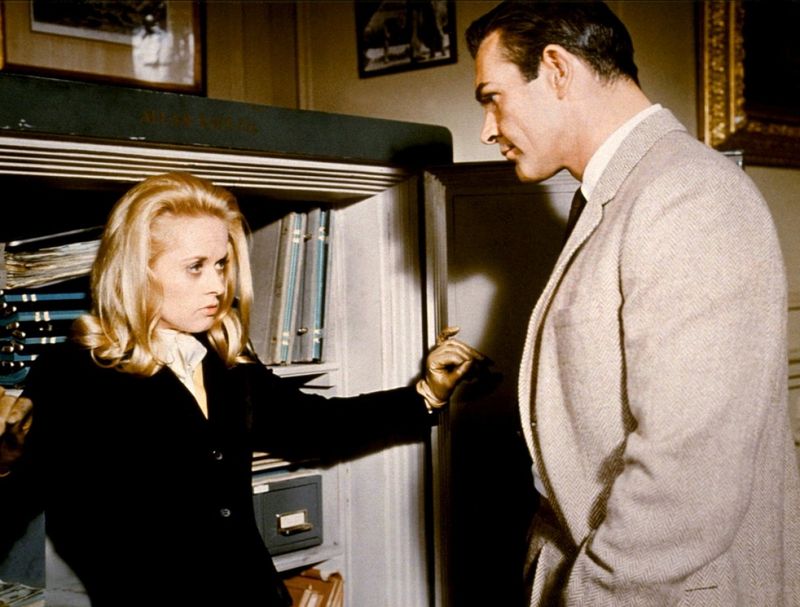
Perhaps the imprisoning Freudian arms of Mark Rutland (Sean Connery) understands a well functioning handbag. Rutland. Yes. He'll supposedly fix her. Icy, "frigid," (to him) –  a traumatized woman who can't stand the color red (of course she'll spill scarlet ink, liquid menstruation, on her white silk blouse) and one who has an unusually strong bond with her horse (saddles).

She's clearly never had a normal or healthy sexual encounter (which is very sad) and though she shows flickers of attraction and flirtation, she appears to hate men. Or maybe just all of humanity. But she does possess one heart-aching weakness — she loves her mother to the point of masochism. 

6a00d83451cb7469e201bb086e18c8970d-800wi

I'm not the only one who has noticed this. The controversial Camille Paglia brought up the Tippi vaginal-satchel in her BFI book on The Birds. There's also "The Women Who Knew Too Much: Hitchcock and Feminist Theory" — author Tania Modlesk discusses other feminist takes on Hitchcock's use of purses, keys and safes. But she makes a fascinating case for Marnie, her mother and that fur wrap — the luxurious non-utilitarian opposite of the clenched, accessory-stuffed purse. It's a sensual gift. And one her mother will reject. Modlesk writes: 

6a00d83451cb7469e201bb086e1953970d-800wi

"But there is a fetish that no one to my knowledge has remarked upon, oddly enough since it is one of the most classic fetishes of all time — the fur piece. On the first visit to her mother, Bernice, Marnie brings her this fur and wraps it around her mother's neck. A few minutes later, the fur set aside, Marnie watches with longing as Bernice combs [the young blonde girl visiting] Jessie's hair, captured in a signature shot of Hitchcock tracking into the hair at the back of the head, evoking desire and longing on the part of the one who looks [Marnie is the one looking]… Jessie leaves the house, and Marnie immediately places the fur around her mother's neck. Shortly thereafter the two go into the kitchen (to make 'Jessie's pie')…"

6a00d83451cb7469e201b7c7c9c858970b-800wi

Jessie's pie. Well, that leads to a jealous argument. And Bernice admonishes her daughter with the potent demand, "Mind the drippings, Marnie." What a muddled household. Not unkempt, just mentally untidy. Brushing Jessie's hair and minding Jessie's pie are more important than stroking that sweet furry piece. And worse, her mother (an ex-prostitute), remarks that Marnie's hair is, well, whoreish: "Too-blonde hair always looks like a woman's trying to attract a man." Never mind her mother's hair is also quite light. Marnie needs to get out of there. It's time for her to change identities (Marnie Edgar/Margaret Edgar/Peggy Nicholson/Mary Taylor) and stash more jack in her pocketbook. 

6a00d83451cb7469e2017ee91bc681970d-800wi

However, it's only a matter of time when Mark Rutland will supposedly figure her out. Here come the man readying to shake that pocketbook and empty the thing out, stick his hands inside, figure out her secrets, lies and perhaps the red-lipstick-sex within. Most women don't like it when you open up their very personal purses without asking (you think Catherine Deneuve wants you to spy the dead rabbit she's carrying in her Repulsion reticule?) and Marnie would be no exception.

6a00d83451cb7469e201bb086e1995970d-800wi

Gripping and grabbing her soft flesh, he'll take apart her clutches. (And it's not nice — at all — as we will see) These were vaginal satchels more than likely approved by Hitchcock but chosen by costumer Edith Head. Certainly Ms. Head understood the power of the purse. The male Hitchcock and the female Head (these names are just too much) must have enjoyed penetrating their pursey mystery and allure. 

6a00d83451cb7469e2017d41a7f07e970c-800wi

Though Mark's the romantic lead, he's a pervert himself, a very troubling person, and maybe not the healthiest partner for this wounded woman. And yet, he is trying to understand her, albeit in often terrible ways. The movie is sympathetic towards understandably troubled Marnie, making it tough to blame the woman for her antisocial tendencies. In her experience, men (people) are beasts who've only done her harm (flashback to a very young Bruce Dern freaking out a very young Marnie). The world is a cold-hearted place and she finds no solace at home, no father and no maternal warmth. 

6a00d83451cb7469e201bb086e1afb970d-800wi

In return, she violates the world (men) by lying, cheating and stealing without ever giving them the full pleasure of her body (and how can blame her?). There are moments (of which I can do nothing, this is Hitchcock filling the controlled receptacle) when I think Marnie should just flee Mark, everyone, in fact, and ride her horse Forio ("Oh, Forio, if you want to bite somebody, bite me!") and push her remaining pleasure into her sex-repressed satchels.

6a00d83451cb7469e201b8d153b47e970c-800wi

She may move on to something better, something more loving. Like pretty, organized purses and their vaginal sisters, there is such a thing as productive, controlled chaos. So, sister Marnie? Embrace the pussy riot.

6a00d83451cb7469e2017d41a7ef18970c-800wi

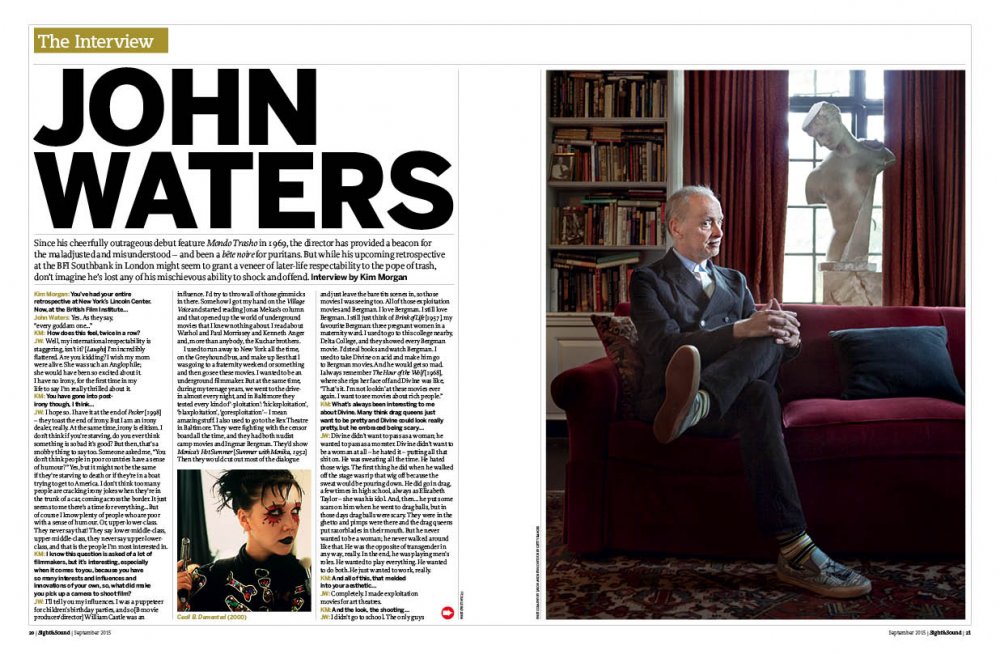
Talking With John Waters: Influences

6a00d83451cb7469e201b7c7bc74ef970b-800wi

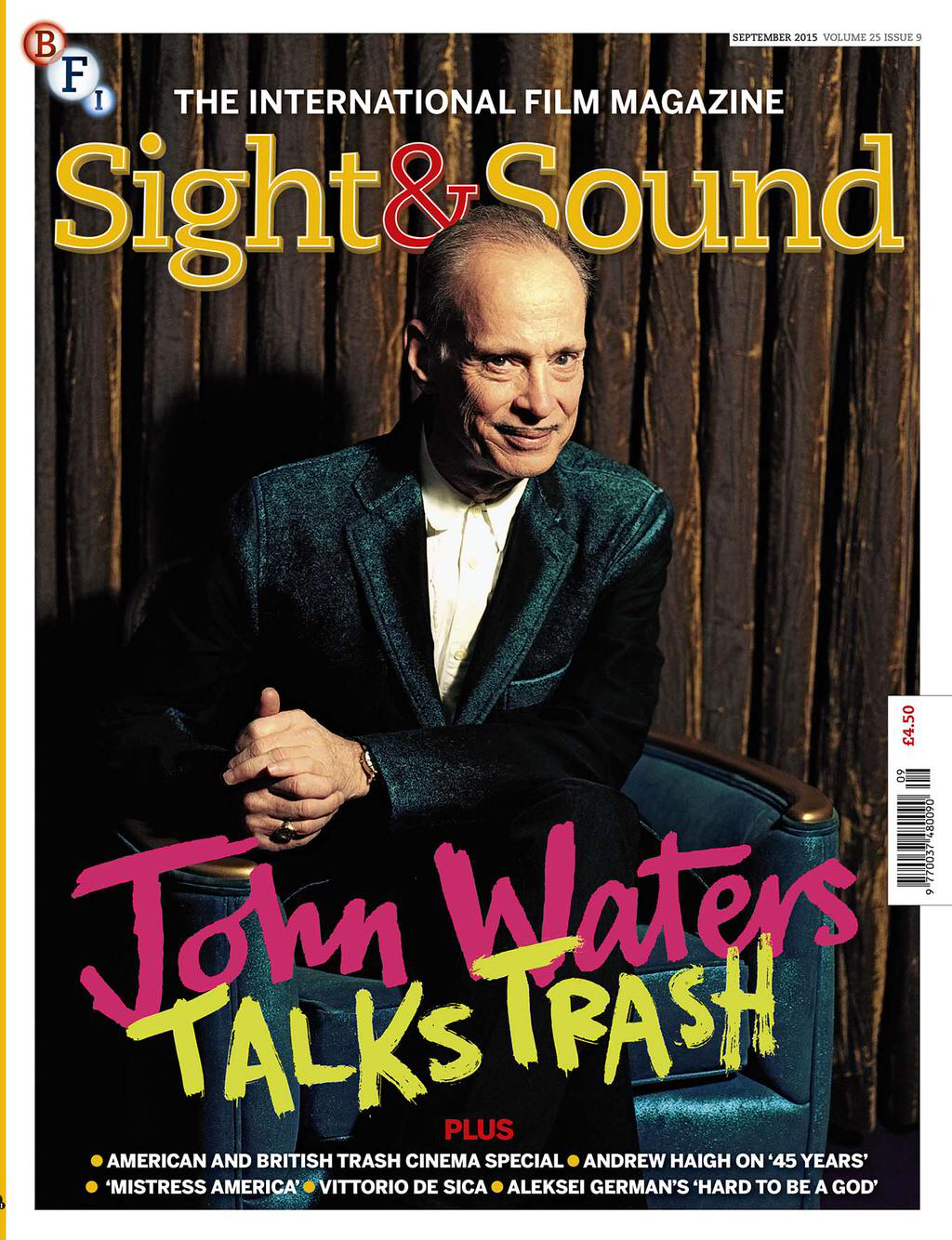
Talking with John Waters: Endlessly funny, erudite, charming and so well-read, just try to keep up (he reads two books a week). So I was thrilled to interview him for Sight & Sound's September issue. I won't publish the entire, long and entertaining interview here, this is just a teaser. You'll need to go out and buy the magazine, beautifully laid — out to get all of it — and there's a lot. But, to whet your appetite, here are excerpts. Enjoy. And let's all try Bergman on acid! 

Kim Morgan: I know this question is asked of a lot of filmmakers, but it’s interesting, especially when it comes to you, because you have so many interests and influences and innovations of your own. So, what did make you pick up a camera to shoot film?

John Waters: I’ll tell you my influences. I was a puppeteer for children’s birthday parties, and so William Castle was an influence. I’d try to throw all of those gimmicks in there. Somehow I got my hand on the Village Voice and started reading Jonas Mekas’s column and that opened up the world of underground movies that I knew nothing about.

William-Castle

I read about Warhol and Paul Morrissey and Kenneth Anger and, more than anybody, the Kuchar brothers. I used to run away to New York all the time, on the greyhound bus, and make up lies that I was going to a fraternity weekend or something and then go see these movies. I wanted to be an underground filmmaker. 

But at the same time, during my teenage years, we went to the drive-in almost every night, and in Baltimore they tested every kind of ‘-ploitation’: ‘hicksploitation’, ‘blacksploitation’, ‘goresploitation’, I mean amazing stuff.

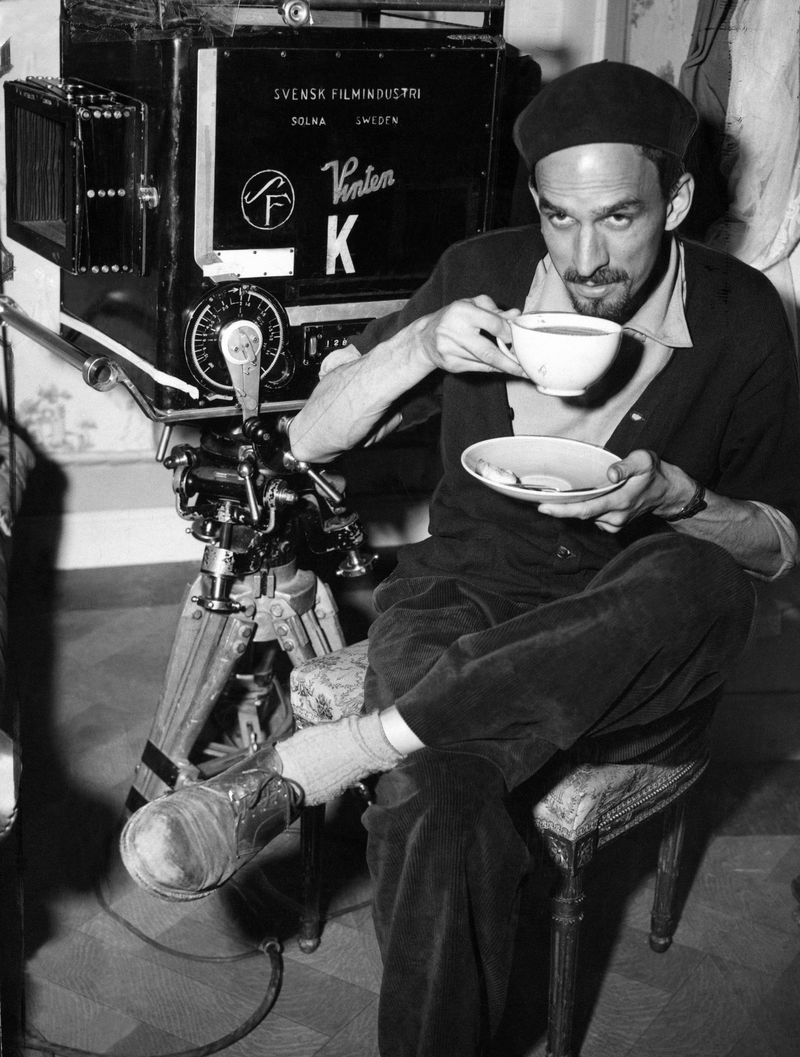
I also used to go to the Rex Theatre in Baltimore. They were fighting with the censor board all the time, and they had both nudist camp movies, and Ingmar Bergman! They’d show Monica’s Hot Summer [Summer with Monika] Then they would cut out most of the dialogue and just leave the bare tits scenes in, so, those movies I was seeing too. All of those exploitation movies and Bergman.

6a00d83451cb7469e201b7c7bc7181970b-800wi

I love Bergman. I still love Bergman. I still just think of Brink of Life [1957], my favorite Bergman: three pregnant women in a maternity ward. I used to go to this college nearby, Delta College, and they showed every Bergman movie. I’d steal books and watch Bergman. I used to take Divine on acid and make him go to Bergman movies. And he would get so mad. I always remember, The Hour of the Wolf [1968], where she rips her face off and Divine was like, “That’s it. I’m not lookin’ at these movies ever again! I want to see movies about rich people!”

6a00d83451cb7469e201bb08606534970d-800wi

KM: It seems your audience is a great equalizer; it’s always been all types, and still is.

JW: Yes. And they’re all ages too. I was at this punk rock show, presenting at this show, and there was a punk rock group who were especially sleazy and hilarious and after they went off, I thought, “Boy I wish I had a teenager daughter. She could date one of these guys.” I do bring out in people behaviour that you might not expect, but that’s just humor. I don’t think I’m ever mean, even Pink Flamingos, as shocking as it is. There are parts of it I look at it now and think, “Oh my god… no wonder…” but I’m proud of it. It didn’t mellow. It isn’t old hat. It still works.

KM: And it would still shock [former head of the Maryland State Board of Censors] Mary Avara. I saw an interview with her from the 1990s, it was when Pecker came out and she was still mad at you.

Polyester

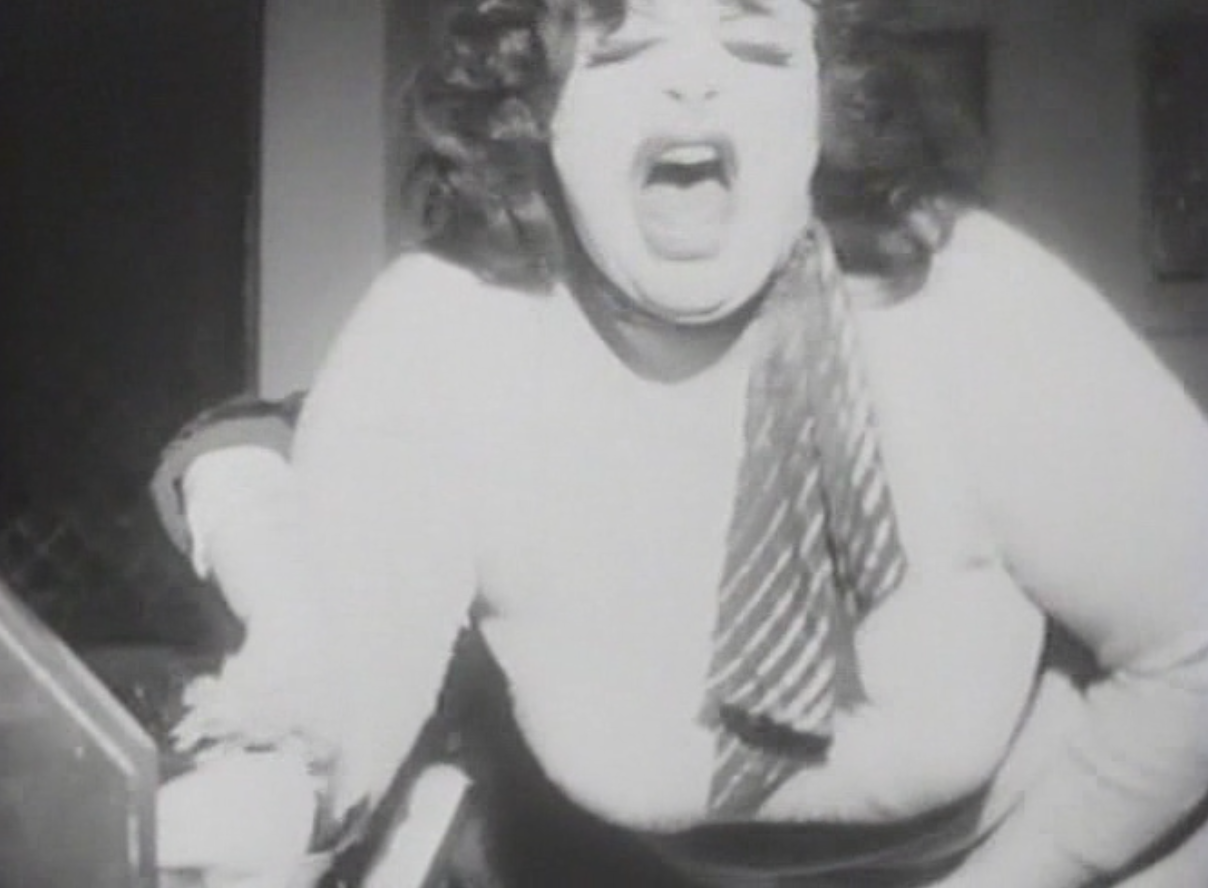
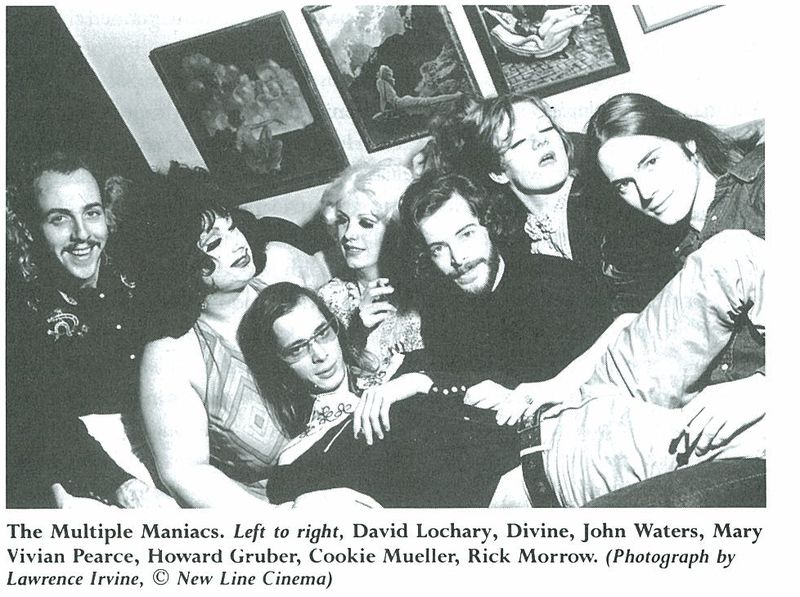
JW: Well, the most she was mad, when we were making Polyester [1981], Multiple Maniacs finally got shown in a real theatre, so she had to see it. When she saw the rosary job in that – it’s when you put a rosary up someone’s ass – she went so insane and banned the whole thing and went to court. The judge, he said his eyes had been insulted for 90 minutes but, still, it was not illegal. And she went insane from it. Because there was no law against rosary jobs. Because there is no such thing. [Laughs]

KM: Yes, I read a quote from her where she said, in her 80s: “I wanted to throw him out of window!”

JW: I know. She would go berserk. But I hated her with equal hatred… because she would make me cut a brand new print I had spent my last penny on. She would stay things like, “Don’t tell me about sex. I was married to an Italian!” Now, I used that line in A Dirty Shame, so I got material from her. I’ve always said, dumb censors are your press agents. You should pay them. She really helped my career. But smart liberal censors, like the MPAA, they are the scary ones. You lose when you fight them.

Multiple maniacs

KM: In Multiple Maniacs, back to that rosary job, which is funny, but shot so beautifully and artfully, cross cut with the crucifixion…And Divine says, “It’s like fucking Jesus himself!”

JW: [Laughs] I forgot that line…

KM: I thought of those crazy saints, like there’s one I love, 14th century Julian of Norwich, an anchoress, who wrote Revelations of Divine Love. The book is beautifully written, but it really sounds like she wants to have sex with Jesus page after page in her exaltations…

JW: All those crazy religious people are having sex with Jesus, aren’t they?

KM: Yes. You wrote about Saint Catherine of Siena in Role Models

JW: Oh, I looove her. She’s my favorite. She’s the only one I pray to. And Pasolini. I pray to Pasolini…

KM: But did you think about those crazy religious people when you created that rosary scene in Multiple Maniacs? And filmmakers, like maybe Buñuel or Pasolini? There’s a lot going on, and it reminded me so much of these holy women’s relationships with Jesus…

6a00d83451cb7469e201b8d14604b2970c-800wi

JW: I did read those books. I read [Rudolph M. Bell’s] Holy Anorexia [1985]. That is a great, great book. I read that later than Multiple Maniacs, but it’s a book I’ve written and talked about: it’s all the story of those saints and nuns. They were so out of their minds. They were like S&M, anorexic lunatics. And these people were prayed to. I love extreme Catholic behaviour before the Reformation. The Reformation ruined everything.

6a00d83451cb7469e201b7c7bc52d6970b-800wi

KM: You’ve discussed before about nuns and their movie censoring, how they were an influence on your cinema watching, movies they were declaring not to watch, like, say, Elia Kazan’s Baby Doll [1956]…

JW: I went to private grade school and my mother was Catholic and my father wasn’t, so when you didn’t go to Catholic school, you had to go to Sunday school. But the nuns knew that these were the parents of the kids who didn’t send their kids to Catholic school, so they hated your parents and they were very cruel to the children. My mother said, “When I was young, I loved the nuns.” And I said, “Well something happened because these nuns were sadists.” It made me rebel really early. All they did was tell you everything you’d go to hell for doing, constantly.

6a00d83451cb7469e201b7c7bc544b970b-800wi

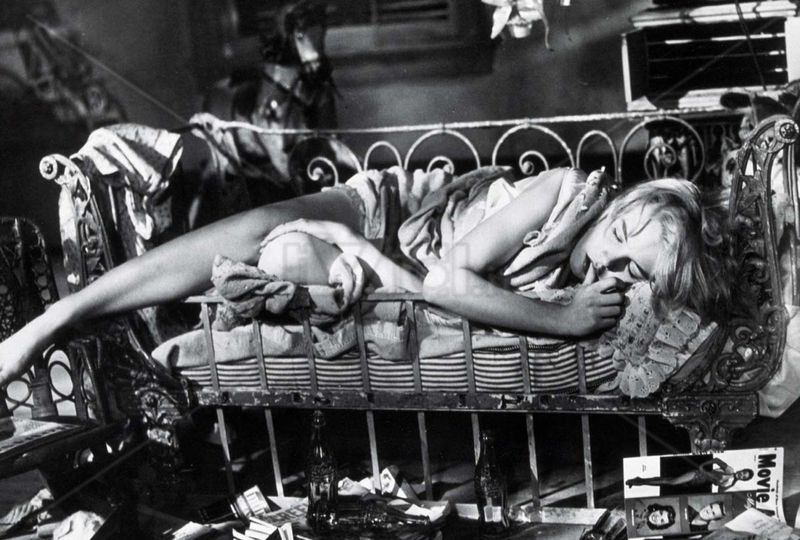
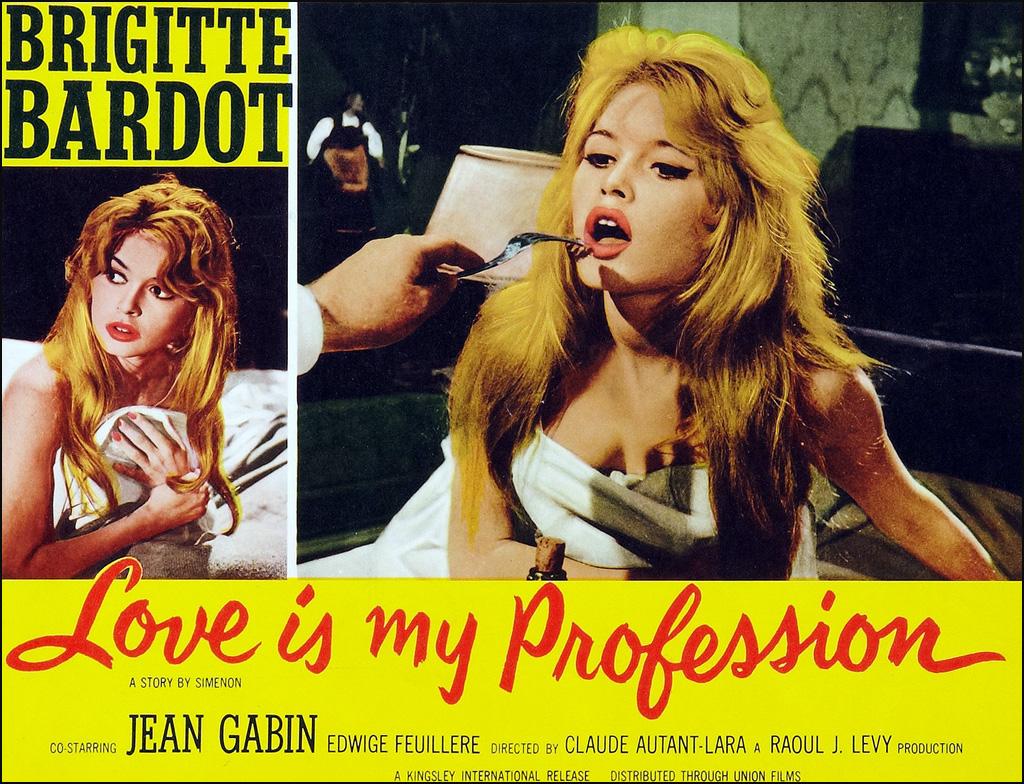
We got the Catholic Review at home, and my mother told me it was the first she ever saw me rebel, when I was really young, when we had to stand up in church and take the Legion of Decency Pledge, which they did once a year. And I refused to do it. I would cut out the ads for [the condemned movies] and I would memorize them. Other kids memorize multiplication tables; I would remember And God Created… Woman [1956], Baby Doll. I would remember them in alphabetical order. Of course, I would never have heard of these movies if not for the nuns. Naked in the Night [1958], Looove Is My Profession [1958], that was my favorite, to hear the nuns say that one.

Love is my profession

My secret little life was that I pretended I had a dirty movie theatre; that’s how I played as a child. All the movies that you go to hell for seeing. And I would redesign the ad campaigns… this was creative play to me. I always think later in life, all I really wanted as a child was the wrath of the Pope himself. (Laughs).

KM: Your movies tweak genres and conventions and even labels. What do you think of certain labels? Like camp? Or melodrama?

JW: Well, melodrama, I like. Camp, I’ve said a million times: “No one says that word anymore do they?” Even kitsch. That’s like old queens talking about Rita Hayworth. And there’s nothing the matter with old queens talking about Rita Hayworth, I’d probably like to hear that. I haven’t heard that in a while. But I don’t even say trash anymore. The punk movement never died… a lot of the punk world was gay. It was a great look for gay disguise. And it was a great look for really unattractive people. And goth.

6a00d83451cb7469e201bb08608559970d-800wi

So I always loved that style, because if you were not a traditional beauty, or even if, by society’s standards, you were ugly or had a body type that wasn’t thought of as sexy, you could work it in the punk world and come across with a great look and be a star. So, I always felt comfortable in that world.

6a00d83451cb7469e201b7c7bc5328970b-800wi

KM: It makes me think of how you view your characters and shoot them – like Edith Massey, an, unusual, interesting looking woman and, so, photographs wonderfully. Who were the photographers who inspired you?

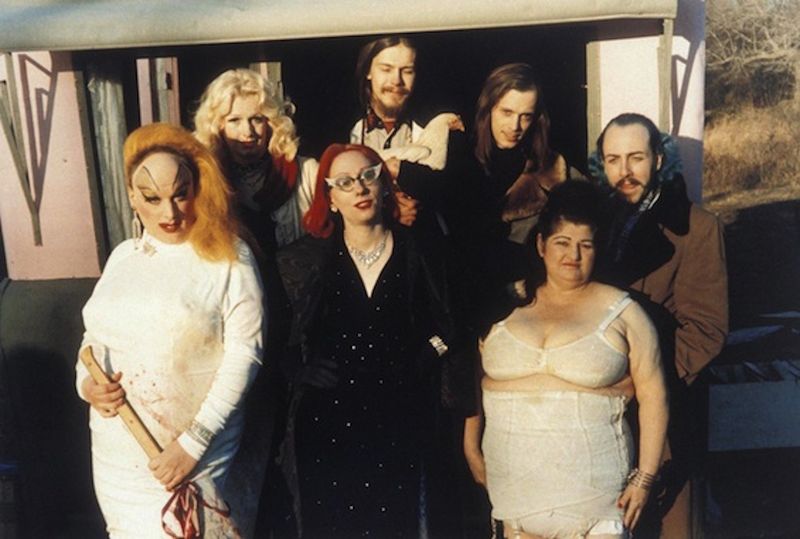
JW: Oh, Diane Arbus. The hugest influence on me, way before Pecker. If you look at that one shot, the woman who looks like Divine in Female Trouble, she’s holding a child and the other child is drooling, we looked at that picture. That was a direct quote, basically. Diane Arbus was a huge, huge, huge influence.

6a00d83451cb7469e201bb08606616970d-800wi

When I would sneak away and go to New York, I would sit in Washington Square, that’s where the beatniks went, that’s where the oddball gay people went and the drag queens, and that’s where Arbus took all those pictures. As a kid, I thought, “Wow. This is dangerous here. This is beyond Life magazine.” But I was corrupted by Life magazine too, because they brought Jackson Pollock, homosexuality, beatniks, all things into my house that I was so relieved to know about.

KM: Tennessee Williams, who we brought up before, was also an influence…

6a00d83451cb7469e201bb0860726a970d-800wi

JW: Oh, he saved me. Because when I first read him, I realized there was bohemia. Nobody had ever told me what that was and that’s what I always wanted, and still want. That was the world I was trying to find.

KM: And Williams didn’t define himself as one thing. One thing that might become problematic is when things are labeled too easily…

JW: I agree. I’m against separatism. That’s what I said in my commencement speech. Separatism is defeat.

Divine-and-John-WatersKM: The term political correctness is over-used, to the point where it starts to lose meaning, especially among liberals; it’s either a pejorative or not a pejorative. You’ve seen people rebelling on all sides of the spectrum, and when the term didn’t exist…

JW: I am politically correct. I am completely politically correct.

KM: Yes. But there’s got to be something beyond, perhaps? Like in your recent commencement speech you said, “Being gay is not enough anymore.”

JW: It’s not. In rich kid schools? Being straight… they’re the ones who should be marching. As a gay man in the arts, do I ever feel prejudice? No. But, if I was gay maybe in a poor neighborhood in a poor kids’ school? Yes, then it can be a problem. It’s a class issue now. What’s happening now, with rich kids, they pretend they’re gay when they’re not. But then you have to do it. So, I don’t care. I mean, “Eatin' pussy for politics.” You still have to do it.

6a00d83451cb7469e201b8d14623d8970c-800wi

KM: You’ve always used music brilliantly, and introducing older music, with great taste and some shocking surprises. Like, in A Dirty Shame, you had Slim Harpo’s ‘Baby Scratch My Back’, but then Johnny Burnett’s ‘Eager Beaver Baby’ and Doug Clark and the Hot Nuts’ ‘Baby Let me Bang your Box’ and more… And in Mondo Trasho [1969] you’ve got that whole collage of music. You use music, not just as a soundtrack, but you overlap and songs run into each other to create this unique effect. And this before a lot of filmmakers were doing that. You had The Chordettes, the Del-Vikings, Little Richard, Link Wray…

JW: And that’s why Mondo Trasho will never be released. It just makes the movie more and more likely never to come out hundreds from years from now. I didn’t know then, that you were supposed to buy music rights. But it was a silent movie. You know how silent movies had music to tell the story? That’s what I was going on for. I think the first person to really do it was Kenneth Anger with Scorpio Rising [1964], he was the first one to use pop music in that brilliant way. And, [with Mondo Trasho] it’s all because of the novelty hit ‘Flying Saucer’. That was the first song that took lyrics, sampled them and told a story. A flying saucer has landed. And we cut to John Cameron Swayze… (singing) “Come on baby, let’s go downtown!” Meanwhile, the space ship is over here… It told a story by sampling lyrics from songs. That is where that came from.

Mondo-Trasho-Divine-dreamlanders-12810763-368-272

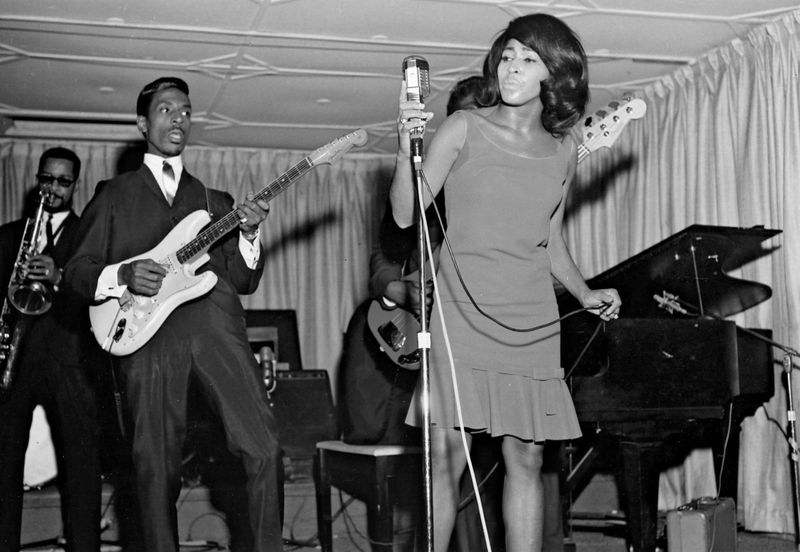
KM: I love the scene where Divine is shoplifting to Ike and Tina’s ‘Finger Poppin’’.

JW: Oh, well, Ike and Tina. We were listening to them when we were shoplifting. Divine and I used to go a place and see them in high school.

KM: Oh my god. That must have been fantastic.

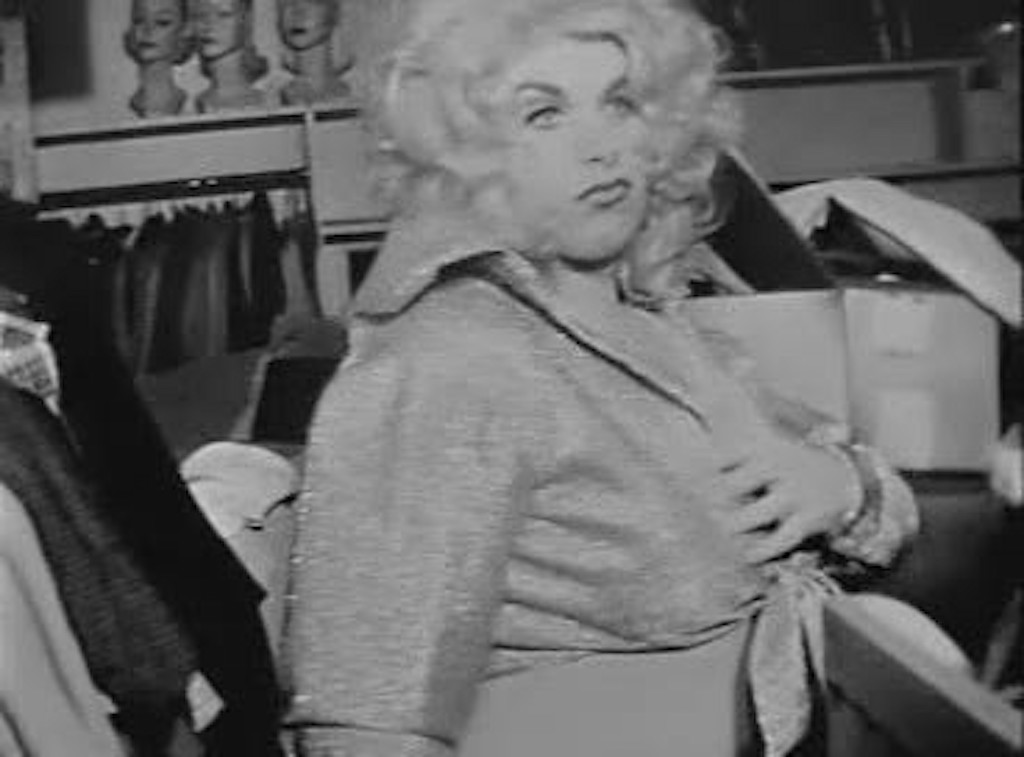
JW: Oh my god, yes! The Ike and Tina Turner Revue. I don’t care what anyone says, she was better when she was with him. I mean, I don’t blame her for leaving him, good for her, but… We would see them at Unity Hall, it was a kind of working class, blue-collar Union Hall. And they would come in a broken-down green school bus with ‘Ike and Tina Turner Revue’ painted on the side, like, hand-painted. And she looked like she did on the cover of ‘Dynamite’: she had on a ratty wig, a mink coat, a moustache, springalators, she did have a moustache. She was un-believe-ably great. And when they would sing, they would almost do rap songs, ‘Letter to Ikey’ and that. And the Ikettes behind them were so great. It was a huge influence on both Divine and I, Tina Turner. And I still love her…. God knows, they could sing.

6a00d83451cb7469e201bb0860668d970d-800wi

They were unbelievable together. I saw them a couple times. And they’d sing ‘Don’t Play Me Cheap’. Oh my god… she was an influence. More than anybody. I had an album A Date With John Waters and I have that song, ‘All I Can Do Is Cry’, that long one where Ike’s getting married to somebody else. I wish I could have done that video with her. They didn’t have videos then but imagine that video with her. “I took a seat in the BACK of the church!” Ohhhh

KM: When thinking of Female Trouble [in which Divine’s character is disfigured in an acid attack and then taken to a local beauty salon where the owners find her new look inspired], I think of today, when so many people change their faces through extreme measures, and tabloid culture, how we follow celebrity crime…

JW: Nobody’s shot up liquid eyeliner yet!

KM: It’s on its way! But, this idea in Female Trouble that crime and beauty are the same seems so relevant to me, especially now…

Female_TroubleJW: That was all Genet. That was what I read in high school, he was a big influence on me. And I always say, “Everybody looks better under arrest.” I still visit people in prison, I taught in prison. In my book Role Models [2010] I wrote a pretty serious thing about parole regarding one of the Manson women [Leslie Van Houten], who looks back in horror about it. So, I’ve always been interested in extreme behaviour. I would follow the Boston Bomber case mostly because I wanted to know what happened to the ex-wife of the one that died? She then remarried, supposedly, and has a child! I always say, “God. She has a boyfriend? Where did she find a new boyfriend? Where did she date?”

KM: In terms of your Dreamlanders actors, was everyone game all of the time? You had some actors do some pretty extreme stuff…

6a00d83451cb7469e201b7c7bc53cf970b-800wi
JW
: Yes! Everyone was game. Recently I presented the [William Friedkin] film Killer Joe… that scene with the chicken. And Mink [Stole] said afterwards, “They were just like us. They went for it! If you’re gonna do it, go for it!” And she was right. It was never anyone saying, “Should we do this?” It was just like group madness. We all were on the same page; all doing it as a group effort and it was almost like a political act in a weird way. It was exciting. We were young and everyone was bonded together. We were… what’s that psychosocial term when you’re crazy all together?

KM: Amour fou?

JW: Yes. That’s what we were. And proud to be so.

Read the entire interview at Sight & Sound, in which he discusses more about Female Trouble, Divine's dislike of hot wigs, Tab Hunter's bravery, Johnny Depp, Patty Hearst, Hairspray, Serial Mom (and more movies), how he learned filmmaking from teamsters, the movie industry today, his love of Freddie Francis's Trog, Derek Jarman's Blue and Joseph Losey's Boom!, among other British films he programmed along with his own BFI retrospective which is showing all of his films (every damn one), and how his next project will probably be for TV — even though he never watches TV. Well, except for The Wire, he watched that religiously. Pick up the September issue now. You can order it online here

 For now, here's some Ike & Tina, "Finger Poppin'…"

The September Issue: John Waters

IMG_4431
The September cover of Sight & Sound features my interview with national treasure John Waters. The BFI is doing a series on Waters, showing every single one of his films and Waters programmed ten of his favorite British films for the series as well. Yes, Joseph Losey’s gloriously insane Boom! will be screened, and we talk about it.

We also talk nuns, Pasolini, Diane Arbus, the magnificence of Ike & Tina, watching Bergman on acid and more… Pick up a copy and check out more here.

2015-09-01-john-waters