Journey Through the Past: Special Deluxe
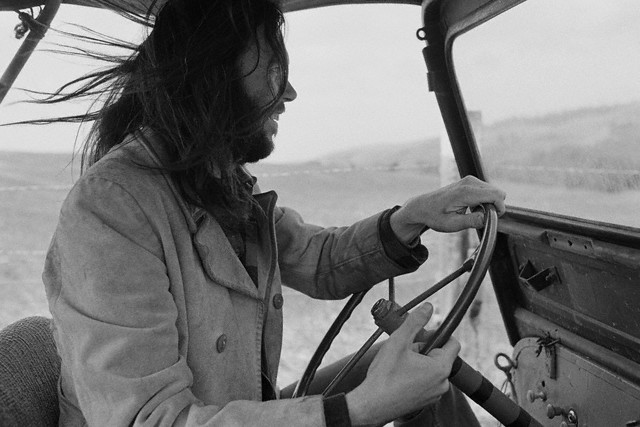
 

6a00d83451cb7469e201b8d1d7b1ae970c-800wi
“We were beginning to feel that the Continental had a soul, memories of the past and feelings about where we were going and what we were doing.” – Neil Young

When I was nine-years old, my mother rambled around in an old pine green Dodge station wagon. It was a big honkin’ thing, it seemed so out-dated, the back-end smashed, the seats an obnoxious green (everything in that car was green) the benches all tore up, wrapped together with silver duct tape so that when her purse spilled, which was often, dimes and quarters and lipstick tubes would get stuck and lost forever in the upholstery. She called it “The Green Bomb,” I later deemed it “Divorce Wagon" because it seemed like the dad-is-gone car. I don’t even remember the car from before. I was too young when they divorced (5) and I never processed it properly. In my mind, it magically showed up once my dad left (or she left him), though it must have been the family wagon. But there it remained – the car where mom donned big sunglasses and listened to songs on a tinny radio and was probably crying or raging or weirdly content – all over the place. Like the groceries rolling around the back seat when she rode the break, driving us kids insane. I don’t remember my Dad ever even being near that car. I hated that car.

Now, I’d kill to have that car. Once mom re-married and we moved from old-car-cool Bainbridge Island, Washington where no one cared about old ripped-up station wagons, neighbors loved vintage cars (and we had about five cars there anyway, including an MG, A VW Square-back, a motorcycle and my Uncle’s Lotus) to, what I viewed, an uptight little college town in Oregon, where cars were boring and newer (they all started looking like suppositories to me), a place where I had to make new friends who might just judge ripped seats and busted-up back ends, I could feel myself sinking into the floorboards whenever we picked up the infrequent play date in that thing. I turned against that car. I didn’t care to fit in there, I just loathed that the car used to be just fine. Now it was this rambling eyesore to, what I perceived, a bunch of jerks. That car represented something torn up in life. I just wanted her to get RID of it.
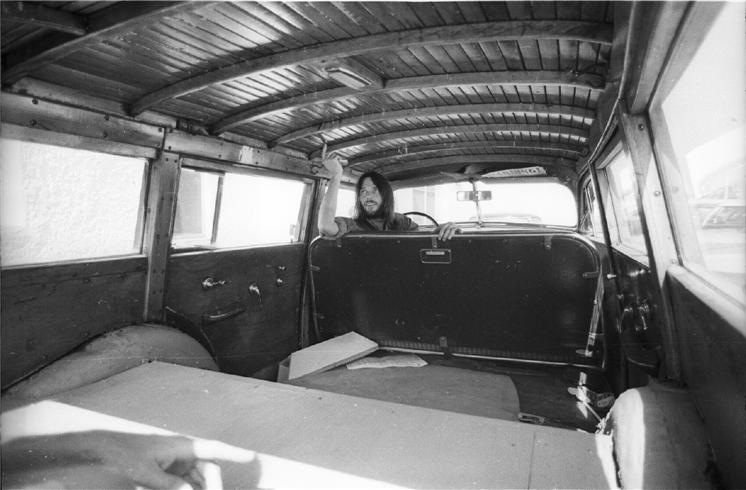
6a00d83451cb7469e201b7c84dc53f970b-800wi

And then one day my mom came home and surprised us all: A gold Mazda (I can't remember the model). What?! I was so thrilled by this sexy, new car, I jumped up and down: “It’s so shiny!” And then, I asked… "So, what happened to the Dodge?” Mom replied, cheerfully "Oh, it's gone." I was suspicious: "Gone? You sold it? Someone’s gonna fix it up?" My mom said, laughing a little, almost sing-songy: "No, no, no. It's going to be crushed.” Suddenly, I was horrified and, then, filled with guilt. Surely I’d felt empathy in my little life before but this felt like something new, something I was complicit in. This is all my fault. I wailed, “The Dodge is all alone? It's all alone in some crusher? It's going to be killed?!!" My mother kept saying, annoyed, "It's just a car, Kimberley. It's not going to die." I protested, "It IS going to die. They're killing the car!” I continued on, awash with crushing remorse: “I was so horrible to that car! I feel so bad for the Dodge — alone. We have to save the car!”

Kim morgan desert photo by trent debord

I started to cry. And I couldn’t stop crying. The car became a person, it had feelings and I pictured it entering the crusher, knowing how much the family hated him, cold and alone. And now he was being upgraded with this gold… slut. What if dad does the same thing? What if they don’t get back together? I know mom’s married, but maybe they’ll get back together anyway? I became so incensed with the tacky gold car that I yelled at the car, "You’re so full of yourself!" and then ran inside and cried some more. I mourned that green Dodge for an entire week. A full fucking week. Maybe more. I never liked the Mazda. My mother thought I was insane. I don’t think so. I needed more cars in my life (which I made sure of here and here). And I just needed Neil Young in my life. He did come, later. Thank god. In tough times and wonderful times and magical times, many times marked by cars. Many times in a car. On the road. From the hot desert of Joshua Tree to icy Winnipeg, Manitoba, Young's last city he lived before he drove to California. Young is always felt. I remember the first time I saw the aurora borealis in Gimli, MB. I was so stunned, it was so beautiful, and I could only hear it in my mind the way Young so uniquely and melodically phrases it in "Pocahontas": "Aurora borealis, the icy sky at night…

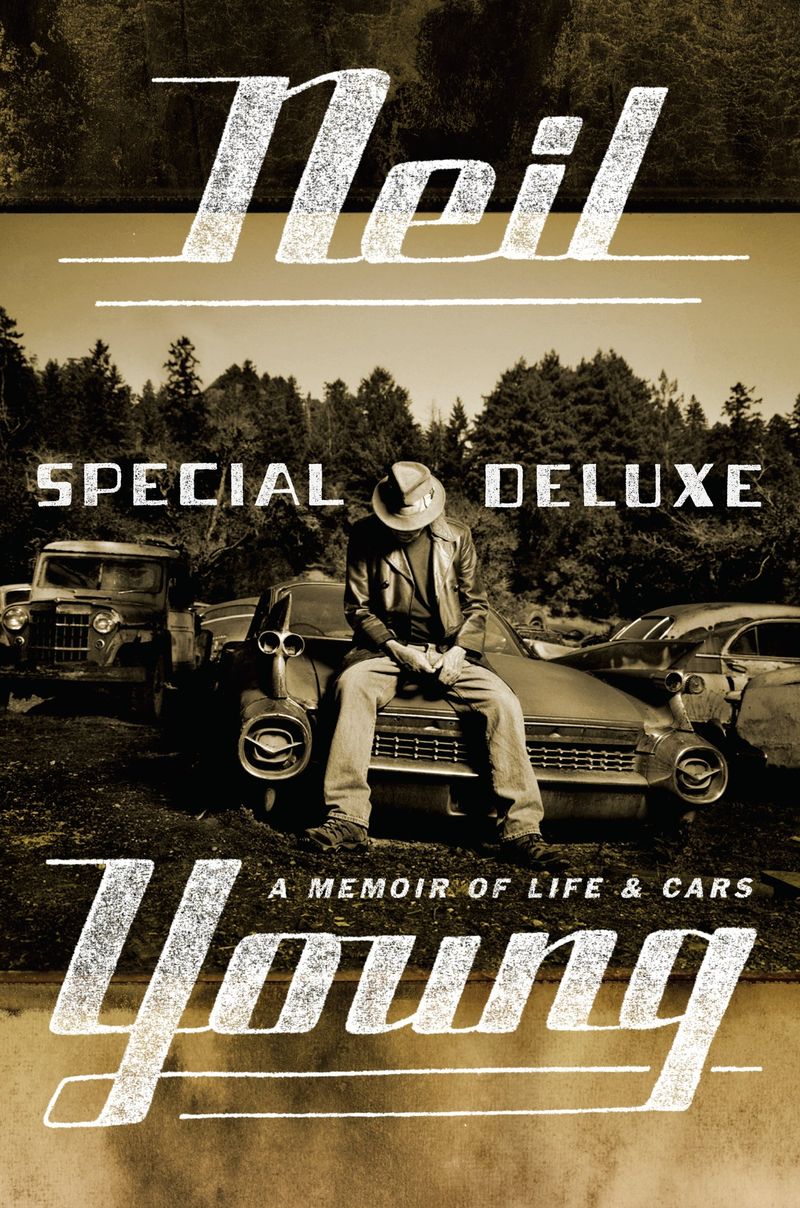
“Only love can break your heart” but Young knows just as I do, just as many others do, so can cars. With his book, one of my favorite memoirs, “Special Deluxe: A Memoir of Life and Cars” he anthropomorphizes every single car in life from childhood until now. He even paints in watercolor, charming, impressive pictures of each one. It’s all so touchingly detailed, lovely and bittersweet, and then both revealing and mysterious, like Neil Young himself. (Stay with me here, but there's even a touch of Robert Walser in these accounts, the micro memories, and Young's enigmatic writing manages to convey something more revealing than perhaps even he imagines). Cars carry you on adventures and disasters and they can let you down, but you also let them down. I only wish auto enthusiast (if that’s even the right term for Mr. Young, more like beautiful obsessive, an auto-erotic) had been present at that past scene to tell my mother that I wasn’t crazy.

6a00d83451cb7469e201bb08f18656970d-800wi

As he writes about his 1941 Chrysler Highlander Coupe, purchased in Malibu in 1975, which he loved, but never fully restored, he cited this reason for it’s disrepair, a reason full of regret and maybe even an excuse: “I don’t know why. It’s hard to understand, but somehow I think it has to do with Vietnam… Perhaps I should have not bought it and just left it alone and maybe someone would have fixed it up. Right now it is a struggle, a story incomplete, an empty feeling. I have to do something about it.”

40-1951-Willys-Jeepster1

Young’s book is incredible for chronicling nearly every car he’s known, owned, worked on, didn’t work on and then some, from his parents' 1954 Monarch Lucerne, to his various Hearses, one famously named Mort, where he’d haul his equipment around as a young musician and famously drive from Canada to Los Angeles, breaking down on Sunset Blvd, to his 1957 Corvette (a great car to speed around his new home in Laurel Canyon) to a 1951 Wily Jeepster, to a 1954 Cadillac Limousine (named “Pearl”)… Listing all of the cars would take forever, but Young’s owned them and loved them and his gear-headedness is so open and expansive, it’s impressive and passionate. He’s not one of those annoying classic car types – the ones who cherry out a badass muscle car or do the easiest thing in the world: Buy an old Mustang – he seems to love them all, find something curious and soulful about a car.

The slick and the fast, the rambling heaps, the ridiculously enormous family sedans from the 50s all have equal importance and appeal. And, as the chapters illuminate, each car has a memory attached, written with vivid, at times, dream-like detail. Cars drive in and out of his life, underscoring all of the changes and upheaval, some sweet, some exciting, some rock and roll, some down home and family and some very sad. Cars even help him become more ecologically conscious. He loves all of his gas guzzlers, but grows increasingly concerned about CO2 emissions, hence his interest in driving with renewable fuel (like his 2000 Hummer 1) and then, his now famous fuel efficient LincVolt, a 1959 Lincoln Continental converted into a hybrid demonstrator.
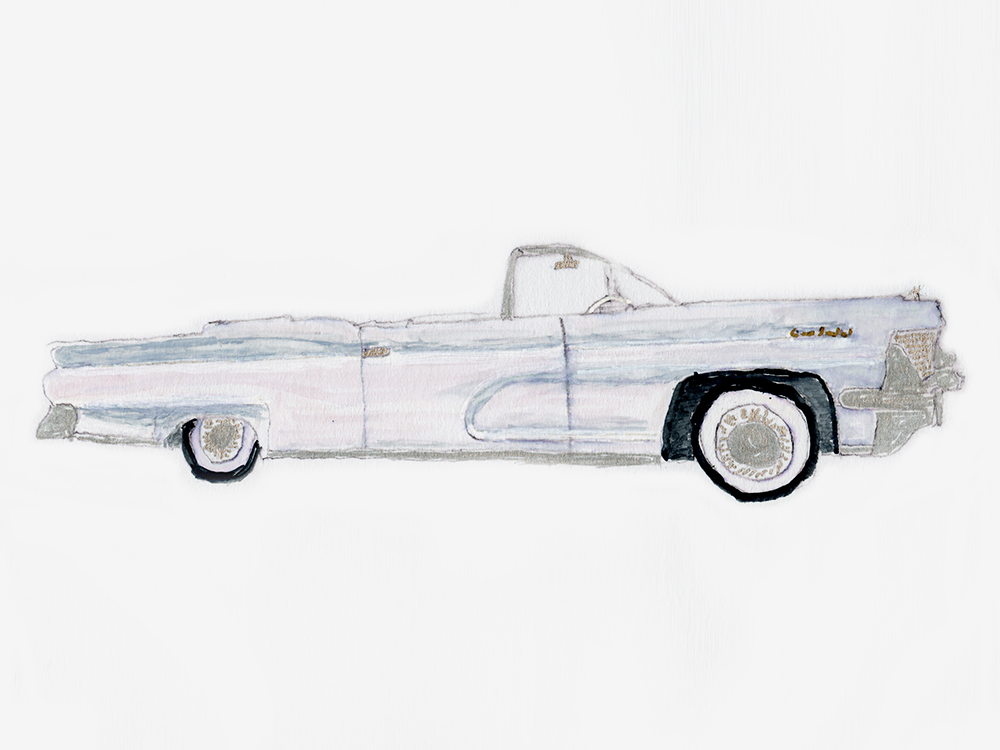
37-1959-Lincoln-Continental-Convertible1

And then there’s divorce.

Some of the most moving moments in the book come from Young writing about his parents' divorce. What’s with cars and divorce? Do all of us children of divorce have a car attached? In a chapter covering his dad’s late 1950s Triumph TH3, he remembers his father leaving his mother (with a letter) and that his father was, in his way, telling him about the departure before it happened while driving in that car. “I knew it! I knew it!” little Young exclaims after his father ditches mom. His mother asks, “You knew what?” and then he proceeds to tell her about their car trip. His mother cries and, as Young writes, “I just held on to her.” The memory becomes more painful:

“A few days later, I came home from school and found Mommy in the driveway in front of the garage. She had her record collection out, a big pile of 78s from a couple of boxes. At first, it looked like she was organizing something. But Mommy was crying now, taking out each 78, looking at it, and breaking it on the cement driveway. That was one of the saddest things I have ever seen. I try to block it out of my mind. Just a late afternoon, sun getting ready to set, and there is this picture of her crying and breaking each record, making a little comment with each one.”

6a00d83451cb7469e201bb08f186f2970d-800wi

What a heartbreaking recollection. And from car trip to house to garage to driveway to… music. It all swirls together in Young’s evocative memoir. When discussing his 1959 Lincoln Continental, his “most outrageous car of them all” and the one he used in his Bernard Shakey-directed movie Greendale (the car that would become the “LincVolt”) Young reflects in the relative present time (the late 2000’s), driving through a lonely Las Vegas with his partner in Shakey Productions, Larry Johnson, discussing the “empty lots, as well as a huge dark old hotel that was no doubt about to be blown up… The giant building where Elvis had played his first Vegas shows. Such was the way of progress in Las Vegas. Out with the old and in with the new. “
6a00d83451cb7469e201b8d1d7b456970c-800wi

Touchingly, Young wonders how the Continental might feel about this ever-changing Vegas landscape, “rumbling along, taking this in, no doubt noticing it was much older than that aging hotel, now slanted for demolition.” The directness and mystery of Young is all over this book, making it, sometimes, as affecting as his music. When he turns back to both the car and to himself and then, states something so obvious, it takes you aback with its frank emotion, the way a lyric like “Do you think of me and wonder if I’m fine?” does from “Journey Through the Past” (that title and song, is damn nearly what this book is all about).

Young writes, “We were beginning to feel that the Continental had a soul, memories of the past and feelings about where we were going and what we were doing. Spending a lot of time with a car can do that.” 

The Genius of The Jerk

6a00d83451cb7469e201b8d1bfdb57970c-800wi
You can still see the terrific episode, the "TruInside" story of The Jerk, showing online. The show covers the history, absurdist innovations and legacy of the Carl Reiner-directed, Steve Martin-starring comedy classic. I'm in this, discussing the film, along with Carl Reiner, Jackie Mason, Renn Woods, Carl Gottlieb, Michael Elias, Matt Zoller Seitz, Mark Harris, Judd Apatow, Peter Farrelly, Maya Rudolph, M. Emmet Walsh and more. Produced by the great Jack Lechner.

If you missed it on the tube, you can check it out here. Here's a little clip in which I discuss one of my favorite scenes. The can scene in the gas station. M. Emmet Walsh going after Navin Johnson after Navin excitedly feels like a somebody for being in the phone book, and then becoming one, a target, but a target for being a nothing, which makes him somebody, but in the end, a nobody, pretty much exemplifies the existential absurdity of life. That's how great The Jerk is.  

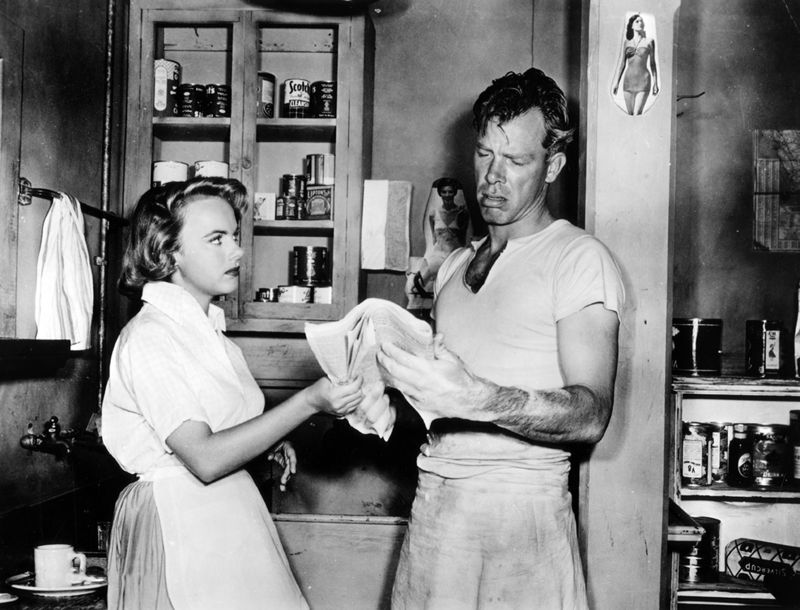
Happy 100 Sterling Hayden


6a00d83451cb7469e201bb08ce8058970d-800wi
Who cares about Easter tomorrow? It's all about today. Today, Sterling Hayden, one of the greatest actors and screen presences in the history of cinema, would have turned 100-years old. Not surprisingly, I've compared Hayden to Jesus Christ.

"Hayden is so Hayden you feel like you’re watching, not just an icon, but some kind of loser Jesus Christ. As if Kubrick’s idol Weegee were God and Hayden were his son — J.C. as a deep-voiced, lumbering ex-con with too-short a tie and a pouty lower lip."

That's from my 2015 piece for Sight & Sound about one of his greatest roles with one of the most powerful endings in cinema and one of the great last lines, uttered by Hayden, as Johnny Clay in Stanley Kubrick's The Killing. More on Jesus:

E252d12dbbc8aebfc1ab3a39f9cc2e21

"Hayden and Grey are still on the go, lamely attempting a taxi outside the airport while the police inch through the double glass doors. So what’s Hayden’s famed response to this spectacular ruin? It’s the resigned, quiet and tough, “Eh, what’s the difference?” That last line is so many things at once – deeply sad, it’s an embracing of nihilism and, yet, weirdly Zen. You’ll never escape Kubrick’s fateful frames, no matter how much Hayden’s big-boned body shoves through doors. Hayden’s trapped but his acceptance is so cool, so calm, so perfect, he almost busts through Kubrick’s maddening maze via pure acknowledgment. If doom could be motivating, Hayden is downright inspirational. Maybe he is Jesus Christ."

Read my entire piece here.

But also, take in Elliott Gould's take on Hayden. From my extensive 3-part interview with Gould, George Segal and Joseph Walsh about Robert Altman’s California Split (and a lot more). They loved Sterling Hayden:

6a00d83451cb7469e201b8d1b45121970c-800wi
Kim Morgan
: So you, George, and Elliott were both in movies with Sterling Hayden [Loving and The Long Goodbye].

Joseph Walsh: I loved Sterling in the movies, but I never met him personally. [To Segal and Gould] Did you love Sterling?

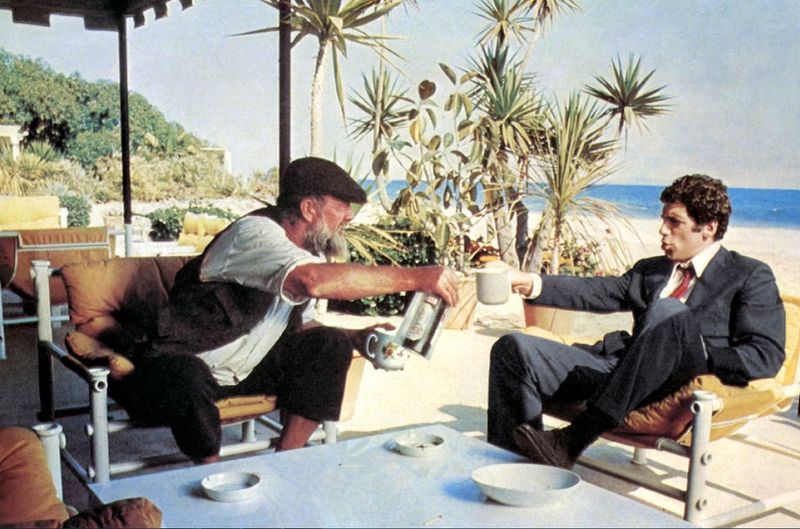
Elliott Gould: I loved him. Dan Blocker was supposed to play the part. He was a very good friend of Altman’s. Dan Blocker died and the picture almost went south. And so then we were talking about John Huston, who I loved. Bob cast Sterling Hayden. So Sterling had been in Ireland doing something with R. D. Laing, the poet and philosopher who wrote a book called Knots. And so I asked to spend a little time, a moment alone with Sterling in the house where we shot, where Kathryn and Bob lived, down in Malibu. So we spent that moment alone. And so I knew that Sterling knew that I knew that Sterling knew that I knew that Sterling knew that I understood him. So I just loved him.

6a00d83451cb7469e201bb08ce810d970d-800wi

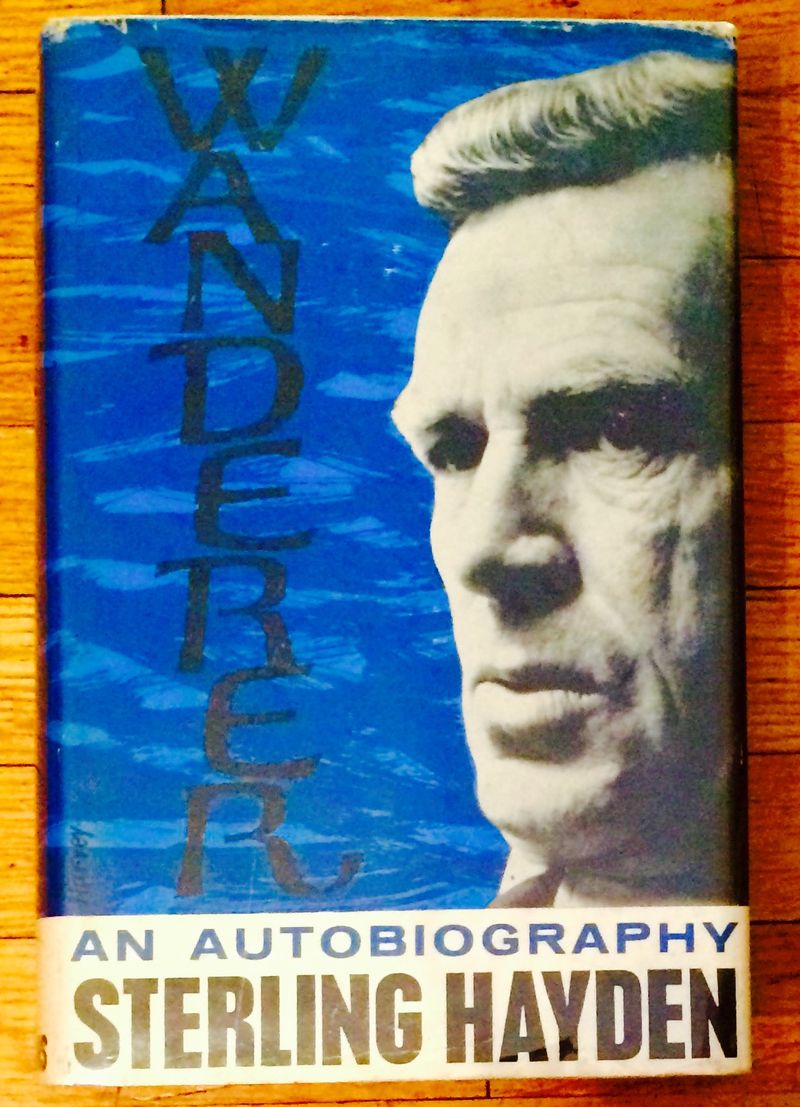
KM: Did you ever read his book Wanderer?

EG: Yes. When he kidnapped his kids, right?

JW: I liked the way he wanted to live his life, Sterling Hayden.

EG: I visited him on his péniche, which is like a barge. He had it in France on the Seine and I saw him there. And then he had it sent to Northern California and I visited him there too. He was a great guy. I think he worked in the Yugoslavian Underground during World War II.

JW: Did he really? Wow. Okay

Read the entire discussion here.

And Happy Birthday, titan, Sterling Hayden. 

50 Years Ago: Dorléac & Cul-De-Sac


6a00d83451cb7469e201b7c82016c8970b-800wi
Briefly, on Cul-de-sac. 50 years ago.

Roman Polanski emerged from the womb understanding the art of filmmaking. Or, perhaps, understanding the art of wombs — diseased, depraved, disordered and of course, provocative wombs. Cruelty, violence, twisted sexuality, madness, absurdity — many of Polanski's hallmark obsessions — are almost always confined to one space. The director loves nothing more than  trapping his characters in devil-worshiping apartment buildings, phallic, knife-wielding boat trips, sadomasochistic cruises and unhappy, unsound houses. And water frequently surrounds them.

Cul-de-sac_image_02

Cul-de-sac (1966) is a batshit crazy precursor to themes he would continually study: tortured relationships, bizarre, often charming alarming blonde women, infidelity, cross-dressing, even a bit of film noir, aided by the stalwart, gravel-voiced Lionel Stander, Cul-de-sac is stunningly, at times, brilliantly unhinged with a Pinteresque touch while remaining pure Polanski. 

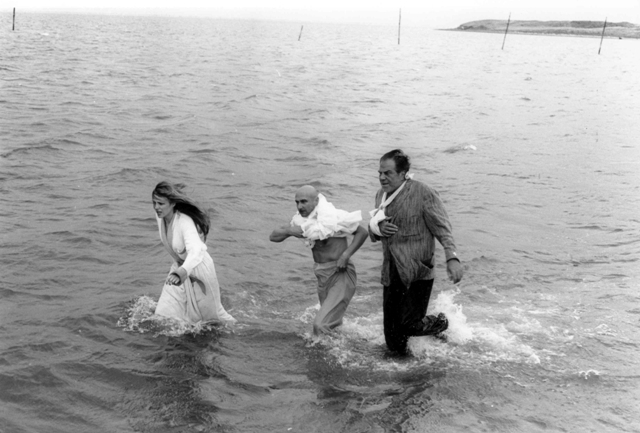
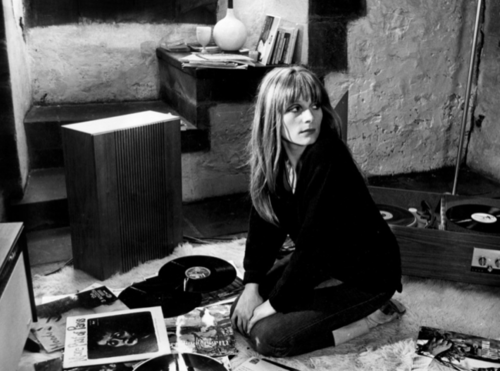
Donald Pleasence is the odd fellow living with a gorgeous, beguiling wife (the ever poignant Francoise Dorléac; sister to Catherine Deneuve, and an actress who left the world too soon), whom he keeps  in an enormous, isolated house on a tiny island off the northeast coast of Britain. Playing like an especially kinky Desperate Hours, the couple will be forced to host two escaped criminals (Stander and Jack MacGowran) after the thugs land at their nutty abode. And then things get…really interesting. But it's not just crime and entrapment that make the story compelling, it's all of the Polanski touches, particularly when he observes the idle activities of Dorléac. 

I love her character. Her feral nature mixed with mischief and intelligence and some other quality that might be deemed a bit crazy but, no, she's not crazy. She fascinating. A wonderfully weird, mysterious woman. Some may dismiss her as merely childish, but this is a woman — a woman who can revert to a girl (and what man hasn't reverted to bratty boy?) and a woman who is cheating on her cross-dressing husband. (Somehow, the cross-dressing isn't such a big deal, just curious and kinky, and not in the doubling, terrifying way Roman's tortured Tenant Trelkowski is). There's power dynamics going on in this relationship, but they are so muddy, that they seem more heightened versions of just how human we all are (but many of us keep hidden). We're all a blend of man, woman, cheater, sadist, masochist… makeup.

6a00d83451cb7469e20176176a271e970c-800wi

We're also often bored, no matter how crazy our relationship is. And Dorléac is expert at showing how perpetually bored she is, stuck in the house like a more spirited, extra primal Virgin Suicide sister, she engages in childlike activities to amuse herself. It's unhealthy for women to be stuck in the house all the time in Polanski pictures (Repulsion, Rosemary's Baby) and Dorléac knows it. She tears around the house barefoot, applies exaggerated eyeliner (or helps her husband with his), messes with rifles and, the best, and most hilarious, lights a sleeping Stander's feet on fire with burning pieces of newspaper between his toes ("It's called a bicycle" she taunts). Oh…you just don't do that to Lionel Stander. Or perhaps, you do. Between these two mismatched misfits, it's disarmingly sexy. Stander with a belt. She bolts. Polanski so expertly builds up to it, taking his time for us to observe, listen, laugh and flinch. And laugh again. And then feel a little sexually unnerved (in a good or bad way — or both) while laughing. Polanski's good at that.

3

These characters don't establish things like "safe" words nor do they understand the concept of such a thing, so the perversity, stark beauty, the isolation, the bleakness, the menacing sexuality and the insanity make the whole experience oppressive and ominous, yes, but also a black-humored good/bad time.

And, yes, you can have a good/bad time, especially with Francoise Dorléac.  

If you haven't already, go get yourself a beautiful copy of Cul-de-sac from Criterion.

Bette Davis & Oscar: The Star


6a00d83451cb7469e2014e86516f4f970d-800wi
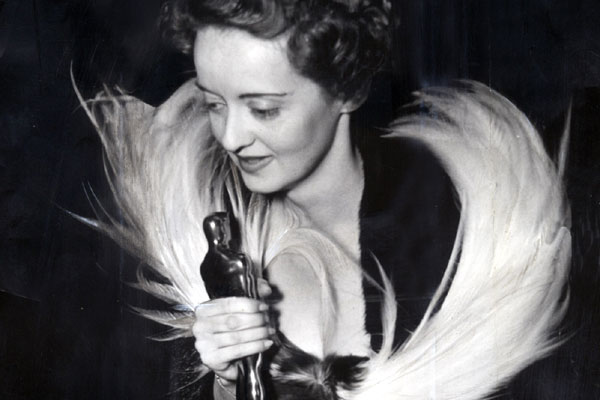
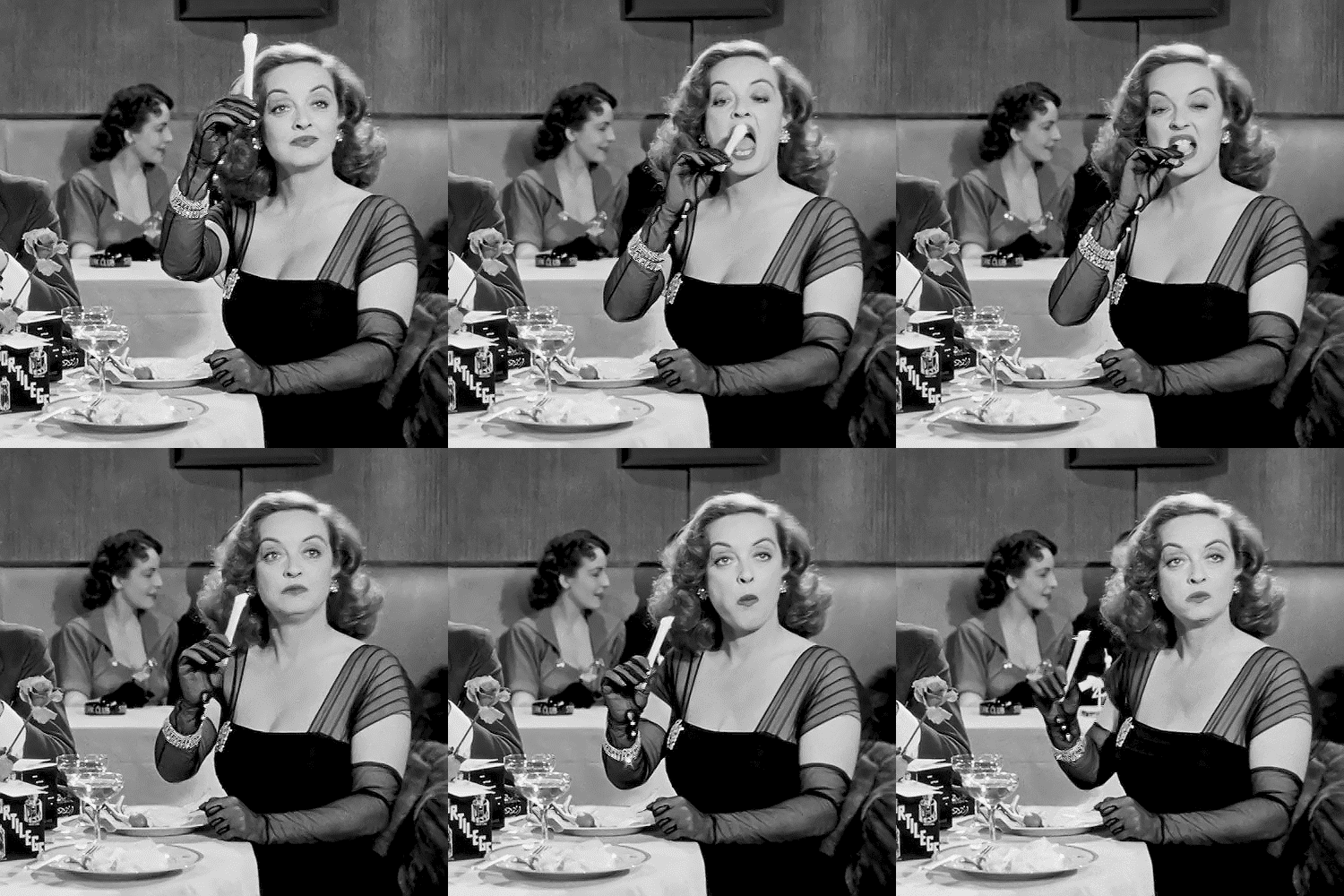
Bette Davis defines Oscar. After all, wasn't it the divine Ms. Davis who coined the Academy's golden boy as "Oscar?" The story goes that the little man's rear-end reminded the actress of her then-husband, Oscar, and clever Bette anointed it so. Whether or not this story is true (and it's more than likely, not) it doesn't matter to me.  Bette named the Oscar. Fact. No need to check. Print the legend. As Werner Herzog would say, it's ecstatically true. She was also, the Academy's first female president (and resigned in frustration). Bette, in performance and in real life, she's all Oscar –  the role, the telecast, the speech and the ensuing behavior after winning (or not winning) swirled into one nice circular motion of her ever-present cigarette.

Betty-Davis-1935-Vogue-6Feb14-rex_b_426x639-1

Because, as I've stated before, Bette Davis is every woman (and some men) wrapped into one: ugly and beautiful, sweet and biting, honest and deceitful, classy and vulgar. There isn't a side of Bette that every woman (and perhaps men) doesn't see in herself. Her face — those buggy eyes flickering with near-homeliness and yet an odd, sometimes exquisite beauty (never forget how uniquely gorgeous Bette was as a young starlet), sadness, insanity, malevolence, rage and finally, strength. And her little body — coiled up and ready to strike (as in Another Man's Poison) or sloppy and cruelly casual (like in What Ever Happened to Baby Jane?: "Here's your lunch" she announces to Joan before promptly serving her a rat) or lovely and wary (as in All This, and Heaven Too) or brassy and swishy (as in Jezebel) or an elegant liar (as in The Letter) or mousy turned gorgeous (as in Now, Voyager) or just plain gloriously melodramatic, then vulnerable (as in All About Eve) or bitchy, vain and heart-breaking, so desperate (as in The Star). 

The Star. Where Bette possesses her coveted golden boy but no one cares. Well, no one cares except the audience, Natalie Wood and Sterling Hayden (pretty damn good company). I always wished Bette had won another one for The Star (directed by Stuart Heisler). Bette's transformation in the picture is, to use that overused word, brave. But it is. Specifically because she didn't go emaciated, fat, ugly or crazy, she simply did … dumpy and, bitter, and down and out. She hit close to the bone and had to be thinking of her own life as an actress. Like Bette on a bad day with bad hair and bad frocks and a bad hangover and that kind of brutally honest insecurity actresses dare not discuss while looking blousy. They are older. They are vain. They are sensitive. The industry's harsh. They can't handle it.

In real life Bette could handle it, which is exactly why she could take on the tough material of The Star. How many actresses, in a wonderfully meta-moment, would look at their actual Academy Award and say: "Come on, Oscar, let's you and me get drunk!" before embarking on a dipsomaniacal star tour of jealousy and pity that results in an arrest — all with their statuette in tow? Perhaps in a comedy, but aside from real life  – and I'm sure plenty of washed-up winners have driven through Beverly Hills, their Oscar propped on the dash like a gilded GPS system, cursing the career of Jennifer Lawrence — not many would take it that far.

But, again, in the under-appreciated The Star, Bette takes it that far with her Margaret Elliot, a forty-something (looking more fifty-something, and still fantastic to me because she's Bette fucking Davis) ex-goddess — a part played with a believable amount of sympathetic sadness and unlikable self-absorption. And she holds up beautifully, feeling as relevant today as she did then. We know this woman has never lost her star power, even if studio's don't want her anymore (it's Bette Davis for chrissakes) and so the movie, while showcasing her unwillingness to let go (rather unfairly) does through virtue of Davis's powerful performance, blame both the cruelty of Hollywood and those living in a land of delusion.

6a00d83451cb7469e201b7c81ac142970b-800wi

You'll wince when you see her prospective boyfriend (a strapping Hayden) suggest she get a job at Saks Fifth Avenue, not because it's a bad job (she's broke after all), but because she'll later lose her mind working there, and… she's a talented actress. She should be acting. But you'll positively squirm when you watch her potentially triumphant screen test, something that turns disastrous when she can't accept that her washerwoman role isn't … sexy. Her realization of blowing it based on her own vanity doesn't punish her, however, you just feel for her. She sees what she did wrong. She cries. She accepts it. And, by film end, there's a freedom in returning to Hayden and embarking on a potentially easier life with him, aging out of the spotlight, but there's also a loss and sadness there. This woman should still be working. She's not Bette Davis in The Star, she's Margaret Elliot, but, really, she's Bette Davis. Thank goodness Bette never retired.

Tumblr_nkecjjs7Ud1qiwrzoo1_500

Because two-time Oscar winner Bette Davis was always the star and actress — her finest roles, her later spirited talk show appearances, bad TV, good TV, Burnt Offerings and all.

The auteur who prompted Norma Desmond to instinctively ready herself for her closeup, Mr. DeMille, has an award named after him (a Golden Globe). I think it's about time Ms. Davis did too. As she said of herself, "In this business until you're known as a monster you're not a star." She also said, "I'm the nicest goddamn dame that ever lived." Indeed. Enjoy (or don't enjoy) the Oscars. And, really, do take Fountain. 

Beyond The Beyond: Music & David Lynch

6a00d83451cb7469e201b7c89048c9970b-800wi

David Lynch to Angelo Badalamenti:
 
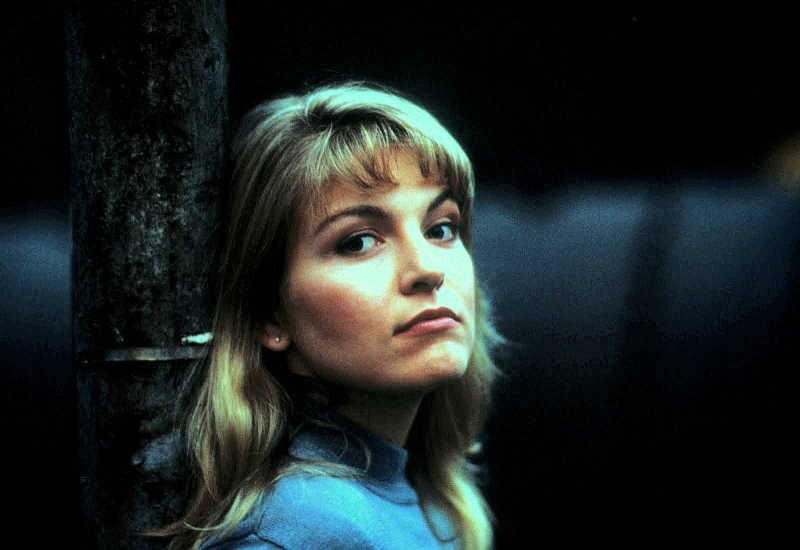
"We’re in a dark woods. There’s a soft wind blowing through some sycamore trees and the moon’s out, and animal sounds in the background, and you can hear the hoot of an owl, and [again] you’re in the dark woods… just get me into that beautiful darkness with the soft wind… From behind a tree in the back of the woods is this very lonely girl. Her name is Laura Palmer and it’s very sad…”
 
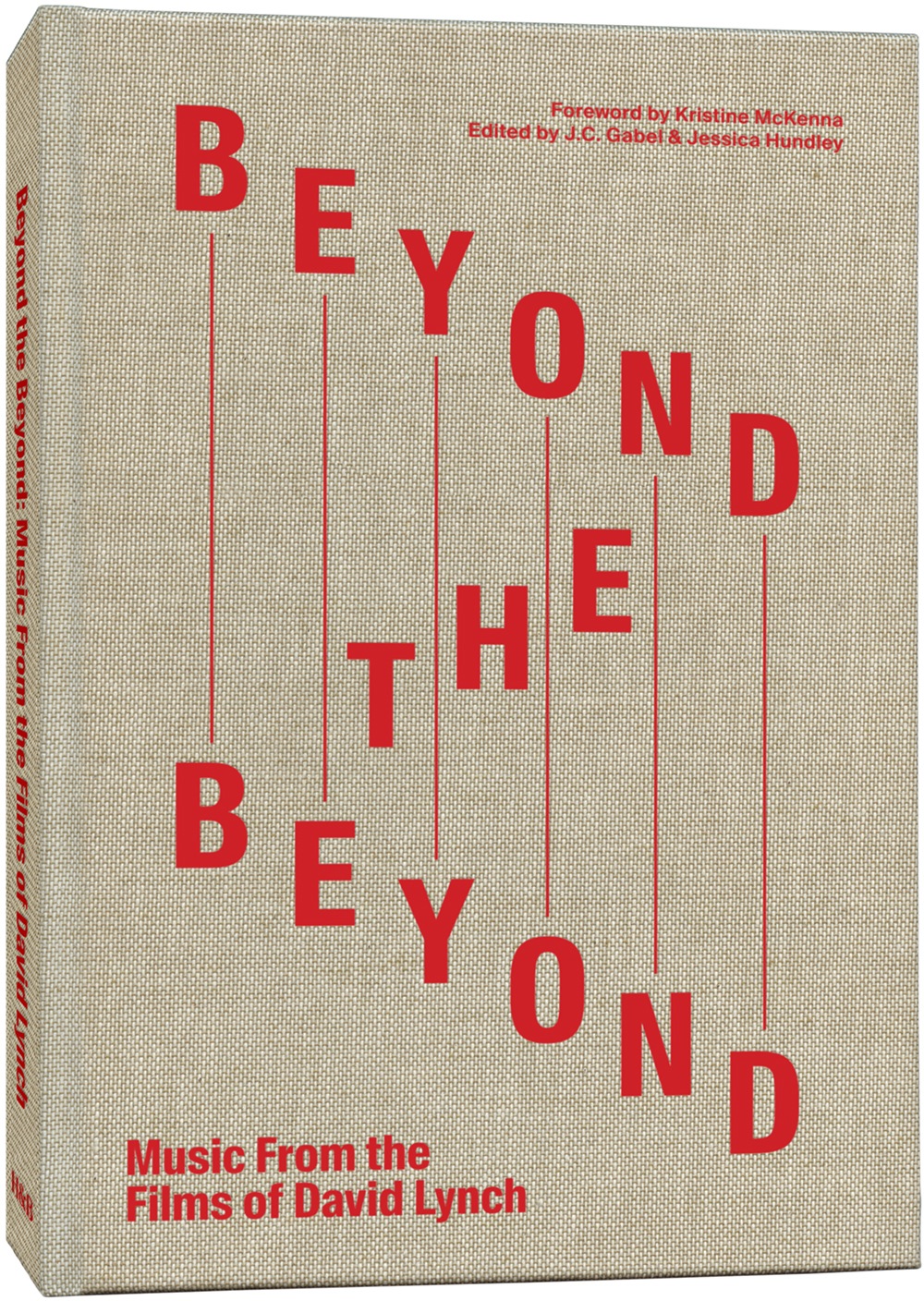
I'm thrilled to have contributed to this big beautiful book on David Lynch and music, Beyond The Beyond: Music From the Films of David Lynch, to be released in April. I wrote the chapter on the music of Twin Peaks, entitled "The Extended Refrain," an undertaking that haunted me more than I could have imagined. It kept me up at nights, "The Nightingale" swirling through my brain, images of Donna Hayward's tears and Laura Palmer's face flashing on the TV, those deep dark Pacific Northwest woods … it brought me back to the show, it brought me back to my childhood and it brought me back to the mysterious Laura.
 
Lynch
 
Here's more information, from the publisher, Hat & Beard:
 
"From his early short films made in Philadelphia in the 1960s up through more recent feature films like Inland Empire (2006), legendary artist and director David Lynch (born 1946) has used sound to build mood, subvert audience expectations and create new layers of affective meaning. Produced in conjunction with Lynch, Beyond the Beyond: Music from the Films of David Lynch explores the use of music and sound in Lynch’s films, as well as his own original music, and draws on the director's personal archives of photographs and ephemera from Eraserhead onward. This volume also features interviews with more than a dozen popular contemporary musicians who performed at the Ace Hotel’s April 2015 benefit for the David Lynch Foundation, including The Flaming Lips, Duran Duran, Moby, Sky Ferreira, Lykke Li, Karen O, Donovan, Angelo Badalamenti, Jim James, Chrysta Bell, Tennis, Twin Peaks and Zola Jesus. This limited-edition book also comes with a companion CD featuring a live recording of the Ace Hotel concert."


You can pre-order the book here.


Tarantino: The Sight & Sound Excerpt

6a00d83451cb7469e201b7c8041584970b-800wi
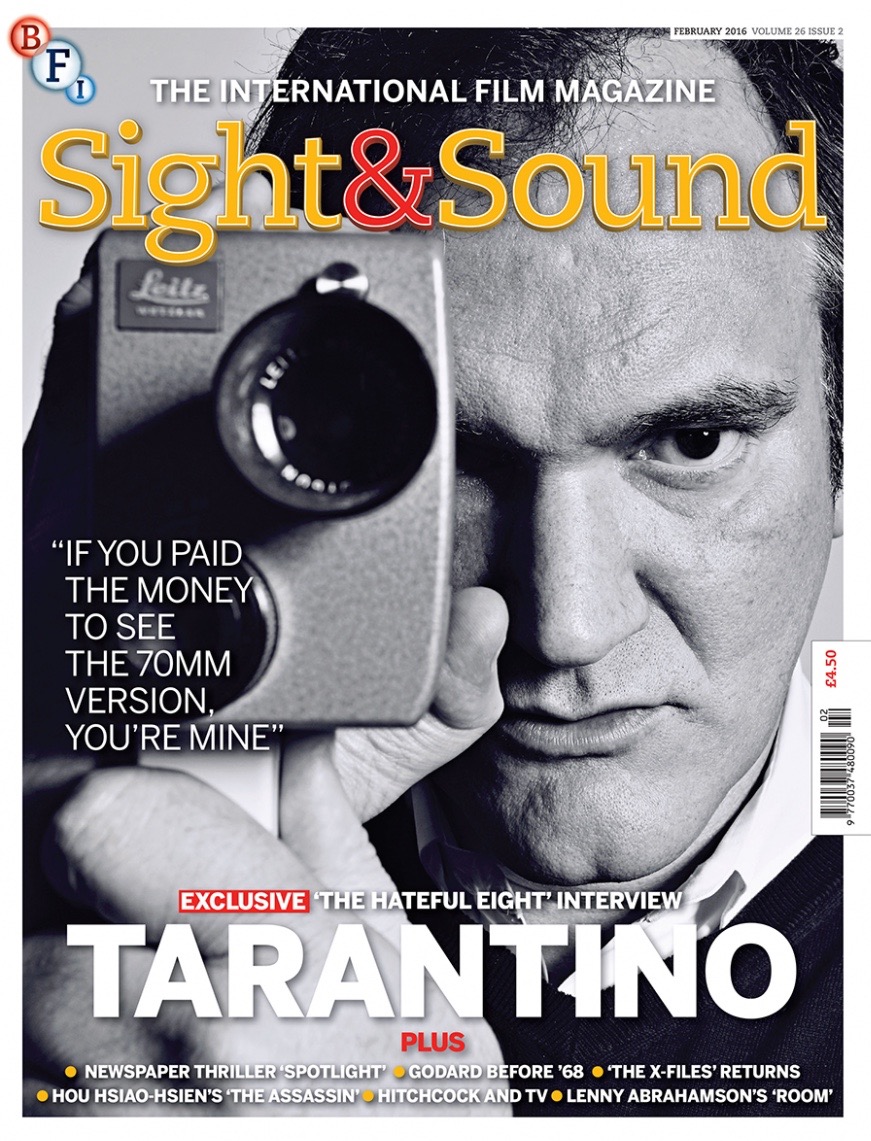
The new Sight & Sound features my ten-page interview with its February cover star, Quentin Tarantino, and they have graciously allowed me to excerpt a portion of the extensive Q&A here. This is a nice chunk of it, but there's so much more in the magazine, from getting to know his characters, to the Roadshow appeal of The Hateful Eight and themes in the movie, to movie violence, to Leonardo DiCaprio's character in Django, to shooting on Ultra Panavision, to his own theater in Los Angeles, The New Beverly (shout out to Clu Gulager in the issue), to his love of old film prints, to interesting thoughts and facts about his past movies, and much, much more. Dig in and read it all via the magazine (buy a copy here). For now, check out these choice moments from the interview.

6a00d83451cb7469e201b7c804911e970b-800wi

“There was a whole lot of speculation from some people about this whole 70mm thing, as in, that’s really great, but it’s just this set-bound parlor piece, so isn’t it just a big old fucking waste of time and money? And, I think that’s a shallow view of how 70mm can be employed. It’s not just to shoot the Seven Wonders of the World, the Sahara desert and mountain ranges. You can do more than just shoot weather…. I’ve shot a lot of movies with Sam Jackson but I don’t think I’ve ever gotten the close-ups of him that I’ve got in this. You drink in the chocolate of his skin, you swim in those eyes… And also, it becomes about the dialogue.”  – Quentin Tarantino

Hateful 8 sam jackson

KM: The Hateful Eight: This is another western and, in many ways, like Django [2012] a political one. You’ve said that you originally didn’t think of it politically in terms of current times and, yet, the movie has become that. The western genre is often an effective way to explore psychological, political and cultural themes, and through the history of cinema… would you agree?

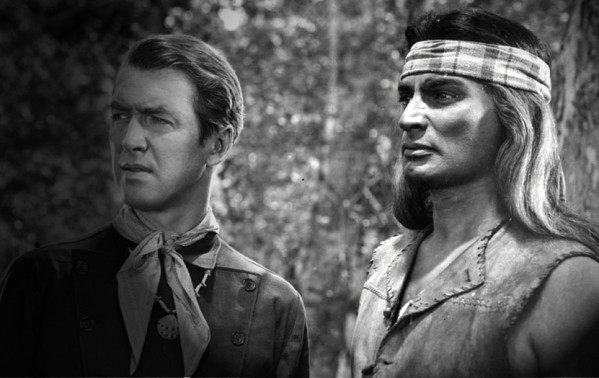
QT: I’ve always felt that actually. I’ve always felt, and, especially if you read any of the really interesting subtextual criticism on westerns, especially leading into the late 60s and into the 70s, westerns have always done a pretty good job reflecting the decade in which they were made without seemingly trying to. When westerns were probably at their most popular, during the 50s, they definitely put forth an Eisenhower-esque America. And it was also an America and an American west that was flush with American exceptionalism — having just won World War II and the advent of the suburbs. That was very important to westerns back them. And even, in an interesting way, while they weren’t bold enough in the 50s to deal with the race problem in America … they actually tried to somewhat deal with black and white issues via Indian and white issues… like [Delmer Daves’s] Broken Arrow [1950] … 

 Broken Arrow Chanlder, Stewart

And, that followed suit with the first half of the 60s, which was basically the 50s part II. But in 1966 on, things started changing and spaghetti westerns went a long way toward doing that: the stylization, the use of music, but also the counterculture. So by '68, '69, '70 and '71, you had the hippie westerns, the counterculture westerns, whether they be Kid Blue [1973] or The Hired Hand [1971] or Zachariah [1971], things like that. The 70s, particularly in America, was one of the best times for the western. And the changes went further into the 70s; it increased as the decade went on, [in terms of] the true “anti-western.” Because so many of the different westerns at that time dealt with the Vietnam War, in one way or another.

KM: Like Robert Aldrich’s Ulzana's Raid [1972]…

QT: Yes. Ulzana's Raid is the perfect example. Most of the Vietnam metaphor movies don’t work quite as well any more because you’re thinking, “Well, why didn’t you just make a movie about Vietnam?” Ulzana's Raid actually still completely works as a Vietnam metaphor, because that was underneath it, and what was on top of it was a war movie about the American Indian wars, about the calvary fighting a nomad army, about how warfare like that is done. So it was legitimately a war movie about those times and taken seriously as a war movie in a way that most movies dealing with that subject didn’t do. But you had a situation during that era, of, 'We can’t trust our government for getting us into this war, they said it was this; it wasn’t, we don’t trust them …' all the different hypocrisies that kept rearing their ugly heads leading to Watergate.

6a00d83451cb7469e201bb08a93bb9970d-800wi

And so one of the things that was so interesting about that new Hollywood time period, and particularly reflected from 69-74, not only did the happy ending go away, it was the vogue to have the cynical ending — the cynical, hypocritical, tragic ending. We were cynical about America and these movies just confirmed our cynicism about the subjects. And because we were cynical about America, you see movies that rip down the statues that we had built. So you see Frank Perry’s Doc [1971], which skewers the Wyatt Earp legend. And then, after everyone from Roy Rogers to almost everybody else playing Jesse James, you have Robert Duvall playing Jesse James in The Great Northfield Minnesota Raid (1972) where he’s a homicidal maniac; it’s completely horrifying. And then Michael J. Pollard in Dirty Little Billy [1971]… 

Dirty Little Billy

KM: Billy "was a punk”

QT: [Laughs] Exactly, right. And Michael J. Pollard looking like that one famous photos of William H. Bonney, more than Robert Taylor ever did. [Laughs]. The Great Northfield Minnesota Raid (is miles away from the Tyrone Power Jesse James movie. And leading to the most overt Watergate Western, Posse [1975], directed by Kirk Douglas, starring Douglas and Bruce Dern; written by William Roberts, who wrote the screenplay for The Magnificent Seven [1960]. 

KM: And in terms of The Hateful Eight, recently, in your real life politically, it’s interesting because you’ve had all of this…

QT: Brouhaha [Laughs]

KM: Yes. Brouhaha with the police, which became ridiculous. No one with any sense can be on board with their statements and methods towards protesting you — the intimidation.

6a00d83451cb7469e201bb08a8c6f9970d-800wi

QT: Oh, yeah I know. It’s been an interesting four weeks as far as that was concerned [Laughs]. The first week, everyone was piling on me. And then, the second week, I react to it and that was kind of interesting because all of a sudden, everyone on TV ended up having some sort of say about it, so I thought, “Wow, this is good that this much about police brutality is being dealt with and is in the news so much.” And then the cops do themselves no favors by issuing genuine threats. The funny part about it is, people ask, “Well, are you worried?” And of course I’m not worried. At the end of the day I don’t feel that the police are some sort of sinister Black Hand organization that singles out private citizens to fuck over. Nevertheless, a civil service entity shouldn’t even be putting out threats, even in a rhetorical nature, towards private citizens and the fact that they’re using language that makes them sounds like bad guys in an 80s action movie doesn’t help their cause any. In fact, it almost makes my cause. Almost sounds as if they’re out of touch. [Laughs] 

6a00d83451cb7469e201bb08a8c725970d-800wi

KM: About [Jennifer Jason Leigh's Daisy Domergue] character: It might be a bit controversial for some because she gets smacked around a lot; she’s taking it as tough as anyone else and that she’s endured this before is part of who she is…

QT: There’s an interesting aspect to that. No one’s yet to nail me personally or in person about that aspect: that she takes so much abuse in the course of the movie and I’m almost looking forward to it because I’m curious exactly where they’re coming from. You feel it ripple through the audience the first few times she gets the shit beat out of her. And you feel it in old movies too, you know, when the girl is hysterical and the guy just smacks the shit out of her: “I’m sorry honey I hated to do that but you’re off your nut.” [Laughs] But that’s different. When Daisy is really hit the first time, she’s saying rude shit: “You’re not going to let that ni**** in here?” And he cracks her skull.

KM: And the first time he hits her it follows with such a powerful close-up. Her slightly vulnerable and then, angry face. You have a lot of mixed feelings when you see that shot. You do feel for her. You’ve just met her. How despicable is she?

Hateful-eight-dern-russel-leigh--630xauto-55331

QT: Oh, I think it’s one of the best shots. And, yes, yes, all of those questions are left to be answered. She’s definitely a rude, hateful bitch, that’s for damn sure, but his response is so brutal. He didn’t just punch her; he takes the butt of his gun and cracks her in the skull really hard. And that close-up, yes, she’s fantastic in the close-up. And you realize just how bad he hit her when the blood starts dripping down her face. But you have this feeling of, “Ohhh… this is going to be that kind of movie” and it’s just starting off. And nobody’s not going to be on Daisy’s side after that, in some way or another, because you’ll think, John Ruth is a brutal, brutal man. And you’re right: John Ruth is a brutal, brutal man. If the movie were on John Ruth’s side at that point well, then, maybe somebody might have a more righteous pen, writing a subtextual article about it. But the movie is obviously not on John Ruth’s side at that point. And especially in the stagecoach… But then things change as they go on. It’s part of the way the story works; anything can happen to any one of these eight characters. The idea that I would give a female character some blanket coat of invincibility in that regard is just a ridiculous concept; it would be detrimental to her and to the sex of her character if I played any favorites.

KM: One thing I find interesting about the old western shows and that time in television in general, was that it was this period in television during which some seasoned, interesting directors like Joseph H. Lewis, were directing episodes of The Rifleman while newer guys coming in, like Robert Altman, was directing Bonanza.

QT: Yep. Bonanza, Combat!

6a00d83451cb7469e201b7c804915b970b-800wi

KM: And then you had John Cassavetes starring in Johnny Staccato [1959-60] and Ben Gazzara in Run For Your Life [1965-68] and then an old movie star like Barbara Stanwyck leading The Big Valley [1965-69]. And, on top of that, you’d see all these unique, particular talents with guest stars like Warren Oates, Warren Oates doing all kinds of things…

QT: Him and Bruce Dern were sidekicks in Stoney Burke [1962-63] the Jack Lord rodeo show.

KM: Yes. A show with great cold openings!  And then The Virginian [1962-71]…

Virginian lee marvin in sam fuller's it tolls for thee

QT: [Laughs] Yeah. I’m a huge fan of, in particular the William Whitney episodes of The Virginian. His episodes are really terrific because he actually had the budget that he didn’t quite have while at Republic. They were like 90-minute movies and were actually released as movies overseas. But. Sam Fuller did a magnificent episode of The Virginian ["It Tolls For Thee," 1962], which he wrote and directed. It’s a Sam Fuller episode in every way. It stars Lee Marvin as the bad guy who kidnaps Lee J. Cobb and the episode is all about that kidnapping. Marvin and Fuller wouldn’t work together again until The Big Red One. It’s Sam Fuller dialogue from beginning to end. And, I have to say; I took one line from it for The Hateful Eight. I won’t say the line in my movie but I’ll say the line from The Virginian: Lee Marvin runs an outlaw gang and then another guy in the gang, a guy named Sharkey, starts talking to the gang to try to get them to forget about Lee Marvin and Lee Marvin just shoots him in the back. Lee Marvin says, “One measly bullet and there goes the problem of Sharkey.” [Laughs]
KM: The Hateful Eight, it’s not timeless, but because there’s a sometimes-modern subtext to the characters, and timeless issues we’re contending with today, it doesn’t feel simply rooted in the past. Looking at people from the past, they often are more radical looking than we think, in terms of appearance, especially people in the west…

6a00d83451cb7469e201b8d18e0589970c-800wi

QT: There definitely is that. There is a spaghetti western-ish patina to the characters, for lack of a better adjective. Most of the really interesting characters in the Spaghetti Western have a comic-book feel, as if they were drawn. And the costumes themselves have this comic-book artist kind of fetishistic quality to them. Then you think of all of Leone’s films and most of Sergio Corbucci westerns were done by Carol Sini, who was the costumer designer and the production designer, and he did the props. Can you imagine the guy who came up with the Django costume and Angel Eyes’ costume and the Man with No Name costume he, also, like, found the circular graveyard in The Good, the Bad and the Ugly [1966] or that fucking rope bridge over the quicksand or the fucking muddy town in Django? I mean, what a genius! That level of work is almost unfathomable. I did show Courtney Hoffman, my costume designer, a bunch of Carlo Sini movies and she got it. The character’s costumes have to pop before the characters. With Sam Jackson that’s easy because he comes with a big personality on his own. He fills out that batwing, yellow underlining just perfect [Laughs].

KM: In terms of actors, I know that two of your favorite actors are Aldo Ray and Ralph Meeker. Is there anything about an actor, or those two guys in particular, that informs a cinematic aesthetic? Just an actor and a style, the world around them…

Nightfall_1957-02

QT: Well, actually, literally in the case of Bruce Willis in Pulp Fiction [1994] it did. What I liked about Bruce Willis is that he reminded me a 50s leading man. He still has that quality now. He reminded me of a Ralph Meeker, Aldo Ray, and Brian Keith kind of man. I went to his house and we did actually watch one print of an Aldo Ray movie, we watched Nightfall [1957].

KM: A great movie. And with an evil Brian Keith too. They have great banter in that movie.

QT: They have fantastic banter. And Brian Keith is excellent. I’m a big fan of Brian Keith in all of his Phil Karlson movies too. With the rise of the great 70s leading man, with the rise of Elliott Gould, Jack Nicholson, Donald Sutherland, Dustin Hoffman and George Segal, the one thing that took a hit were people like that Brian Keith leading man.

KM: Who are the actors you’ve most have wanted to work with?

6a00d83451cb7469e201bb08a8ce63970d-800wi

QT: Obviously, Ralph Meeker and Aldo Ray are two of them. Michael Parks, in his day. I worked with him but in his day would have been nice. Robert Blake in his day. I would work with Robert Blake tomorrow, now would be nice too. I would have loved to work with Bette Davis in her day or out of her day. In the early 60s, in the 40s, 30s to Burnt Offerings [1976] time. All good. TV movie time. All good. I’d love to work with Al Pacino now, I just saw him in the new Mamet play and he was terrific. I might even want to work with him now more, even more than his Serpico [1973] days. I would love to have Al Pacino rip snorting through my dialogue.

KM: We’ve talked about 70s movies; where you feel like movies like that aren’t made anymore. That it really feels like it takes place in 1970. One movie from the 70s that I always find amazing that it did so well, given one famous, disturbing sequence, is Deliverance [1972] … Could anyone make that film today? Like that?

Diary of a Mad Housewife

QT: Oh, I know. I saw Deliverance in 1972 in a double feature with The Wild Bunch [1969] at the Tarzana Movies, the Tarzana Six, back when it was a big deal that six theaters were in one place. And recently I’ve been writing a piece of film writing, just for my own edification, and I’ve been going through some of the films and imagery that I saw in 1970 and 71. So, in 1970, I saw, at the counterculture Tiffany Theater, at age 8, a double feature of Joe and Where’s Poppa? That same year I saw a double feature of The Owl and the Pussycat and The Diary of a Mad Housewife. In 1970 I saw Richard Harris be hoisted by his nipples in A Man Called Horse. In 1970, I didn’t see Women in Love but I saw the trailer for Women in Love that had the naked wresting match between Oliver Reed and Alan Bates. And in 1972, forget about all the things I saw in The French Connection, I saw the slow motion bullet kills in The Wild Bunch only to see Ned Beatty fucked in the ass in Deliverance.

KM: Wow.

QT: That movie, rocked my world as a kid. When I saw the butt-fucking scene in Deliverance, I didn’t know what sodomy was, as a kid. What I did know was that he was being humiliated. And I did know those guys were fucking scary. That’s what I knew. Well, I was right. He was being humiliated, he was being subjugated by really scary people who were imposing their will over him. That is what it was about. It wasn’t about the sex. The one part that would freak adults out went over my head but I actually got it [what it meant]. And that made me not want to go camping. [Laughs] But then the other part of the movie that blew my mind was that, in every way shape or form, Burt Reynolds is set up to be the hero in the first 45 minutes, and he does fit that function during that encounter. But then shortly thereafter he’s fucked up and that’s it [claps hands together]. He’s completely useless.

KM: And then it’s all up to Jon Voight…

QT: It’s all up to Jon Voight. That’s still one of the best movies ever made about, for lack of a better word, masculinity.

KM: … I can’t really compare you to any director…

QT: But if you could, who would you compare to me to? In the last twenty years?

6a00d83451cb7469e201bb08a967c4970d-800wi

KM: I can’t think of anyone contemporary. The one director I see a brotherhood with, though, is Robert Aldrich because he could do tight smaller picture like Kiss Me Deadly [1955] and then he’d do an epic, irreverent movie like The Dirty Dozen [1967]. Like Reservoir Dogs [1992] to your Basterds [2009]

QT: Well, I’m a student of Aldrich.

KM: You need to do a woman’s picture then [I consider Jackie Brown a woman's picture, actually] ! Like his Autumn Leaves [1956].

QT: The Killing of Sister George [1968] for me! [Laughs]

KM: What about the The Legend of Lylah Clare [1968]?

The Killing of Sister George

QT: Oh, I don’t like that one! That’s awful. Even I can’t get through that one and I love Aldrich. I’ve tried! I keep trying! Every time it’s on TCM I record it and I give it another attempt. [Laughs] But The Killing of Sister George I do love.

KM: When I saw the live read [my piece here], I thought about old confinement movies, like Felix Feist’s The Threat [1949] — the live read and the movie have also been compared to Ten Little Indians [1965] or The Petrified Forest [1936] which was originally a play, did those influence any of this?

QT: I didn’t watch The Petrified Forest again and I didn’t rewatch Key Largo [1948]. But, frankly, to tell you the truth, I did watch some B movies that could be considered plays. I watched Shack Out on 101 [1955],  which plays like twisted Eugene O’ Neil.

KM: These would make great stage plays. Why not remake some of these pictures at plays? Like Detour [1945] on stage?

6a00d83451cb7469e201bb08a8c83f970d-800wi

QT: Absolutely they would make great stage plays. I watched a lot of the movies that would be terrific plays. For instance, one spaghetti western could be done on stage. It takes place at a weird middle ground between a place like Minnie’s Haberdashery and the place where they all hang out at the beginning of Once Upon a Time in the West [1968]. It’s called Shoot the Living and Pray for the Dead [1971] with Klaus Kinksi… Or something like The Outcast of Poker Flats… But then also, as we discussed, it was very much influenced by 60s TV westerns. I also watched a lot of the TV westerns that had a home invasion kind of vibe. There’s a Virginian episode where Darren McGavin and David Carradine take over the Shiloh Ranch and hold everybody hostage… There was one line in that Virginian episode that was so fucking good. And there was no way I could have made [that line] work, but I wanted to. Darren McGavin shows up at the Shiloh Ranch, he ends up shooting a couple of people just to make his point, but one of them is the cook. And then he makes Betsy, Roberta Shore, make him some dinner. So he’s at Lee J. Cobb's table and he’s eating his food and he’s talking shit, and then he finishes and he goes, “Wow. That meal was really unmemorable. Always remember: Don’t shoot the cook.” [Laughs] That’s a great line!
There's much more to read, so check out the entire interview at Sight & Sound and buy the issue here

6a00d83451cb7469e201bb08a8c9f9970d-800wi And, for further reading, my 2009 interview with Tarantino, talking Basterds, George Sanders, Meeker and more.

Feb. Sight & Sound: Quentin Tarantino

6a00d83451cb7469e201bb08a8c9f9970d-800wiPick up the February edition of Sight & Sound and read my ten page interview with its cover star, Quentin Tarantino. We get into it: The Hateful Eight, old TV westerns ("The Virginian" especially), movie violence, police brutality, Snoop Dogg's resemblance to Lee Van Cleef and a whole helluva lot more. Quentin gives good interview. From Sight & Sound:

"As The Hateful Eight hits UK cinemas and a retrospective season of Tarantino’s other movies starts at BFI Southbank, Kim Morgan visited the director at his Los Angeles home, where they sat down for a long, lively conversation that ranged over Tarantino’s career from Reservoir Dogs to today, delved deep into his love of westerns, the joys of seeing films in original format prints, the impact of seeing Deliverance as a boy, race and policing in America today and a whole lot more besides."


Talking Christmas With Shane Black


6a00d83451cb7469e201b8d1886c62970c-800wi
Shane Black makes a good cup of coffee. It’s December 21st, 2015, the holiday season, a perfect time to meet Shane Black. I’m watching Black work his coffee maker in his kitchen. He finds me cream. I find it disarmingly sweet, charming that we’re in his enormous, beautiful 1920's-era mansion, and he’s making me coffee. He’s wearing socks, no shoes. His two handsome dogs are running all over the kitchen. They jump on me, and he nicely tells them to stop. He loves his dogs and we watch one dive into the pool. Later we’ll walk around his house, check out a secret room with a delicious past and look at his libraries which includes lots of great vintage pulps with fantastic covers and countless original issues of “Doc Savage” and “The Shadow” as well as modern and classic mysteries and thrillers (some he calls “shitty” but likes reading them anyway, which is refreshing) and more and more. We talk for a long time about numerous topics and he's candid and unexpected. Endlessly fascinating, the boyish, but wise Black is honest, opinionated, pensive, incredibly intelligent, funny and self-effacing in a unique way. He’s unlike anyone I’ve ever met.

6a00d83451cb7469e201b7c7fe9655970b-800wi

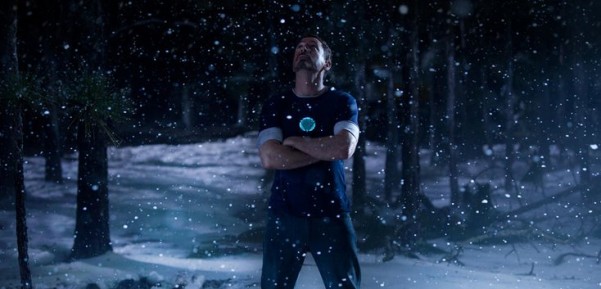
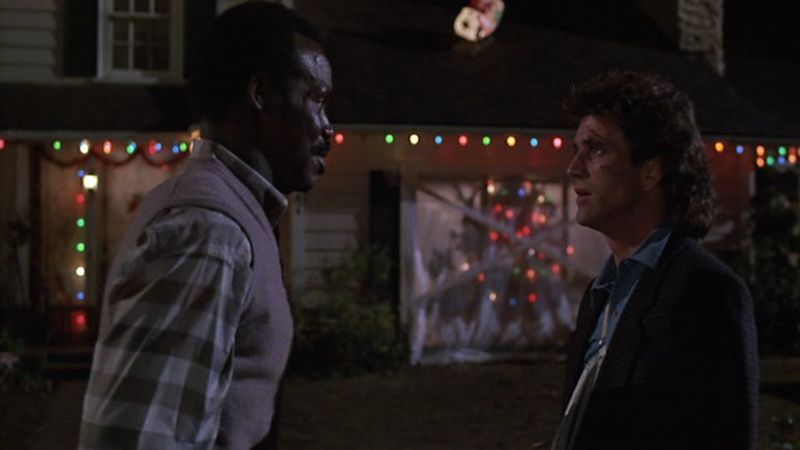
My interview with Black is for a much larger piece I will publish later. But, for now, I’m only sharing an excerpt, one that befits the holiday. Because there’s a consistent, the singular and often brilliant screenwriter and director (Lethal Weapon, The Last Boy Scout, The Long Kiss Goodnight, Kiss Kiss Bang Bang, Iron Man Three, the Amazon pilot Edge, and the upcoming and The Nice Guys, as well as the recently announced Doc Savage and Predator), is famous for: setting his movies during Christmas. I've written about Black's Christmas before and asked, within the piece, for him to further illuminate his Christmas fixation. When I finally met him during this holiday season, he did. And he did so beautifully.

Longkiss

Kim Morgan: I am going to ask you a question that everyone asks you because all of your movies take place during Christmas. What happened? Are you obsessed with Christmas?

Shane Black: I’m not obsessed with Christmas, I’m only obsessed with Christmas in movies. It grounds me, it makes me comfortable and happy to escape wherever I am into a movie that’s set at Christmas because you recognize that the hush that comes and the sort of rarified arena that it provides at that time of year [is good] for drama to take place. And also I think, the isolation people feel at Christmas is important (and also being in a blizzard is wonderful). The homecoming feel of people striving to come back to something at Christmas is important and also, just in Los Angeles, the way you have to dig for it. How, just tiny bits of Christmas exist here but they are things you have to unearth. Like, I remember walking at Christmas and seeing a little Mexican lunch truck with a broken Madonna and a candle in it. And I thought, that is as much, that is as powerful, as talismanic a bit of Christmas as the 40-foot tree at the White House. It’s like little guiding beacons to something we all recognize as a time to put things aside and focus momentarily on the retrospective of our lives; a spiritual kind of reckoning where we’ve been and where we’re all going to. All these things, I just love it in movies.

6a00d83451cb7469e201b8d1886bb6970c-800wi

KM: And again, it can also be so incredibly lonely…

SB: Don’t make me cry [Laughs] Look around. I’ve got two dogs and a big house.

KM: Christmas in Los Angeles is very strange. When it’s absurdly hot, the decorations on Hollywood Blvd. are just sagging there, all depressed and dejected looking. It seems cliché, but it’s like all those with sagging hope and dreams, trudging around the city, trying to keep it cheery. It can be so depressing and touching. And so dark, in the light.

CVZ8MJfU4AA-rN8

SB: If you like noir — the idea of little glowy bits, striving for some kind of attention in the middle of a non-snowy downtown L.A. landscape, the iconic nature of Christmas, that’s sort of blotted-out or hidden, but that still informs everything around it. Noir is about awakening from paranoia, hatred and depression to latch onto the one true thing that you have and inkling of. And that inkling sustains your faith throughout. And by the end, hopefully by the end: “I believe that one thing; everything else is falling apart, I’m shot and I’m dying but it’s for a reason because I believe one thing.” And so, to embody that as Christmas in L.A. I don’t know that it means any specific thing to believe in but it just means something.

KM: And that trying to believe, and during Christmas in Los Angeles… I mean, there’s that Scientology Santa siting there, adding to the surrealism and even darkness. That feels noir and almost Lynchian. You can feel so lost…

SB: Yes.

KM: But, then, in my neighborhood Koreatown, I’ll hear Mexican families singing and holding candles. It’s so haunting and lovely and far more beautiful than pristine decorations in Beverly Hills.

Tumblr_mybqbq5x8D1qzheh0o1_1280

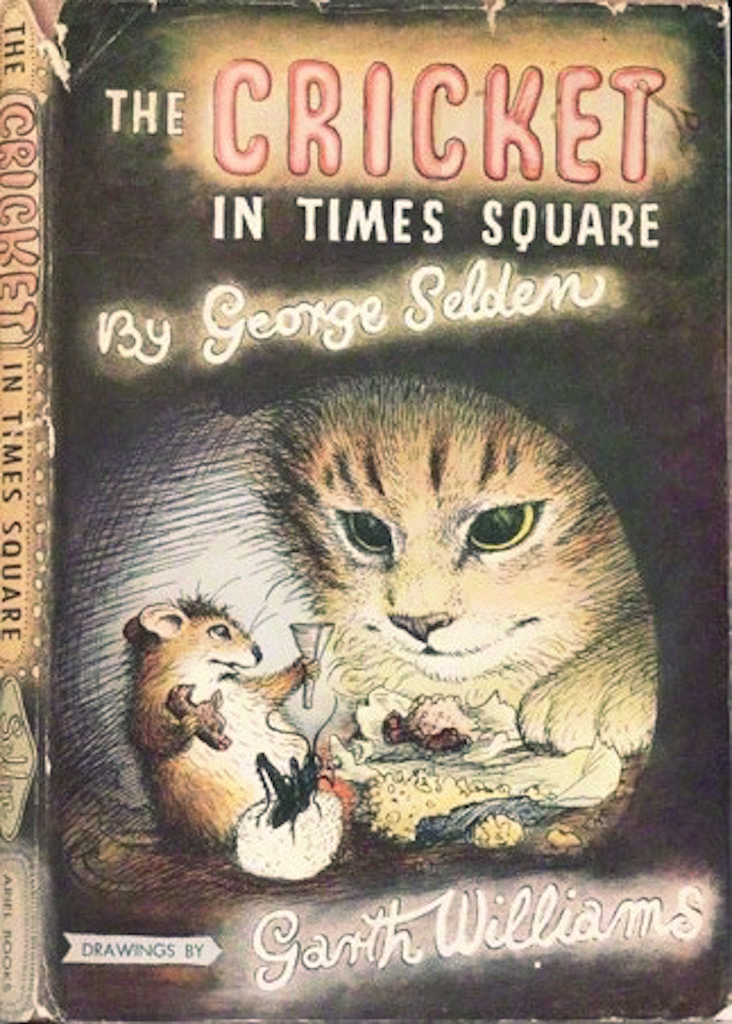
SB: Well, to me, when I was a kid it’s something that had a heavy impact, I was walking downtown Pittsburgh on a street, and it was late at night, the wind was blowing, and it was very dark, and all of a sudden down the street, for some reason the streetlight went out and there was just a woman, a fat woman, who was just sort of standing in the window looking out and there was just this one little thing of light, it was chiaroscuro, everything else was dark, and the idea of beacons, and the candles in the woods. I talk about the Robert Frost poem, being lost in a dark wood, and the idea of the secret light in the window, also seeing a light in a window and knowing that there’s a destination that’s vaguely seen or even sensed but not quite seen, and just so far off the path you can go to, and the lights that could steer you back onto the path; it’s vague and if you put those images in a movie one in a thousand people will say “Yeah, it was about being taken off the path and finding your beacon.”  But, there is that element of me that’s just… the magic underneath Christmas we are briefly, almost fleetingly, aware of a magic that could be there. If we just stopped long enough to pay attention. And the perfect expression of this, more than anything else I could ever tell you is, "The Cricket in Time’s Square." Christmas in Time’s Square with that little cricket, that’s what we’re talking about. That’s noir.

6a00d83451cb7469e201b8d1886c55970c-800wi

Merry Christmas. Now go watch some Shane Black. Or read The Cricket in Time's Square. And stay tuned for my longer interview with Black.

Milk Blood Bone: Patricia Highsmith

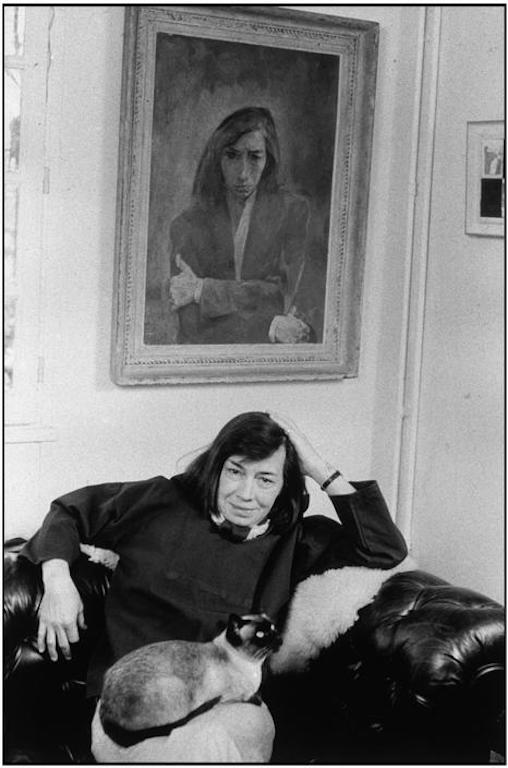
6a00d83451cb7469e201b7c7f5cd47970b-800wi
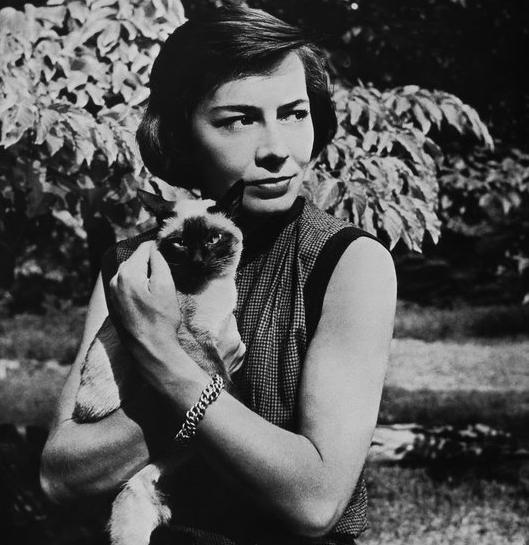
From my essay at the Daily Beast, on the oddity, allure and brilliance of Patricia Highsmith: The critically acclaimed film "Carol," based on one of her books, has helped introduce a new generation to this most puzzling, contradictory, but indispensable novelist.

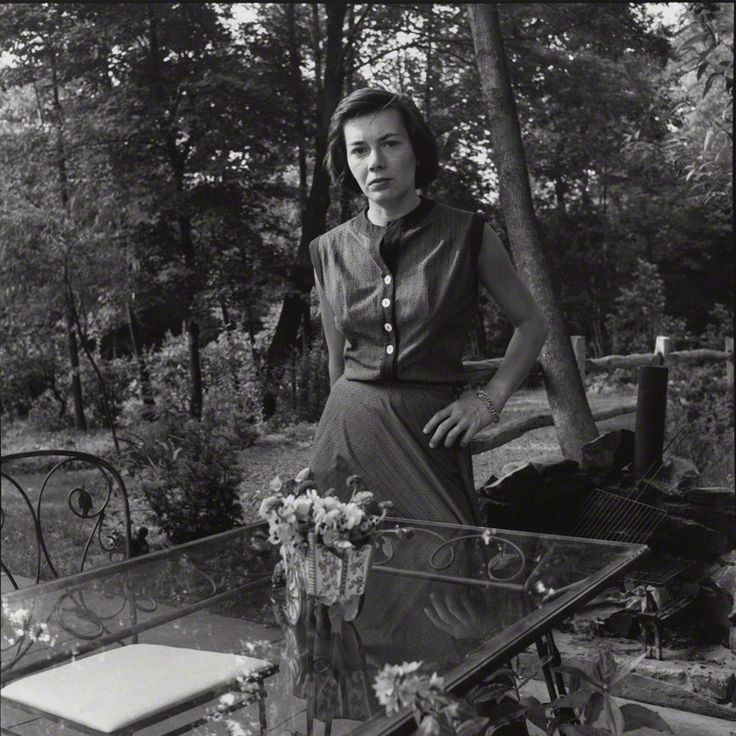
Patricia Highsmith disliked food. Or, rather, she had a deeply problematic relationship with food that produced fascinating, unsettling musings, vividly intertwined with digestion and eating. Her short story, “The Terrapin,” in which a disturbed boy murders his mother with a kitchen knife after she boils a tortoise alive, Highsmith merged food issues with her own mother issues to a magnificently bent level of hysteria and horror: The dark side of domesticity. An anorexic in adolescence, and a slight woman her whole life, one who stocked liquor in her kitchen and nothing else, she found food tedious, frequently disgusting and even disturbing, blaming some of societal ills and politics on the results of food. She wrote once: “the USA [is] suffering a prolonged attack of acid stomach, an irrepressible urge to throw up.”

Highsmith

She pondered further, at another time, about how food affects us: “We live on the thin ice of unexplained phenomena. Suppose our food suddenly did not digest in our stomachs. Suppose it lay like a lump of dough inside us and poisoned us.”

That’s not a crazy supposition, really.

And yet, she loved a comforting warm glass of milk, something that would show up in The Price of Salt (now the movie Carol) with a dreamy strangeness and a corporal sensuality. As she writes it, milk is a bit gross, but, romantic and powerful:

“Therese was propped on one elbow. The milk was so hot, she could barely let her lip touch it at first. The tiny sips spread inside her mouth and released a melange of organic flavors. The milk seemed to taste of bone and blood, of warm flesh, or hair, saltless as chalk yet alive as a growing embryo. It was hot through and through to the bottom of the cup, and Therese drank it down, as people in fairy tales drink the potion that will transform, or the unsuspecting warrior the cup that will kill. Then Carol came and took the cup, and Therese was drowsily aware that Carol asked her three questions, one that had to do with happiness, one about the store, and one about the future. Therese heard herself answering. She heard her voice rise suddenly in a babble, like a spring that she had no control over, and she realized she was in tears.”

6a00d83451cb7469e201b8d2a5bb47970c-800wi

This is just one aspect to the woman who was the oddity and sometimes genius named Patricia Highsmith, a cookie full of arsenic (if she heard it, she had to have appreciated the Odets/Lehman line of poisoned confection) who is full of so many contradictions that she is endlessly fascinating and frequently baffling. The preoccupation with the disgust for food shows a need for control, the drinking shows a need to let go—the push and pull of a hard heart and a woman full of passion—someone who ran from and ran towards the voluptuous and often icky aspects of life.

8c03c8a44d83161f632acd57c92efe0f

It’s not surprising that biographers (chiefly the great Joan Schenkar, whose gorgeously written and elucidating The Talented Miss Highsmith: The Secret Life and Serious Art of Patricia Highsmith informed this piece) compared her to her most famous creation: Tom Ripley. Schenkar wrote, “Pat was back in the United States making her credo of ‘quality’ the central obsession of the character who was to become, crudely speaking, her own fictional Alter Ego: Tom Ripley. (Pat was never ‘the woman who was Ripley,’ but she did give Ripley many of the traits she wished she had, as well as quite a few of her obsessive little habits.) Like Pat, Ripley began as a flunker of job interviews and a failure at self-respect. Like Pat, Ripley found his ‘quality’ of life in Europe.”

After studying Highsmith’s life, you come away impressed, shocked, amused, and wondering if you could ever like this person. But liking her doesn’t matter; she’s not Willy Loman (Highsmith wrote in her diary of Arthur Miller’s character, “I find I have no sympathy for the individual whose spirit has not led him to seek higher goals … at a much younger age.”). She was a woman so intricate and so her own self (she couldn’t help but be her own self) that even she may not have understood how modern she was, or even fancied that idea (she loathed being pigeonholed).

Even by today’s standards, she’s still modern. Though she certainly wouldn’t have bandied a term like “feminist” around, she lived a progressive life, falling in love with women, never marrying to suit convention (though she did toy with the idea of marriage and with therapy for her homosexuality and, blessedly, that didn’t take), striving for both her own art and making good money while uttering some perfectly awful prejudices and then turning around and contradicting them. One of her best friends in high school was the young Judy Holliday (then, Judy Tuvim) and for decades Highsmith kept a photo of the Born Yesterday actress dressed in a man’s suit.

There’s much discussion of Highsmith of late, all interesting, from Margaret Talbot’s excellent New Yorker piece about the real life back story of Carol to a New York Post headline screaming, “The drunk bisexual racist behind Cate Blanchett’s new movie.” All these years later, Highsmith is still pissing people off.

Carolrestaurant

Todd Haynes’s superb, beautiful and moving Carol, adapted from Highsmith’s second novel, The Price of Salt, has created the buzz and for good reason—it’s one of the best reviewed movies of the year, a much needed woman’s picture, and a gorgeous universal story about two women falling in love, with each other. Though Carol features an aggrieved husband, this is a movie about women, one could say (to Highsmith’s likely cringing) a feminist picture about females finding themselves, their work, their sexuality, and mutual adoration in the less permissive time of ’50s New York City, subverting the rules society has placed on them. There’s something of Highsmith, who published The Price of Salt in 1952 under the pseudonym Claire Morgan, in both older Carol and younger Therese, in her often highly dramatic relationships and yearning. For although she was a woman who wrote brilliantly about murder and sociopaths, and though she was a woman frequently remembered as grumpy, bizarre, and downright caustic, she confessed of a swooning heartache and dream that’s so stirring it makes you want to cry:

“Persistently, I have the vision of a house in the country with the blond wife whom I love, with the children whom I adore, on the land and with the trees I adore. I know this will never be, yet will be partially that tantalizing measure (of a man) leads me on. My God and my beloved, it can never be! And yet I love, in flesh and bone and clothes in love, as all mankind.”

Her compulsions and contradictions were encyclopedic: food hater, snail lover, drinker, thinker, bigot, progressive, lover of women and younger women—much younger women in many cases (rumor has it that The Price of Salt inspired Nabokov’s Lolita). And yet, while she was the very definition of independent (never married, never put down roots, and in her 40s permanently abandoned America for Europe), she was also ruled by an intensely close and corrosive relationship with her mother.

6a00d83451cb7469e201b8d2a5bb5b970c-800wi
According to Schenkar, Highsmith’s mother, Mary, was a chronic and histrionic creator of domestic scenes “so dreadful that Pat had to call in Dr. Auld, the local physician, to sedate them both. Pat reported that Mary had threatened her with a coat hanger—and each woman said things the other never forgot. Four years earlier, Mary Highsmith had written to her daughter: ‘I believe you would gladly put me in Dachau if it were possible without a minute’s thought.’”

Both a sensualist and an obsessive compulsive ascetic, Highsmith was a revolutionary: she lived a problematic, fascinating life as a man would: complicated and sometimes unfathomable. But then many women are like this, we just don’t hear or read about them as much. For all of her compelling complexities and provocative strangeness, the world and women need more Patricia Highsmiths.

Read the piece at The Daily Beast.