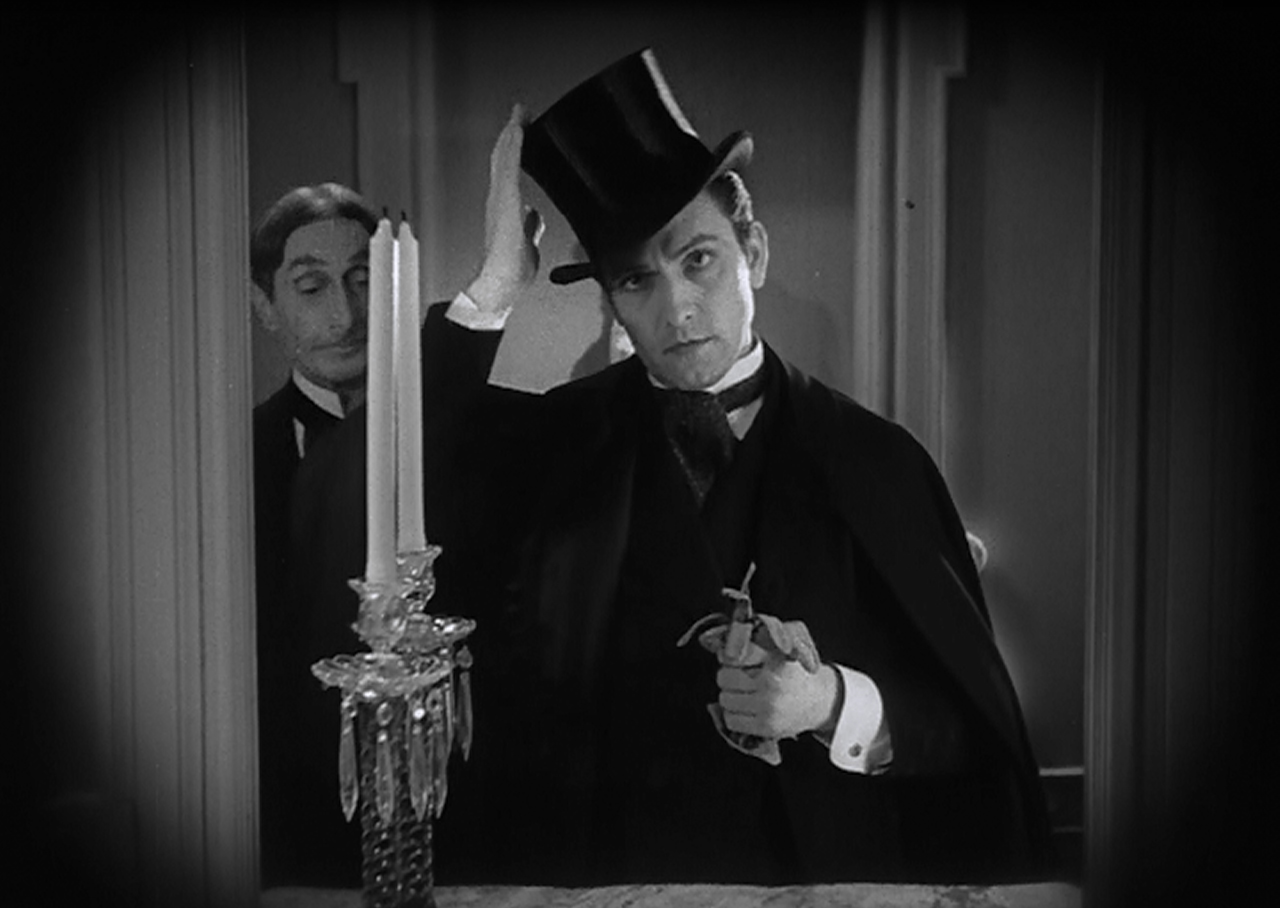
Check out an excerpt from my debut piece for the iconic, movie-lover utopia, The New Beverly Cinema, the only revival house in Los Angeles that projects exclusively on film (no digital). Here, I tackle Rouben Mamoulian’s innovative pre-code masterpiece, Dr. Jekyll and Mr. Hyde, starring a brilliant Fredric March. Do not miss this one, playing Oct. 19 & 20.
Rouben Mamoulian’s Dr. Jekyll and Mr. Hyde opens with such a passionate proclamation of, at first, sound, that the very theme of the picture is addressed immediately – Bach’s “Toccata and Fugue in D minor,” banged away by a jocund Dr. Jekyll. This was the first use of that piece in a sound picture and later became an oft-employed sonic invocation of villainy, but, here, it registers just as Fredric March’s Jekyll plays it – a cry of the splintered psyche: startling, yet romantic, beautiful even sensual — the id we wish to release from the shackles of our repression. One we can both unleash and control by pounding that organ.
Be careful what you wish for. Or wish to control. Or pound.
The sound moves to image, revealing Jekyll’s elegant hands at the organ as he casually addresses his butler who reminds the doctor of his lecture. Immediately, Mamoulian (via cinematographer Karl Struss) has placed us, the viewer, in the eyes of Jekyll (we are Jekyll, according to Mamoulian, “the audience does not see him, they are him,” and, in turn, we will be Hyde), we don’t see his face, we see what he sees — the innovative POV and moving camera fluidly walking us along with Jekyll, chatting with our butler, entering the foyer wherein the butler asks the first doubled question: "topcoat or cape, sir?" Cape and top hat, of course, and we finally see Jekyll (ourself) in the mirror. There’s that handsome Fredric March, there you are, in what will be many uses of doubling, splintering and in many ways, soul searching and, of course, sexual frustration and release. It’s much like Robert Montgomery’s later POV usage in the impressive Lady in the Lake (which was used entirely throughout) but Mamoulian’s technique is much more seamless – a purer integration of camerawork and special effects with story and theme, and one of the greatest synthesis of style and substance in all of cinema. (Something Mamoulian was absurdly, unfairly dismissed for later, chiefly by Andrew Sarris who found him all show and acrobatics: “Less than meets the eye… an innovator who ran out of innovations.”)
The sequence continues, and we follow Jekyll, still from his POV, out to his coachman and on his way to his lecture hall, everyone addresses him with respect, and then, after his lecture, which we finally watch outside of Jekyll’s eyes (about the potential to split the soul of man), a student jokes to another: “Why don’t you stay at home and send your other self to the lecture?” What we then learn about Dr. Jekyll is that he is in a crisis, not professionally, but romantically, sexually. He yearns to marry his beloved, Muriel (Rose Hobart), but her father (Halliwell Hobbes) is maddeningly making him wait. Jekyll is going crazy over this: “You’ve opened a gate for me into another world… But now the unknown wears your face, looks back at me with your eyes.”
His desire intensifies while, on a walk with another doctor, he helps a woman of ill repute smacked down in the street. That’s Ivy (a ravishing, touching Miriam Hopkins), whom he’s immediately attracted to and flirts with, making much about her garter when really admiring her lovely leg. In a scene that’s one of the pre-code-iest of them all, Ivy sexily strips down to nothing and pulls the sheets over her, beckoning him to return. He wants to. We want to. He and we will.
And so begins Jekyll’s test on himself – the potion that will transform him into Mr. Hyde. The potion, a sort of demented Viagra is curious, since Robert Louis Stevenson, who wrote the famous novella in 1866, was rumored to be on cocaine while writing the iconic strange case – he was bedridden with TB and his story came to him in a dream… and he wrote it fast. How ahead of his time he likely did not know. But the potion, or drug, morphs Jekyll into that creature, a depraved, simian, man-beast, overly virile, overly agile, lacking a conscience, a delighted, giggling sadist so pleased with himself that the picture turns the viewer on ourselves. Do we want a shot of that stuff? Are we pleased now? Well, in a perverse way, perhaps we are, at first…
There's much more! Read the rest of my piece at The New Beverly. And see the movie.
"I am a product of violence myself. By the age of 15 I'd been through Auschwitz and Belsen and my family destroyed… Without motivation, without warning. One's whole life is literally changed by making oneself cope with violence. The force cannot destroy the sensitive… Tennessee Williams believes that violence destroys sensitivity but I don't believe this — we go on, the life force goes on in spite of it." — Jack Garfein
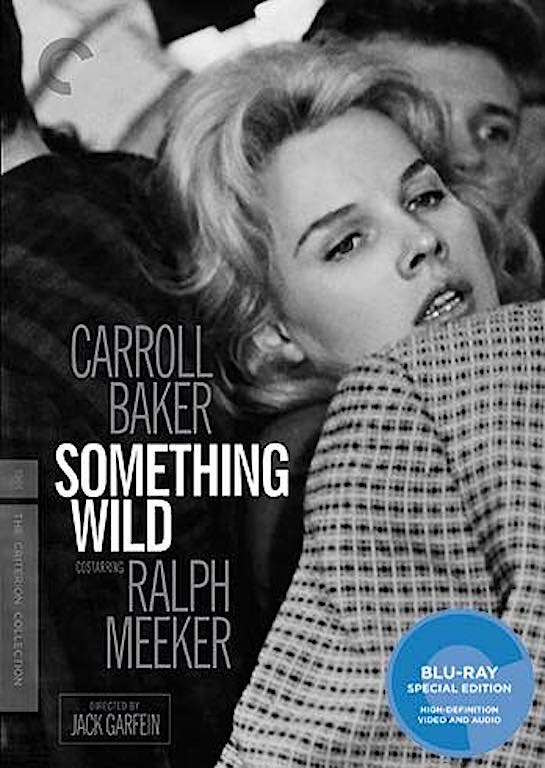
I am thrilled that Jack Garfein's Something Wild is getting the Criterion treatment it so richly deserves. This movie has meant a lot to me for many years (I programmed it on TCM in 2010 and presented it at Telluride in 2012 with Jack — a very moving Q&A) and I'm so happy Jack gets to see this release and to be a part of it. (Among the special features is my new on-camera interview with Jack, along with an interview with Carroll Baker, Foster Hirsch on the Actors Studio’s cinematic legacy, a Master Class with Garfein and an essay by the wonderful Sheila O’Malley.) Please, do give this film a look. And another look.
Garfein is a director so ahead of his time that, even after 50 years, his two features The Strange One (1957) and Something Wild (1961) continue to inspire, disturb and provoke empathy. These complicated, human stories remain modern and experimental to this day. This is Garfein – an artist who beautifully combines expressionistic lyricism with raw naturalism while exploring still controversial subjects; never preaching, simplifying or insulting his characters: The fascistic military dehumanization and homoeroticism of The Strange One, and the complexity of rape and entrapment in his brilliant Something Wild.
Garfein, born July 2, 1930 in Czechoslovakia came to the U.S. after surviving Auschwitz, joined the Actor’s Studio, directed, in his early twenties, “End as Man” with Ben Gazzara and founded the Actors Studio West. His accomplishments are too vast to list, but he remains one of the great acting teachers, and continues to instruct in Paris. He’s chronicled his return to Auschwitz with his documentary The Journey Back, and has written “Life and Acting – Techniques for the Actor.” He remains a power in the world of acting and film.
So again, so happy that Something Wild, Garfein’s brave, empathetic, confounding, mysterious and in the end, darkly beautiful picture, one so powerful that it shocks and distresses viewers to this day, is getting a January release. This expressionistic and naturalistic work of art (the location shooting is remarkable) dared observe the complexity of rape by following a young woman (a haunting, moving Carroll Baker, Garfein’s then-wife) after she is viciously attacked by a stranger in the park. The psychologically chaotic aftermath – her anxiety, repulsion, depression and eventual withdrawal from society — not, and then by her own choice – is given a potent punch with the arrival of a tremendous Ralph Meeker in a performance you’ve never seen before. Not one to oversimplify, this story of victimization, strange love, survival and more, turns into a twisted Stockholm syndrome/true love (or not, which makes it even more intriguing) tale that still provokes argument. With a score by the virtuoso Aaron Copland, title sequence by legendary Saul Bass and cinematographer by the remarkable Eugen Schüfftan, Something Wild is an unsung masterpiece.
Jack Garfein is a sensitive, perceptive maverick. Once you've seen his work, it's impossible to forget.
With Jack in Telluride, 2012, high in the mountains at Gray Head.
Criterion has just released a splendid, extra-packed edition of Mark Robson's infamous adaptation of Jacqueline Susann's "Valley of the Dolls," a movie I love, and a movie I imbibe in myriad ways — drug-fueled dream, tough-talking-hard-living real, hilarious, gorgeous, feminist, pill-popping romantic (so many beautiful pills), junkie horror story, showbiz melodrama, sleaze, surrealism, camp, odd, unhinged behavior that’s even weirder than it knows and, yet, recognizable, confessional and sad. I wrote and narrated a video essay entitled "Doll Parts" that comes with this edition and I've published two very small pieces from that much longer video essay here.
As I wrote of Robson's direction of "Dolls:" "Looking at his career it may seem strange he ended up with the dolls, but perhaps not – melodrama and horror was his milieu. Hope Lange’s perfectly peroxide "Peyton Place" hair, ravaged by incest merged with the artful, terrifying insane asylum black and white of Robson’s Val Lewton-produced “Bedlam” — it all swirls in the same hot pot of sordid and artful. These things happen in life, but in cinema, they work as dreams, repressed memories, swoony trauma, all placed on screen to relive or revel in. And that is “Valley of the Dolls” — as Dionne Warwick sings: “Is this a dream, am I here, where are you, 'Tell me, when will I know, how will I know, When will I know why?'" This is the opening paragraph and the last paragraph of my essay. If you'd like to read everything in between, and there's a lot more in between, pick up the very special Criterion disc.
–Confession: The last time I watched Valley of the Dolls, I finished the movie crying. I felt off, almost irrational. This is a personal admission to begin an essay and means nothing about the quality of the movie; it only means the film left me emotional and … altered. Like reading “The Love Song of J. Alfred Prufrock” at a certain time or listening to “Cantus in Memoriam Benjamin Britten” at any time or the goddamn "Theme from Mahogany” when you’re just trying to find cough drops at the drug store. It’s not unreasonable to feel emotional when art or trash or anything in between tugs at your heart, but with Dolls it felt out of body. Musical. Like the way the that mad genius, Dory Previn and her Dolls-penned songs, hang over the movie like a lost little girl/woman spirit, fresh from the loony bin unafraid of warbling her fear and pain to the world. A beautiful, hilarious, bitter and almost embarrassing madness.
–These are women being confessional, like Jacqueline Susann herself, like the more esteemed Sylvia Plath and Anne Sexton. And Dory Previn’s songs are confessing and scary (Andre Previn wrote the music, this must be mentioned, but Dory, oh Dory. Your lyrics). Here’s Dory, bitterly reminding viewers that love is like a flower “that lives for an hour then withers and dies…” That’s Tony’s love song. That’s the one. The one that wins over Sharon Tate’s Jennifer. The one heard over and over. That love doesn’t last. It dies.
The Dory, the Dionne, the dolls – the film’s like a big budget, beautifully costumed echo to Anne Sexton’s “Briar Rose”:
Briar Rose was an insomniac… She could not nap or lie in sleep without the court chemist mixing her some knock-out drops and never in the prince's presence. If it is to come, she said, sleep must take me unawares while I am laughing or dancing so that I do not know that brutal place where I lie down with cattle prods, the hole in my cheek open.
The poem ends:
What voyage is this, little girl? This coming out of prison? God help – this life after death?
With Valley of the Dolls there is life after death. This movie lives on. And these doll-women live on.
They’ll never let you forget them. Even if god won’t answer the little junkie in the alley, she can answer herself. And she should.
The October edition of Sight & Sound is out and I've written an essay on something near and dear to me — the road, cars, and especially women on the road. Pick up the magazine on newsstands, soon. Here's an excerpt:
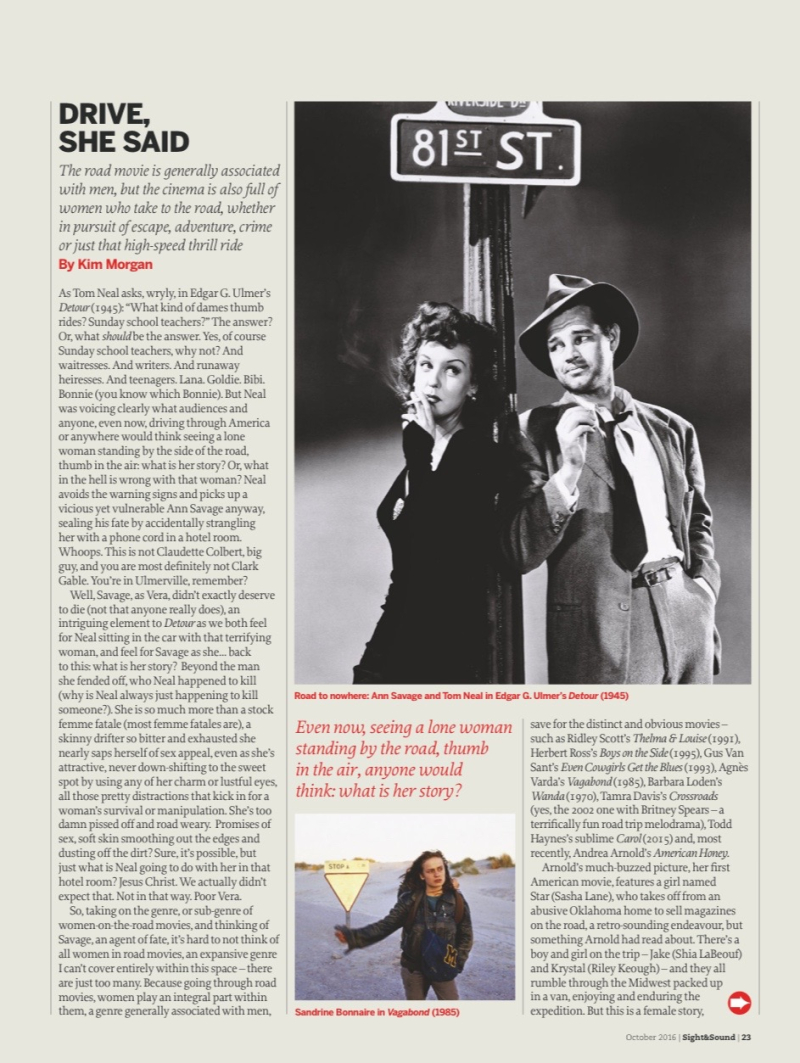
As Tom Neal asks, wryly, in Detour: “What kind of dames thumb rides? Sunday school teachers?” The answer? Or, what should be the answer? Yes, of course Sunday school teachers, why not? And waitresses. And writers. And runaway heiresses. And teenagers. Lana. Goldie. Bibi. Bonnie (you know which Bonnie). But Tom Neal was voicing, clearly, what audiences and anyone, even now, driving through America or anywhere would feel seeing a lone woman standing by the side of the road, thumb in the air – what is her story? Or, what in the hell is wrong with that woman? Neal avoids the warning signs and picks up a vicious yet vulnerable Ann Savage anyway, sealing his fate by accidentally strangling her with a phone cord in a hotel room. Woops. This is not Claudette Colbert, big guy, and you are most definitely not Clark Gable. You’re in Ulmer-ville, remember?
Well, Savage, as Vera, didn’t exactly deserve to die (not that anyone really does), an intriguing element to Edgar G. Ulmer’s Detour as we both feel for Neal sitting in the car with that terrifying woman, and feel for Savage as she… back to this: what is her story? Beyond the man she fended off that Neal happened to kill (why is Tom Neal always just happening to kill someone?).
She is so much more than a stock femme fatale (most “femme fatales” are) a skinny drifter so bitter and exhausted, she nearly saps herself of all sex appeal, even as she’s attractive, never down shifting to the sweet spot– any of her charm or lustful eyes, all those pretty distractions that kick in for a woman’s survival or manipulation. She’s too damn pissed off and road weary. Promises of sex, soft skin smoothing out the edges and dusting off the dirt? Sure, it’s possible, but just what is Tom Neal going to do with her in that hotel room? Jesus Christ. We actually didn’t expect that. Not in that way. Poor Vera.
So, taking on the genre, or sub-genre of women-on-the-road movies, and thinking of Savage, an agent of fate, it’s hard to not think of all women in road movies, an expansive genre that I can’t cover entirely within this space — there are just too many. Because going through road movies, women play an integral part within them, a genre generally associated with men, save for the distinct and obvious movies – like Thelma and Louise, Boys on the Side, Even Cowgirls Get the Blues, Vagabond or Crossroads (yes, the one with Britney Spears – a terrifically fun road trip-melodrama), the sublime Carol and, most recently, Andrea Arnold’s American Honey.
Arnold’s much-buzzed picture, her first American movie, features a girl named Star (Sasha Lane), a young woman who takes off from an abusive Oklahoma home to sell magazines on the road, a retro-sounding endeavor (selling magazines?) but something Arnold had read about. There’s a boy and girl on the trip — Jake (Shia LaBeouf) and Crystal (Riley Keough) – and they all rumble along the Midwest packed up in a van, enjoying and enduring the expedition. But this is a female story, something Arnold has a wonderful sensitivity and acumen for. The young woman’s journey is within all of Arnold’s movies, even without a highway to be rolled down (Fish Tank, the most powerful) but Arnold wanted to chronicle the specificity of the American road. So much so, that the director took a road trip herself. As she said in Cannes: “The West is very dramatic. I had some quite difficult times being by myself traveling in that open wilderness… a mix of the America I grew up with—that I saw through Hollywood, romanticized—and contemporary America that I saw when I did my trips."
Make note this is the America Arnold grew up with — in movies. The road has always been a place for cinematic escape, discovery and freedom, or some kind of existential crisis (Monte Hellman’s masterpiece, Two Lane Blacktop, the best example, which also features a crucial, evocative “girl” played by Laurie Bird), but one we associate with McQueen, Gibson, Oates and Fonda (and Oates and Fonda together, see, Race with the Devil). That road Jack Kerouac wrote about, a place for “crazy, illuminated hipsters suddenly rising and roaming America, serious, bumming and hitchhiking everywhere, ragged, beatific, beautiful in an ugly graceful new way." That’s for men. The women stayed home.
Actually, they didn’t stay home: Not in cinema, anyway. Just think of them: Veronica Lake in Sullivan’s Travels, dressing as the cutest little boy you’ve ever seen tramping along with Joel McCrea’s “Oh Brother, Where Art Thou” tour; Peggy Cummins’ traveling carnival sharpshooter who drags Dahl’s butt into this enormous mess in the first, driving Dahl, literally and literally crazy (both of them backing the hell up or moving forward, shooting, eyeing the threat behind them, beautifully) in Gun Crazy; Ellen Burstyn in Alice Doesn’t Live HereAnymore, manning the station wagon to T-Rex’s "Jeepster," enduring her son’s absurdly long gorilla joke, getting the hell out of Dodge after Harvey Keitel goes bat shit crazy in her hotel room; Lizabeth Scott, turning full sociopath, abandoning wife-hood for dough in Too Late for Tears; Bibi Andersson hitching a ride in, yep, Ingmar Bergman’s road movie, Wild Strawberries;
Bonnie Parking living and dying in that car in Bonnie & Clyde, Uma Thurman rolling all over the world for her “roaring rampage of revenge” in Kill Bill; Goldie Hawn busting her husband out of the slammer in The Sugarland Express, resulting in one of the most entertaining and ludicrous police pursuits in movies; Barbara Stanwyck taking on her captor, sexy, smirky Ralph Meeker as he eats all her crackers and confesses his love for cheap perfume (“It doesn't last as long, but it hits harder”), doing anything for husband (anything!), Charlize Theron’s Furiosa taking over for Tom Hardy in Mad Max: Fury Road to become the actual hero/heroine of the story, sad, troubled Janet Leigh driving to her doom in Psycho … and on and on and on…
Read the rest of my piece in Sight & Sound's October issue, in which I further discuss, among other films, Ridley Scott's controversial "Thelma and Louise," Frank Capra's liberating "It Happened One Night" and Quentin Tarantino's uber-feminist "Death Proof"…
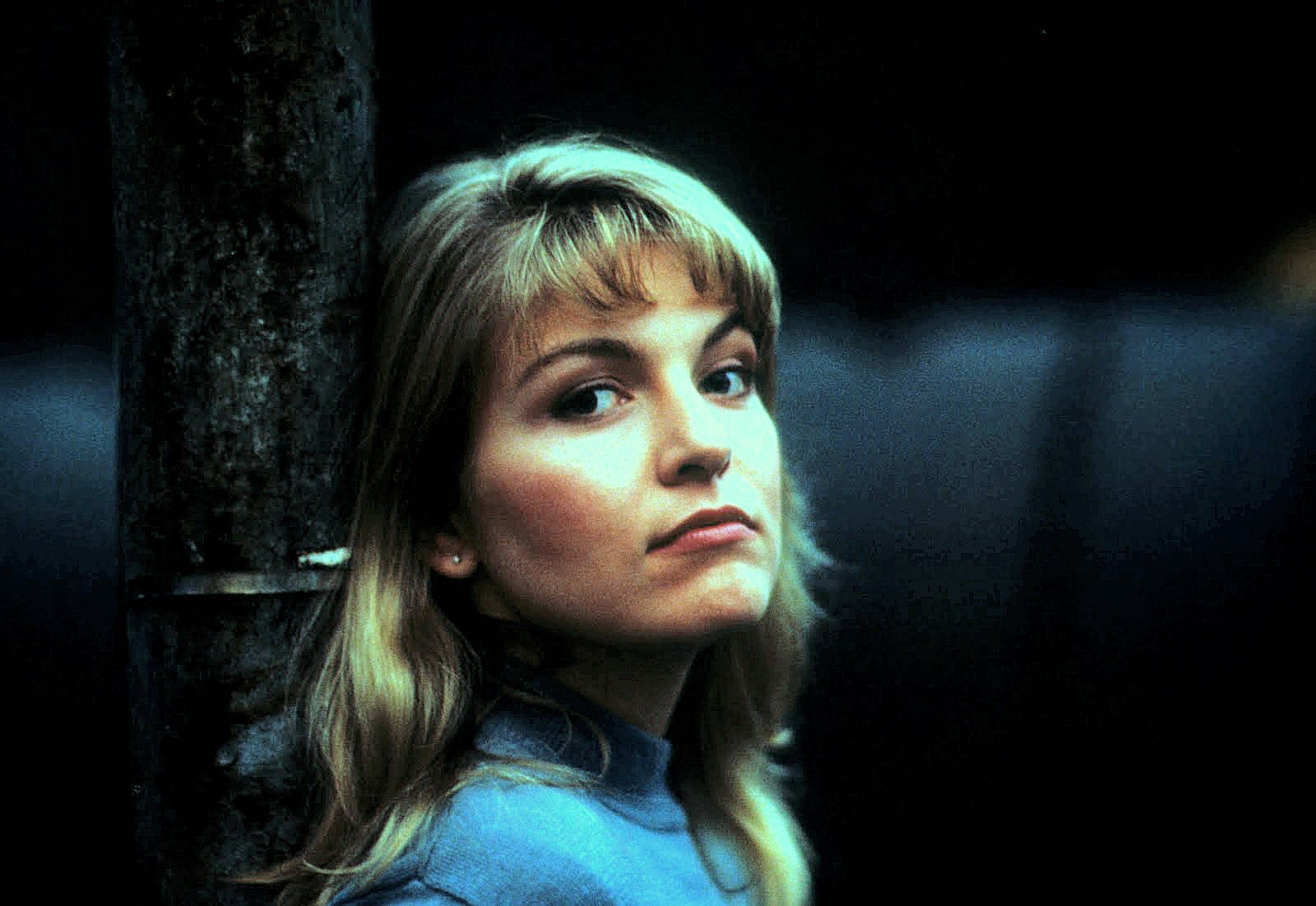
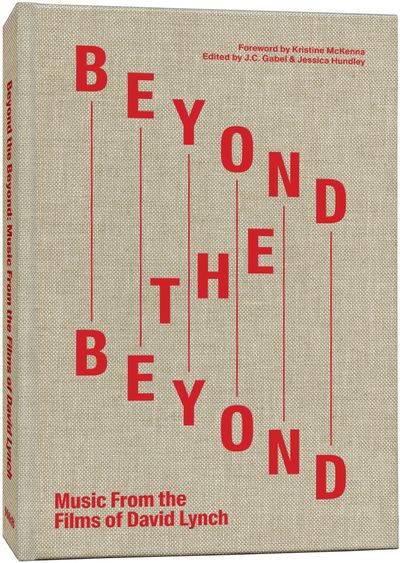
I'm thrilled (and haunted) to have contributed to this beautiful book on David Lynch and music, Beyond The Beyond: Music From the Films of David Lynch, out now, with the hands on involvement of Lynch himself. I wrote the chapter on the music of "Twin Peaks," entitled "The Extended Refrain," an undertaking that stayed with me longer than I could have imagined. Images of Laura Palmer's face keeping me up at night, those deep dark Pacific Northwest woods, the music traveling through my insides, jumbling up my brain chemicals … it brought me back to the show, it brought me back to my childhood and it brought me back to the mysterious Laura. Here is my chapter, published with permission from my kindly editors, J.C. Gabel and Jessica Hundley. Order the book here.
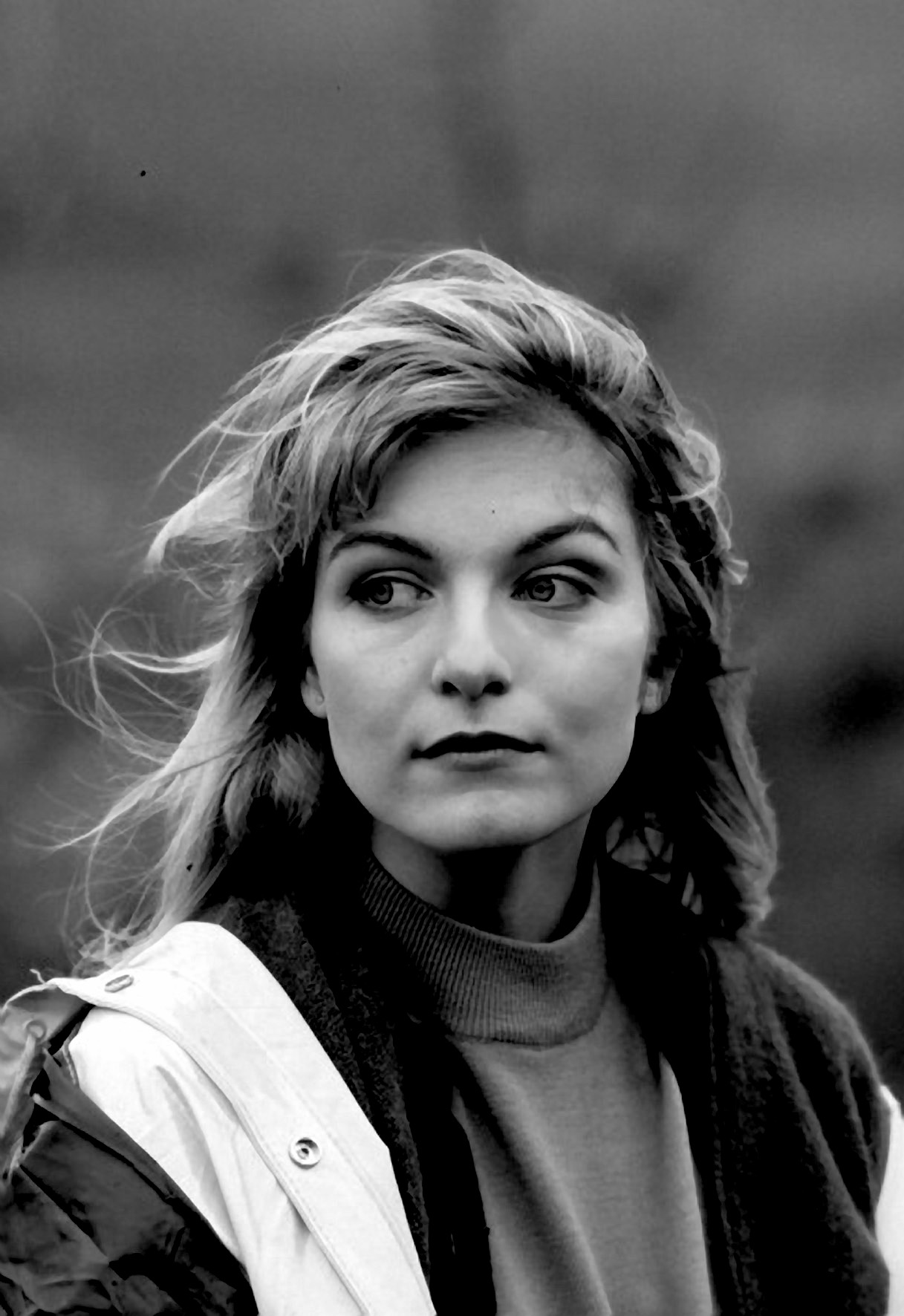
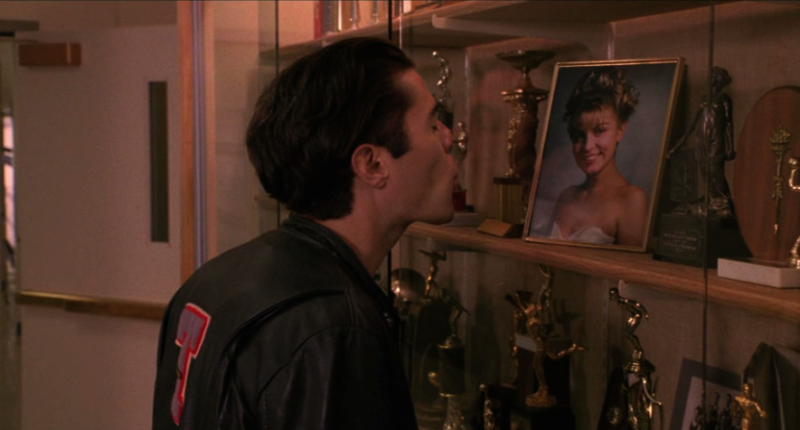
Laura Palmer. Can you see her? Pretty. Blonde. The All-American girl, smiling curiously from that homecoming queen photo. The girl every father would be proud of. Every boy wanted to date. Or sleep with. Or just… smell her hair. And, then, this was the girl: that sad, exquisite corpse wrapped in plastic, the mystery everyone wanted to solve. We can see her. We can’t forget her. But, in the beginning, what did David Lynch see?
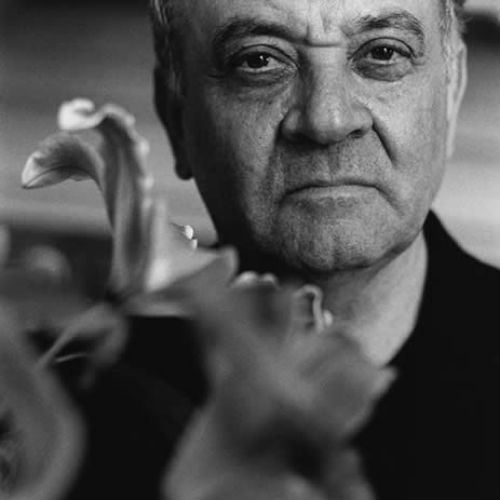
That was the question for composer Angelo Badalamenti, who would sit with Lynch side by side at the piano, and ask, before any film was shot, through sound, not just sight, but sound: “What do you see, David?”
Lynch answered:
“We’re in a dark woods. There’s a soft wind blowing through some sycamore trees and the moon out, and animal sounds in the background, and you can hear the hoot of an owl, and [again] you’re in the dark woods… just get me into that beautiful darkness with the soft wind.”
Badalamenti began to improvise on the piano. He played a somber tune, low, low, low… The composer continued, recalling an even further vision of the vision, the melancholic Laura Palmer and her necessary theme with Lynch instructing, “Start it off foreboding… and then segue into something beautiful to reflect the trouble of a beautiful teenage girl. Then, once you’ve got that, go back and do something that’s sad and go back into that sad, foreboding darkness.”
Badalamenti started playing the theme of the girl, again, that somber sound, and, in one take, translated Lynch’s words and pictures to music. This was the music of a dead girl. But a girl so alive in everyone’s memory that she’s maddeningly mysterious, the blonde princess, the innocent when there is no such thing as innocent; the girl that suffers both purity and perversion, strangling her with expectations she will never live up, and indeed, never live through.
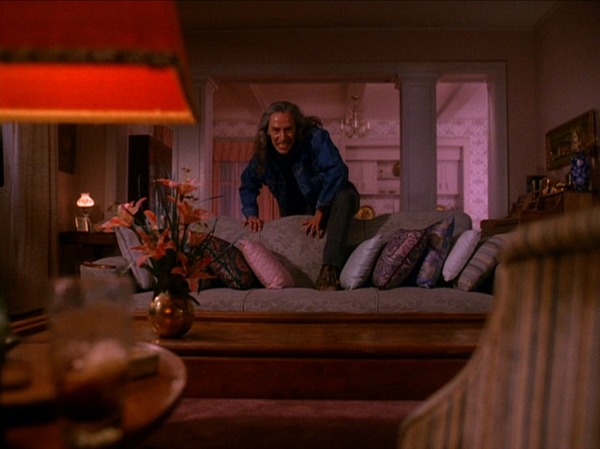
She dies, found on the shore by Pete wrapped in the afore-mentioned plastic, her beautiful lips, blue-purple, her face a death mask now, almost as iconic as Marilyn Monroe’s sad eyes and sweet, inscrutable smile during her final sitting with Bert Stern. Those dead blonde girls everyone thinks they know or think they understand or think they want to understand (they never do when they’re alive, it seems); those beautiful blonde mirrors for men and women who love and grieve and wallow and become twisted with sick desire. They’re so sad it almost feels good. The kind of sadness that either purges one of evil, or invites evil in, like the long haired terror Bob, crawling under the bed, walking over the couches in the nice suburban Northwest home of Sarah and Leland Palmer, ready to lure you to… the dark woods.
Laura Palmer. A girl who knew the dark woods deep in her soul, a girl who was both frightened and drawn to them like the sex she wasn’t supposed to be having yet. The dark woods would seduce her. The dark woods would rape her. The dark woods would kill her. She would never leave the dark woods in the memory of her family, even as they wailed of their sweet, beautiful, virtuous baby. She never left the dark woods in the memories of the quiet, comfortably chilly Pacific Northwest town, Twin Peaks. And most especially, she never left the dark woods of the viewer, who after two decades, cannot detach that melancholic theme of the light blonde girl killed by the deep dark woods from their memories. She was a memory when the show started, and she feels an even more powerful memory upon revisiting. If you watched the show as a teenager, and perhaps especially as a teenage girl, you, as an older viewer, contemplate your own past dark nights of the soul. The woods you may have walked through and survived.
Badalamenti and Lynch could not know how we would feel in the future, listening to this theme, but somehow they must have sensed it. When Laura Palmer’s theme moves from the foreboding, to the climax… As Badalamenti passionately described in "Secrets From Another Place", the composer sat at the piano while Lynch instructed a change in tone,:
“From behind a tree in the back of the woods is this very lonely girl. Her name is Laura Palmer and it’s very sad…” As Badalamenti moved to a different tone, a little sweeter, Lynch remarked how beautiful it was, and in passionate excitement said, like a silent movie director rousing his actors, “I can see her, she’s walking towards the camera, she’s coming closer, closer, just keep building it, keep building… she’s getting close. Now reach some kind of climax…” And as Badalamenti crescendoed with the most moving passage of the theme, Lynch exclaimed, “Oh, Angelo! It’s tearing my heart out!”
But then, a return with Lynch: “Now she’s trying to leave so fall down… fall down. Falling. Falling. Falling. Now, go back to the darkness…”
Yes. Always go back to the darkness.
The collaboration between Badalmenti and Lynch began with darkness, the darkness simmering underneath another idyllic little town, another place where loggers drive by, but another town full of secrets and perversion and violence and, not a body, but… a severed ear. And of course, the mysteries of not a girl, but a woman, a raven-haired, full figured vixen with a sad face and ruby red lips. Another idealized beauty, the siren, the femme fatale, Dorothy Vallens (Isabella Rossellini, no less, the daughter of Ingrid Bergman and Roberto Rossellini) who sings sultry in a nightclub, stuns in her gowns and nightclothes and indulges in kinks that surprise (and turn on) the supposed innocents. But like Laura Palmer, she’s not simply a bad girl. There’s always more to “the girl” with Lynch and, instinctually, it seems, Badalametti understood this. That he was drawn to the film for the girl, Rossellini, (she needed assistance singing the titular Bobby Vinton song and producer Fred Caruso called on Badalmaletti) makes the Lynch Badalametti collision all the more perfect.
Just as he did with Twin Peaks, Badalamenti scored Blue Velvet with his ethereal, cosmic sound partly ambient and modern, partly retro, rooted in the past; partly evocative of some elusive dream (or nightmare) we strain to remember (or hope to forget). He also brought in future Twin Peaks chanteuse Julee Cruise to sing the Lynch penned “Mysteries of Love.” As told to Rolling Stone, in a touching moment, Lynch’s ex-paramour Rossellini brought the lyrics to Badalamenti on a piece of paper. In Lynch’s handwriting, the composer read these lyrics:
“Sometimes a wind blows and you and I float in love and kiss forever in a darkness and the mysteries of love come clear…”
Well, that’s swooningly romantic on a level that’s impossible to reach. And a bit creepy. But do the mysterious come clear? With Lynch. Never. That Phil Spector-ish touch of warped melodrama and inscrutability is key to Lynch and Badalmaletti and why the music in Twin Peaks (it all started in 1989, which seems perfect. Goodbye 1980s…) both elevates and deviates the show's storyline – it perverts the soap opera – which Twin Peaks most certainly was. A throwback, it also incorporates jazz, something Badalmaletti grew up with and knew well, utilized beautifully here, with an electronic modernity that made everything feel off kilter, yet eternal. A damn good cup of coffee that’ll burn your tongue if you don’t drink it just right, like Agent Dale Cooper (who seems to do everything right).
There’s so many tunes that saturate the show, and manage to blend seamlessly with achieving a stand-alone uniqueness. With the mischievous and menacing “Audrey’s Theme,” vibes and orchestration set to finger snapping and bleating horns, you can picture teenage siren Audrey Horne, sexily swaying along in her angora sweater, school-girl skirt and saddle shoes. It’s a confounding sound. Audrey is not so innocent, though we do learn she’s a virgin. She’s five feet of sex, she can tie a cherry stem with her tongue, but she’s not as dangerous as she seems. But she’s not so sweet either. When Laura Palmer is pronounced missing in class and Donna cries with knowing grief, Audrey looks more thrilled…. What is this girl about? Like the music, a bad/ good girl who could go off the rails any moment. Beautiful, titillating, obvious and mysterious at the same time and, ultimately, disturbing. A trademark of Lynch. Don’t be fooled: Those saddle shoes have walked through some weird shit.
“Freshly Squeezed” plays like mixture of Henry Mancini and a hip-daddy-o Leif Stephens score (the The Wild One), albeit darker, not so fresh as the title states. You expect Holly Golightly to slink around the corner with Marlon Brando and, perhaps, a dwarf, a dwarf who starts dancing (“Let’s rock.”) “The Bookhouse Boys,” gives us an echo chamber of horns and frantic drums, a dream, emerging only to awake to a nightmare. “Nightlife in Twin Peaks” is just that – pure, dark night. Discordant, as if Igor Stravinsky is teasing Special Agent Dale Cooper with Petrushka's ghost as he runs around the town like his own haunted Puppet Theater. “Dance of the Dream Man,” is more finger snapping and horns, showing a lot of consistency to the music, but also, intriguingly, distinctive in each movement. And just how we would picture a “Dream Man” by David Lynch. Not always a good dream.
More dreams… “Into the Night,” sung by Julee Cruise is like a Cocteau Twins song intoned by a lonely teenage girl pondering the mysteries of life, death, love, sex, melodrama and existentialism all wrapped and warped into one wistful, pleading harmony. A representation of Laura Palmer scribbling away in that secret diary before dipping off into the blackest of the black Northwest woods and into that hotbed of sin, the casino and brothel, “One Eyed-Jacks.” Is she pulled there by the evil specter of Bob? Or is this Laura’s teenage curiosity and sadness pushed towards the erotic nocturnal? Even if you knew nothing of the storyline, it’s a song seeking something – it’s a song in which a girl who wandered off, and, now scared, wants to be saved, by anyone it seems. Cruise sings: “I cried out, I cried out for you. Night so dark. Where are you? Come back in my heart. So dark. So dark.” It should be corny but it’s not. It’s heartbreaking.
As is the “Twin Peaks" theme. For those who watched religiously and re-watched the new box set, listened to all of the music on all of the various compilations, you never forget that theme. Never. The “DAH-dum, DAH-dum” — that baseline that builds to a literal waterfall of sound, is as iconic as The Andy Griffith Show, I Love Lucy, Hawaii Five-O or Peter Gunn. I don’t know how people felt, nostalgia-wise, when hearing I Love Lucy, perhaps it reminded them of their youth, or a marriage or their parents or grandparents, something special or poignant, but Twin Peaks seemed to take it a step further. Hearing the music now, one is transported into what already felt like some kind of past we’d already lived, even upon first watching the show.
And this recalls Phil Spector, again. Though he and Badalametti’s sounds are quite different, their epic intensity, love of melodrama and dirge-like refrains firmly entrenched in some long lost love, never retrievable, possibly dead, are of the same species. Spector’s first hit, after all was “To Know Him Is To Love Him,” which was not about some boy, but his father. Those were the words etched into Spector’s father’s gravestone. And like both Soap Operas and Spector, Twin Peaks is soaked in score – almost trapped in the oft-termed “Wall of Sound,” only, not Spector’s “muted roar” (as Jerry Wexler called it) but an ambient pathos, like a more emotive “Faraway Beach” Brian Eno, who, on the right occasion, screams. And like Laura Palmer running towards Agent Cooper after enigmatically uttering “Meanwhile,” screams loudly.
Going back to the show all these years later, the theme feels less kitschy and “essential TV viewing of the week,” and more emotional. We feel loss, like our youth is gone too. As the show is re-emerging on the air once again, it’s baffling to think how it will be handled. Laura Palmer was to return 25 years later, but will she? And how? She was a memory when the show began, but one that became very much alive sitting in that room with the red curtains, uttering baffling lines like, “sometimes my arms bend back.” But she’s still a dream figure, a memory. And we have our own memories we carry with her – our own experiences we can even apply to Laura Palmer. And it’s a little scary. That’s how powerful Badalmaetti’s score is – we’re actually frightened by its nostalgic power.
Those varied emotions are best felt in the season pilot (directed by Lynch). Initially, when Julee Cruise popped up in the night club, singing “The Nightingale” the one Bobby Briggs really shouldn’t be at (these are teenagers!) and the one Bobby proceeds to cause a fistfight in, it’s so over the top it’s almost comical. A 1950s youth movie set to This Mortal Coil. But then, as it builds, and as you watch with time on your side, it become almost hysterical, not laughable hysterical, but hysterical like someone needs to be slapped-to-calm-down, hysterical. As Donna and James dramatically confess their love for one another with Agent Cooper and Sheriff Truman in pursuit, lights driving through all of that darkness, we actually feel that teenage love and confession and intensity so strongly, that it’s hard to not be moved by it. And Cruise’s ethereal “Nightingale” (penned by Lynch) makes it even more confounding. My god, this shouldn’t work! But it does.
The melodrama is pitched to, not realism, for what does realism mean anyway? But to dark melodrama bursting from the night air, as if it’s been trapped in the town and in Leland Palmer’s smile all these years. No wonder he wails “Somebody dance with me!” Give him a reason to smile. And be crazy. And sing “Mairzy Doats” for no reason other than, that’s just the right song to sing when you’re losing your mind. It’s funny. But it’s troubling and despondent.
Lynch always understood the emotions through music were strong, and not to be ironic, but to truly move an audience. And in many cases, his characters. As he said in the book “Lynch on Lynch”:
“The music becomes important as far as the narrative is concerned. It’s often when Julee Cruise is singing that other things start to happen. It’s as if the music generates events or certain realizations, such as when the Giant appears and tells Cooper ‘It’s happening again.’ Well the songs existed before the scene, so there were a couple of songs there, and a lot of accidents as well. Cooper was there with Truman and the Log Lady, and Julee’s singing. Bobby Briggs wasn’t supposed to work that day, but came by the studio to get something. We were getting ready to shoot the scene and I said, ‘Bobby, you gotta be here…’ And suddenly these emotions came, and everyone was just overcome with sadness. Something was going on. You could feel it, like, 100 percent. It was everywhere in the room, and it was overwhelmingly sad. And then Donna starts crying. And Cooper see this — he’s the only one seeing the whole story. Maybe the Log Lady too. And then Bobby breaks. And you could see Donna feeling it – being moved by this abstract thing. But when Bobby gets sad and feels it, that was what did it for me. And he wasn’t even supposed to be there. It was one of the coolest things because if certain people get moved, knowing their characters, then something really is happening.”
Twin Peaks and its music is all about emotional honesty — this is how one feels when overwhelmed with love and grief and confusion. Distraught Deliriously distraught. This moment, the club, Donna and James, and indeed, the entire show (the first season of in particular) is right up there with the Sirkiest Douglas Sirk, the weepiest George Cukor and the bleeding theatricality of John Stahl’s melodrama-noir, Leave Her To Heaven, (Gene Tierney’s scarlet-lipped, blue black hair Ellen Berendt could easily walk straight into Lynch, bringing Cornell Wilde, Jeanne Crain, Alfred Newman and especially Vincent Price right along with her). Since Badalmletti was influenced by film noir, surely this title didn’t escape him. Or at least the spirit of it, because he understands what gets right into our beautifully rotten marrow, especially between women and men, even if we chuckle for a moment and think, “this is absurd.”
But it’s not absurd. The music of Twin Peaks all comes together because it has a core concern at heart – grief. And the grief of a young woman’s death. And the mysteries and horror, real, supernatural, imagined, not imagined and who knows what else, that unfold while investigating her death. And to understand those secrets inside that girl, secrets many girls carry with them, but dare not share. As Laura Palmer wrote in her diary:
“I love Donna very much, but sometimes I worry that she wouldn’t be around me at all if she knew what my insides were like. Black and dark, and soaked with dreams of big, big men and different ways they might hold me and take me into their control. A fairy princess who thinks she has been rescued from the tower, but finds that the man who takes her away is not there to save her, but instead to go inside her, deep. To ride her as if she were an animal, to tease her and make her close her eyes, and listen as he tells her all that he does. Step by step. I hope that is not a bad thing to think.”
You can hear the music right along with that passage, because it’s not bad to think, as she asks. But what happens… that’s where the complications begin. And those complications are gorgeously expressed through Badalamenti.
That this girl, the lonely girl Lynch envisioned hiding behind a tree in the dark woods, wants to be loved and ravaged, admired and defiled, saved and thrown away offers the viewer an emotional, sexual complexity and sadness, flirting with death. To score that so accurately, with melancholy, sexiness, fear, wickedness, irony and wistful longing is Badalamenti’s brilliance. The Brooklyn-born composer somehow got the Pacific Northwest in all its green-tree-black-wood glory. He also got the girl. A cherry pie of a face, flaxen hair, and a chubby-cheeked- cheerleader smile, a girl with a good heart, sometimes, but a restless, reckless, searching, spirit. A spirit corrupted. But aren’t all spirits? And isn’t all great music?
And he got the woods that Lynch so skillfully described. Robert Frost wrote, “The woods are lovely, dark and deep.” Yes, they are. They are also sad, frightening and dangerous. And as the music builds and builds and peaks, we know this about Laura Palmer: She had miles to go before she’d sleep, she had miles to go before she’d sleep…
Here's more information, from the publisher, Hat & Beard:
"From his early short films made in Philadelphia in the 1960s up through more recent feature films like Inland Empire (2006), legendary artist and director David Lynch (born 1946) has used sound to build mood, subvert audience expectations and create new layers of affective meaning. Produced in conjunction with Lynch, Beyond the Beyond: Music from the Films of David Lynch explores the use of music and sound in Lynch’s films, as well as his own original music, and draws on the director's personal archives of photographs and ephemera from Eraserhead onward. This volume also features interviews with more than a dozen popular contemporary musicians who performed at the Ace Hotel’s April 2015 benefit for the David Lynch Foundation, including The Flaming Lips, Duran Duran, Moby, Sky Ferreira, Lykke Li, Karen O, Donovan, Angelo Badalamenti, Jim James, Chrysta Bell, Tennis, Twin Peaks and Zola Jesus. This limited-edition book also comes with a companion CD featuring a live recording of the Ace Hotel concert."
Today is Fredric March's birthday. To celebrate, I'm reposting an excerpt from my 2011 Criterion essay on one of his best pictures, Ernst Lubitsch's sublime, soulful and very, very sexy Pre-Code masterpiece, Design For Living.
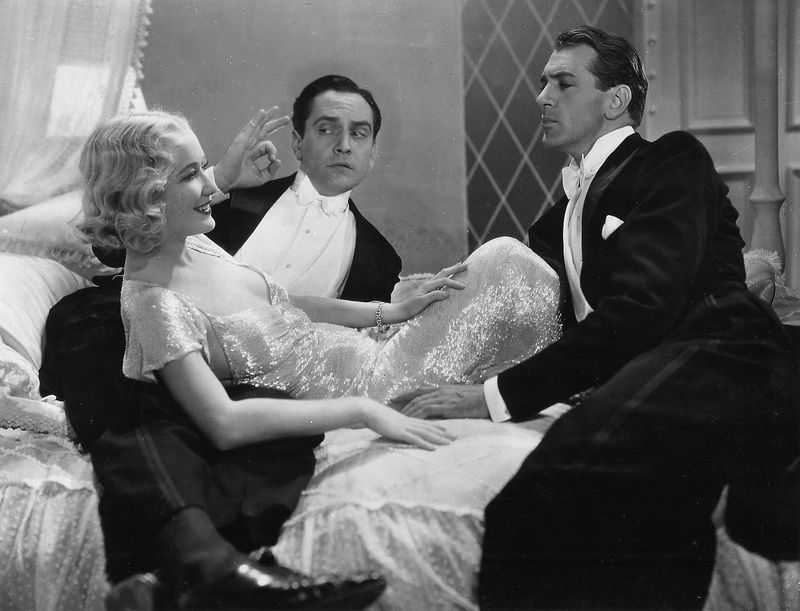
Ernst Lubitsch’s Design for Living (1933) is what sexy should be—delightful, romantic, agonizing ecstasy. And it’s not just sexy but also revolutionary, daring, sweet, sour, cynical, carefree, poignant, and so far ahead of its time that one could cite it as not only a pre-Code masterpiece but also a prefeminist testimonial. A uniquely Lubitschian picture in its elegance and graceful wisdom, with the gruffly intelligent, street-smart Hollywood writer and soon-to-be legend Ben Hecht collaborating, this take on the trials, titillations, and torments of a kind of relationship usually seen in true adult films, a ménage à trois (and one involving the gorgeous trio of Fredric March, Gary Cooper, and Miriam Hopkins), is unlike any other movie of its era.
What film, even before that killjoy schoolmarm Joseph Breen brought his Squaresville strictness to the Production Code in 1934, has ever presented the potentially salacious scenario of three-way love in such a wistfully complicated way? This is neither a bunch of hot-to-trot cheap thrills nor a moralizing sermon on the dangers of sexual transgression—it’s a soulful look at human desire.
Design for Living recognized that desire is not divided unequally between the sexes. It can, in fact, be genderless. A place where gentlemen can be women. And women can be wolves. And men can be romantic Red Riding Hoods, wandering through a quixotic forest only to stumble across a beautiful blonde with shimmering white teeth, delicate little feet, and a big, beguiling wit. “The better to share you with,” she will eventually declare, before not eating them whole but tasting their specific Coop and March delicacies with equal ardency. Here, however, is where the movie reveals clearly that men are indeed men. Male horniness is not to be trifled with. Best friends or no best friends, how can they resist? This is some woman. They surrender, dear.
And that surrender happens from the get-go, perfectly, in a favorite movie location for scintillating erotic interplay: a train. With a wonderfully wordless introduction, the movie—adapted quite loosely from Noël Coward’s notorious play—begins like a declaration: This is a movie. To those expecting two lumps of Coward in their Lubitsch, well, sorry; you’re getting a pinch (and thrown over the shoulder for good luck). This is not a play. This is a motion picture. Faces are the thing, faces writ large, gorgeous faces as directed by the sparklingly urbane Lubitsch.
Please read the rest of my essay at Criterion. And, don't be a gentleman, if you've not seen it, watch the movie. March? Cooper? Hopkins? Lubitsch? Hecht? You can't go wrong. Well, you, or rather they (the characters) can go wrong, but in all the right, sexy, elegant ways… And that's not exactly wrong. Viva unconventional love!
The BBC asked me to contribute my top ten list of the 21st Century's greatest films. It wasn't easy. These lists never are. But lists aren't definitive, obviously — they work best to stir up discussion and debate. And internal debate as well (I wanted a few ties. One more Paul Thomas Anderson, one more Lars von Trier, one for Quentin Tarantino and the glorious Kill Bill).
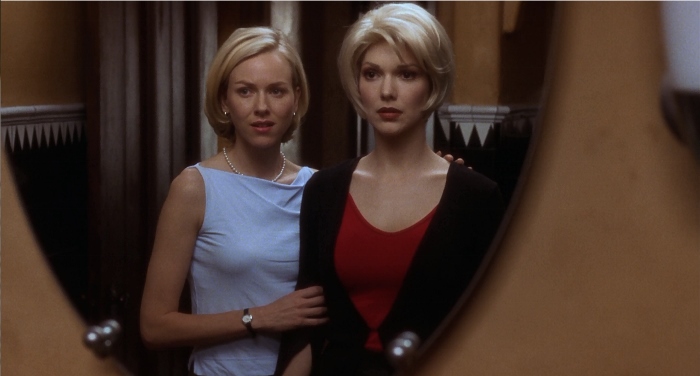
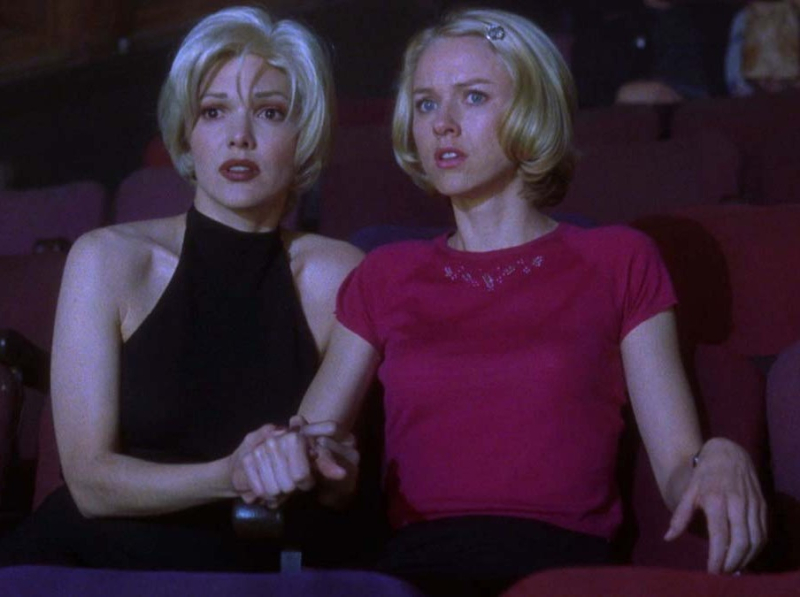
If you know me, you know what my number one choice was. If you know me ever better you know what my number two choice was. My number two added up to the number one among all 177 world critics polled (read all of the individual lists here). And I wrote about that picturehere, among the 25 of the best chosen (OK, it was David Lynch's Mulholland Dr.)
Here's my list — for now:
1. Inherent Vice(Paul Thomas Anderson, 2014)
2. Mulholland Dr.(David Lynch, 2001)
3. Melancholia (Lars von Trier, 2011) [Tie: Antichrist, 2009]
4. There Will Be Blood (Paul Thomas Anderson, 2007) [Tie: The Master, 2012]
9. The Turin Horse (Bela Tarr and Ágnes Hranitzky, 2011)
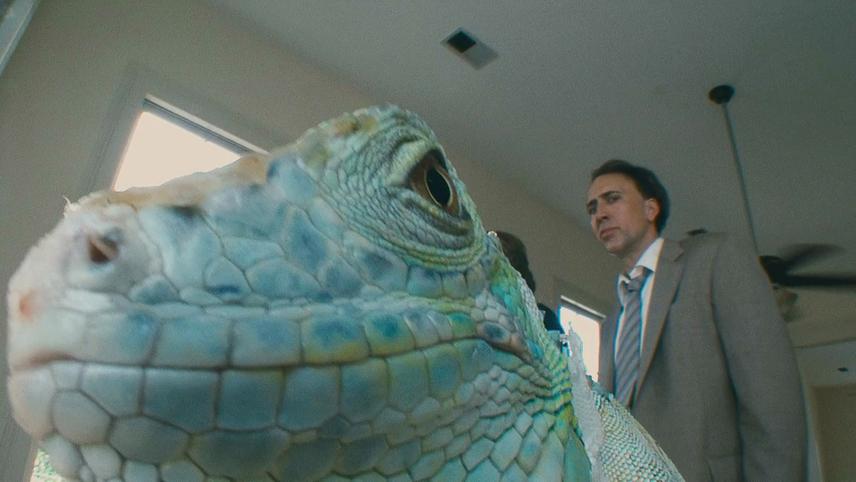
10. Bad Lieutenant: Port of Call New Orleans (Werner Herzog, 2009)
And…here's my BBC writeup of the number one movie, Mulholland Dr:
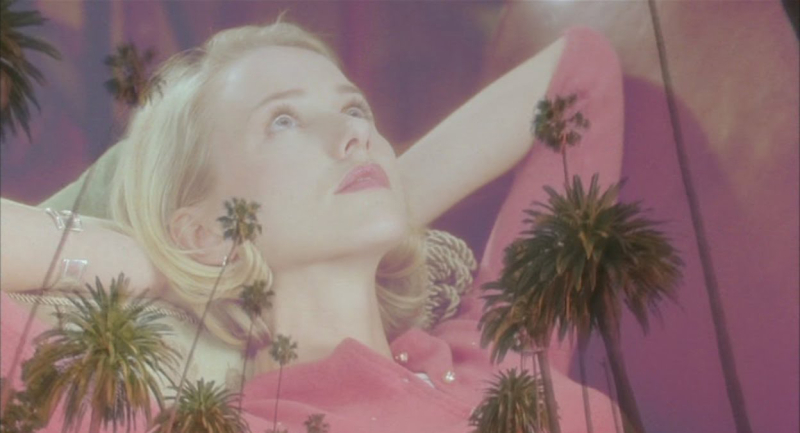
WH Auden called Los Angeles “the great wrong place”. James Ellroy called it “the great right place”. The idea that two, or more, seemingly conflicting ideas can simultaneously be true is so often forgotten in the zero-sum culture of today, but it’s at the heart of David Lynch’s empathetic masterpiece. Mulholland Drive came to us haunted. It was a rejected TV pilot, reportedly turned down because of its confusing narrative, actresses ludicrously deemed too old, disturbing images and Old Hollywood star Ann Miller sucking on a cigarette. By design, Lynch was already echoing the Hollywood dream machine and the idea that movies reflect our own dreams – perhaps knowing all along this fever dream could only flower on the big screen. Mulholland Drive is a reverie of sex, suicide and “silencio”. It’s also America, the beautiful and the bizarre, its romanticism, dysfunction, cruelty and absurdity. We love movies. The world loves movies. But America’s often freakish, surreal desperation towards ‘glamour’ when upturned can be as ugly and as horrifying as a nightmare – and the nightmare set at Winkie’s Diner in Mulholland Drive is one of the most terrifying moments put on film. Lynch’s film is so gorgeous and so painful, so mysterious and, in many ways, so recognizable – drive on the actual road, Mulholland, at night, and then walk from Western to Vermont, and you’ll see – that, whatever theory you ascribe to it, the picture does indeed reflect a reality that moves beyond southern California and parks itself in our brains, tapping into our dreams, deepest fears, inscrutable natures, erotic desires, pool boys and dumped paint on jewelry…
Today is Billy Wilder's birthday and one must celebrate. One must watch Wilder. All day, if possible.
There are many masterpieces and near masterpieces to choose from (The Major and the Minor, Some Like it Hot, The Seven Year Itch, Ace in the Hole, Double Indemnity, The Apartment, One, Two, Three, and more and more. And then, the movies he scripted, from Ninotchka to Ball of Fire to Midnight…). And there's plenty other under-seen pictures I need to discuss here that aren't Wilder (Wicked Woman, Play It as It Lays and Cry of the Hunted to name a few, as well as all the pre-code delights I've dug into). And besides, when it comes to Wilder I don't know where to begin. I love Marilyn so much, that I've seen both Wilder's Some Like it Hot and TheSeven Year Itch too many times to count, that they deserve a separate essay. So I'll get to that another time.
But then everyone has written about Wilder. And yes, he's too important to not discuss. He's one of the greats. So here's a start — Wilder pictures I watch on a continual, obsessive, bizarre-o basis. These are two movies I revisit so frequently that it confuses me. I'm not sure if they're even my favorites (Ace in the Hole might be tops), and yet, I drop in on these films like old friends. They provide me with a twisted kind of comfort, clearly the only kind I can stomach these days.
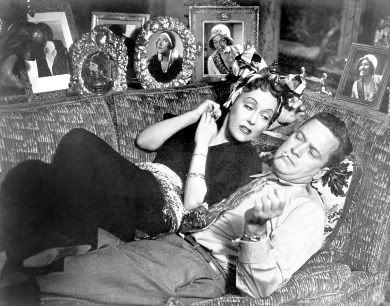
Twisted? Oh, yes…Sunset Blvd. Billy Wilder's cynical look at Hollywood was so scabrous that, as the story goes; famed studio head Louis B. Mayer left a preview hollering, "We should horsewhip this Wilder! We should throw him out of this town that's feeding him!"
Yes, the movie was that disturbing to its own, and for an understandable reason — Mayer and company didn't like their dream factory revealed for what it often was: a nuthouse. Well, sometimes a nuthouse. It was also full of hard workers too.
The story of washed up silent screen star Norma Desmond (Gloria Swanson) and her deranged, desperate attempts to re-enter pictures (for all "those wonderful people out there in the dark") is a noir of sorts, but really, a pitch black satire that reveals how disposable the industry treats their talents.
If you're not significantly saddened when silent film stars Buster Keaton, Anna Q. Nilsson, and H.B. Warner show up as cameos called "The Waxworks," then you don't love movies.
And Wilder loved movies; he just knew how cruel the business was. Within this dark vision, William Holden's struggling screenwriter turned hustler, Desmond, is a kept boy and reluctant writing partner (remember how he reads her long draft of Salome, written in her "childlike scrawl"). He lives in Norma's rambling, bizarre mansion off Sunset Boulevard that, at one point, harbors a pet monkey. A pet monkey. If only I could find that mansion. And Miss Desmond. I'd stick right by her. It's tough out here for writers.
Brilliantly scripted with all those legendary lines, perfectly cast (with the heartbreaking touch of director Erich von Stroheim starring as Desmond's devoted butler/chauffeur), expertly, expressionistically shot and thematically resonant, Sunset Blvd. remains the most salient peek at, in this case, the extraordinary, sick and desperate underbelly that is Hollywood.
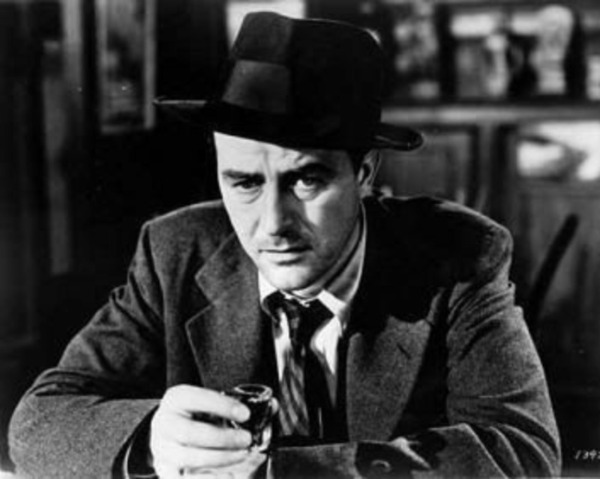
And then there's Wilder's dipso-masterpiece The Lost Weekend, a film I watch so often that I can't see a glass ring on a bar table without thinking of Milland (screw cocktail napkins and coasters). I'm not exactly sure why I must view Milland and bottle so often and yet, I do, especially in the wee-hours when I'm suffering from insomnia. And there's been a lot of sleepless nights.
I suppose there are obvious reasons why the film is so engrossing — it's a deserved classic and Ray Milland is funny, tragic, sexy, mean spirited, sneaky — everything an alcoholic you would know and, unfortunately, love would act like. I get that. (In my past, I have managed to love drunks). And then there's the story, an important chronicle within the history of addiction movies, and one Wilder chose to relay not as a tired warning tale, but in part, as a clever horror movie — creepy, potent use of Theremin and all.
The movie is oddly humorous, but tough and rough and sad and erotic (drugs and booze are turn-ons, and Milland is a seduction). It's a nice cross-pollination of Wilder's wonderfully cynical sense of humor and seriousness towards his subject. He seems to both love and hate Mr. Milland, and we are right there with him, questioning, in my case, such deep attraction to the movie.
Why is Ray Milland such a lovable jerk, beyond his charming, deceptive alchy ways? Why is Jane Wyman so adorable and yet irritating (could it all simply be that beautiful leopard coat!)? Why does Wilder hand him dishy Doris Dowling ("I'm just crazy about the locks of your hair") and he isn't allowed one wild bender with the woman? Why is that drunken hallucination at the opera so damn horrifying and hilarious and flat-out entertaining to the point of yearning for some D.T.'s? Why do I get a simultaneous kinky kick and a chill when Milland is confronted by the dry out nurse Bim in that oh-so homoerotic episode?
Why do I know he's gonna fall off that wagon directly after the picture ends? Why do I believe the only way he can write that novel is in a dipsomaniacal stupor? Why do I hope that he does finish it drunk? And finally, why does the movie (and this is going to sound terrible) make me want to pour a stiff one and spend all of the day and all of the night with Milland? As the spunky, sexy Dowling might answer, "Because I'm just crazy about it. Don't be ridic'!" Words to live by.
Here's to Billy Wilder. And now, time for a drink. Enjoy a long, lost night, as Milland did below.
Just be mindful of the cute little mice and the murderous little bats.
Read my piece on two terrific, newly restored noirs with two powerful actresses leading the show (Ann Sheridan and Lizabeth Scott) — "Woman on the Run and "Too Late for Tears" — in the July issue of Sight & Sound. Find the movies at Flicker Alley (I'm also part of the two documentaries about the two pictures). Here's a excerpt. Read the entire piece in the July issue…
Marriage. What does it do to people? Or, more specifically to women? Oh, it’s fulfilling and children are often born and two souls are united, and there’s hard times and good times, and then … who are we kidding? It gets old. Not irrevocably so, not always (but enough that divorce is as common as the cold), but some people become so rote, they lose their way, they sleepwalk through the motions, dreaming of another life, floating in some marital netherworld they never anticipated. They pace around a kitchen and coolly reveal rows of dog food cans in the cupboard to inspectors while their husband’s gone missing. They go sociopathic with glee when a bag of money falls in their lap, never mind their husband wants to do the right thing, because, why would you do that? Why not team up with Dan Duryea, double cross his sleazy ass and run off with a bag of loot. Is that normal? Should it be? What is normal?
When discussing the dual release of two pictures long buried in scratchy, public domain copies, now restored thanks to UCLA Film & Television Archive and the Film Noir Foundation, Too Late for Tears (1949) and Woman on the Run (1950) nothing is normal. And yet nothing is unrecognizable either. Humans are human. And odd. In Too Late for Tears, the weirdest housewife in the world, Lizabeth Scott, says to a snooping, face-slapping Dan Duryea, “I let you in because, well, housewives can get awfully bored sometimes…” In Woman on the Run, the most disenchanted housewife in the world, Ann Sheridan, is asked to describe her missing husband to suspicious detectives. Her answer, “I haven’t been able to for a long time.”
Byron Haskin’s Too Late for Tears (1949) is the meaner of the two pictures. Lizabeth Scott is just riding along at night with her husband (Arthur Kennedy) when a bag of money tossed from a passing car is hurled into their back seat. Well, how’s that for lucky (unlucky) accidents. Kennedy wants to report it to the police, Scott wants to keep it, and they make it past the real recipients and the police and all the way home, emptying out the money on the bed, Scott practically orgasmic with the idea of 100k almost literally falling in her lap. Kennedy asks, perplexed, “What is it, Jane? I just don’t understand you.” Yes. It is safe to say this man doesn’t understand his wife. Has he ever understood her?
And then Dan Duryea shows up… Duryea takes in lovely Scott and sees right away what her husband has been cluelessly unaware of – this lady is crooked, perhaps evil, and Duryea likes it. It gets him off. Scott’s perfectly suited for this type of attraction – she often appears a walking somnambulate with an odd kind of toughness — an angelic face and that valium-tinted voice, trained, but tranquil, and so her evil comes off not hard, and not vulnerable, but … lost. Drugged. She’s sexual and a-sexual. She’s completely in control and completely insane. She’s confusing; her mystery impenetrable. And that’s attractive. This attraction isn’t Duryea’s smartest move, however, as Scott’s bored housewife is so mercenary, that nothing, not her husband, not even Dan Duryea is going to get in her way, and she moves to places even an eventually sympathetic and nuanced Duryea finds terrifying, which is really saying something.
The movie becomes deliciously hysterical with Scott’s single-minded yen for money, swirling into a dreamscape that feels almost allegorical of a housewife’s desperate attempt to break the monotony of her life. The picture is most stylish by its climax; one that recalls Stanley Kubrick’s The Killing, another damn suitcase/satchel is the downfall. Sterling Hayden purchases a cheap one, watching his money fly all over the tarmac, Scott trips over her case and tumbles off a terrace. The result of all her dirty deeds is a beautiful shot – Scott, gorgeous in her evening gown lying on the ground like some dead angel, money gently falling all around her like snow…
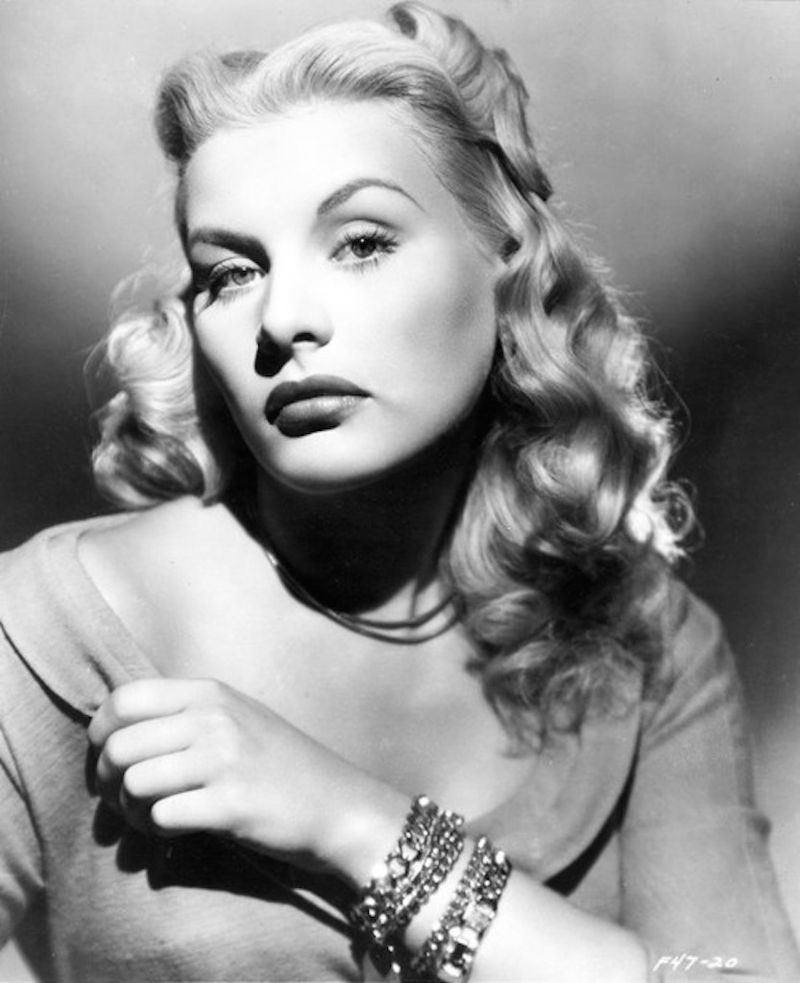
Barbara Payton was gracious enough to let Leo Guild into her apartment. That’s one way of looking at this sleazy/sad alliance, a union of two making a fast buck, pushing forward in spite of their shambling lives and, in the end, perpetually losing. But as Guild reported later, Payton, though polite on the phone, was in person, gross: “pig fat” as he indelicately — that's not the right word — cruelly called her and with a “red, angry scar coming from under the shirt and running down her thigh.”
Recalling their meeting to work on her 1963 autobiography, the shocker “I Am Not Ashamed” (more recently reissued through Spurl Editions, the cover photograph a weary and worn out Payton clutching a box of tissues, walking through court in her last mink coat) Guild in, 1967 (the year Barbara died), wrote in Pix Magazine:
"I left my typewriter at six o’clock and drove over to a broken- down apartment house (since razed) opposite a bar she hung out in called the Coach and Horses. The smell in the hall was of cooking cabbage. Her apartment was number six. I knocked and she yelled, ‘Entre vous.’”
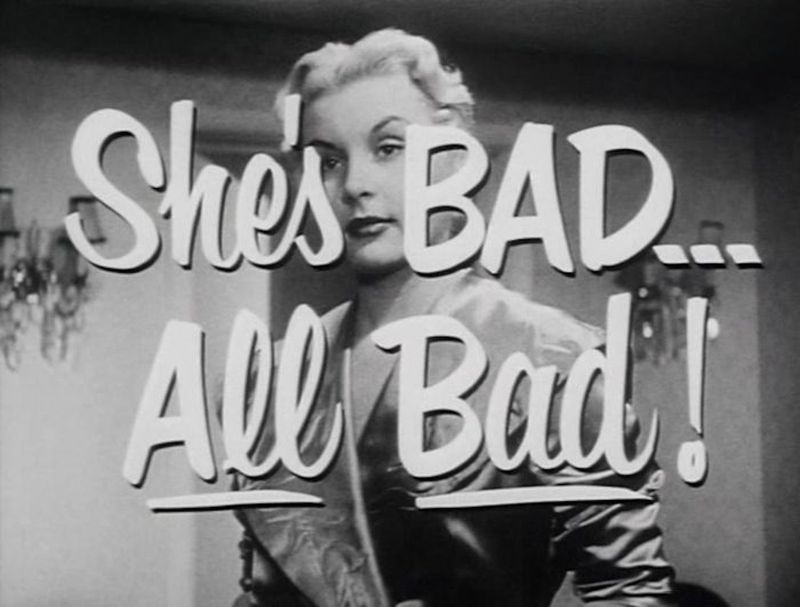
“Entre vous!” Well, now that is gracious, aggressively so. And weirdly charming. Charming in the way we might imagine Beverly Michaels angrily letting in Percy Helton in Wicked Woman. Gracious in the way Shelley Winters might attempt to impress James Mason’s Humber Humbert in Lolita. Loud and scarily friendly, but, delightful, in her own way. And harder. And tougher. And sadder. But the hell does Guild think he is? Payton just happened to be a Hollywood prostitute at the time, living with her pimp. What made Guild any more superior? Had Charles Bukowski been privy to this (and one wonders if Payton and Bukowski ever crossed paths – they were imbibing in nearby Hollywood watering holes), he would’ve lessoned Guild on manners regarding the proper slumming of winos. This is, in Bukowki’s words, a “distressed goddess” you’re dealing with here. A woman who went from once being married to intellectual, dapper Franchot Tone to knifed by a trick (“Thirty-eight stitches from my fleshy belly down.”) And then there was Tom Neal. Entre vous at your own risk.
Guild was the ghostwriter behind Payton’s infamous autobiography boasting the blazing, pre-hashtag anti slut-shaming title, “I Am Not Ashamed” (which she did indeed, say, bless her) a man who exploited and recorded a wine soaked, once-gorgeous ex-movie-star at one of the lowest points of her life. Guild also penned Hedy Lamar’s scandalous “Ecstasy and Me” as well as books on Frank Sinatra, Jayne Mansfield and Fatty Arbuckle, and then, moving to Holloway House, cranked out titles like, “Street of Ho's.” Yes, “Street of Ho’s.” He’s an odd writer. Terrible, in some cases, but when merged with Payton, something interesting happened. There’s a hyper-drama and unaffected quality to the prose, likely as Barbara’s mental state at the time, the way drink and drugs crank you up and flatten you out. Yes, Guild was strange too. As described by The Stranger’s Paul Collins, perhaps the only writer who marked the ten year anniversary of Guild’s passing, the 1976 “Street of Ho’s” reads “like… well, like Bob Hope's assistant writing a novel about hookers. Representative sentence: ‘Sheila made him a ham and cheese sandwich and they made love while he ate.’”
Frankly, and perhaps out of context, that’s a good sentence. Weird, sexy, direct, and a little disgusting. Or a little delicious. Your choice. And interestingly, something Payton may have said while throwing her head back and cackling a laugh. And then there’s the joke about Bob Hope. He knew a thing or two about Barbara. Payton’s reported ex-lover, Hope allegedly slept with her, furred and jeweled her, and kept her in an apartment (while married of course). She later ratted him out to the tabloids. This did nothing to harm Hope (of course) and everything to bury Barbara – her burning of bridges did her no favors. But she didn't deserve that.
Hollywood does not like their beloved comedians to be revealed as, well, human, and a little sleazy. And Payton’s behavior, some might say unseemly, some might say she made her own bed, some might say rebellious, harmed her career. Hell hath no fury like a woman scorned, but hell hath no fury like legions of Hollywood men, many probably given the brush-off by young, beautiful Barbara, watching and enjoying the decline and decay of a woman. Barbara (arguably) created some of her problems, but she was also damaged, from childhood, from Hollywood, from drink and drugs. There's something beyond sexism when it comes to Barbara – sadism. And perhaps some masochism on her part. Baby Jane Hudson was treated nicer (and, in a crazy way, treated herself better) than Barbara. At least she had a maid and a house and a sister. But that was just fantasy.
Guild tapped out Payton’s tome quickly, serialized it in some scandal rags, and publisher Holloway House paid her 1,000 bucks — money that supposedly dissolved in a bottle of booze or burned up on a bent spoon of heroin. The book came and went and then, through time, came back again, a cult curiosity. The ultimate downfall. Who had ever written a book this unabashedly unashamed? No one.
But here’s the thing, Payton’s drunken ramblings and recollections (who knows how much are true or truer than you could ever imagine?) melding with Guild’s jazzed-up pulp speak becomes something of a minor masterpiece (though minor is not exactly the right word here…). A dime store (in the best sense of the term) “Notes From Underground” — the bellowing of the underground woman, telling us there is something wrong with her looks (and most certainly her liver), filled with regret, self-doubt, black humor, pride and touching reassurance that it might work out one day knowing damn well it probably won’t. As she, via Guild, wrote with all the flavor of Horace McCoy: “Forever is just a weekend, more or less.”
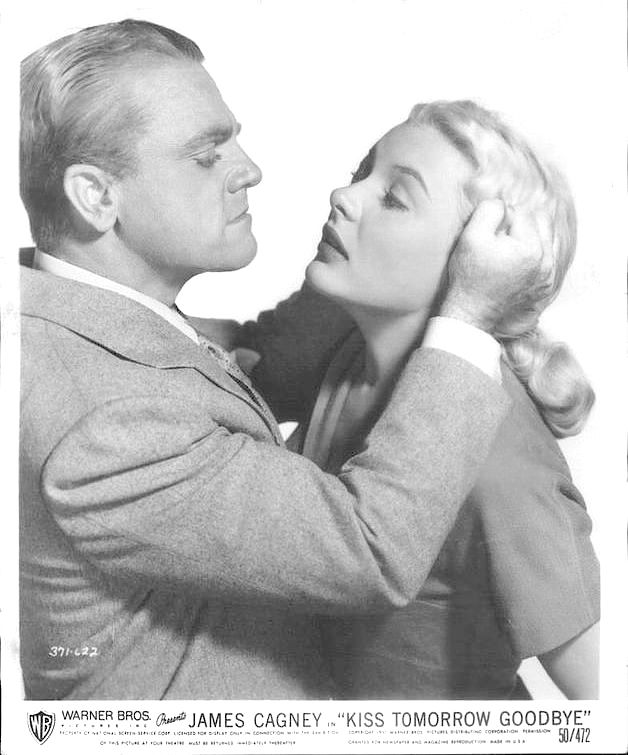
Horace McCoy, in fact, fits within this story, a story he could have written, and a writer connected to Payton’s own stardom: Her big breakout came from a McCoy adaptation, Kiss Tomorrow Goodbye, a title so prophetic it’s almost too tragically perfect. After the gorgeous, blonde impressed in earlier fare, most notably Trapped opposite Lloyd Bridges (terrific), Warner Brothers signed her and in, 1950, she acted her hard-boiled ass off opposite one of the biggest WB stars of all time, James Cagney. She was great in it (she was great in a lot of movies — even the lesser ones — she had gorgeous "it," she had grit, she had reality). She had made it. As she wrote:
“This may seem conceited, but it’s true. I was first to use what now is called ‘The Method’ act. I felt my power before I even went before the cameras. Jimmy Cagney was the star. I played a girl named ‘Holiday’ in the movie Kiss Tomorrow Goodbye.
“I just talked and stumbled around and wasn’t formal – just had fun. The critics loved it. The word ‘natural’ was used in all the reviews. Sure, I was scared before I went before the cameras, but it all worked out perfectly.”
She was a natural. I love that she was proud of this work. She should be.
She boasts:
“I went out with every big male star in town. They wanted my body and I needed their names for success. There was my picture on the front pages of every paper in the country.”
But over a decade later, things had changed:
“Today I live in a rat-infested apartment with not a bean to my name and I drink too much Rose wine. I don't like what the scale tells me. The little money I do accumulate to pay the rent comes from old residuals, poetry and favors to men. I love the Negro race and will accept money only from Negroes. Does it all sound depressing to you? Queasy? Well, I'm not ashamed.”
But was she ashamed? One is not so sure, giving the book an extra dose of pathos. If you read John O’Dowd’s impressive, indispensable biography of Payton, entitled, “Kiss Tomorrow Goodbye,” Payton was not simply the tough tootsie the autobiography made her out to be. She was an early rebel, she played by her own rules, she fucked off and fucked up, but she wasn’t a terrible person — she loved her son, felt awful about losing him (and her son still loves her), was often a loyal friend and was, quite clearly, deeply alcoholic. She was also shooting heroin. O’Dowd has nothing nice to say about the Payton/Guild collaboration and, as empathetic as O’Dowd is, one can easily see why.
But there’s a raw power to “I Am Not Ashamed,” that, even with and because of its questionable veracity, stuns with a harrowing account of that timeless struggle so many face in Hollywood – keeping a firm grip. And adding to the struggle – keeping a firm grip as a woman in Hollywood. The book works as real documentation of a downfall but also allegorical – mythic in its observations of just how hard some women can fall. And how much men can want women to fall. And how women can even embrace that fall. The shelf life of an actress was terrifying then, and terrifying now. Barbara’s demise reads like a horror movie for any actress losing one too many parts as time marches on. The roles are drying up. What to do? The world twists to make them seem a grotesque.
Barbara, in her own words, only knew how to act. She tried to employ herself, wash hair, work at a hotel, move to Mexico (which she enjoyed) but that was short lived. This is an actress and, so, even her bedtime escapades became something of a show; she’s still the star of her own movie (as detailed in O’Dowd’s book she often left the shades open with clients, so those outside world could get a proper screening). She was the big, peroxide, blonde star lead in her seamy little world, with all its ups and downs, bounced checks, stolen purses, court appearances and police pick-ups — she would continue to make money pleasing her public. Once they were fans, now some were Johns. And they were as worshipful and as critical as the public and the writers and the lovers ever were. And nasty.
The judgment of her seems especially harsh, twisting her beauty into continual ugliness and the (gasp!) horror of growing old and not just blousy, bloated. The way people viewed Payton (though some friends felt for her) is with the underlying sense of “she deserves it.” Well. Franchot Tone can mess up his life and relationships three times over, but once Barbara took up with Detour actor Tom Neal after marriage to Tone (Neal almost killed Tone in a beat down that was the scandal of Hollywood – something you can’t even imagine today, and Neal is another story…) the often powerful, charismatic actress (she really had it on screen – even up to her last film, Edgar G. Ulmer’s Murder is My Beat) was done for.
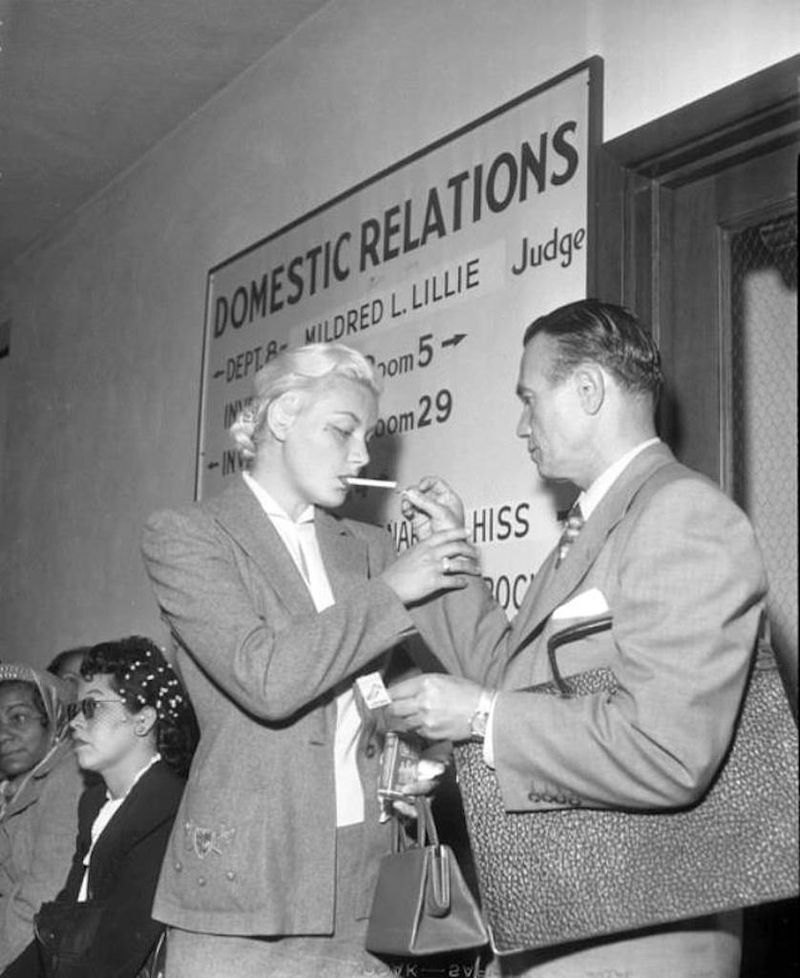
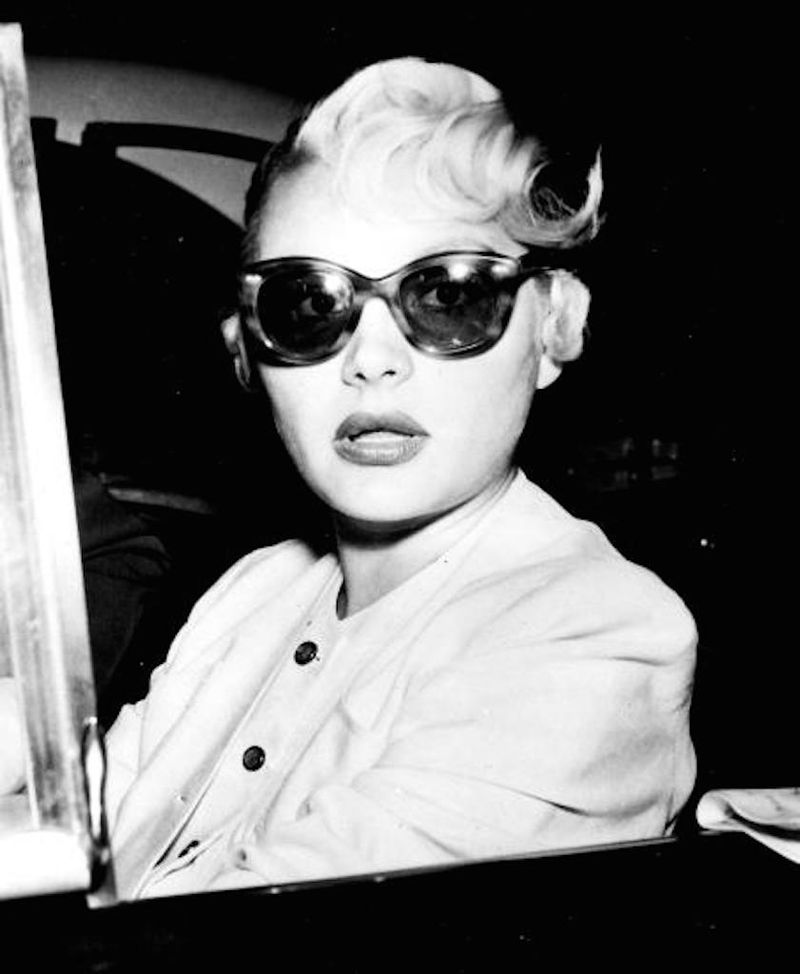
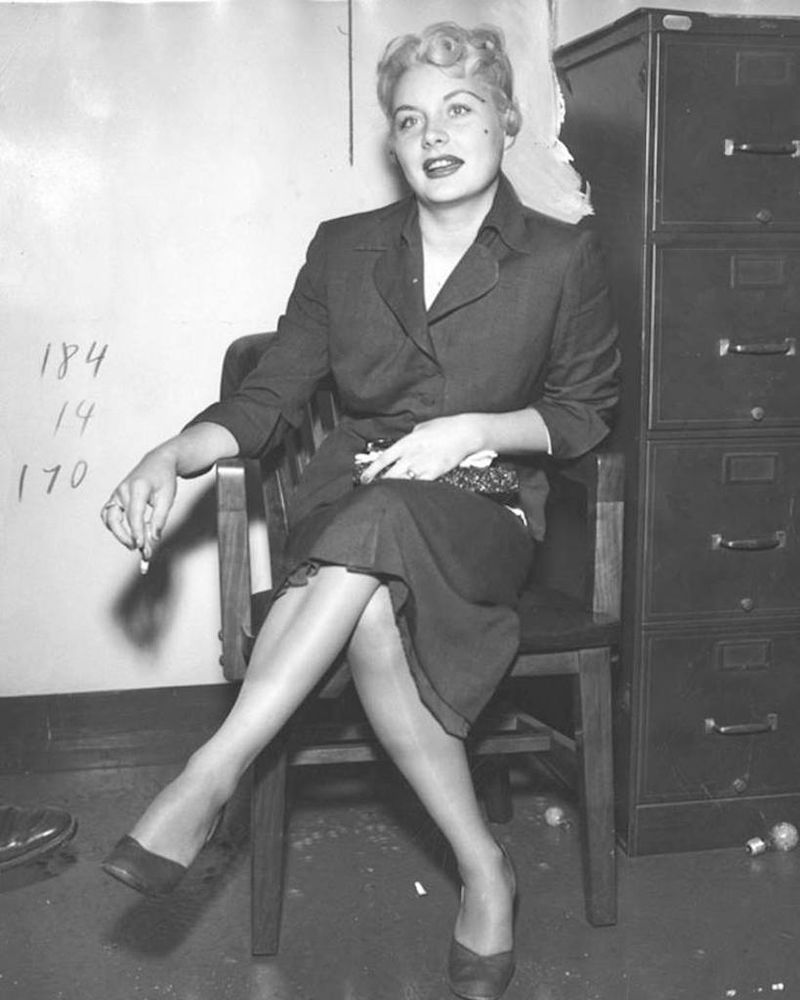
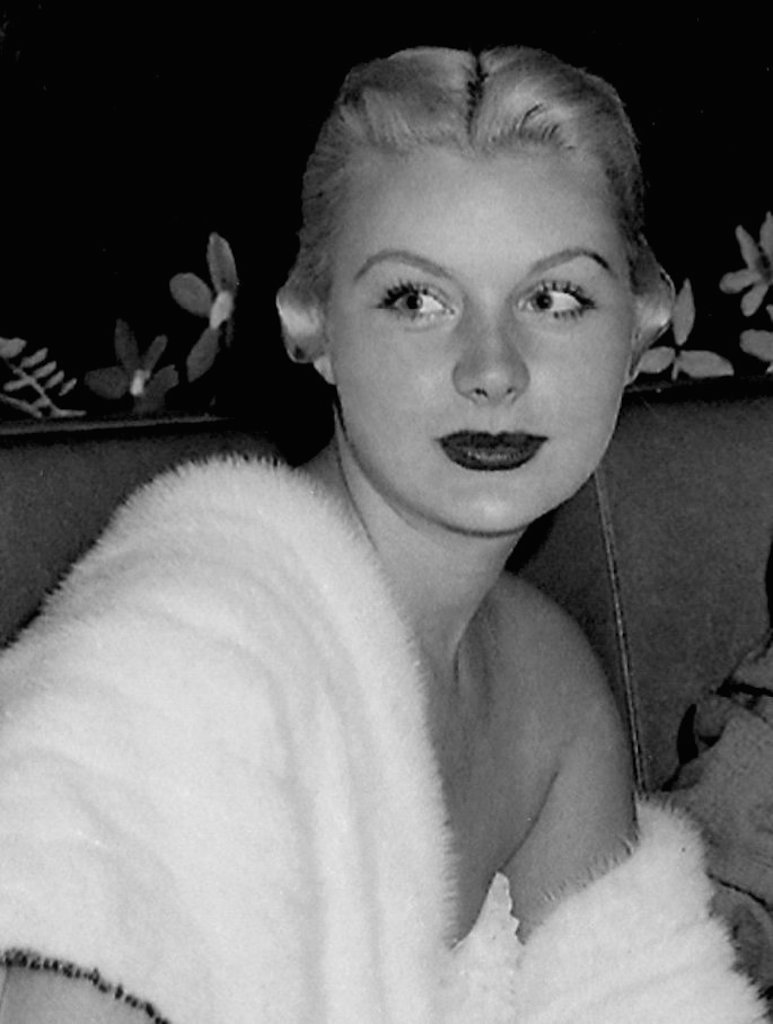
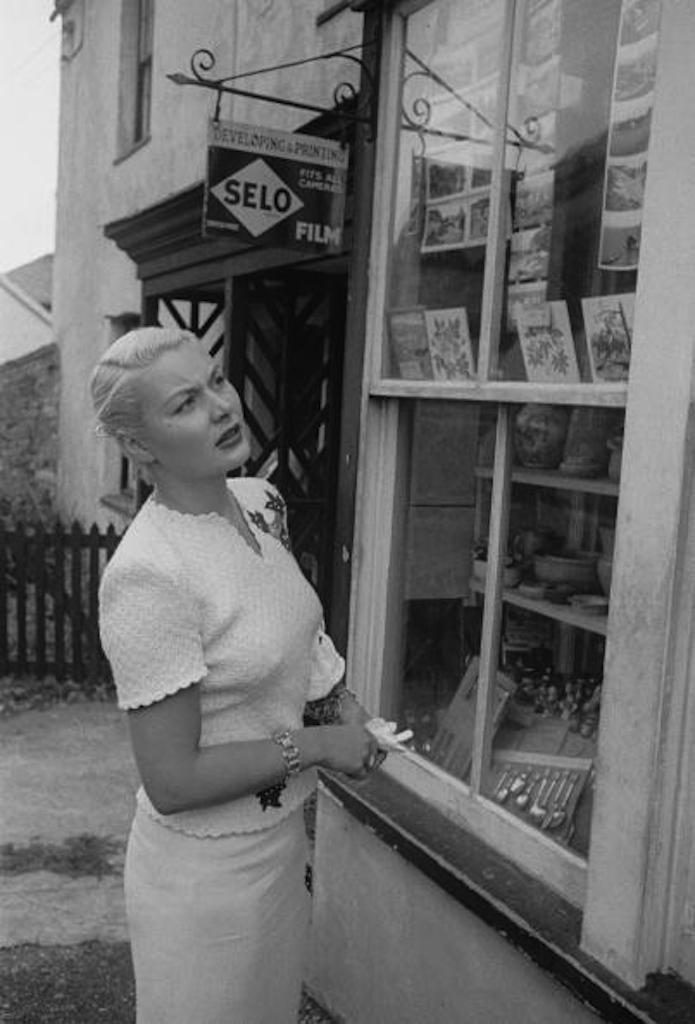
There’s an account in O’Dowd’s book of a Payton friend observing Barbara on the street from his car during her downbeat days, running through the rain in the night. She’s wearing short shorts and sopping weight. What a sight. That blonde, wet and rushing through the darkness, her hair glowing. He was horrified by what he saw, but, he could still see that movie star there; the confidence of her gait. She walked like a goddess. Looking at Payton through various police snaps and older sexy shots, the reader can see it too, even in the supposedly "ghastly" photos taken of Payton for “I Am Not Ashamed.” Yes, she looks a little less like her more glamorous days, but there’s a beautiful woman there (even Guild, as mean as he was, could see it). She really was a stunning creature – good bones, luscious lips, a defined jaw –it’s still there – just a little worse for wear. So what? How dare she age? How dare she suffer and not stay pretty? And, to me, she is still pretty. And she is interesting.
But… thinking of her battered body, jumping into all of those stranger's cars, how is she supposed to look? Perfect? That image of her running down the street in wet shorts, it's so sad and sick and insolently sexual. One can see how men would gravitate to her, even in that debased state and exactly for that debased state. She’s not just a diamond in the rough but a diamond in a gutter, covered by a wet mink – you’d have to look closely to see her glistening. And she must have. I'm going to think she did.
One can imagine Payton still looking like a hot mama in some of those bars. I'm sure she was. Internally, though? Men go through hard times in life, indeed, but women, women have wombs. Wombs are strong. I'm sure she could still enjoy sex. But there had to be pain there. If I read about her staggering down the street, too many hard sex encounters, one involving a knifing, it’s hard not to think of a wounded womb, almost as if Payton’s mixture of pride and self-loathing is the ultimate, dramatic symbol of a self-flagellating movie star saint. Her sex as stigmata. (That sounds so dramatic reading it now, but I am moved by her.) By the end of “I Am Not Ashamed,” no matter how sordid and check-cashing both Barbara and Guild were in exploiting her sorry state, one can only feel empathy. As she opined:
“Well, I could do all sorts of things, and to do them right, and it might look like they would lead to fame and fortune but… down, down, I skidded with nothing to hold onto."
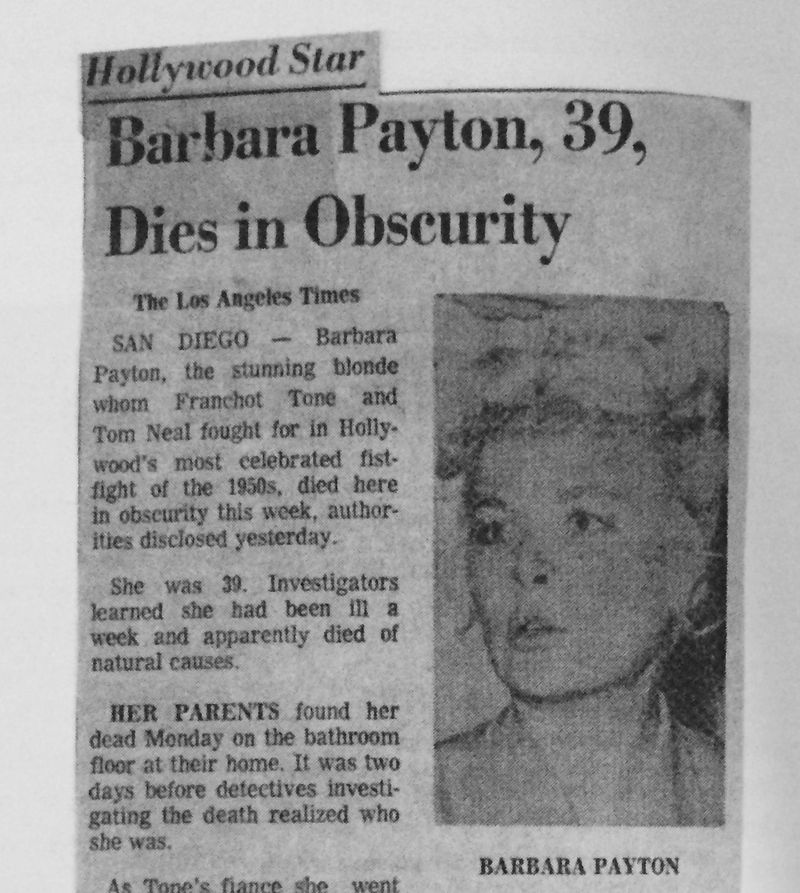
Payton died at 39. Kidney and heart failure. Just got up, staggered across the room, walked into the bathroom and dropped dead in her parent’s house. Never made it to 40, that dreaded age for actresses. Could she have turned it around? Maybe. But probably not– not the way the world often works (I wish she could have). And would she have wanted to? I don't know? She was excited at the end of the book – she was called to be an extra in the Robert Aldrich picture Four For Texas. Aldrich, he of Baby Jane, Hush, Hush, Sweet Charlotte, Autumn Leaves and The Legend of Lylah Clare. Ironic that Aldrich excelled at the feminine "grotesque" (I say that in quotes because I don't find these women grotesque) while managing to be quite sympathetic towards the perils of women aging (see Autumn Leaves — Joan Crawford is not grotesque, just vulnerable and human and beautiful). But this was on screen… Movies of lonely women and wrecked movie stars are easier to stomach. Facing those lines, bleached hair and drunken, lost eyes in the flesh — that’s too close to the truth. It’s not amusing, it's not entertaining, but it is human and if it were a man, it would be much more accepted. Obviously, unfarily. As she wrote of her colorful, tragic, short life with some great performances in there: “It was joke-like. But I couldn’t laugh.”






























 Sunset Gun