









“And the seasons they go round and round. And the painted ponies go up and down. We’re captive on the carousel of time. We can’t return, we can only look behind from where we came. And go round and round and round in the circle game…”
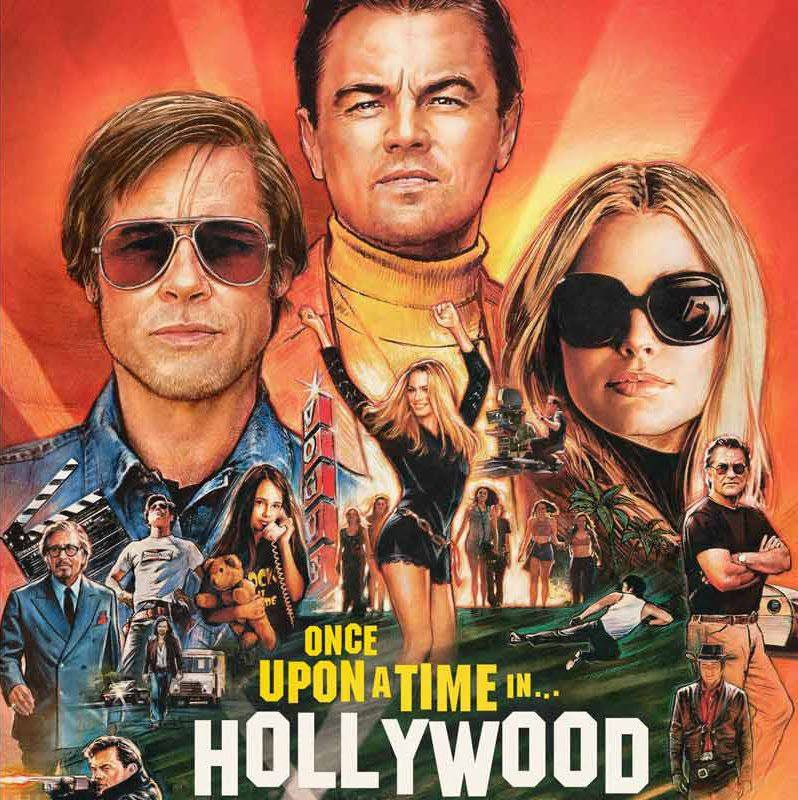
A moment can sneak up on you… and break your heart. And in Quentin Tarantino’s elegiac Once Upon a Time … in Hollywood, there are obvious reasons to feel such things – you know history, something tragic and terrifying is going to happen, or could happen, but throughout the film you also feel something mysterious that you can’t quite place, and that feeling seems both universal and personal – regional, too – this vibe, both dark and light – that pours over Los Angeles like a promise or a threat. A light that can be both warm or blinding. And when it’s dark here – a dark night in Los Angeles – especially up in the silent canyons – often gorgeous – but winding and a little scary and enigmatic. It can feel like something Raymond Chandler wrote, “The streets were dark with something more than night.”
There are some things that movies and music can pull out of you. Things deeply embedded – what you grew up with – songs you listened to and fell for after digging through your parent’s LPs. Stories you heard, movies and TV you loved or were baffled by or haunted by, whether you lived with them at the time or found them later: they are imprinted in your brain, and flow out of you at unexpected moments – making you reflective or happy or freaked out or yearning. And it’s not just nostalgia – it’s something else. It’s wistful, at times, but also not something you’d necessarily want to return to. It’s too complicated and thorny. I don’t know what the word is – or even if a word in English exists for it…
And then, there’s the beauty of light and night. And the danger there too – danger that sometimes felt interwoven in those songs and TV and movies – mythic but real in your imagination. Emotionally honest to you – which can feel as real as a lived memory.
In Once Upon a Time, moments feel beautiful and happy and funny and disturbing and cathartic and sorrowful. And they make you yearn for … what? Not just a happy ending but something that’s hard to articulate. The Mamas and the Papas sing something akin to this, written by a rather ominous figure, the “Wolf King of L.A.,” John Phillips: “To feel these changes happening in me, but not to notice till I feel it…”

So, a moment that night in August, 1969, Once Upon a Time … Jay Sebring smiles at Sharon Tate. He places the needle on the record in her room – the Paul Revere and the Raiders album she was listening to earlier that year (and sweetly mocking Jay for dancing to: “Are you afraid I’m going to tell Jim Morrison you were dancing to Paul Revere and the Raiders? What? Are they not cool enough for you?”) is on display. But it’s not Paul Revere and the Raiders Jay puts on – it’s The Mamas and the Papas’ “Twelve Thirty (Young Girls Are Coming to the Canyon).” It’s a night of The Mamas and the Papas, it seems, as their good friend and houseguest Abigail Folger had just played the piano and sang “Straight Shooter” to her friends – a lovely little moment: “Don’t get me mad, don’t tell no lie. Don’t make me sad, don’t pass me by. Baby are you holding, holding anything but me? Because I’m a real straight shooter, if you know what I mean.”
Jay looks at Sharon – a moment – a quick moment – and we don’t see Tate smile back or look pleased or sad or overheated (as we saw her before) on one of the hottest days of the year (Tarantino poignantly keeps Sharon off screen from now on and until the last shot of the film. A subtle but powerful decision).
But we see Sebring look at her, lovingly, he looks like he feels this is the perfect song to play for Sharon, which is mysterious, perhaps, but it’s such a beautiful song. So pro Los Angeles. So wanting to be trusting. And, yet, so doleful and sung in a minor key and … is this really a happy song? We feel that care and sweetness as the song he chose begins playing. The lush harmonies of John Phillips, Cass Elliot, Michelle Phillips and Denny Doherty: “I used to live in New York City. Everything there was dark and dirty. Outside my window was a steeple. With a clock that always said twelve thirty…”
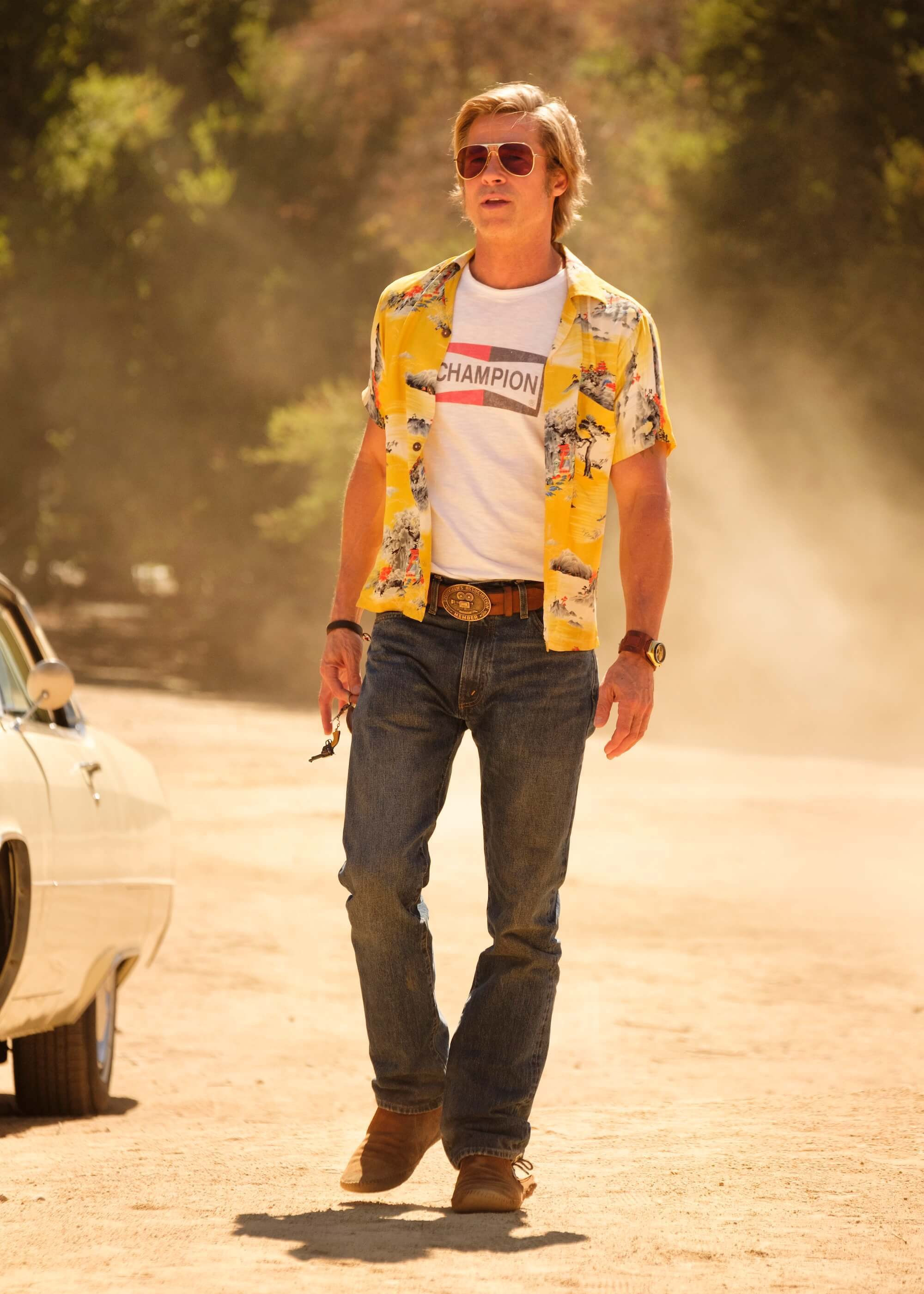
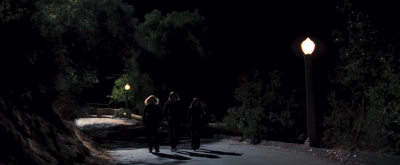
And then, from Jay looking at Sharon, we cut to stuntman Cliff Booth walking his beloved Brandy, his female pit bull, a languorous walk while he’s trying an acid-laced cigarette for the first time. He’s wearing white jeans and white jean jacket, it glows in the night as he strolls Cielo Drive, up in the hills of Los Angeles. It’s a gorgeous shot, man and dog on the road, and we wonder how Cliff will handle that drug trip and then we see … that car. That old busted up loud car passing him – heading in the opposite direction – with Tex Watson, Susan Atkins, Linda Kasabian, and Patricia Krenwinkel chugging up Cielo. The volume of the song hauntingly rising: “Young girls are coming to the canyon. And in the mornings, I can see them walking. I can no longer keep my blinds drawn. And I can’t keep myself from talking.”
It’s such a powerful sequence that it goes beyond its own history and burrows into my soul and gives me chills. It’s also, on Tarantino’s part, a moment of brilliance and a tremendously skilled choice – it visually and narratively bisects reality, sending us into the veritable “Once upon a time…” and you feel it. We are now heading into “What could’ve been…”
It was upon reflecting after the movie, when that scene continued to haunt me, that I understood and pieced together technically, how powerful Tarantino’s cinematic phrasing was (and Robert Richardson’s cinematography). And then what follows… Tarantino could have done numerous things after Watson, Atkins, Krenwinkel and Kasabian (played by Austin Butler, Mikey Madison, Madisen Beaty and Maya Hawke) drive to that street – he could’ve intercut the two homes, thus diminishing and making the whole third act pejorative, or he could’ve “thwarted” the Tate home invasion halfway – but what he does is so intelligent, so precise, so well thought out, that it’s no surprise audiences respond so strongly – and not just for the reasons one might initially think.

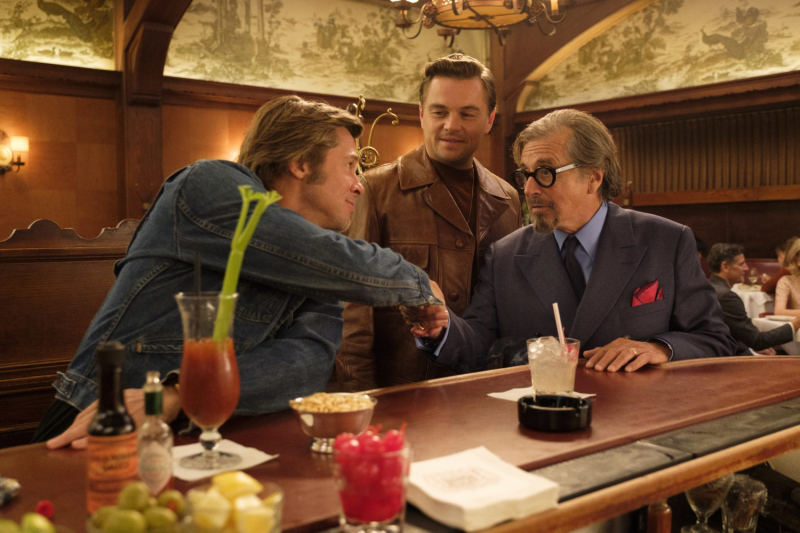
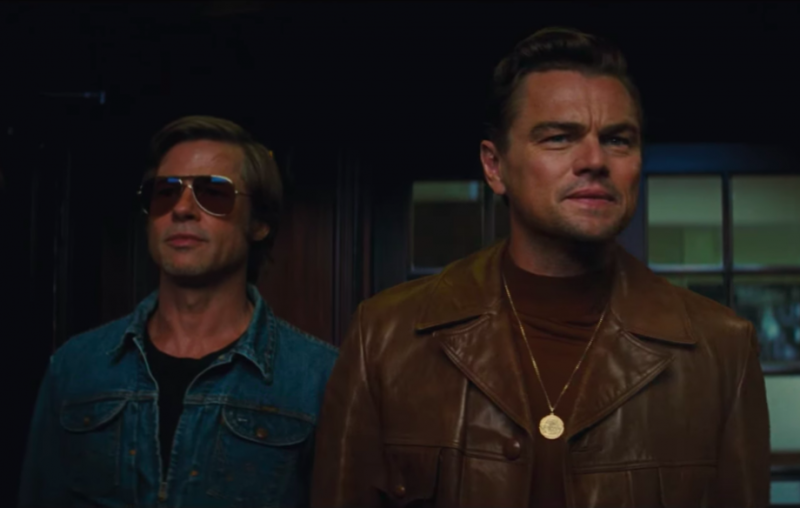
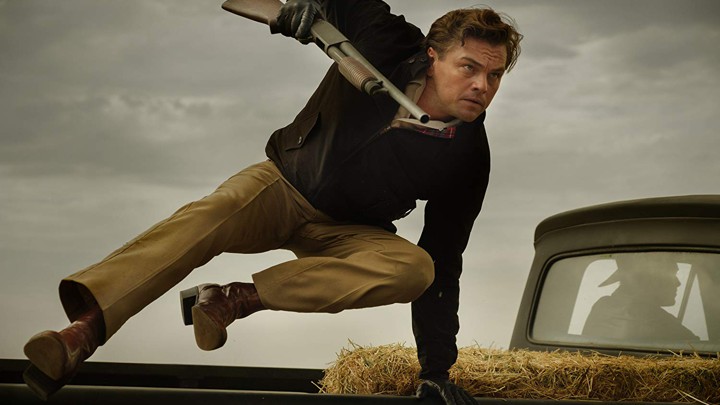
That man, Cliff Booth (Brad Pitt), out walking Brandy, is a long-time stunt double and best friend to actor Rick Dalton (Leonardo DiCaprio) – and he’s hanging out at his buddy’s house for a sort of farewell, for a “good old fashioned drunk.” But more on that later. These two are not as “in” with Hollywood as they used to be, but they have a camaraderie that feels very Hollywood, very mythic and old-school-cool – and Pitt and DiCaprio are such charismatic movie stars you feel like you’re watching a new kind of Newman and Redford on screen. The moment you even see their shoes emerge from Rick’s car -cigarettes spilling on the pavement – you see Rick’s boots and Cliff’s moccasins – it feels instantly iconic. And then they walk into Musso & Frank – Cliff in his denim, Rick in his brown leather jacket – it’s just a pleasure to see these faces together. And as the picture moves along, their close friendship will become immensely touching.
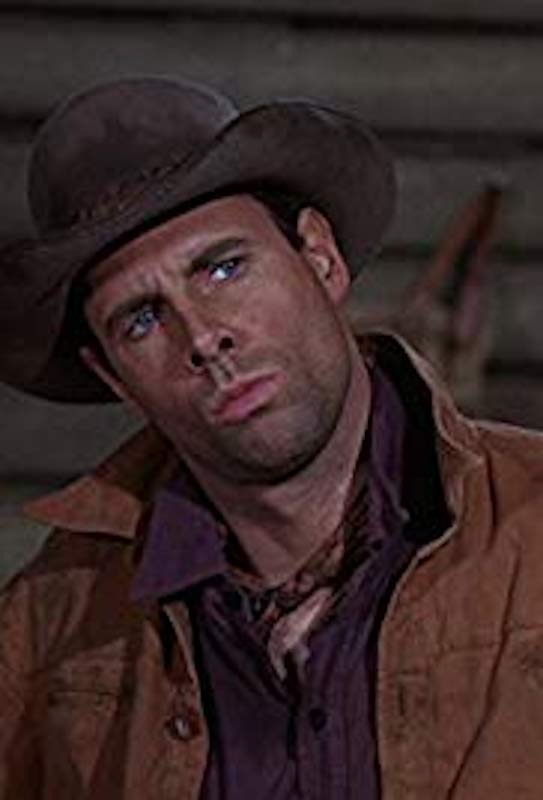
Rick lives on Cielo Drive – up in those beautiful winding roads – and he’s a proud “solid Los Angeles citizen” – a homeowner – something “Eddie O’ Brien” advised him about – to always own. Rick’s a famous actor – most famous for his starring role as Jake Cahill on the western show “Bounty Law” – a sort of variation of the “Wanted: Dead or Alive” western that starred Steve McQueen. But McQueen’s star ascended – Rick’s did not – and he’s now feeling miserable for himself – all those guest spots on TV shows playing villains, feeling less in demand, feeling, as he movingly sobs while reading and describing a western novel to the talented child actor on set, about a character named Easy Breezy, “a little more useless.”

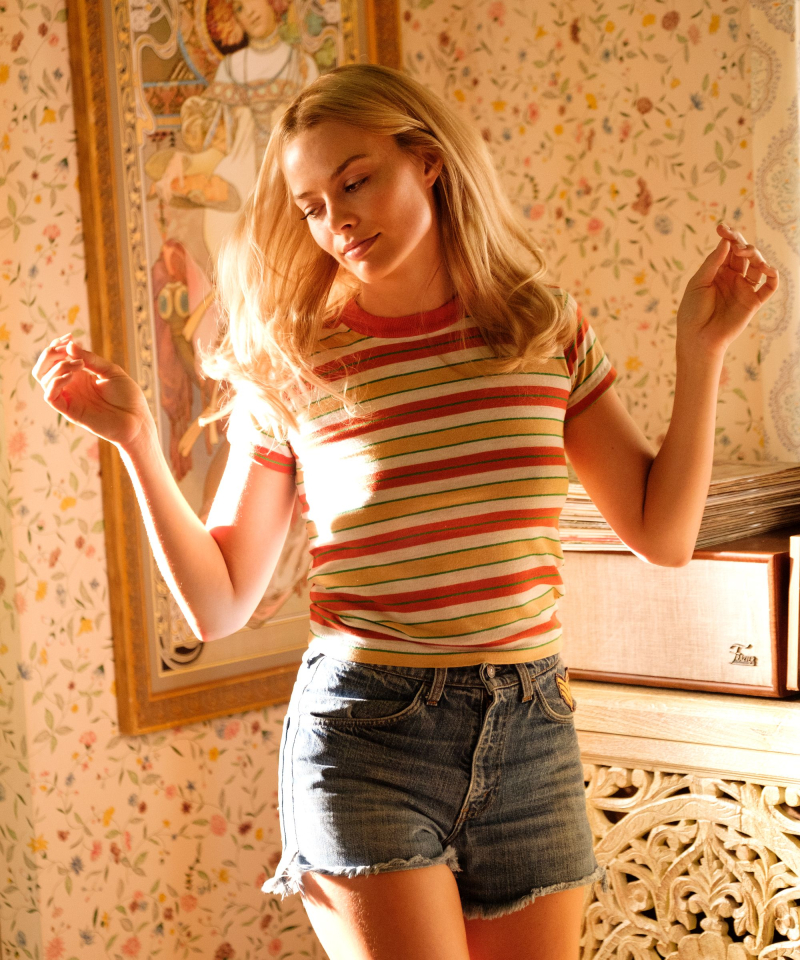
In Tarantino’s movie, Rick’s new neighbors are a recently married couple, but not just any couple – Sharon Tate (Margot Robbie) and Roman Polanski (Rafal Zawierucha) – a beautiful young actress, her future unfolding before her, and the wunderkind director of Rosemary’s Baby – one of the hottest new filmmakers around. After Rick gets teary-emotional in the parking lot of Musso & Frank (“Let’s face it, I’m a has-been old buddy,” he says to Cliff) – after a confidence shaking meeting with Al Pacino’s character, agent Marvin Schwarz, who upsets him into a near breakdown, Cliff drives Rick (Rick, an alcoholic, has too many DUIs to drive himself) in his big Cadillac to his house while Rick throws a fit in the car. We hear a report of Sirhan Sirhan on the news in the car radio and the Vietnam War and here’s Rick – kicking the seats and cursing hippies (the new blood – the new Hollywood competition). There are larger problems out there and Rick is having a tantrum over his career – I think this is intentional – a bit like the way Hal Ashby’s characters (scripted by Robert Towne and Warren Beatty) in Shampoo wander around Los Angeles during the day of the election, 1968, news all around them, worrying about themselves (though Shampoo is directly dealing with the election night). A character, partly inspired by Jay Sebring via hair stylist George (the character was based on different people), played by Beatty, wants to open up a hair salon. Shampoo (released in 1975) was also a period piece, and it also felt a dread descending … As I wrote in my New Beverly piece on Shampoo:
“… the world was already dark under all of that California sunshine, and bleaker because of all that sun – you can’t possibly live up to the Los Angeles dream because it is a dream. So, when George wants to marry Jackie at the end (who knows if it would ever work out? But it’s a genuinely heartfelt, romantic proclamation. And that’s something), it’s heartbreaking:
George: I’m a fuck-up, but I’ll take care of you. I’ll make you happy. What do you think?
Jackie: It’s too late.
George: We’re not dead yet. That’s the only thing that’s too late…”
So what are the dreams of these characters? Can one, namely Rick, just appreciate how far he’s gotten already? No. There needs to be more. And that’s not to criticize Rick – it’s part of what makes him tick, probably part of why he’s a good actor, he does want to do better, to do more. But it’s seriously fucking up his moods to the point of self-destruction. But when Cliff and Rick pull up to Rick’s house – Rick spies his neighbors in their vintage MG convertible – it’s Tate and Polanski. It’s the first time he’s actually seen them and he suddenly feels hopeful. He’s possibly “one pool party away” from a better role, a better future. The cheerful mood doesn’t last too long – Rick clearly has more problems beyond his career – chiefly a drinking problem and a likely mood disorder. But he seems slightly OK for that night, drinking and floating in his pool and learning his lines, preparing for the next day, while his neighbors speed off to the Playboy Mansion, Sharon happily (and charmingly) meeting up with friends, including Michelle Phillips (Rebecca Rittenhouse) and Mama Cass (Rachel Redleaf) to dance together.
It is here that Steve McQueen (Damian Lewis) breaks down the relationship between Jay Sebring (Emile Hirsch) – whom she also partners up with at the Mansion – while watching Sharon dance, Polanski and Sebring boogieing nearby. McQueen, talking to Connie Stevens (Dreama Walker) gossips that Jay, an ex of Sharon, who has remained close to her (so close that Polanski has accepted their friendship and is also friends with Jay) and is just waiting for Roman to fuck up – and when he does, Jay’s going to be there for Sharon. When Stevens responds that Sharon sure has a type – something like short talented men who look like 12-year-old boys – Steve opines, “Yeah, I never stood a chance.”
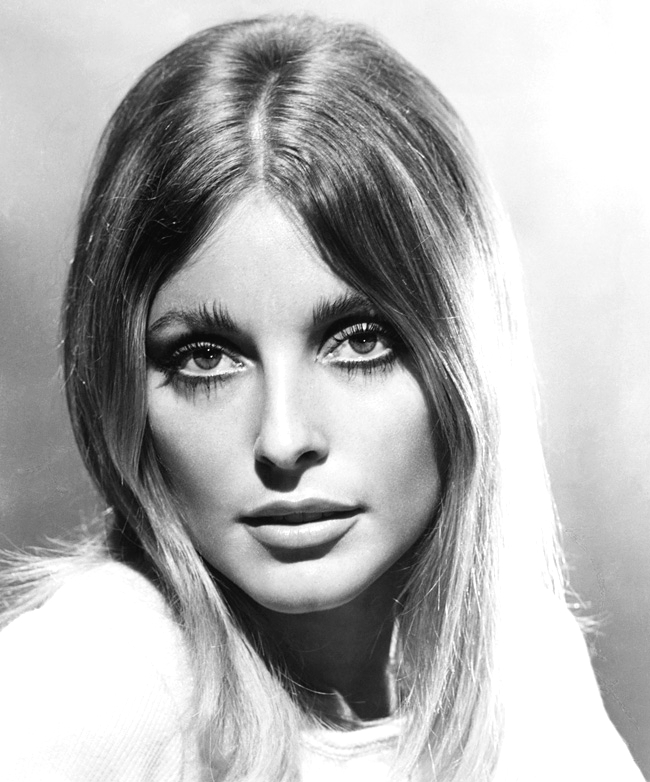
It’s an amusing moment, watching McQueen lament about not getting the girl, but it’s also another smart choice on Tarantino’s part. People were gossiping about Sharon and Roman and Jay, and had Tarantino put obvious words in Sharon or Jay’s mouths, he would have possibly cheapened that touching bond. It could have read insulting. Instead, the actors show it – hanging out at the house together listening to records, Jay checking on Sharon, saying domestic terms of endearment to one another like “honey,” the way Jay answers the door when Charles Manson (Damon Herriman) drops by (not knowing who the hell he is but wanting him out regardless – “Who’s this shaggy asshole?”). Another astute decision – to barely show Manson. As good as the actor Herriman is, people leaving the theater are not going to be lingering on Manson so much (who has been talking forever – he died in 2017 and he still seems like he’s talking), they’ll remember and feel the darkness he wrought, but they’ll be remembering or be thinking about or discovering Sharon Tate a lot more. The real-life victim is no longer defined as just a victim.
When Manson drops by, that’s the same day Cliff, a war veteran, not getting work as a stuntman anymore, not because he’s not able (as he leaps up to the roof, you can see he’s certainly agile) but because of his mysterious past (he may or may not have killed his wife and gotten away with it – we never find out). As amiable as he is, some people don’t “dig” the vibe he brings on set – and as we see in flashback, he was fired from “The Green Hornet” doubling for Rick, and tussling too hard with the great Bruce Lee (an excellent Mike Moh). This moment and the on-screen depiction of Lee has been discussed with some understandable controversy, but it shows that Cliff is an incredibly skillful fighter (though there really is no victor at the end – it’s cut short by Zoë Bell’s Janet) and that he also plays a bit dirty in this moment – he chucks Bruce Lee into a car – he deserves to be thrown off set for that. “Fair enough” Cliff mutters to himself over the memory. He’d like more stunt work than he’s getting, but he’s right now more of a gofer, and is up on Rick’s roof, fixing the antenna. It’s essentially day two of the movie as the film is split into three days-in-the-life, with flashbacks of Cliff’s past and Rick’s career sojourn to Italy to make spaghetti westerns – but the picture, moving along with its characters being very human – follows Rick, Cliff and Sharon during those days.

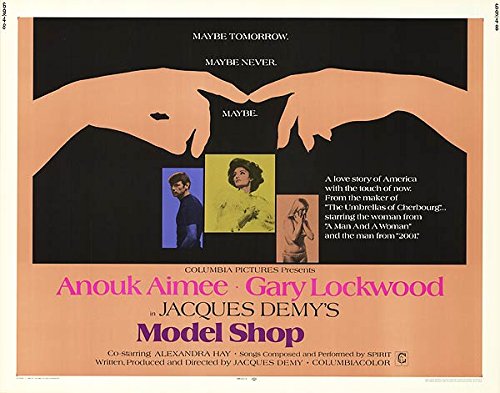
We’ve already seen Rick’s previous night – gorgeously speeding his blue Karmann Ghia through Hollywood and beyond, the AM radio blasting various songs (Tarantino uses the real radio station KHJ, and the DJs and advertisements almost like a kind of narrator – everyone has the station blasting from their cars) including The Bob Seger System’s “Ramblin’ Gamblin’ Man” as Cliff takes the Exit 68/ Panorama City, and ends up in his trailer with an oil rig out front (homage to Jacques Demy’s great Model Shop?) I felt Model Shop quite a bit in this movie – the walking around Los Angeles, and especially all of the driving – something that’s so integral to LA, not just by getting from one place to another, but in how we connect – friends, couples, driving solo, picking up hitchhikers – and Tarantino’s fondness for Los Angeles, as Gary Lockwood’s character feels as well (and Jacques Demy). The driving also reminded me of Maria in Joan Didion’s Los Angeles-based Play It as It Lays, Maria who is always driving, even imagines driving:
“She had only the faintest ugly memory of what had brought BZ and Helene together, and to erase it from her mind she fixed her imagination on a needle dripping sodium pentathol into her arm and began counting backward from one hundred. When that failed, she imagined herself driving, conceived audacious lane changes, strategic shifts of gear, the Hollywood to the San Bernardino and straight on out, past Barstow, past Baker, driving straight on into the hard white empty core of the world. She slept and did not dream.”
Cliff lives right next to the Van Nuys Drive-In (we take in a beautiful shot floating over the cowboy mural-sign and to the automobiles watching the movie) and we see, on the marquee, a double feature of Lady in Cement and Pretty Poison (starring Tuesday Weld, star of Frank Perry’s adaptation of Play It as It Lays – also, naturally, a movie with lots of driving). And, again, we see cars, all those cars – another way of looking – out of our windshields – cars in Hollywood and Los Angeles and driving – they are almost extensions of our own bodies. Avatars of our status and of ourselves. And Cliff, when not working for Rick, drives around a lot – in his car and in Rick’s car.
It’s moving to see Cliff’s austere life compared to Rick’s – feeding Brandy her Wolf’s Tooth dog food (and getting some foreshadowing about how well trained she is – “click click”), making some mac n’ cheese and settling down to watch “Mannix.” The drive-in movie is blaring outside, Robert Goulet is on TV singing “MacArthur Park” when Cliff walks in (entertainment for Brandy while Cliff is out? Or a lonelier existence?)
Cliff may not be as much a part of Hollywood as he used to be, he may live in Van Nuys, but music and storytelling are still all around him, even in his humble dwelling – you can hear the movies as he parks his car out front. You notice his albums. His food is off-the shelf, his comic books are not well-known titles, his Anne Francis poster was maybe a magazine pullout, and he’s got TV Guides lying around (and a gun) … The cliché would be to make well-trained Cliff’s place sparse or perfectly ordered in its simplicity – but he’s something of a slob – which manages to humanize and even deepen him even more. Cliff would like to (as he does) warmly greet Brandy, hang out, and watch TV. Relax. But, then, thinking of Cliff getting older and doing the same seems a bit sad. Is he truly satisfied with this life? We don’t know – making him more compelling. But as we see him here – he’s this mac ‘n cheese fueled killing machine. And he likes to watch “Mannix.”
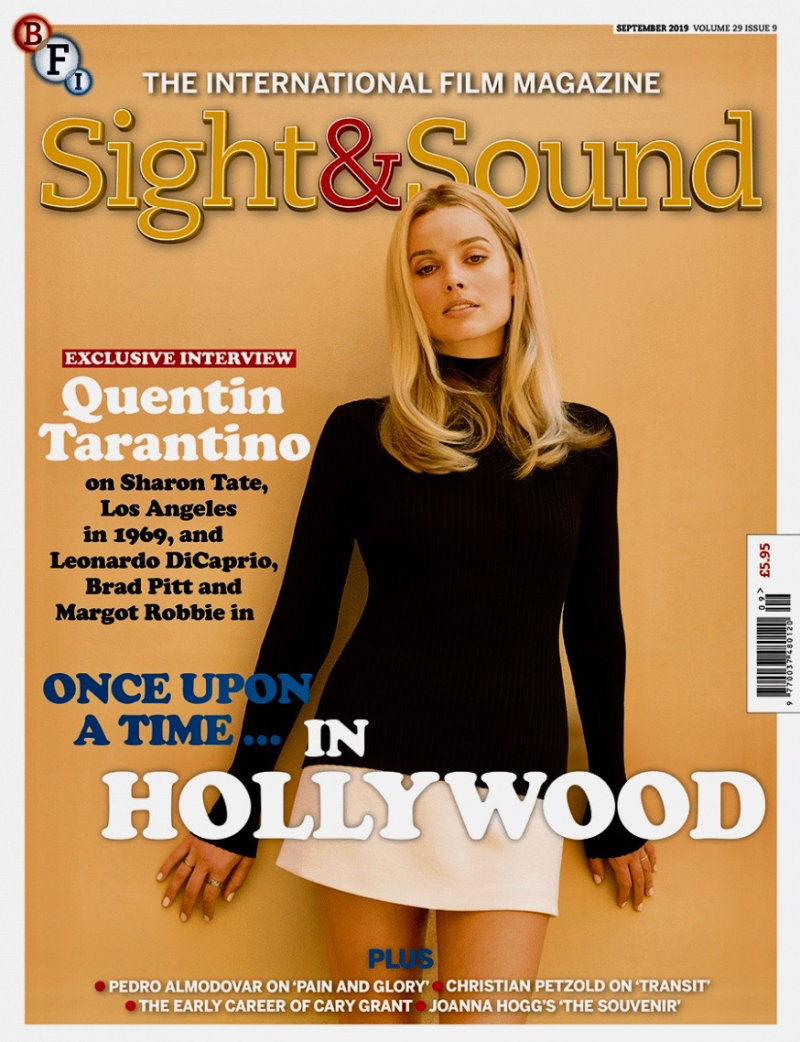
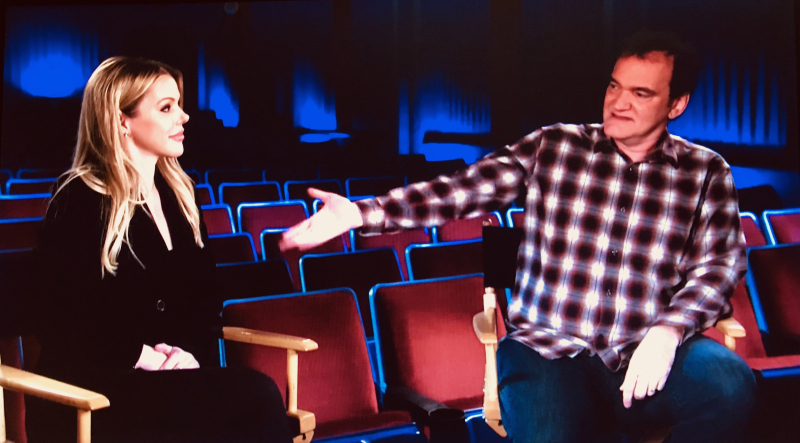
Cliff is a likable character – Pitt plays him effortlessly cool and, in many ways, admirable. But Pitt (making it look all so easy – it’s not) also gives Cliff enough shading to sense something more damaged and darker going on under that agreeable exterior. His austere way of living is perhaps a way to contain something combustible. As Tarantino told me in my Sight & Sound interview with him, “[Cliff] knows how dangerous he is, so he’s clamping down on the monster that’s inside of him and he’s actually quite Zen about the whole thing. But that monster is always there.” You feel that – ever so subtly.
So back to Cliff on the roof, taking off his shirt, revealing his scars (and what great shape he’s in), and while up there, noticing Sharon listening to music from her bedroom window and, then, that “shaggy asshole” driving up the road in a Twinkies truck (which Manson really did drive – there’s something both disturbing and poisonously perfect watching Manson emerge from a truck promising many a kid’s favorite snack cake/junk food). Cliff watches for a moment, but keeps on working. He’s not a snoop, and he’s got a task to accomplish.
Sharon may have started her day with a creepy visitor, but the rest of that day is a joyful one (beautifully realized by Robbie). And this is one reason why the “day in the life” interlude with her is so moving and special: Tuned to Buffy Sainte-Marie’s beautiful rendition of Joni Mitchell’s “The Circle Game” (“Yesterday a child came out to wonder. Caught a dragonfly inside a jar. Fearful when the sky was full of thunder. And tearful at the falling of a star…” the lyrics actually make me teary thinking about Robbie’s Sharon dreamily driving, and I now associate this song with Sharon Tate), we follow her as she enjoys driving, picks up a hitchhiker (Sharon has no issue with hippies, it seems), laughs with her and hugs her goodbye, wishing her luck. Without dialogue you see these two women connecting and they just seem so… free.
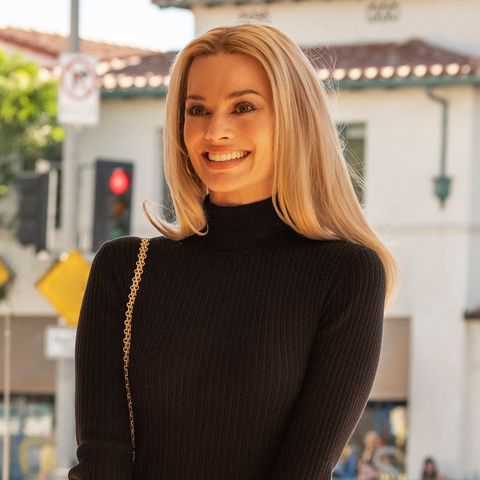
And then Sharon goes about her day, happily. Tarantino doesn’t show her hustling, networking or at Bel-Air brunches, she’s not even meeting a friend, she’s just relaxing on a day with herself. Walking around Westwood Village, she drops into a bookshop (Clu Gulager assisting her) to pick up a first edition of “Tess of the D’Urbervilles,” a book she has already read and is gifting to Polanski (in real life Tate did love Thomas Hardy’s novel and told Polanski to read it – and that she thought it would make a great movie – and of course he did make Tess, dedicating it to Sharon). And then after passing by a theater a few times – she decides to drop in on her own movie, The Wrecking Crew, starring Dean Martin, showing at the Bruin. Throughout the movie you feel people are looking at Tate, talking about her, but here she is watching herself (and no one in the dark of the theater sees her – she even explains to the theater employees she’s one of the stars when they don’t recognize her), and she movingly enjoys the audience's reactions to her comic performance. It all seems so casual, this drop-in, and she knows this is a goofy comedy (but Sharon Tate in interviews said she wanted to do more comedies – and she received some nice notices from her performance in The Wrecking Crew) and probably a nice memory. While watching, she has a sweet flashback of training with Bruce Lee – and in the theater, she re-enacts them a little, proud of her moves. Making this scene even more poignant is Tarantino respecting Tate’s memory by showing the actual Sharon Tate scenes on screen – and we see what a charming comedic actress she was (she had more range than given credit for – I also find her supremely touching in Valley of the Dolls). It’s a lovely, blissful moment, and, in this, we have already forgotten about the visitor earlier that day.
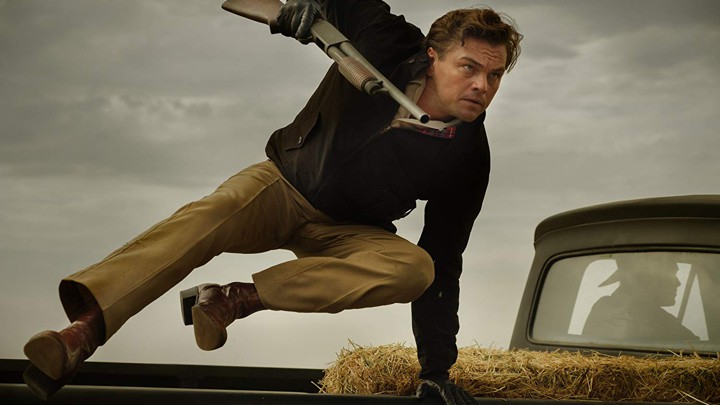
We see the various days of all three characters – we hang out with them, we watch them work, experience their demons, we watch them walk, we watch them drive around. And the driving, again, is so beautiful – Tarantino’s period detail is perfection, a time machine that makes us swoon a little. It’s hard not too if you want to go see The Night They Raided Minsky’s right on Hollywood Blvd. or Pretty Poison at the Drive-In – this isn’t simple nostalgia, this is just … I would like to see those movies on the big screen, and it’s exciting when we can. (A great case for revival houses and Tarantino’s theater itself, the New Beverly, which gets a nod as the “dirty movie theater” down the street from El Coyote).
On this day, we watch Rick work on a western TV show while Cliff enters into something of a real western – Spahn Ranch. Rick is dropped off on set by Cliff to film an episode of “Lancer,” directed by Sam Wanamaker (a terrific Nicholas Hammond), and Rick, hungover, looking worse for wear, hacks and spits towards his makeup trailer, already showing insecurity and worry about how he’s going to do.
It is here he meets the talented Trudi (a tremendous Julia Butters) who is reading a biography on Walt Disney. As writer Dan Leo pointed out, Tarantino likes to see characters in his movies reading. Here, it’s Trudi fascinated by her Disney bio, Tate buying a copy of Thomas Hardy’s “Tess,” Abigail Folger (Samantha Robinson) reading (what I recall seeing) “Madame Bovary,” and Rick reading the western story about Easy Breezy – getting choked up over how much Easy Breezy’s life is resembling his own.
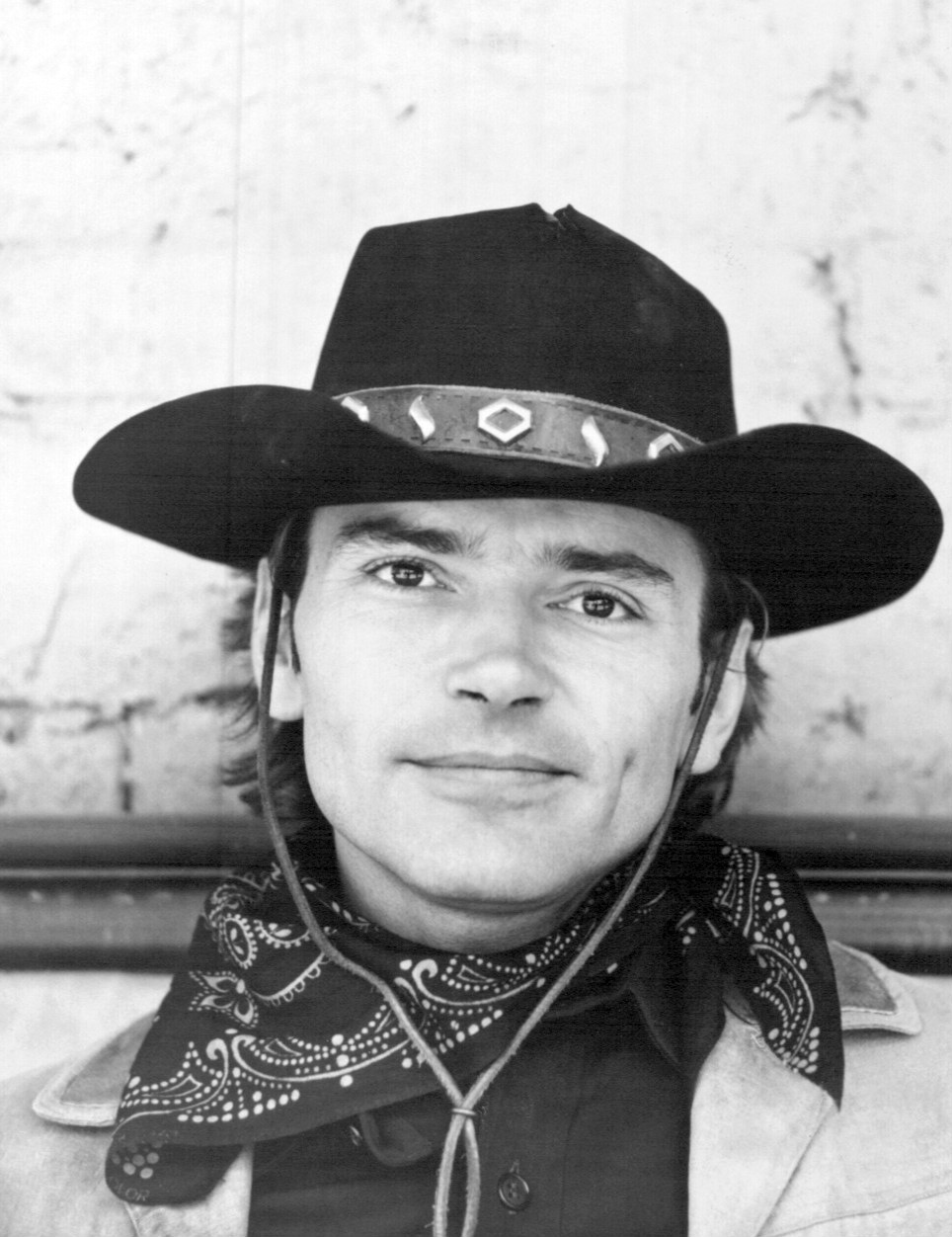
In the course of the shooting day, Rick, decked out with a big mustache (“Zapata!”) and a fringed jacket (to look more hippie-ish – but as Wanamaker reassures more of a Hells Angels type hippie (“Vroom! Vroom!”), acting opposite James Stacy (Timothy Olyphant), Rick will succumb twice to his hazy memory, forgetting some lines and breaking down because of it. When Rick blows a gasket in his trailer, hollering at himself for being an embarrassment, an alcoholic, a loser, making fun of his own stutter (DiCaprio creates a slight stutter as Rick Dalton and it comes out in nervous moments, however, never when he’s acting – it’s subtle and beautifully played by DiCaprio, and like Pitt making it look easy, this isn’t easy to do either) – this scene is extraordinary (DiCaprio’s entire day on the set is some of the actor’s greatest work ever on screen). And, knowing a bit of the backstory about how DiCaprio came to that character – scarily sad. When DiCaprio threatens to himself, in the mirror, that he’ll blow his brains out, he’s not entirely expressing just a bout of self-pitying melodrama. As Tarantino told me in our Sight & Sound interview, some of this character was inspired by Pete Duel from “Alias Smith and Jones” (a favorite show for young Tarantino and Brad Pitt, back in the day), an actor, who, in 1971, shot himself, dead.
But Rick does overcome his trailer breakdown with true craft and emotional commitment – he uses his anger, his self-hatred, his dangerous mood-swing and he fuels it into menace. Delivering a threatening scene with Trudi (and featuring a terrific Luke Perry playing the character Wayne Maunder), Rick earns the significant praise of not just Sam Wanamaker (“Give me evil sexy Hamlet”!), but also Trudi. Rick is impressed by Trudi, a formidable and intense new breed of actor (she prefers to be called actor instead of actress and doesn’t like cutesy terms like “pumpkin-puss”), she’s focused but sensitive, and after watching him deliver this stellar scene, she deems his craft “the best” she’s ever seen.

Rick, all bloodshot-blue-eyed and worn-looking but still handsome as hell, tears up to her whispered declaration in a moving closeup. He is a talented actor – so what if he’s guesting on TV – and I love that Tarantino reveals how much Rick still has to offer – and the kind of incredible performance you could very well catch on a TV show back in the day, or in re-runs or syndication as a kid – and never forget. It’s also important that Trudi, the up and comer, validates him, the past. Trudi, much like Sharon Tate, represents the promise of renewal and faith – the future – what is to come. The surprise over Trudi but, then, warmth and respect coming from Rick towards her is another lovely addition to this incredibly complex, layered film.
But Rick is still guesting on TV and Tarantino shows the Hollywood divide between TV and movie royalty. Not that there should be necessarily – but that there is, or was. The Polanskis may be next door to Rick, and Rick hopes they’ll meet, but he seems almost intimidated by his neighbors. After all, he’s doing villain spots on TV now – and though he’s an old pro, and he was a star with “Bounty Law” (which people do remember, even, and not surprisingly, Tex Watson, who gleefully talks about his childhood “Bounty Law” lunchbox in one creepy star-struck scene) – it’s a big deal to be in people’s living rooms every night – critical snobbery or no snobbery, you’ve made an impact.
But Rick’s not feeling confident. He feels left out, washed up – passé… Which is why I think, in part, Rick is hollering about hippies. The counterculture represents the changing business, one he’s not feeling a part of – even if he thinks he may not want to be a part of it (the counterculture anyway), it bothers him. When Tex Watson and crew loudly drive up to his house, Rick, whipping up margaritas while Cliff is out walking Brandy (DiCaprio is hilarious here – stumbling in his robe, swilling from his margarita pitcher, muttering to himself “property taxes up the butt!”), peeks out of the blinds and exclaims, pissed, “It’s a bunch of goddamn fucking hippies.” (This moment cracks me up every time) When he comes out to yell at them about their shitty car and muffler and that this is a private road and they need to back it, Rick hollers at Tex “Hey! Dennis Hopper!” Easy Rider probably wasn’t Rick’s cup of tea (or whiskey sour) … but then, he’s probably been re-thinking this kind of thing, furious, because Easy Rider was a game-changer.
Tarantino underlines the gulf between the Polanskis and Rick in several ways – visually he does it with a beautiful crane move (a kind of god’s point of view that is peppered throughout the film almost as a visual commentary) that goes from Rick, floating in his pool, alone, memorizing his lines for “Lancer” and over the rooftop and hedges and all the way to the Polanski’s driveway as they prepare to leave for the crowded scene of stars and luxury at the Playboy Mansion.
Tarantino then reaffirms this divide via the Pacino meeting, which is essentially a reprimand to Rick for having precipitated his “downfall” of sorts. Movies are movies – even if the movie is an Italian western (which, factually was a successful, but frowned-upon, subgenre – absurd that it was looked down on when you see the innovation and beauty and craft in so many – chiefly Sergio Leone). Tarantino shows, however, how omnipresent TV is – at the Spahn Ranch, at the bar frequented by Pacino, greeting Cliff at home, on at Rick’s household when Cliff and Rick watch his “The F.B.I.” episode (also a sweet moment – at least Rick’s still got a sense of humor and a sense of pride in his work – Cliff, best buddy that he is, is there to cheer him up and cheer him on). Voytek Frykowski (Costa Ronin) watches a late show – and thinks how much better American TV is than Polish TV.
The showtimes of most any popular program existed in the vernacular: everybody knew when everything was “on” and they ruled their days, dinners and mornings by it. Even the Manson Family (minus Charlie), you see them sprawled out watching TV while Charlie is out, and that Squeaky and George Spahn have their planned TV watching time together. Squeaky doesn’t like it when George falls asleep.
And speaking of George Spahn – of particular interest on this second day-in-the-life is Cliff’s excursion to Spahn Ranch. Cliff, who unlike Rick, doesn’t seem to be too bent out of shape about hippies, in general (Cliff kind of lives closer to something like that, or at least a beach bum kind of life – his trailer, crashing at Rick’s house when he’s away, and probably sleeping on his couch a few nights when they’ve had too much to drink. Cliff is also curious about that acid cigarette he bought off the hippie girl. Rick is not. His “booze don’t need no buddy”). Cliff picks up Pussycat (Margaret Qualley) a young hippie woman he has crossed paths with and admired before (from his car – always his car). There is a clear attraction but even when he agrees to drive her out of town, Cliff turns down her sexual advance. This young woman is clearly a minor, and we get that Cliff has some sense of decency (Pussycat even seems taken aback by it – the fact that he even asked her age is a shock to her – no one else does – as in other dudes who pick her up and take advantage). But, also, Cliff doesn’t want to go to jail for “poontang” – so this is a mixture of morals and jailhouse wisdom.
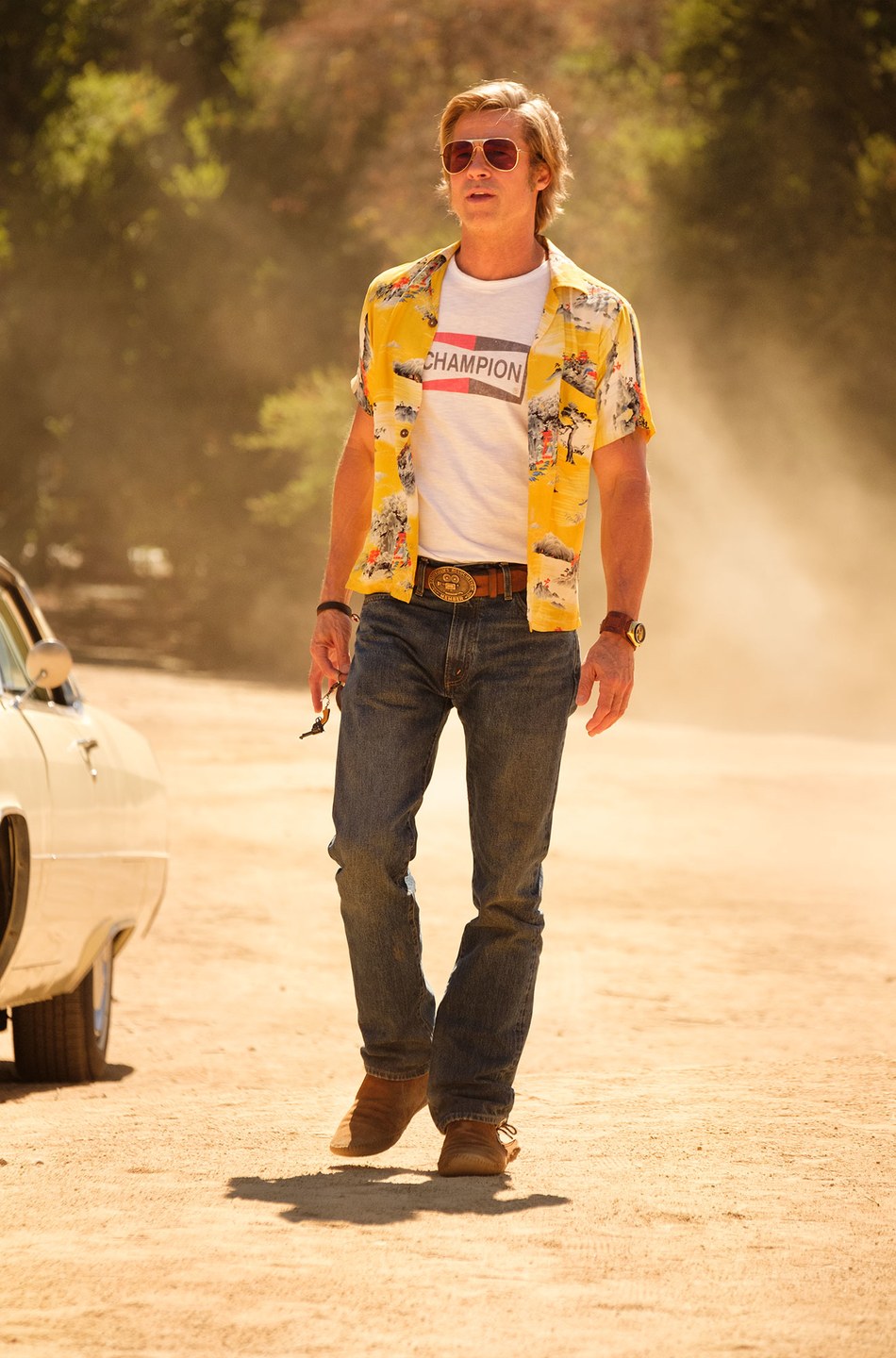
Upon arrival at the Spahn Ranch (more echoes of the ruinous past) where he often shot “Bounty Law” with Rick – his worry is not for his own safety, even in light of the many spectral signs and omens – all of these creepy Manson-hippies (these don’t appear to be peace-loving hippies, but those who, with this family and their leader, will, later, make others paranoid, unfairly of nice, peace-loving hippies). He is concerned for the well-being of old George Spahn (Bruce Dern, taking over for his friend, Burt Reynolds, who sadly, passed away before shooting begun), whom, after getting a terrible vibe off this place, he’s now definitely going to check on. This place does not look right.
Cliff is now in a real-life Western (the shots of Tex riding his horse to check out Cliff are gorgeous – but it’s Tex Watson, so here comes the proverbial black hat…) Cliff walks down the main street, heading towards the dilapidated cabin like a Hawaiian-shirted Gary Cooper and goes into the lair of the wolf. The ensuing scene between him and Squeaky Fromme (Dakota Fanning) is remarkably tense and precisely laid out and staged, Fanning radiating unblinking menace in a stare down (she’s incredible here). It’s a face-off with Cliff and all that divides them is a flimsy door with a mosquito screen and a flimsy hook-lock. But, make no mistake, it’s a Rubicon for Cliff. And a beautiful way to show how principled he is. Whatever his ethos may be – he gains access into the cabin – and walks through that terrifying messy little house, observing a rat caught in a glue trap and Squeaky watching TV – there’s calm to Cliff but a palpable horror present. This scene is one of Tarantino’s best suspense set-pieces ever because so much is implied and so many tenuous lines are almost crossed. We can sense the menace that lies under the chirpy smiles of Pussycat and the sunbathed hills of yore.
It also sets up what will come later – when Cliff remembers Tex, and is diminishing him (“You were riding a horsey!” Cliff, high as a kite, chides). When Cliff is trying to recall his name, Tex says, gun pointed at Cliff, “I’m the devil and I’m here to do the devil’s business.” To which Cliff says, hilariously, “Nah, it was something dumber than that…” Watching Brad Pitt as Cliff Booth make fun of Tex Watson as a stupid clown, well it’s pretty damn satisfying.
But, again, that comes later. When Cliff leaves the ranch, and then goes to pick up Rick after his day on “Lancer,” and Sharon leaves the Bruin after watching “The Wrecking Crew” – we hear Jose Feliciano’s poignant version of “California Dreamin’” and we feel something so bittersweet and almost indefinable – a day winding down. We even see James Stacy leave the set on his motorcycle and, knowing what happened to Stacy a few years later, you feel a pang of sadness. We know something is coming in the next act… we don’t know what that will be. And even if we’ve seen the movie more than once and do know what’s coming, we still feel this portent of something – both gentle and heartbreaking.
A brief interlude is dedicated to Rick and Cliff in Italy – this the prelude to the darkness descending in the third act. From frame one, Tarantino and his production team, have managed to create some of the most convincing reproductions of the period cinema and TV. Everything in the Hollywood moments of the picture looks authentic and sounds authentic and feels spot-on: the lines, the haircuts, the fabrics, the movie posters, the billboards, the interiors, re-creating the streets as they were – but also in the Italian interlude, the promotional materials, the editing, cinematography and staging of the scenes is absolutely immaculate: the choice of lenses, the pushing of the film material, the editing patterns. This interlude – importantly – provides only temporary relief for Rick (new haircut, 15 pounds heavier) and returns him home to resume life, again, not as successful as he’d like to be. He’s now married to a beautiful Italian actress Francesca Capucci (a memorable Lorenza Izzo), but he’s overspent and needs to buy a condo in Toluca Lake. And… sigh… he can’t afford Cliff anymore – signaling the end of Rick and Cliff’s partnership. They are both uncertain of the future.
And now we get to the fork in the road… the night starting on August 8, 1969 and going into early morning of the 9th. It is at this point, that the audience is expertly guided into the fairy tale, in which we see Cliff (the ablest character to confront the “family”) walking down with Brandy as the car rolls uphill, muffler rumbling. Those in the car encounter margarita-swilling Rick, back up their car, drive down Cielo Drive and then… walk back up (a scared Kasabian taking off in the car, which she never did). But they don’t walk up to Tate’s house, they walk up to Rick Dalton’s. To, in a way, Jake Cahill’s.
At this point, Tarantino makes another significant decision: As we’ve seen – Cliff rarely makes sudden moves – he waits – he waits in the car, waits in the golf cart, sits on the hood of a car, waits for the Manson member, Clem (James Landry Hébert) to change his tire (after Clem slashes it and Cliff bloodies his face – then, Cliff certainly moves) etc. So, when Cliff moves, if he moves, he makes it count. He seems to live by this rule so strongly, that he instructs Brandy not to move and not to whine. The dog being almost an extension of himself (“click click”). Cliff’s affable and he loves hanging with his best buddy Rick Dalton, helping Rick – a friendship, a brotherhood that’s almost like a marriage – but there’s something deeper and darker about Cliff that Pitt gives us in glimpses – there’s something even about his stillness that connotes both ease and anger – and Pitt presents this so skillfully, it’s truly something to behold.
And then … the would-be killers break in, perfectly and scarily synched to Vanilla Fudge’s psychedelic, hard-edged version of “You Keep Me Hangin’ On” (Cliff’s song of choice while high). It’s baffling, even amusingly unreal to Cliff at first (Tex says to him, “I’m as real as a donut, motherfucker”). Once Cliff recognizes that the threat is real (no matter how much he makes fun of them), his violence is unleashed in the much-discussed (and brilliant) final confrontation/set piece. Powerful in this moment is how the picture leads towards this peak (all the way through – expertly orchestrated by Tarantino and editor Fred Raskin) – and yet we’re still knocked out, surprised, even, not at all knowing how this showdown is going to play out. The crisscrossing of destinies, the varying fortunes of careers and the bond of friendship form an inexorable knot – one that underlines how quickly, how irreversibly destinies can be altered within a matter of minutes. And then the “click, click” to Brandy. Another powerful element is tonal (and this shocks and offends some people). To me, the tone of the violence, has to be this fevered, this fantastical, this “high.” Yes, Cliff smoking that laced cigarette has some bearing on this (there’s also some discussion out there about that cigarette. One thought – that Cliff thinks it’s LSD but is, instead, DMT or PCP, which would be more intense. In this universe, it would not be a stretch that Cliff just calls all hallucinatory drugs acid) but even without the drug high, the violence itself is almost hallucinatory.
The overzealous dispatching of the one member of the family that actually stabbed him (a knife Cliff, presumably – and this is how I saw it – can’t pull out of his side or he might bleed to death – did she hit an artery?) shows that he’s efficient, and yes, full of accumulated rage. Again, as Tarantino said of Cliff “that monster is always there.” Well, here is the monster. And putting aside the over-the-top insanity of this sequence, in “realistic” terms – this may be how a stunt man (Cliff anyway, I am not saying all), a rumored wife murderer (we don’t know for sure if he did it – but he’s considered dangerous), who has previously escaped a chain gang (he says so when first meeting Tex, though he could be, as one reader thinks, talking about stunt work in movies or TV. I didn’t hear it that way and thought this more mysterious Cliff lore, so, print the legend), a guy who has seen combat, and a guy who realizes this violent trio are probably taking advantage of his old friend, George Spahn, and who are now in Rick’s house, intent to murder Cliff, Rick and a terrified Francesca (who gets a punch in) – again, this may be how he’d handle such an invasion. He’d for sure take them all on.
It’s a vicious, outlandish murderous takedown. That is for damn sure. But for the final “Once upon a time…” to truly stick its landing, anything more “realistic” would be not only insufficient but a betrayal – a trade of “factual violence” for “factual violence” – and that would feel cheap. What you are given instead is insane and huge and involves an actual flame thrower via Rick. It’s cathartic – (think of the spectacle of violence in something like the far bloodier Titus Andronicus) – particularly when we think of what happened in real life to the Tate household next door – even if Cliff doesn’t know that was the original intent, and the killers, in Tarantino’s revision, change course. And with catharsis, in this fairy tale, in this dream, the collective Wicked Witch (all three here – Watson, Atkins and Krenwinkel) will melt with almost surreal extravagance. But, in that movie, Dorothy will wake up at the end.
But the Once Upon a Time characters don’t wake up from that cathartic dream after the violence, and that is what makes the ending so heartbreakingly moving. Police and emergency vehicles now gone, (Cliff carried away in the ambulance “and awwaay we go,” a la Jackie Gleason; Rick knocking on the window and saying lovingly: “You’re a good friend” and Cliff replying with a supremely cool and moving: “I try”), Jay Sebring calls out to Rick from his gate (a wonderful moment between the actors). Everyone in the Tate household has lived, everyone sent to slay them dies. And those gates – the one that “shaggy asshole” managed to walk through while open earlier that year – appear like some kind of doorway to paradise on that now finally quiet night. The gates of the future seem to open for Rick, the has-been. Sharon is heard on the intercom, a sort of voice coming from heaven – and she opens the gates.
Then we hear the lilting, melancholic, dreamy (and very appropriate) notes of Maurice Jarre’s “Miss Lily Langtry” music from John Huston’s “The Life and Times of Judge Roy Bean” and Rick walks through. It is so powerful – it’s hard to describe – as I cited earlier it goes beyond anything obvious here. This may be one of the most moving scenes Tarantino has ever filmed. No, to me, right now, it is the most moving scene he’s ever filmed – and his most poignant, personal movie. A love letter to Hollywood, both real and mythic, and an ode to what could have been, and yet, not simple nostalgia. I don’t think Tarantino is simply trying to “save” us from the darkness that ended the 1960s.
We know it’s a dream – that final god’s view crane that defined their divide, now shows Rick crossing through the gates, everyone greeting him excitedly – we know that never happened.
Extreme violence was shown preceding this ending, but it didn’t flatten anything for me; it didn’t take me out of the movie. Instead, I felt in a dream, and yet I knew it was a dream. Knowing once the lights went up, I’d, in a sense, awaken. This fantasia, seeing all of the living in that overhead shot, I did not feel de-sensitized, I felt re-sensitized. Growing up hearing about these murders my whole life, seeing that “shaggy asshole” on TV talking too many times – I was always sad when I’d read or hear about the victims, see pictures or footage or films of them, but this time, I was besides myself. Once Upon a Time… in one movie… these people lived. And then the song ends. I know it’s a song, but losing yourself in music – it’s one of the great pleasures of life, even if it makes you cry, even if you know some songs aren’t always the way real life goes. But the feelings sure are real, and that yearning sure is real. This is a Tarantino masterpiece. So I want to take that needle, place it on the vinyl, and play that epic song once again.