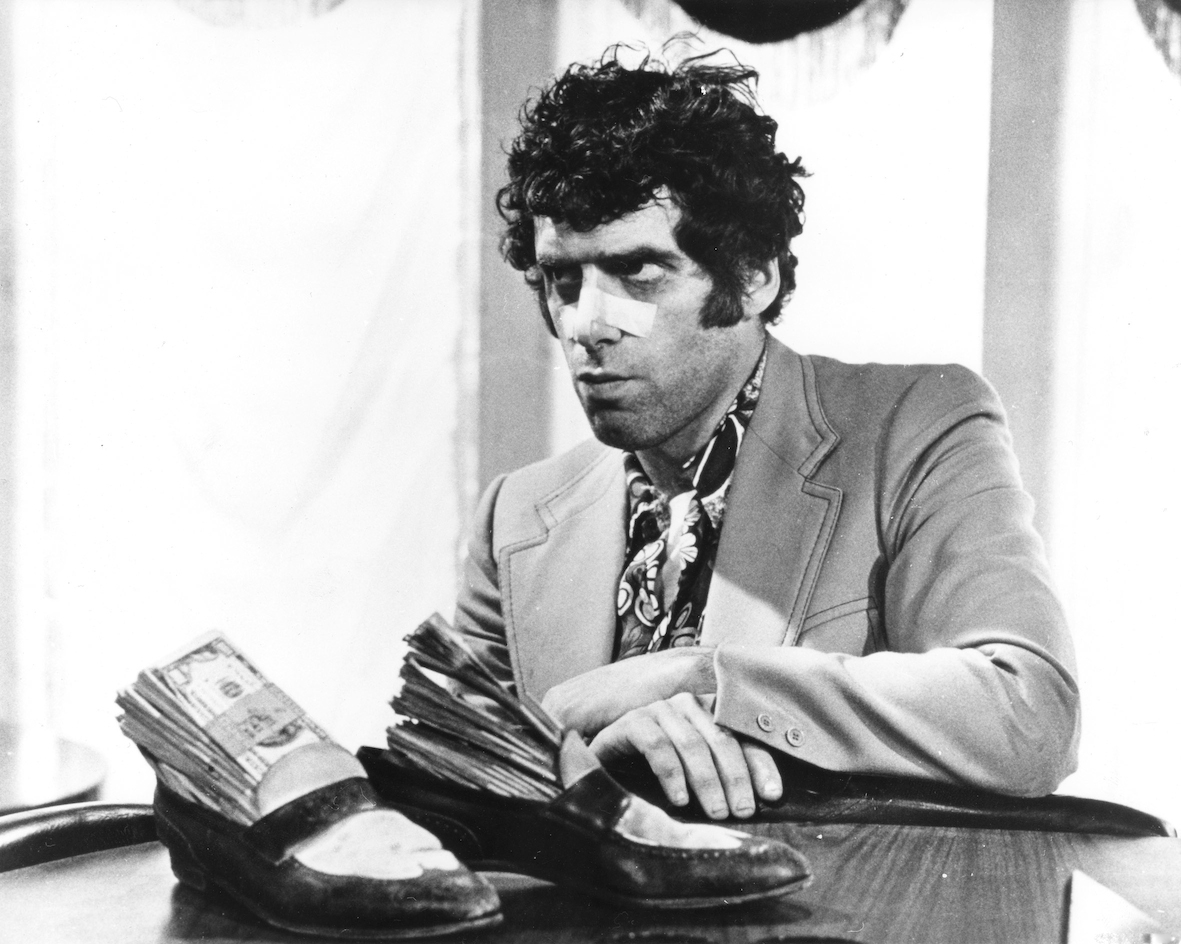
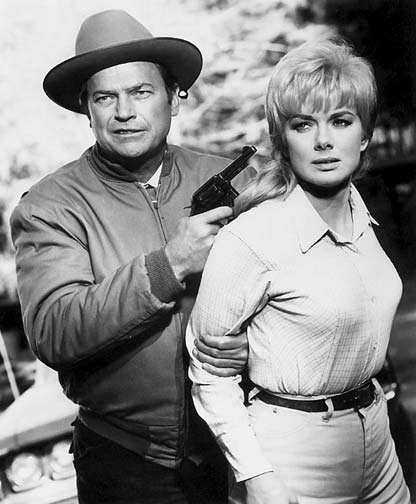
Warren Oates: An American Original
 

6a00d83451cb7469e201b7c70447ee970b-800wi
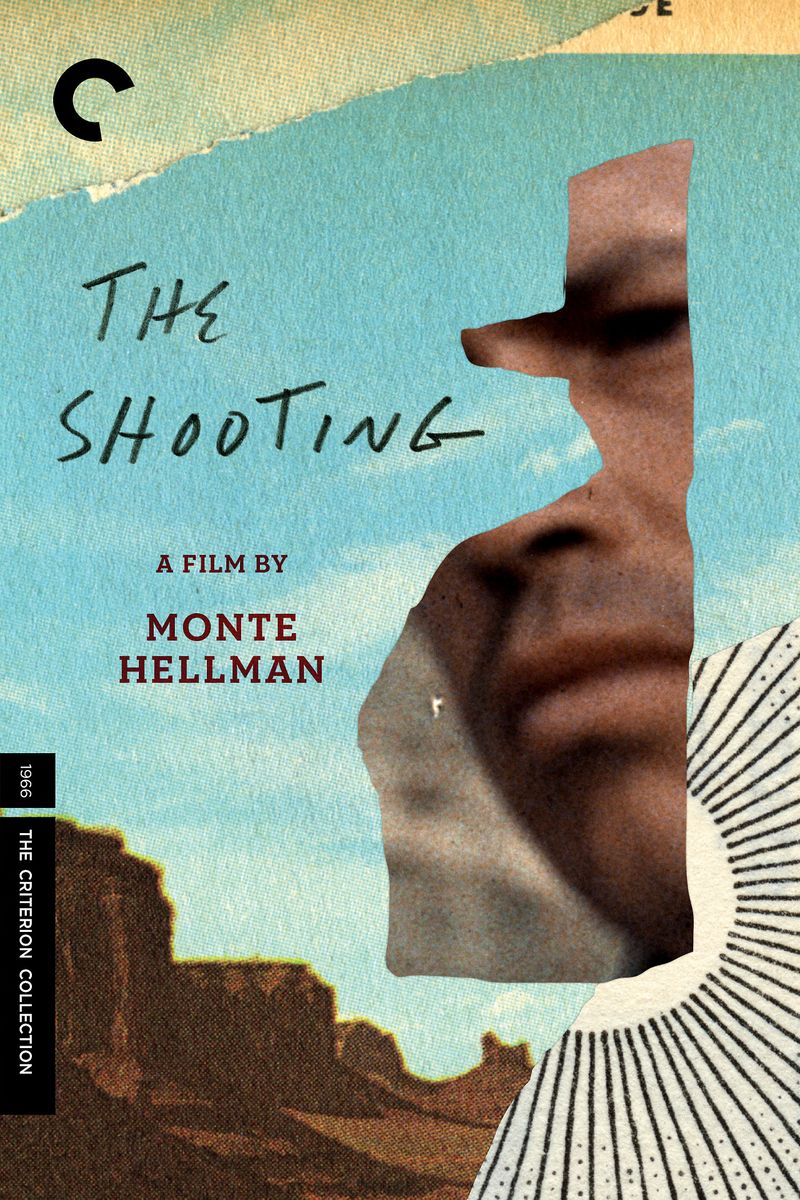
Criterion's two-disc edition of Monte Hellman's experimental, beautiful, seminal westerns, Ride in the Whirlwind and The Shooting is out today. I wrote and narrated the visually rich video essay about Warren Oates as an extra on the disc — an ode to Oates and specifically his work with Hellman. Here's my extended written piece on Mr. Oates (from the video essay) to accompany the release.  

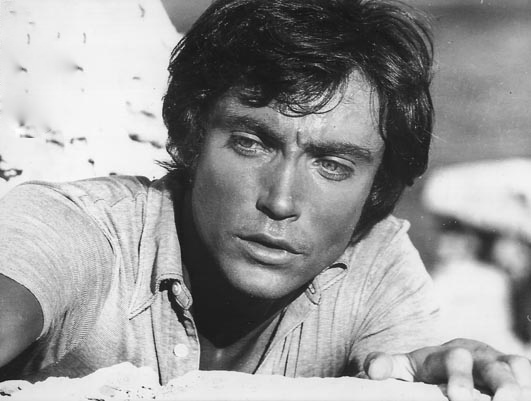
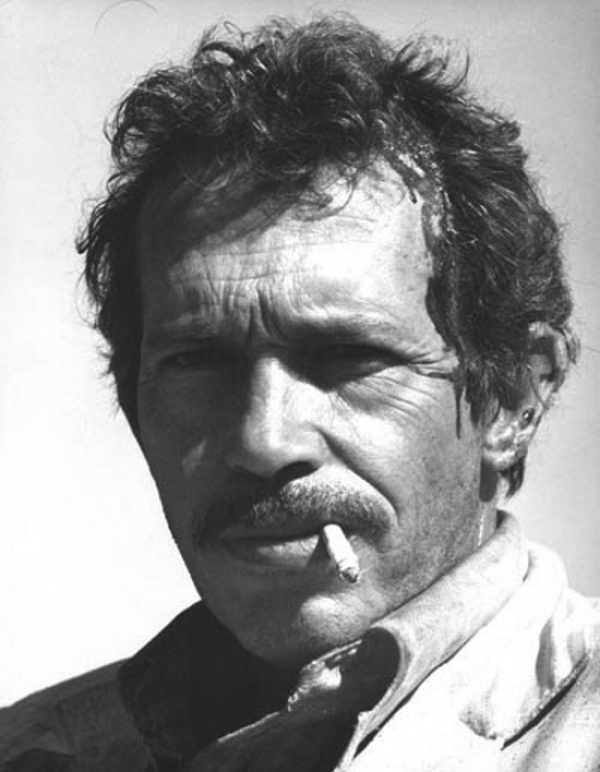
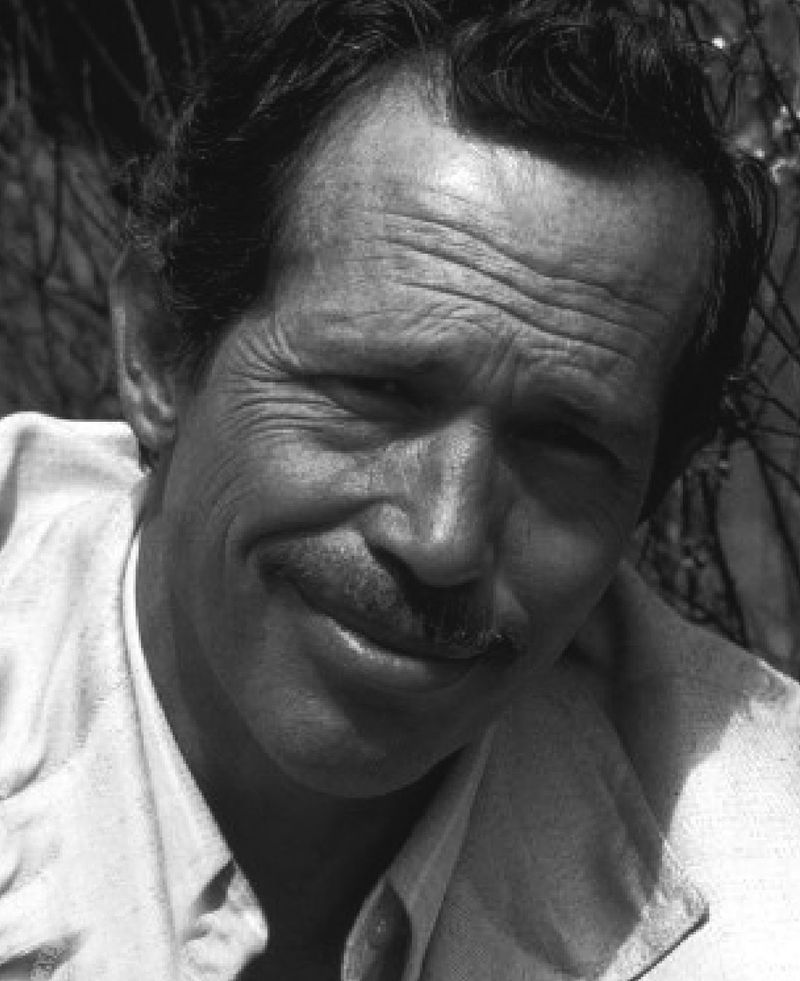
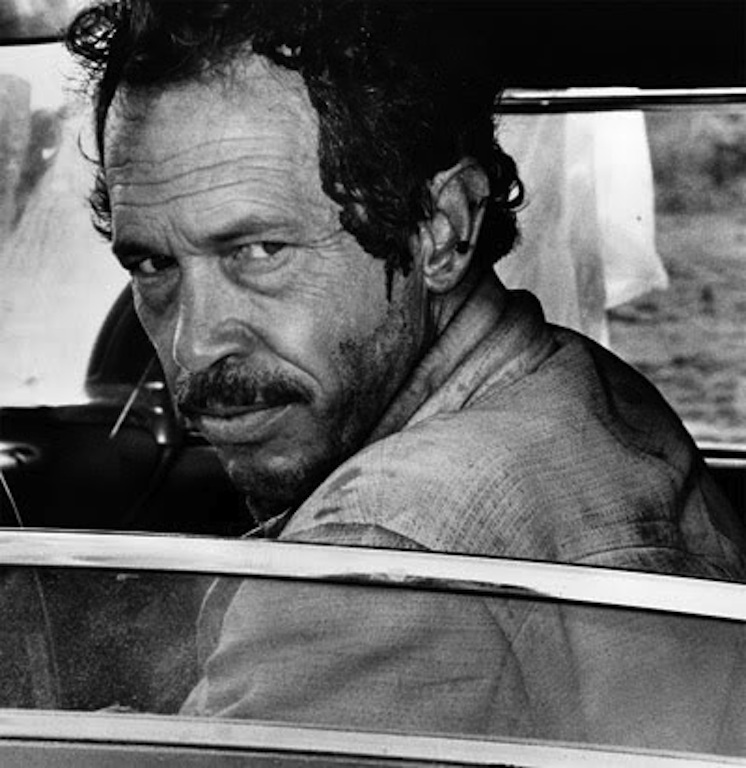
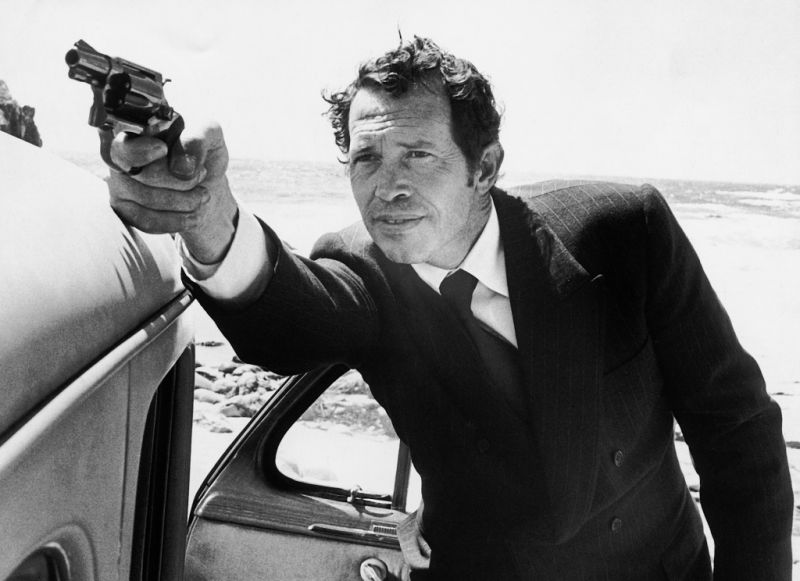
Let's begin with the face. The face of Warrren Oates — a face like no other. Grizzled, furrow-browed, full-lipped, toothy, sensual, goofy; laser-eyed and softly observing. Empathetic, angry, insane, proud, humble, stupid, intelligent; sexy, uniquely handsome and sometimes ugly, but ugly in a way that made him more beautiful. A face with history and innocence; future and failure. A face with dreams but a face that knows dreams are often just that — ridiculous bullshit. A face that’s honest at once, mysterious the next.  There’s so much written on that face, a face that he himself so lyrically called like “two miles of country road,” that you’re never going to get to the end of it and that’s the way it should be. He’s not spilling his guts out for you, not because he’s being macho or withholding or too proud to reveal himself; he reveals himself plenty.
6a00d83451cb7469e201b8d08e3dba970c-800wi

He allows you entrance, but he isn’t begging for you to understand him. He’s letting you in on something deeper, something larger than himself, something both universal and exotic to the human condition. Oates once said: “I believe what Camus says. When the curtain rings down, your job is done. The responsibility is pitched to someone else as to what the meaning is of what you've played. What you represent is always one aspect of a moral question.”
6a00d83451cb7469e201b8d08e4498970c-800wi

Oates brought questions but often, you just got it. He’d laser in on some kind of truth, and it made sense, even a mad sense. You got why, in Bring Me the Head of Alfredo Garcia, he’s chatting up and unloading to the decapitated head of his now-deceased beloved’s ex, you got why, in China 9, Liberty 37, he, after everything, forgives his wife for sleeping with and running off with the man who he knew was set to kill him, and she nearly killed him: “I want you to forget about what happened,” he says.

TragammeCabeca5

You got why in Stripes, he famously tells that psycho Francis to “lighten up.” Hell, you got it so much that he makes everyone else in the movie seem like a bunch of squares. Francis, a psycho? Oates’ Sgt. Hulka has seen his share of nuts. So had Oates – you can read that on his face. And you can hear it in his voice – that deep, gravelly, western Kentucky-tinted burr.


Faulkner famously wrote, “The past is never dead. It’s not even past.” That could apply to Warren Oates. You can even hear Oates saying it, either in quiet contemplation –  GTO drinking a coke at a roadside gas station, or loudly proclaiming it, Bennie unloading a barrel; spraying guts all over his blood splattered white suit – past and present ever contesting with each other in the earthy tumult of his face.
6a00d83451cb7469e201bb07a976a5970d-800wi

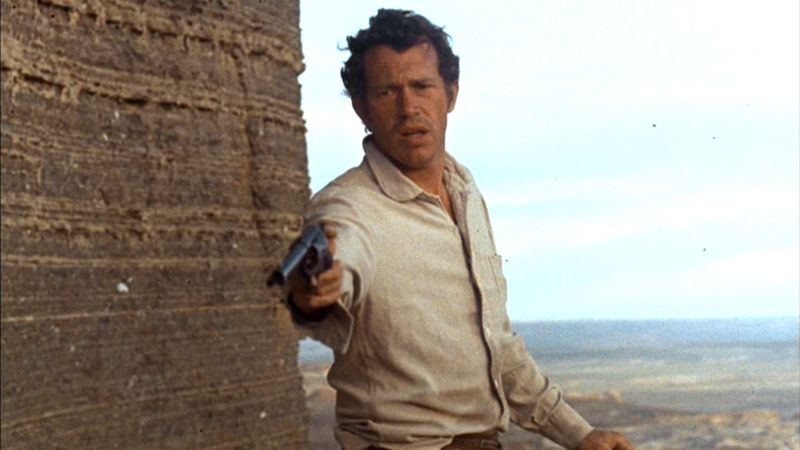
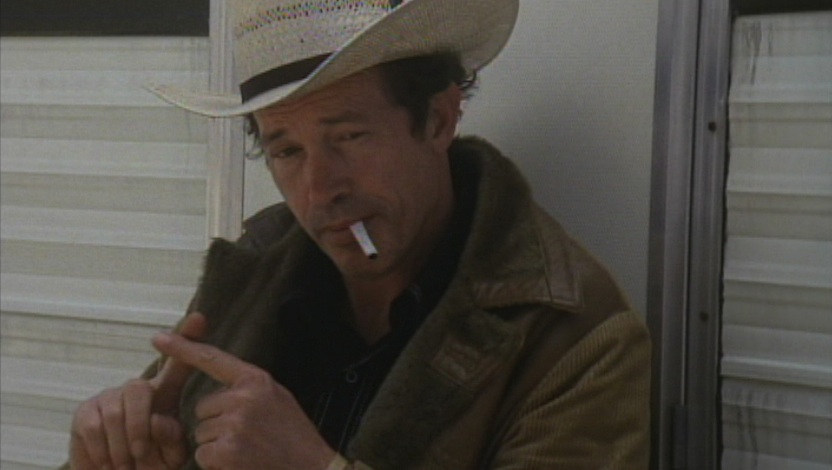
The past and the present — it’s something that echoes throughout his performance in the masterpiece The Shooting, the first picture he made with one of his greatest collaborators, director Monte Hellman, an artist who saw Oates not simply as a character actor, but as a leading man, and also an emblematic figure of a man, a soul shambling through an elliptical universe. Within Hellman’s artful revisionism and reinventions, he cast Oates in varied states of frustration, melancholy, anger and mystery — imprinting that face and voice within so many gorgeously shot frames. Hellman understood Oates’ range, casting him as a garrulous, flamboyant wanna-be-gearhead in his brilliant, existential road movie Two-Lane Blacktop, as a mute in his, excellent, rough, though tender and dreamlike Cockfighter in which Oates’ character chooses not to speak, and as a soulful farmer in the captivating and reflective western, China 9, Liberty 37.
Cockfighter fingers

With The Shooting Oates is cast with such an enigmatic pull that he and the movie exist almost in their own universe of time. Oates could have stepped right out of the past – right from his Kentucky lineage – but he’s not limited to the retro cowboy, the old timey fella, he’s more emblematic of the picture’s originality, its elusiveness, its take on classic, spare economical westerns, like something by Budd Boeticher, with whom Oates had worked previously (in The Rise and Fall of Legs Diamond) but entirely its own thing. The Shooting (screenplay by Carole Eastman, writing under the pseudonym Adrien Joyce) feels simultaneously of the past, and of the future. It’s still radical.

The open-ended, almost Beckett-like story conerns a mysterious, beautiful woman, played by Millie Perkins, who hires Oates’s bounty hunter for reasons we’re never really sure of. They’re interrupted by a brutal, shadowy stranger (Jack Nicholson) who torments Oates and his inept friend (Will Hutchins) while this strange, striking creature leads the way.  A dubious trio of men, it becomes maneuvers made in the dark by ignorant,suspicious ardents.They all seem drawn to the woman, but each with their own sense of wariness. Nicholson would appear to be the natural star here (and he is indeed, engaging, as is everyone in the movie), but Oates, no doubt, is the leading man.
6a00d83451cb7469e201bb07a98021970d-800wi

And each character feels representative, loading each gesture with portent. Oates is trying to control things as best he can within this perplexing journey, but whatever is out there — it’s tough to beat. And it’s lonesome. But his lonely character, a fascinating figure in the mythology of the western is altered. He’s even given a Dostoyevskian doubling by picture end.

6a00d83451cb7469e201b8d08e4fd3970c-800wi

And the movie star iconography is subtly agitated with these new faces. Nicholson, a creepy Shane like Jack Palance to Oates’ sensible, suspicious Bogart (or Ladd); a fresh-faced Hutchins is turned into a strangely good looking Elijah Cook Jr., making everything feel beguilingly off kilter. It’s curious to simply look at these faces here, and, ever-visual Hellman, knew that Oates was captivating to observe. Just look at this fantastic take – Oates drinking his coffee while Hutchens humorously runs with a sack of flour. Not only does he appear movie-star handsome, he’s mysterious, tough, romantic, pensive. You want to know what he’s thinking.

6a00d83451cb7469e201bb07a976f0970d-800wi

Is this the face of a character actor? In the strictest definition of that term, no it is not. And then, if meaning a face with character to spare, of course it is. And yet Warren Oates is still tagged as a character actor, which seems unfair to him as well as many other so-called “character actors” in cinema, not for portraying terrific characters (cinema needs them), but for being ghettoized as such. In Susan Compo’s excellent, indispensable “Warren Oates: A Wild Life” (a book that is absolutely essential for those studying the actor and was vital for this essay) she wrote that Oates, “blew hot and cold on the character actor tag. Sometimes he wistfully embraced it."

Mcqueen oates

“I'm not angry because I'm not the leading man.” Oates said, “Whatever they give me to do, I do. I don't want to be typed but I have learned a lesson in patience and resignation. If it's an anti-hero they want, I'm more than happy to oblige.” Oates further said, “ I didn't intentionally set out to be a villain. I do what is given me to do and from there I evolve my attitude and comment. Heavies are closer to life than leading men. The heavy is everyman  – everyman when he faces a tough moment in life. It's the heavy that has to do with the meat of life.”

Born in Depoy, a tiny rural Kentucky town that’s still so small, looking it up now, it hasn’t been included in census counts, one likes to imagine young Oates as a child. Firmly American, but an inquisitive exotic, he was likely a force of nature finding creativity, lyricism and darkness within his surroundings. You see and hear it throughout his life. In an interview recounted in Compo’s book, Oates said:

“What I'm beginning to wonder about myself is, have I removed myself from society? Have I been away too long on all of my location trips? Do I read enough? Do I question enough? My reason for being an actor, like most any other actor, is to really nail something important down, to really find something to say in my work. And I tell myself that if I am sincere about my work, I should understand the time I live in.”

By all accounts it appears he stayed in real life and among real people. He disliked stereotypes and avoided such clichés in his performances. This is wonderfully expressed in his funny and poignant performance as Deputy Sam from In the Heat of the Night, a potentially one-note comical southern stereotype, who, is not only given some kinks (hot sex on cold gravestones) but, in the end, some heartfelt dignity. Goofy parts and southern clichés could have become the thing for Oates — he could have just played them up his whole life. But he wasn’t that kind of an actor. He had more to give, more to express, more to pull from his performances. Trying or not trying, Warren Oates simply standing in a shot usually knocked down any stock idea of what a character should be. He's too unique. 

6a00d83451cb7469e201b7c7043cee970b-800wi

Even though his TV work he displayed something different. After leaving New York for Los Angeles, he found plenty of work on network television through the late 50s and into the 1960s, often playing what he described — “heavies.” Or skinny little oddballs.  Oates appeared on too many shows to list, from “Have Gun — Will Travel” to “The Outer Limits” to a recurring role on “Stoney Burke.” His film work is intriguing, filled with movies that reveal a transitional Hollywood throughout his entire career: Old school and new school.
6a00d83451cb7469e201b7c7043d17970b-800wi

There’s the pictures discussed more specifically in this essay and then there’s Private Property, There was a Crooked Man, Return of the SevenChandler, Tom Sawyer, Kid Blue, Dillinger, Dixie Dynamite, Race with the Devil, The Split, The White Dawn, BadlandsThe Border, 92 In the Shade, The Brinks Job, 1941, Blue Thunder and more and more and more… And he worked TV and the big screen his entire career, the big-budget and the experimental, the pulpy and the literary, and seemingly all possible variations of the above.

6a00d83451cb7469e201bb07a979f9970d-800wi

A key moment in Oates’ acting career came in 1965 when he played Randall P. McMurphy in the Hollywood stage production of One Flew Over the Cuckoo’s Nest. As detailed in Compo’s book, Oates, taking on a part originated by Kirk Douglas on Broadway, was a sensation, a revelation, brilliant. The play’s director, John Erman said, “I imagine Jack Nicholson saw it. Jack was very much part of that theater group. Oates was very different. He was such an original in it. I can't tell you how good he was— he was just wonderful. ‘Cuckoo's Nest’ was a watershed for Warren, and for me.” Pity this was never shot.

6a00d83451cb7469e201b7c7047f0e970b-800wi

It was his appearances on the western show “The Rifleman,” where he met Sam Peckinpah, the director who would assert a great deal of influence in both his work and personal life, leading to memorable appearances in the early Peckinpah pictures, Ride the High Country and Major Dundee. And, then, of course, the seminal, The Wild Bunch. Man, is he unforgettable here. In one of the most memorable and oft-quoted moments in the classic, cinema-changing picture, William Holden says, “Let’s Go.” But the real reckless romantic poetry comes when Oates looks at his compatriots, thinks for a moment eyes narrowed, and answers Holden’s suicidal last stand with the question, “Why not?”

6a00d83451cb7469e201b7c7043df4970b-800wi

Why not? Oates liked to describe acting as his mentor, Ben Johnson, did: “It beats working.” But the man who never saw himself as a John Wayne figure, not “larger than life” but rather, more, “a little shit” (and of course he was more than that), did take acting seriously and, though no snob, he certainly took pride in his work. Though he liked to say Hellman’s Cockfighter was one of his easiest jobs because he didn’t have to talk (to which Hellman said was “one of the grossest understatements of all time”), it takes a special kind of talent to convey so much with nary a word. Both in subtle gestures and in, some cases, amusingly purposefully overstated moments, Oates’ showed all shades to his character with a kind of authority, beauty and depth that seemed singular to Oates, and again, without words. It’s a lovely, startling and ultimately, moving performance.

It’s hard to simply describe an actor who can work so effortlessly, so subtly. It even, at times, feels intrusive like you’re removing the magic out of the moment. To be simplistic — Warren Oates just nailed it, always, and added an captivating complexity to everything he did. In life and acting, he was an intelligent man, an instinctual man, and a so-called everyman, but let’s not kid ourselves — he was an extraordinary man.

Cockfighter

We are not like him. You can see why so many were beguiled, not just on screen, but in real life, from close friends like Harry Dean Stanton and Peter Fonda to Cockfighter novelist Charles Willeford, who wrote a lost journal about his road trip with Oates called “Remembering Warren Oates; or, The Demise of ‘The First Five in Line.’” (Oh, if only someone could find that buried treasure!). As Willeford wrote in his journal about the making of Cockfighter and Oates playing the protagonist: “I worry constantly that Frank won't come off sympathetically. A hell of a lot is riding on the charm of Oates' smile. Luckily, no one has ever smiled more engagingly than Warren Oates.”

Oates’ work inspires — and he stirs up multiple feelings and perceptions. In his commentary track for Two-Lane Blacktop, Monte Hellman talked about Oates’ empathy as GTO. Yes. What a fascinating and perfect assessment to make about a character many view as a delusional liar. Indeed, he’s full of shit half of the time, but he’s also loaded with empathy. He listens and tries to understand, which in the end, makes his bizarre-o GTO  genuinely lovable. In a moment of charming surprise, after he’s been bragging about his speed and past excitements, he realizes how much faster James Taylor’s Driver’s 55 Chevy runs over his ultra-cool, but off-the-lot GTO — his reaction is both awe and humility. Energetic humility. It’s also, just, the perfect thing to say. “What are you to trying to do? Blow my mind?”
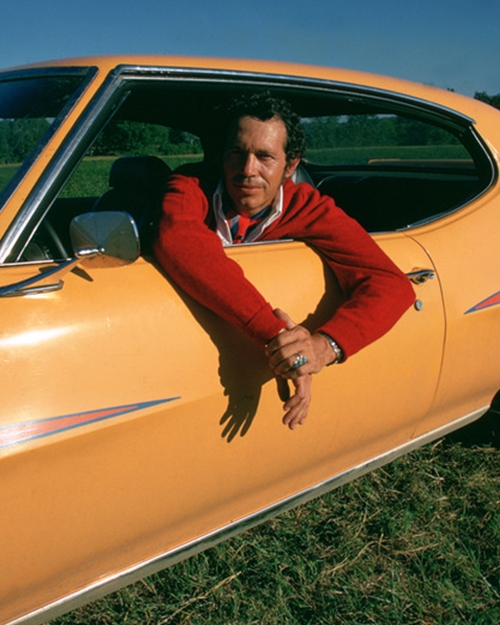
Two lane GTOTwo-Lane Blacktop could have just been a “youth” movie, a “car” movie, but it’s working on another level. Its young stars James Taylor, Dennis Wilson and Laurie Bird feel older, carrying a heavy amount of resigned cynicism within their gorgeous, stoic, frames. These gearheads are serious, driving into a void with monk-like intent. As counterpoint, it’s Oates’ GTO who represents a fragmented youth and freedom. A lonely man fleeing life, or whatever is holding him back in the immobile world, he’s full of half-truths, or flat-out- fantasies. We wonder about him. What did he leave behind? Is he having any fun? Is he as cool as he thinks he is? Well, no. And he knows it. And, then, in his own self-made manner, he really is. He’s something, that’s for sure. Again, old school new school.

Warren Oates and his bright sweaters and driving gloves hanging with a jean jacketed Dennis Wilson  — it eventually makes a certain sense.  There’s a messy soul in there, trying to control his existence through the focus and excitement of the open road, something Oates never shies from in his performance through curious, often comical outbursts, anger and, once in a while, an enormous shit eating grin. He could come off creepy. He doesn’t. He’s touching. A mid life crisis realized with such bewildering panache, you’re charmed by him.

Even the cryptic Driver and Mechanic seem charmed and, as Hellman pointed out, feel his empathy. Oates has this way of working off of another actor and soaking in their feelings; reacting, revealing and commenting on not only himself but the screen partner.

6a00d83451cb7469e201bb07a97c38970d-800wi

Take, for instance, his work with Peter Fonda. There are moments in Fonda’s gorgeous The Hired Hand where Oates simply looks at Fonda, eyes wide or narrowed or softly curious and no one need say a word. You feel it. The two friends who worked wonderfully off each other in other pictures  (Race With the Devil and 92 in the Shade) had a natural chemistry and knowing with on another. And Oates — his Empathy. Charm. Poignancy. 

6a00d83451cb7469e201bb07a97a4f970d-800wi

From John Milius’ Dillinger (Oates is the supreme John Dillinger, better than Johnny Depp and even better than the great Laurence Tierney) to his small part in Terrence Malick’s Badlands in which Oates’ simply painting a sign is a work of art in itself, certain directors just knew how to cast the man compellingly (not that he couldn’t make even a sub par TV movie interesting with his presence — he was praised by many as Rootster Cogburn in the TV version of True Grit).

6a00d83451cb7469e201bb07a97a5e970d-800wi

Hellman offered him the greatest range, and some of the most intriguingly experimental movies and roles (even as Oates once poo-pooed “experimental cinema” saying he’d never make a John Cassavetes movie, for instance, and yet, with Hellman he worked in some of the most brilliant art films of the 60s and 70s).
6a00d83451cb7469e201b8d08e4332970c-800wi

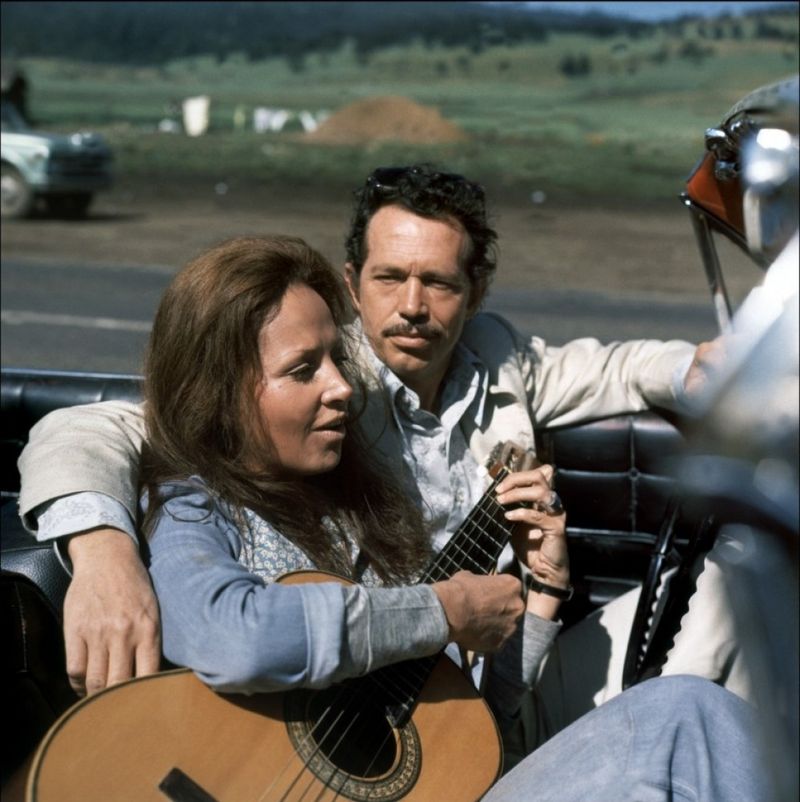
Sam Peckinpah, casting  Oates as a version of himself in his masterpiece Bring Me the Head of Alfredo Garcia, induced (coerced, bullied, however it went down) Oates to showcase so many edges of himself, that the actor becomes a walking incarnation of romance and ruin, madness and dread, bloodlust and valiance. Oates’ Bennie, the piano playing drifter, the loser with the clip-on tie, the cool sunglasses and those creamy white suits, displays such a desperate determination to make a better life for himself and his girlfriend whom he truly loves (the picture is intensely romantic), that it’s baffling why this movie was considered so inscrutable.

With Oates in charge, intentions and eventual insanity are not that hard to understand. He’s putting it out there in Alfredo Garcia, it, at times, feels like everything the actor could do in one movie, and maybe that was just too much for some viewers. For some of us, it’s never enough.

He died too young. What a major loss. So many roles could have come his way. Imagine what the Coen brothers or David Lynch or Quentin Tarantino or Paul Thomas Anderson or Malick and of course Monte Hellman could have done with him (and he for them)? But he’ll never be forgotten. His very presence on celluloid lingers in minds, hearts, souls, loins, automobiles and head sacks forever. Watching Warren Oates is a wonder of acting, natural charisma, charm, mystery, beauty and poetry. It’s transcendent and satisfying. And, as the great man says in Two-Lane Blacktop, "Those satisfactions are permanent."  

6a00d83451cb7469e201bb07a97fe2970d-800wi

Check out Ride in the Whirlwind and The Shooting, watch both masterpieces and take in all of the extras, including a superb essay by Michael Atkinson and my video ode. Drink in the visuals of Warren Oates, his movies and his face. More here at Criterion

Listening to the Darkness …

6a00d83451cb7469e201b7c6fe1f47970b-800wi

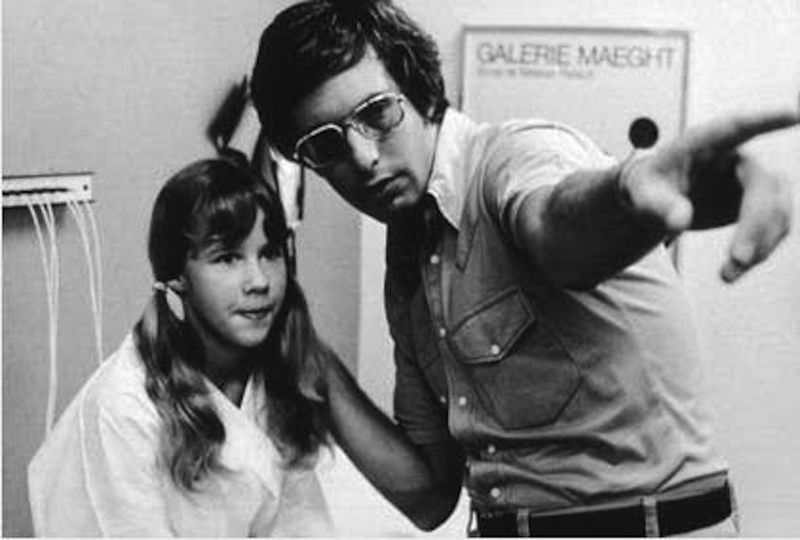
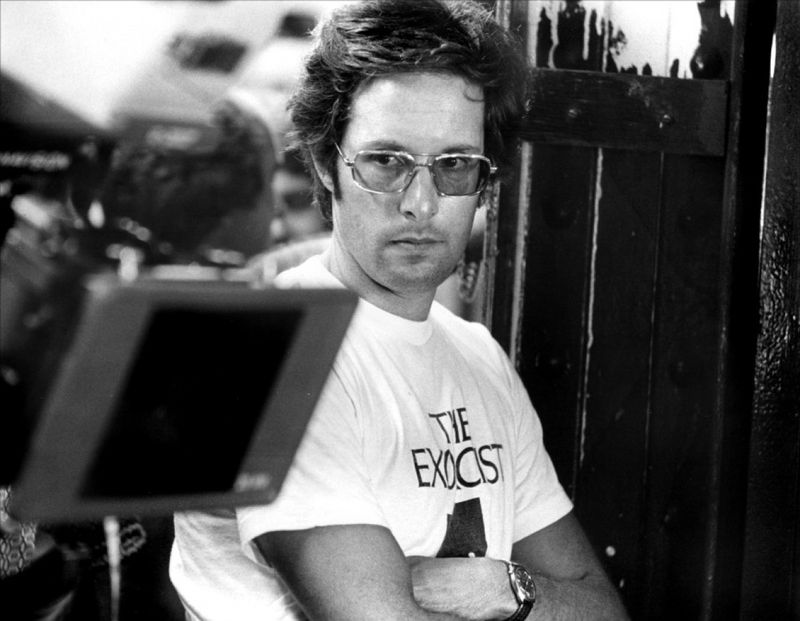
Early in my writing career when I was a film critic for the Oregonian I interviewed William Friedkin while he was making The Hunted in our city of bridges and frequent gloom. It was a beautiful spring day in Portland, nice for Portlanders, not so nice for Friedkin. For his new, moody movie he was promised rainy, overcast weather. He said to me, bemused: "As Rick said in Casablanca. I was misinformed." 

When I met him on set, he was wearing grease-monkey dungarees required for filming in a dank, hot North Portland tunnel — he was shooting a tense scene in which Benicio Del Toro was brandishing a knife. I was also required to suit up in dungarees to watch, notepad in hand. That was exciting for a young writer who'd never stepped on a movie set. I felt like I was in the belly of the beast.

920x680

I interviewed him twice, while on a long break from shooting and then later over dinner. Many aspects of his career were covered, all of the movies (we really got into Cruisin' and Sorcerer, two films I loved and still do), we discussed his influences and he talked about numerous films and filmmakers. He was endlessly interesting and charming. Discussing his childhood, I found this fascinating and pertinent: "My main influence was dramatic radio when I was a kid. I remember listening to it in the dark. Everything was left to the imagination. It was just sound. I think of the sounds first and then the images."

Friedkin is famous for his provocative, visceral and ingenious soundscapes and discussing this, I wrote in my profile, "Collaborating with inventive composers such as Jack Nitzsche, Friedkin creates impressionistic symphonies out of animal yelps, voices, footsteps, rubbing leather, natural location noise and existing music. The results are often beautiful, nightmarish and sometimes subliminal, deepening the substantial and creepy feelings emanating from his pictures."

Yes. All of that. And, then, the subliminal, which has always gotten to me. We talked more about sound, which led to The Exorcist, which led, naturally, to how that movie terrified me as a kid, even just watching it for the first time, snuggled up and supposedly prepared, in the living room. I was not prepared. I had to express this since it caused so many months of sleepless nights and likely pubescent powerlessness. Girls who are beginning to feel out of control regarding their bodies and thoughts, their budding sexuality and the realization of how dark the world is, and their curiosity about it, not to mention new fluids emerging from their special places, might possibly respond more to the picture. It did in my case anyway. And all those terrible things you yell at your mother…

But back to sound, Trembling on the basement couch, I was, at one point, not spontaneously covering my eyes, but slapping my hands over my ears. I was horrified by that breathing sound pulsating from Regan's bedroom. I was even scared I could possibly be imagining sounds tumbling out of my subconscious. It wasn't the pea soup and levitating so much as the buildup, the claustrophobia and, again, the sound — something you can't escape in bed at night, eyes shut tight. Every creaking floorboard, every flapping shutter, rats in the attic, even breathing, it all took on an evil resonance for me as I tried to sleep. I even wondered if I was welcoming evil, which further freaked me out. 

6a00d83451cb7469e201bb07a35922970d-800wi

But at 12, I was rapt, there was no way I would not watch and listen and I made it through the entire movie, understanding it was a masterpiece. Friedkin found my terror amusing, surely he'd heard how much The Exorcist has scared people a million times, but if it had gotten old for him, he didn't show it. I remember thinking, if my traumatized, evil-questioning 12-year-old could imagine me talking about this now. That girl who was staying awake wondering if evil was going to take over her body and did she really believe that? Would she feel comforted knowing in the future she would be talking to the man responsible for all this? Not sure, given what he then said to me.

Friedkin told me: "I believe in good and evil. I believe that the forces of good and evil are at war within all of us every day, all the time. It's a daily struggle in every human being. It is in me. And I probably would be a seriously screwed up person if I weren't making movies about seriously screwed up people." 

Well, thank you for that. And Happy Halloween.

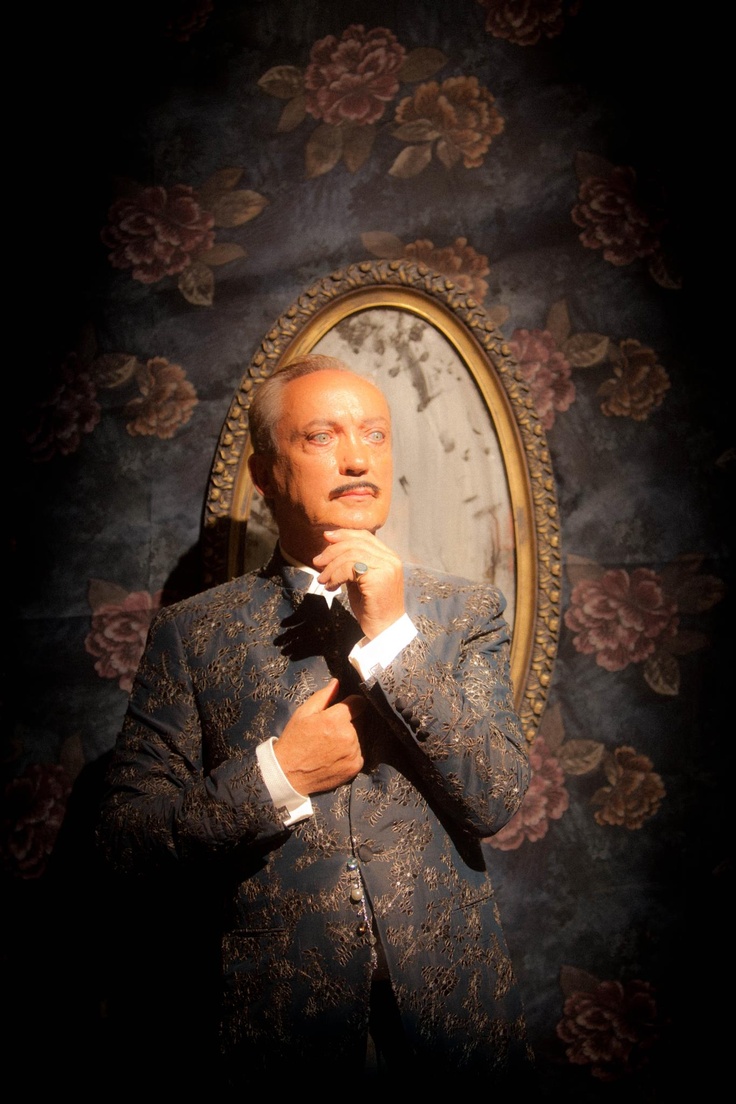
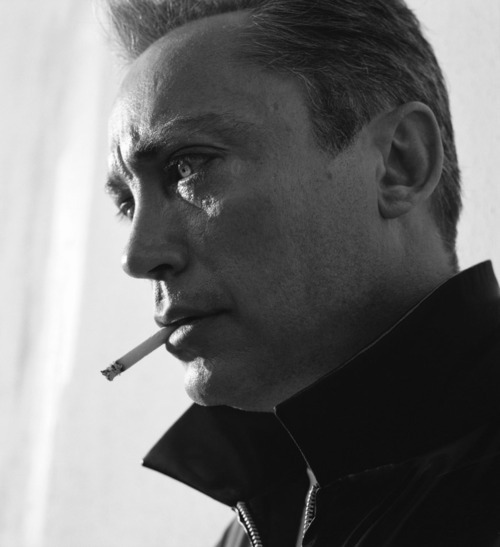
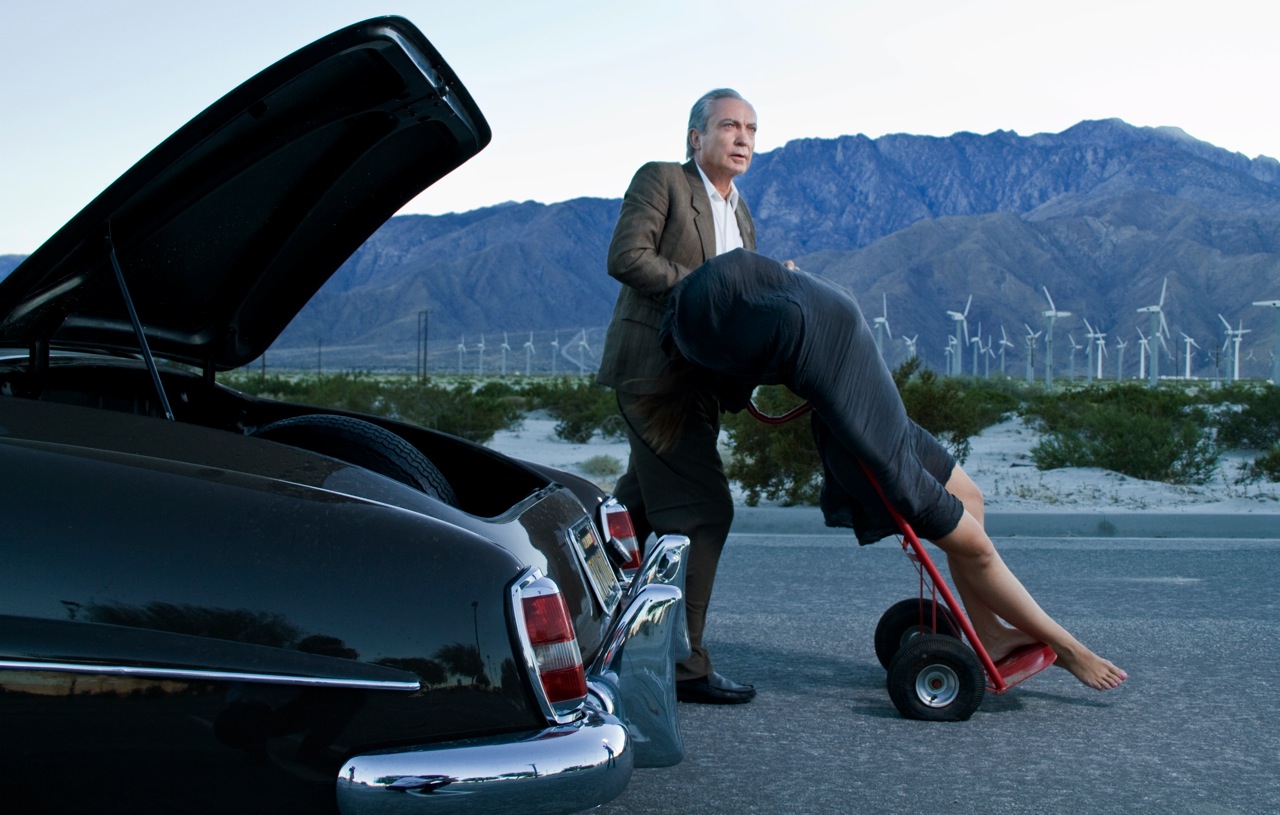
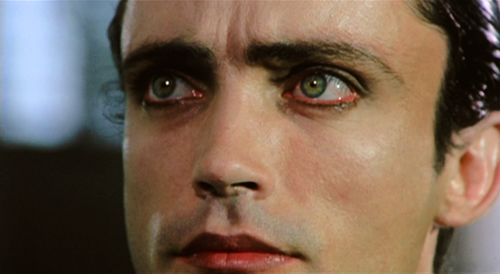
Desert Eyes: Happy Birthday Udo Kier

600full-udo-kier

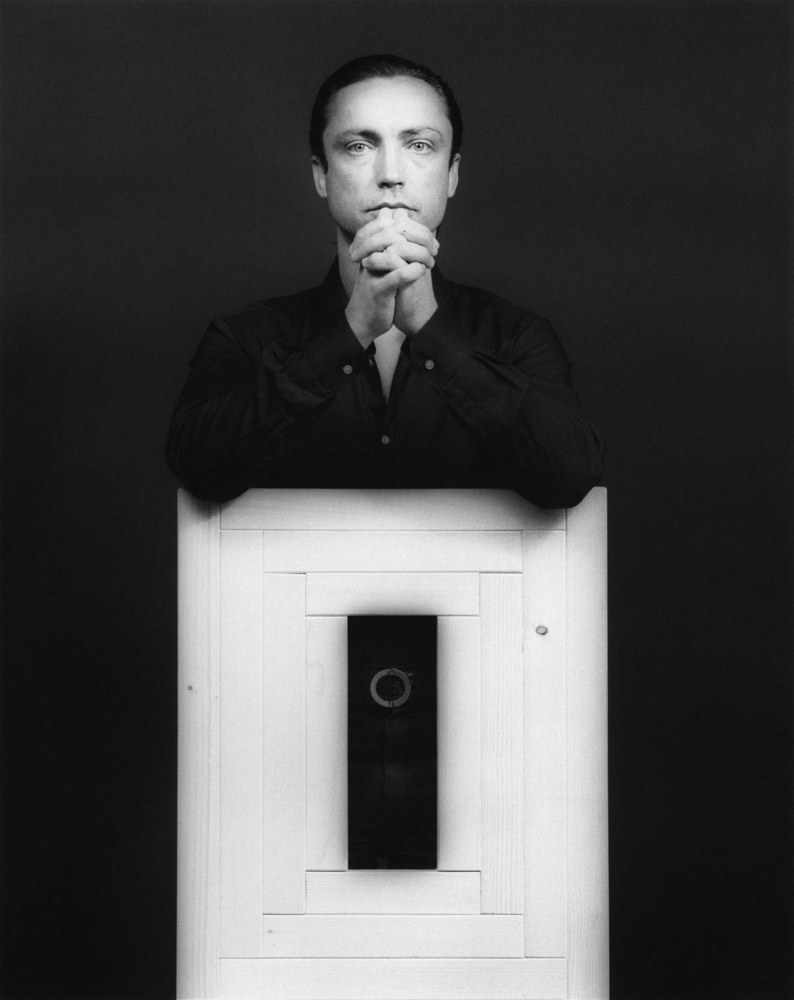
We’re driving around Palm Springs and Udo Kier is asking me to check on his ball. Has it arrived? I’m not certain what he’s talking about. A ball has not been mentioned yet today, but as we slowly creep past his block, I check for a ball as if this is the most normal thing to do. “It’s enormous, you can’t miss it,” Udo tells me in his distinct German accent of Udo-ness; only Udo sounds like Udo. I don’t see the ball. “No. No ball. OK. It’s not here yet, let’s drive some more,” he says with a curious mixture of stern cheeriness. We do just that, eyeing houses, discussing the architecture of Palm Springs, how our mornings went. We discuss his life living in both Palm Springs and out further, far into the high desert. He stops by his other house to show a couch he wants to give me. It’s lovely from what I can see, but dusty and crammed in the back of his garage. It's massive. How will I ever move this thing? He seems incredulous: “Well, don’t you have any strong friends?”

Udo-Kier

Yesterday Udo and I drove around Morongo Valley shopping in thrift stores. Udo doesn’t care for the antique marts where everything is curated and nicely arranged and usually overpriced. He prefers the hunt, to search through the junk, to stumble on something remarkable and unexpected. And he always manages to do so. We come across a big white desk with pink and gold details – faux neo-classical with those delicate legs. Probably from the 1960s, but very Louis XVI. It’s a little ridiculous but sturdily made and beautiful, bordering on tacky and we both love it.  

Tumblr_nd68brIaj01r1e0qgo1_500

He says that I must have this desk. He urges me to buy it. I’m waffling but Udo persists. He tells me this is where Marie Antoinette would sit and write letters. He shows me how. He tells me it would look good with my hair. He's ever convincing, but I need to think about it (strong men). We continue to browse and almost immediately see two men, maybe antique dealers, spying the desk, inching closer, checking the price. We return to the desk. Udo says "She is going to buy it." I am? We place it on hold. Oh dear. More things to move. More strong friends.

0udo_kier_c_rm-scaled-1000

Everyone in these dusty little shops know him. Some know he’s an actor, a movie star, some probably aren’t so sure. They can tell he’s something famous. He talks nicely and with jovial familiarity to everyone working. When we drive further on to a thrift store in Yucca Valley, an older female employee wearing her Angel Thrift smock stands out front on her smoke break. She greets him with a scratchy, gin-soaked voice, “Hey, Udo. We got some clay pots.” Udo is pleased. She takes a drag from her cigarette and says, “Yeah. But you got too many clay pots.” She cackles and goes back inside. The clerk says an immediate hello — there's things in the back. Everyone’s happy to see him. Walking through the store, someone asks Udo if I’m his daughter. He says, “Don’t insult her! She’s my granddaughter.”

MV5BMTIxODE2MTgwM15BMl5BanBnXkFtZTYwMjYzNTky._V1_SX640_SY720_

Driving through the desert, we talk about his life, art, his work (and all the work he's currently doing — it's a lot), people he’s met, working with Fassbinder, von Trier, Morrissey, Van Sant, Argento, Herzog, Maddin and more and, then, movies he’s loved as a kid. He loved watching Errol Flynn pirate movies. He didn’t have much money growing up, but he’d rush to see Flynn on screen. He discusses one of the three pictures he almost made with Alejandro Jodorowsky. It later became Santé Sangre. Before it was to star Udo and Bette Davis. Wait. What? Bette Davis?

The_anniversary

Udo says he cried that they couldn’t raise the money back then; that he couldn’t work with Bette Davis. “Originally Bette Davis played my mother. It was a circus family and my father cut off the arms of my mother and I swear to her that as long as she lives, I will be her arms! Imagine! Imagine! Bette Davis and me! And I would have trained how to do it.” Udo adds: “I don’t want to spill a cup of coffee on Bette Davis.”

Aaa97e5def9866cda97f09ce87829623

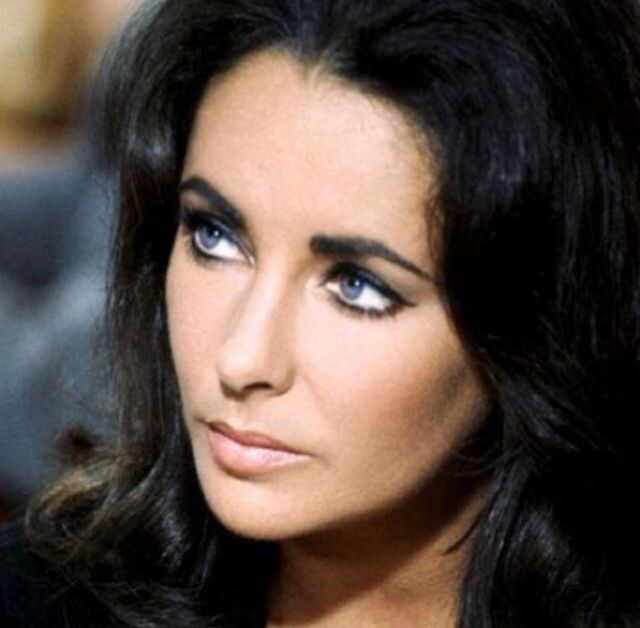
I mention Davis’ eyes. Udo and Bette, in a staring match! Udo laughs. Bette’s eyes lead to another favorite actress and her famous eyes, Elizabeth Taylor. “I was in love with Elizabeth Taylor when I saw Suddenly, Last Summer. Oh, my god! She should have got an Oscar for that.” He brings up numerous Taylor performances that stayed with him including Reflections In a Golden Eye (“With Marlon Brando when she hits him!” he says), Who’s Afraid of Virginia Woolf, Butterfield 8 and X, Y & Z. And then he tells me he kissed her, in real life. “It was at a dinner in Miami … the guest speakers were Elizabeth Taylor and Audrey Hepburn. And I was sitting at one table, with a very famous artist and I was bored. Because the wine, they give it to you and you drink it. But the food takes forever. So I said, I’m going to take a rose from the table and give it to Elizabeth Taylor. She’s at the table with Valentino. The painter I’m sitting with said, ‘You are not brave enough to do that.’ So I poured one more glass of wine, took the rose, walked over to where she was sitting, kissed her on the forehead and said, ‘You are so beautiful’ and gave her the rose. She said, ‘Thank you.’” 

Tumblr_m4ibt1nAW41qb6k7po1_500

“My dream as a young actor was playing Elizabeth Taylor’s son because we had the same eyes. My idea, was, I would be her son, who she doesn’t know about in Rome. And he comes into her life and she’s flirting with him, and then they have an affair and she finds out it’s her son.” I’m taken aback by this. What a wonderfully sexy and kinky idea. (Udo has a lot of intriguing ideas.) I exclaim, “Why didn’t you write and direct this movie?” He agrees he probably should have. 

Tumblr_mk3y4wkx801rid7sco1_1280

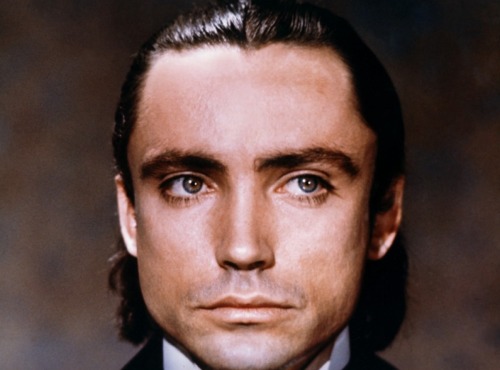
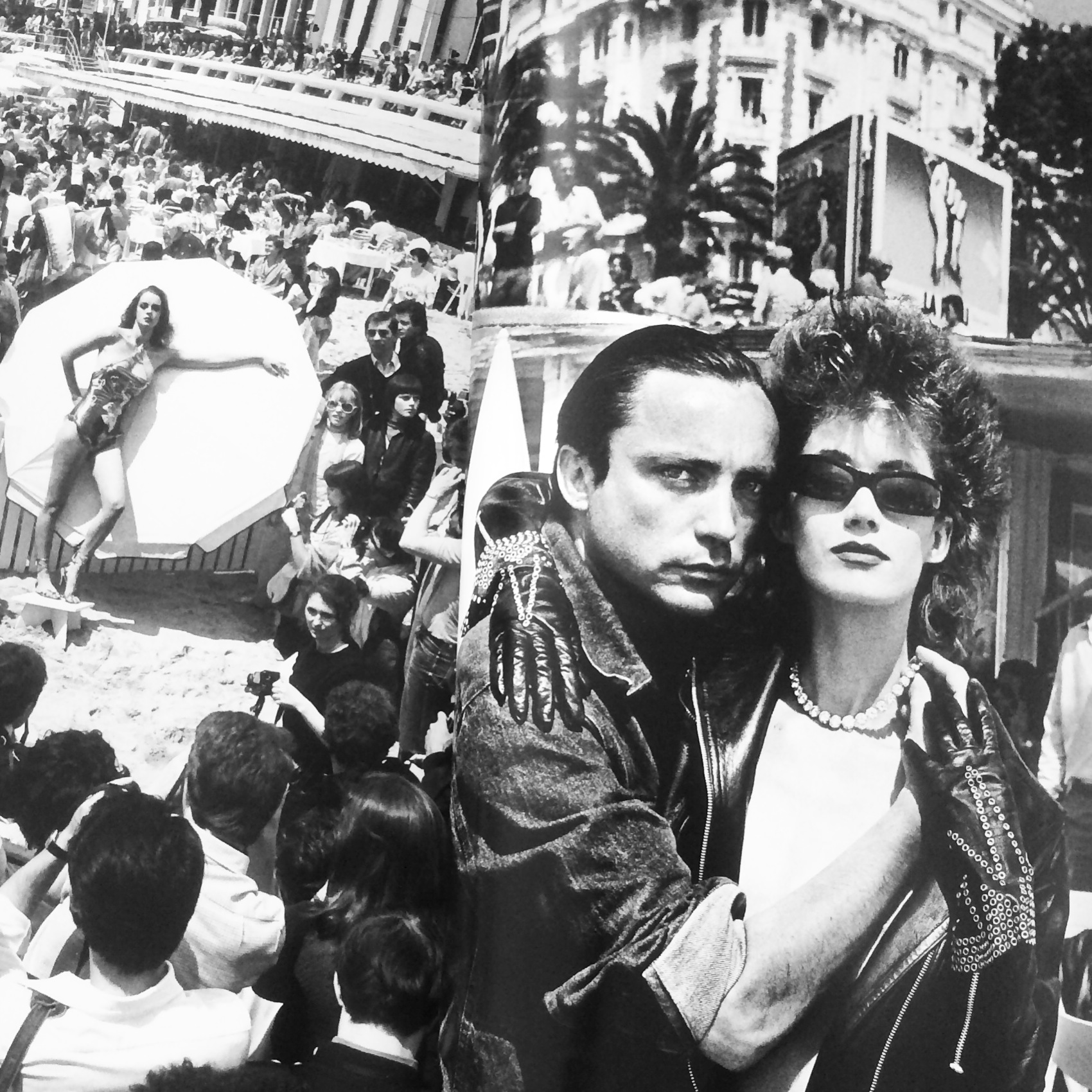
I bring up Udo’s beauty. He’s shy about this for a moment. I tell him he’s still gorgeous now, because he really is. He’s lucky in that, as he gets older, he never loses his Udo-ness, it just seems to increase. He’s too interesting a person, too unique, too vital, too great an actor, too smart for anything like beauty to fade. I’m not flattering him. It’s just too obvious. Every place I’ve been with him, Paris or Winnipeg or Los Angeles or in the middle of a dirty thrift store in Morongo Valley, people look at him, things shift, the room temperature changes. Charisma. When he was young, he had to know he was one of the most beautiful men on the planet, I say. He’s very gracious about this. Not boastful. Women must have thrown themselves at you, I tell him. Men and women. It must have been crazy all the time. He is again, humble and discreet but he knows that I know. Yes. It was fucking insane.

C592751e32e36a1a2a56222ed5ba043a

We stop off at his halfway finished property in Joshua Tree. A simple, but semi large green structure, set in the vast expanse of desert. His survivalist-looking neighbors, seemingly the only ones, check in and offer a beer from their truck. They invite us to see their pet donkeys. They love Udo. The man hands him a bag full of thrift store neckties. We’ll see the donkeys later.

Udo kier by kim morgan jt

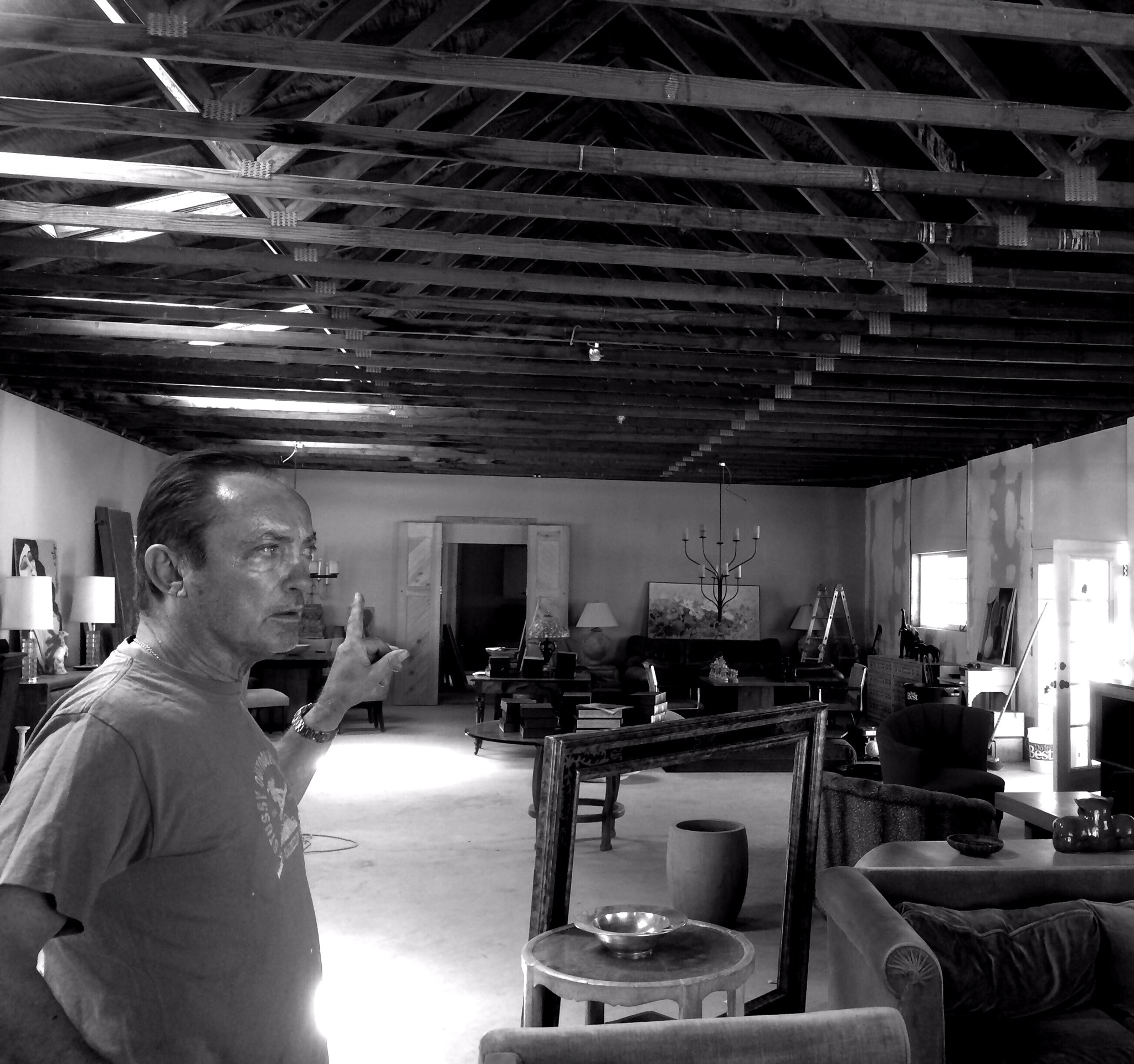
Inside the house, he’s still putting in the kitchen and the bathroom. The inside is like a barn with exposed beams that he’ll keep that way. It’s gorgeous. It’s filled with all kinds of pretty, strange things, all eclectic and fitting of Udo’s taste. Udo loves the Palm Spring mid century modern aesthetic, and he has an impressive, enormous art collection (and furniture and just about everything), but he’s not boring and strict about it like too many people. An instinctively creative person, he mixes it up with all eras and expression and his own art projects. Udo makes fantastic chairs out of neckties. (Now I understand the neckties.) There’s a box of doll heads and I reach in to grab one. All of the dolls have holes in the back of their heads. He says he’ll put feathers in the holes. He shows me a lovely antique dining room set that he hates to part with but doesn’t have room for. He says I can have it if I can move it. More strong men. He tells me, once it’s all moved and set up in my dining room, he’ll come visit me and the dining room set. He’ll make a movie about it. Elegant and absurd: About a man who comes over to visit because he wants to sit at the table and chairs he gave to his friend. But then he just keeps coming over, repeatedly, over and over, to sit there. He sits in different chairs. He likes to put his hands on the table. He misses the table. He misses the chairs And sometimes he’ll come into her house and just sit there alone. This movie is told off-the-cuff, poetic. Like when he instructed me to get air conditioning: "You don't want to be a dried flower, Kim."

Udo kier by helmut newton

We drive back to Palm Springs, talking about the desert, why it’s preferable to spread oneself across this hot, high lonesome instead of settling in Beverly Hills or somewhere like that. Udo, who does not have a normal life, but remains down to earth and sensitive, talks about having a normal life. “I don’t want to lose reality. The more normal you feel, the more you have a fantasy of being someone you loved. And that was always my goal, to talk to people, finding out people’s stories… I will look at a man walking in a strange way and I think, that’s great. Maybe one day I will play a role and I will walk like that man or that woman who walks very strange…"

F89511f8ebbe907a4059b868a28a1169

"The problem is that people think that actors live in this mundane world. That they’re driven in a Rolls Royce and all that. And those that do, they lose reality. If you live like a millionaire, and then you play a millionaire, what is there to do? I fantasize of a combination of [things] of what I’ve read in books or magazines or Dostoyevsky or see in real life. If you have lost the reality, you lose the fantasy. You need to have the need for fantasy. The happiest of all the places where I could be is here, in the high desert. There is something magical about it.”

Udo Kier smoke

We return to Palm Spring and I stay the night. We wake up, drink coffee and check on his other house. He waters a tree.  And, then, back to that ball. We drive down his street. I finally see the ball. He wasn’t kidding about this thing. You couldn’t miss it. An enormous orb taller than his fence, made of steel and iron or something ridiculously heavy has arrived on a truck, a massive sculpture to set in his expansive backyard by the pool. The artist unloads it himself in the blazing sun. Udo is grateful and kind to the artist, a friend, accomplishing something that appears incredibly dangerous. How heavy is that ball? The artist doesn’t need any help, and seems to want to be left alone focusing on this task, so we go back into the house. Udo makes lunch and we talk about work. But we can’t stop eying that ball. Udo decides he likes the ball slightly off center and we interrupt our conversation to peek on the thing’s progress. Udo is correct. The ball is somehow more impressive and interesting when pushed a bit to the left. It takes three hours to unload the ball.

+IMG_6984

We move outside by the pool and gaze at it. I am oddly moved by the ball, the way it’s just sitting there, tall and round and set against the blue sky. It’s strangely beautiful. You can stand inside the ball and Udo says I can dance in it at night. Udo is thrilled by his newest work of art. He points out that it looks like a giant eyeball. Udo names it, half jokingly, half serious, “The Eye of the Universe.”

Tumblr_lszjgxfzK31r0koo8

I drive back to Los Angeles that night and fall asleep early. I wake up around 6 AM to an earthquake. The bed is shaking, the walls are shaking and I’m confused. I remember I’m in Los Angeles, and not in Palm Springs. I suddenly worry about that enormous ball. I sincerely hope that ball hasn’t rolled into Udo Kier’s house. I reassure myself. It’s an eye. It’s Udo. And Udo is resilient. As large as it is, it won’t win. And if that eye tried, it would make a great movie with Bette and Liz and Udo. The Eye of the Universe.

Udo kiss

Happy 70th Birthday, dear Udo.

Udokier074

Udo was recently honored this year by the Munich Film Festival with "An Extraordinary Personality in International Cinema" award. Five of his films where shown and the new documentary "Arteholic" which features Udo discussing work in prestigious art museums throughout the world, was shown. He has many movies coming out soon including Guy Maddin's The Forbidden Room. He's being honored with the prestigious lifetime achievement award, the Teddy, at the 2015 Berlin International Film Festival. The Teddy is also honoring Udo's friend and director, Rainer Werner Fassbinder, for what would have been his 70th birthday in May. 

Telluride 2014: Wicked Woman

$_57

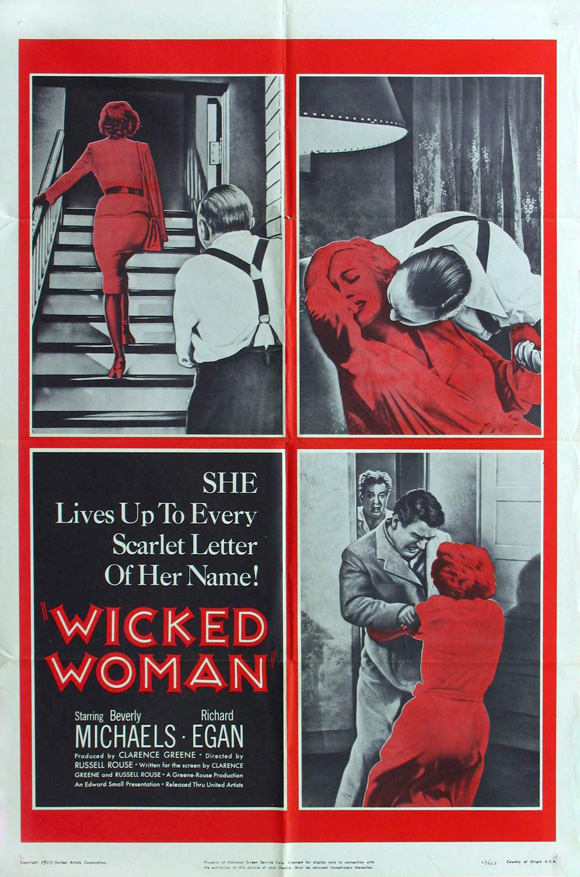
The title is deceptive because, really, Beverly Michaels isn’t wicked, she’s just sick of it all. That whole bit about being a woman in this life, unmarried, down on your luck and, oh, sure, gorgeous, but how far will that lead you? And how you’ve heard and seen it all. The thrill or disgust of a cat call (depending on the day, or the man), the joy of one’s own beauty co-mingling with the bitterness that comes when people think that’s all you’re made of, the creep next door who won’t leave you alone because, in a moment of desperation, you were nice to him once; all of those day to day indignities are so viscerally felt when Michaels just slumps across a room.

MisterPercyHeltonWickedWoman1953-1

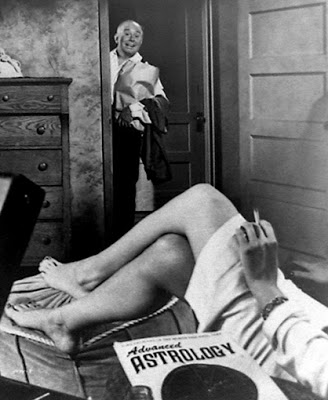
That room being her dingy dive in a boarding house, the type of place her landlady hollers is “respectable” (which always means it’s not); the dump she reads her horoscope, drinks beer, and dreams of her new love (and she really does love him), Richard Egan. Only one problem — Egan’s wife. White-clad drifter Michaels (always white –Michaels tops Lana’s lily-clad faux purity in Postman Always Rings Twice with her getups) sashays into town, nabs a job as the hot waitress at an establishment run by hunky Egan, but owned by his wife, a blowsy and sad drunk (a terrific Evelyn Scott).

Wicked-woman-movie-poster-1953-1020429105

What to do? Well, probably something pretty crooked, but surprisingly, when viewed against other devious noir couples, not as evil as you’d imagine. Russell Rouse (The ThiefNew York ConfidentialThe Oscar) directs this 1953 B grade pulp with A plus panache – he allows his actors to take over their sordid surroundings with such power, that you truly feel for them – particularly Michaels. 

WickedWoman-1953-09

It’s like kitchen sink pulp, with characters who could seem overdrawn, but are, in fact, very real. So real they’re almost freaks. Michaels is more than leggy, she’s six feet tall, neighborly creep Percy Helton is such a letch he’s a bonafide hunchback and Egan is so obnoxiously handsome he’s managed to grow a dimple between his eyes.

Wicked creeping percy

Rouse crafts a dirty jewel with this one, a masterpiece (yes, a masterpiece) that not only speaks vividly of human nature, but also understands women, from the so-called floozies to the sad carping drunks (who often carp for good reason) and even the men pushed and pulled and struggling themselves. Women aren't always "wicked" becuase they're out to get men. Often they need a job, they need money for the bus, they need at least one nice white suit.  I mean it.  Wicked Woman should be taught in every Women’s Studies class on every college campus in America.

Wicked Woman will be introduced by Kim Morgan and Guy Maddin at the Telluride Film Festival. 

Telluride 2014: California Split

CALIFORNIA-SPLIT_1

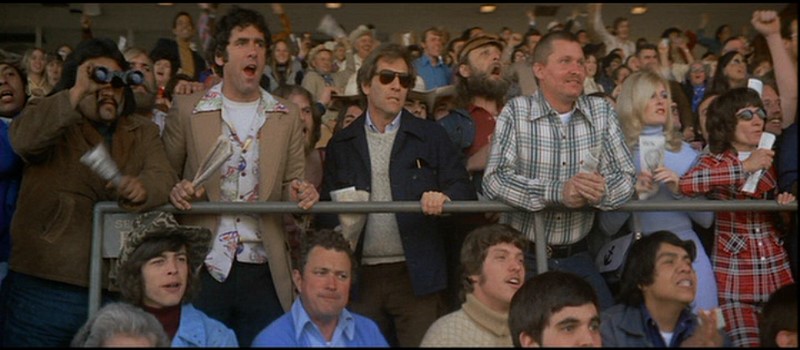
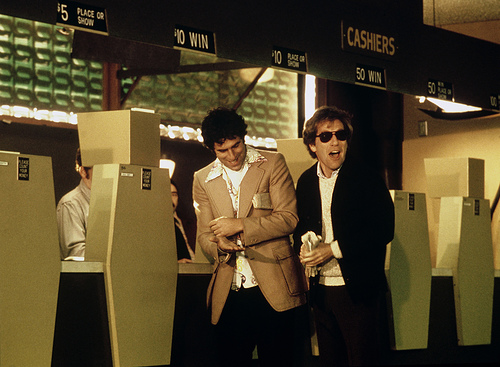
"I was friends with Steven Spielberg, and Steven and I were going to do California Split. I worked in Steven's home for about eight months. MGM said yes, and suddenly everything changed. Jim Aubrey, head of the studio, was the smiling cobra — and the snake struck. He said, 'I want it changed. I don't want what's going on here. I want a straight movie. I want the Mafia to chase the two guys — they owe the Mafia money. The Mafia catches the two guys, they get away. And I want Dean Martin to be the star of it. He wears a lucky chip around his neck, and he gets shot and the chip saves his life.' He even had the title for it — 'You call the movie Lucky Chip. You've got to be kidding me. I pulled out of it with a hundred twenty-seven dollars in my pocket. People said, 'You are the greatest moron of all time. You should do what they want.' But to me I couldn't do it." — Joseph Walsh (California Split screenwriter)

Altmandirectingcaliforniasplit1-1

When Robert Altman made a picture about gambling, he didn’t hit you over the head with one of the most obvious and easiest ways to sap “meaning” out of a movie – the overdrawn, bathos-ridden addiction story. The sadness of lost lives, lost money, destroyed relationships, underscored, twice, in ink. But he didn’t make it all Rat Pack glamour either. The complexity and sorrow are all there, of course, but Altman allowed these feelings and concerns to creep up on you as you observe, laugh and, in the end, feel a little blue for two characters you grow to love. There’s a melancholy to winning and Altman got that. But there’s also a whole lot of fun in a life unfettered, especially when you’ve just met an exciting new friend. He got that too. There’s a reason people do things like gamble excessively – it can be thrilling tossing the dice, staying out all night and drinking in bars where some women don’t even bother to wear pants. How can we not get it?

Californiasplit_pn

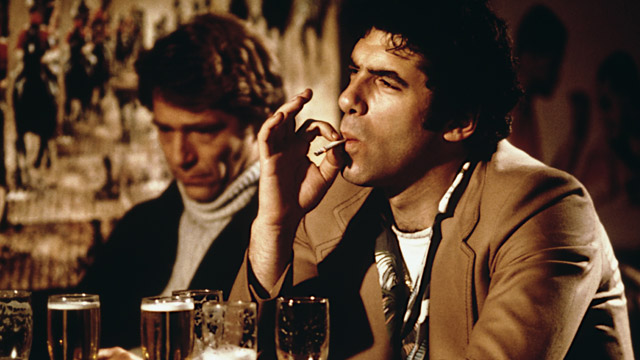
And how can we not with Elliot Gould and George Segal as our guides? Paired with the wise words within screenwriter Joseph Walsh’s autobiographical screenplay, based on his own gambling predilection and problem, Altman crafted one of those movies so special it’s hard to even write about.  It’s just so alive and breathing and real and charming and sad you can practically smell it. It’s a movie I turn to time and time again because, even if I know it’s not a healthy world, I want to be in that world again. I want to experience its off-kilter cool, its bummer vibes. I want to, once again, fall in love with its scruffy-cool, wisecracking, charismatic leads.

Cali_split6

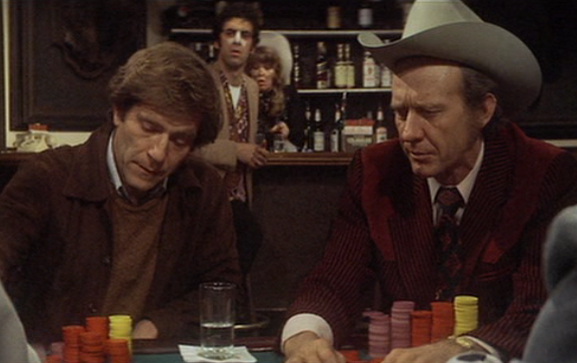
And you do fall for them. Segal, as magazine writer, Bill Denny, who bonds with Gould’s Charlie Waters, the more experienced gambler in something like their own love affair. Their relationship is one of camaraderie but, not so fast. Even Altman doesn’t let that become an easy kind of connect the dots. These men have mutual mysteries, are their own men, and probably, won’t ever truly understand one another like brothers. Gould, the fast-talking, charming rogue; Segal the more pensive, lonely and wary of the two. Their friendship always contains an edge – and since the movie feels so real and unexpected, you’re never sure what that precipice entails. Bill does find himself circling further and further into the money pit, which leads to a trip to Reno in a game in which former world champion Amarillo Slim (who plays himself) is one of participants. Bill wins and wins and wins and… what does that do for him? You have to think about it. And wonder if he’ll be OK. And if these two guys will ever be friends again. Probably not. And with no showdown between them, no big speech; you don’t need one. All you need is to look at Gould and Segal and you… just know. Through all of this winning, something has been lost.

California_Split_10

Reviewing Karl Reisz’s fine The Gambler (written by another great gambling enthusiast and addict James Toback), Pauline Kael made a point of mentioning California Split’s wonderful inclusiveness: “The big difference is … not just that Altman’s allusiveness is vastly entertaining while The Gambler seeks to impress us, but that California Split invites us into the world of its characters, while The Gambler hands us a wrapped package and closes us out.”

California_Split_5

Along with the fantastic pairing of Segal and Gould, Walsh’s script helped allow us in, and he fought to maintain his voice every step of the way. That tension obviously worked onscreen, lending the performances such freshness, that no matter how many times you watch the movie, you feel a little disarmed. It always feels so new. On top of that, Altman cast many real-life addicts as extras, carpeting the movie wall-to-wall with lived-in faces, utilizing hise eight-track sound system to wonderful effect — the gabbing of a minor player could add weight or humor to a scene. Gould and Segal are central, but everyone has a part, and even, at times, a voice, in California Split

Californiasplit-women

Altman places us in this unbalanced world of gambling addicts and eventual friends, with their varied adventures, games, female friends (or hookers, Ann Prentiss and Gwen Welles, who are never demeaned or condescended to and are given their own humor and humanity, something you wouldn't even see today), goons, oranges and conversations – conversations that veer from betting on the names of all Seven Dwarfs (“Dumbo wasn’t in that cast?”) to the fantastic statement, “Everybody's named Barbara.”

Slimincaliforniasplit

It all comes together so naturally that, at times, you can’t believe you’re watching a movie. And yet, it doesn’t feel like a documentary or something so real that you could view it all on your next jaunt to Reno. It’s pure Altman. He’s working in a universe that knows it’s human, knows it’s cinematic and knows it’s meaningful but isn’t going to tell you what to think or even what it all means.

5429232

You must decide that for yourself. Along the way, you spend time with two effortlessly natural actors playing such incredibly different men, but ones who give you so much fun that when you feel the movie’s underlying sadness, it makes it all the more aching; all the more human, all the more bittersweet. And utterly inimitable.

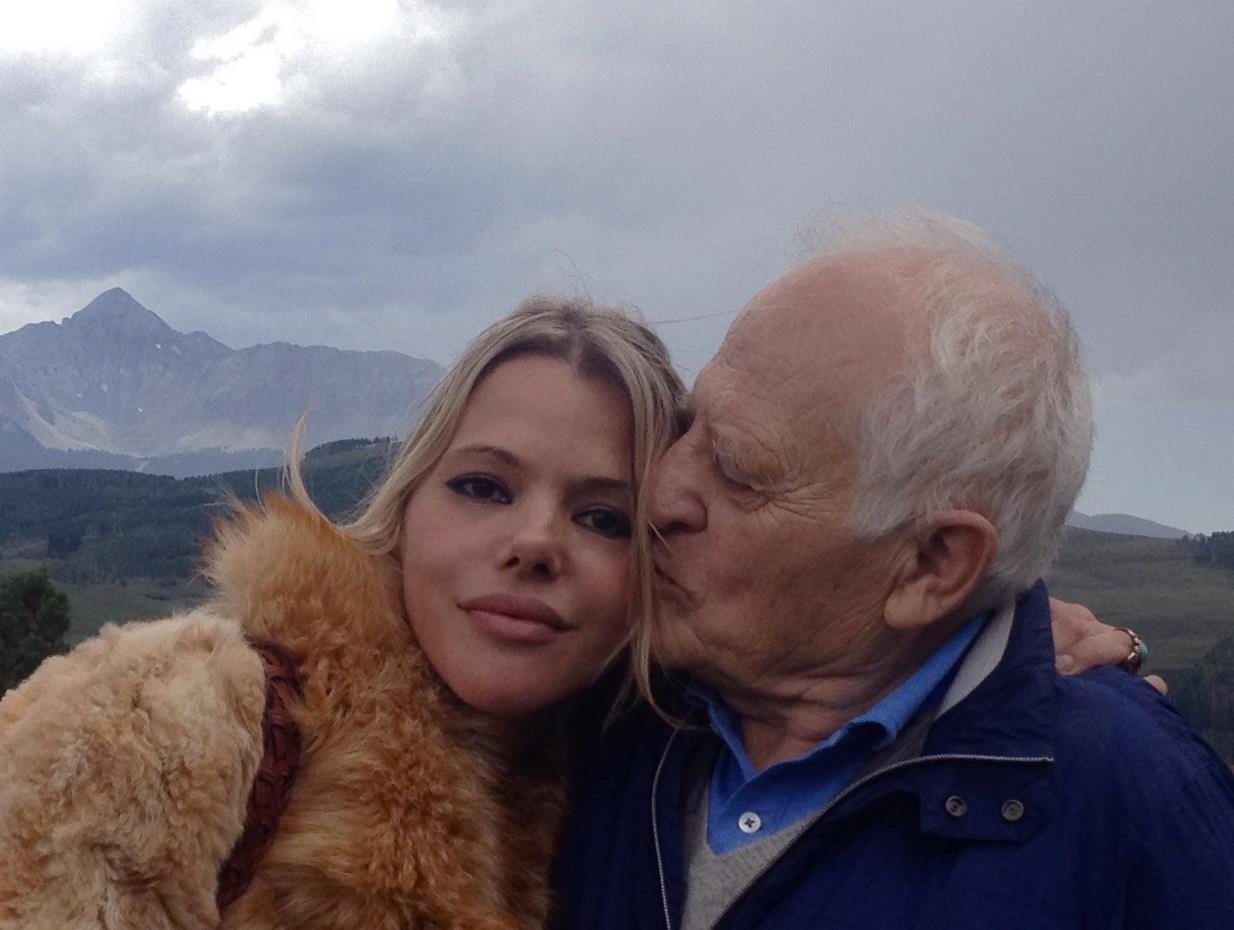
California Split was followed by a discussion with me and Guy Maddin talking to George Segal and Joseph Walsh. Elliot Gould was set to attend, but was called unexpectedly for a shoot on "Ray Donovan." More to follow about our conversation, which was fantastic. Segal and Walsh are funny, smart, obviously enormously talented and incredibly sweet. They were the absolute highlight of Telluride for me. And, the below picture with George Segal, well, this was more than wonderful. 

Kim george two

Telluride 2014: Joseph Losey’s M

BwOiSW7IAAEoOY8

How to remake one of Fritz Lang's greatest pictures? Joseph Losey found a way. But many, including Lang, did not embrace Losey's vision. I had longed to see this film for years in an at least semi-decent print. I could never find anything but the murkiest of  copies but I managed to track down a muddy, barely watchable version and I took it in — even as the picture quality frustrated me. I could still see it was so beautiful, so wonderfully shot, so powerful, even within all that murk and muck. I revere Joseph Losey, from his masterworks such as The Prowler to Big Night to The Criminal Accident, also The Boy with the Green Hair, These Are the Damned, Modesty Blaise and of course, The Servant and The Go Between. And Boom!  One can't forget Boom! One shouldn't forget Boom! "Injection!"

6c2020802bf79f9b2ae4782ce84551b8

There are those who just don't take to remakes, tiresome souls they are. To those, I say, calm down and watch Sirk’s Imitation of Life and realize it can be done, brilliantly, and with some unique deviations. I’ve also heard non believers grouse about actor David Wayne filling in for Peter Lorre’s brilliant performance  – that he’s too understated, too boring; there’s just no heft to him. Well, the subtlety works and he comes off not only incredibly creepy and heavy breathing sexual but an effective cipher and just terrifying (he's different than Lorre) who allows Losey’s spectacular supporting cast — Martin Gabel, Luther Adler, Norman Lloyd, Raymond Burr and Jim Backus — to work off and perhaps even through him by going larger (Luther Adler is especially strong here).

Mlosey1-1

And the locations they go through as well, Ernest Laszlo’s cinematography and depiction of 1950s Los Angeles is exceptional — from the seedy Bunker Hill settings to a terrific use of the Bradbury Building where the killer is hunted, to the use (and abuse) of mannequins  (women, children, sexuality, parts), all winding up and and swirling together into a powerful, sexual mob hysteria, underscoring that era’s political paranoia and what would happen to the soon-to-be-exiled HUAC target Losey.

11A-M

The director wanted to make some interesting changes from the Lorre kiddie killer to the Wayne child murderer, and he did. It's not that one is preferable (Lang vs. Losey), it's just that both are intriguing. The production notes were based on a study of two real life murderers, and according to David Caute's fine biography on Losey, in files Losey wrote, "Harraw was isolated in his youth by religion and by poverty. He is suffering from hyper sensitivity. He was sexually attracted to his mother. This resulted in frustration, hatred of father." Losey continued, "The shoe and foot as sexual symbol — contact with earth, fecundity… And I wanted to present him as a product of a mother-dominated and materialistic society of lower middle-class America, where everybody had to be big he-men otherwise they were sissies… this man undoubtedly was a concealed homosexual, totally in conflict with everything including his own mother whom he adored and hated." 

5161

Oh, yes. The mother. The kinky shoes. But the environment. Los Angeles has never looked so lonely and vulnerable, from the creepy killers to those kids walking around downtown Los Angeles, looking in windows, walking out of theaters. One still feels this way in Los Angeles — both cramped and wide open, friendly and sinister. You never know what is lurking. Even in the most innocent of circumstances.

20137327_1_IMG_FIX_700x700

So, finally! A restored copy of Joseph Losey’s underseen, under-discussed, and that overused but, in this case, apt term, underrated M, here at Telluride. Lang never saw it but was pleased that it bombed and based on what he had heard, disagreed with how Losey discussed the killer's motives and psychology. Again, we can agree to disagree Mr. Lang. And I think your version is a masterpiece. Nothing will take away from that. Losey's is just too different. 

Vlcsnap-2010-04-25-16h26m37s7

Losey, pursued himself, and during the very year this picture was released, the HUAC target would leave the country instead of naming names for that ghastly, career-destroying committee, only to return in 1952, blacklisted. Thankfully, he embraced Britain, and become one of the more fascinating filmmakers of the 1960s. He also, in Secret Ceremony, got Elizabeth Taylor to take an on screen bath with Mia Farrow… He’s a treasure. And now, his picture has been restored. I can't wait to watch tonight.

Presented at the Telluride Film Festival by Kim Morgan, Guy Maddin and special guest Pierre Rissient who has been championing Losey's M for decades.

Telluride Film Festival 2014

TFF1_PB_Swanson_Tribute274

The plane leaves this morning and I'm excited, nervous, prepared and ready for anything. I also have a cold. Out! Devil Cold!

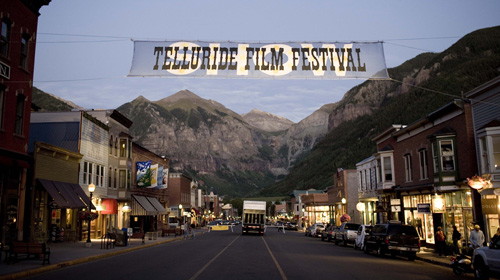
The Telluride Film Festival begins Friday, and I, along with Guy Maddin have been chosen at Guest Directors of this year's festival. We programmed six films — no easy task. We've been sworn to secrecy but the cat's out of the bag today (I think). Maybe Friday it'll be in the river. I'm still not sure. Soon, we can spill! 

6a00d8341c630a53ef0120a59c3b36970c

As we said in our joint statement:

“We are honored and thrilled to be guest directors at Telluride, by far the most concentrated, smartly curated, and enchanting of all the film festivals. More than any other festival, Telluride is driven by the sheer love of cinema — discovering new talents, honoring titans and unearthing neglected masterworks and geniuses. The opportunity to share our favorite films with Telluride and its always-discerning audience is not only exciting but an absorbing, wonderful challenge. There are so many movies we love, and to program a selection of six…  where to begin? We really wanted to show those masterpieces we felt hadn't been revived enough, if ever, and to see them as they were meant to be seen — on the big screen. We can’t wait to watch!”

Christie vidor

And we can't.

You make friends at Telluride and, as much as I wanted him to attend Norman Lloyd (who appears in one of the pictures we programmed) could not make it. He's turning 100 in November and is as sharp as a tack, I've me Norman numerous times, had l had lunch with him, attended his  birthday celebration at the Egyptian, even went to Oliver Stone's Savages with him (he thought it was ho-hum —  Design for Living did it bettert), At our Spago Telluride Dinner, we sat next to each oher and talked endlessly. Too bad he can't attend this year (we have a treat, not to be revealed). Telluride reveres Norman Lloyd.

10568835_10152636829085792_3379008430121751035_n

The header photo of two fantastic faces is from the first Telluride in 1974, Gloria Swanson sitting with her soon-to-be- enemy, Kenneth Anger (Swanson, Leni Riefenstah and Francis Ford  Coppola all won silver medallions), what a trio that must have been!  

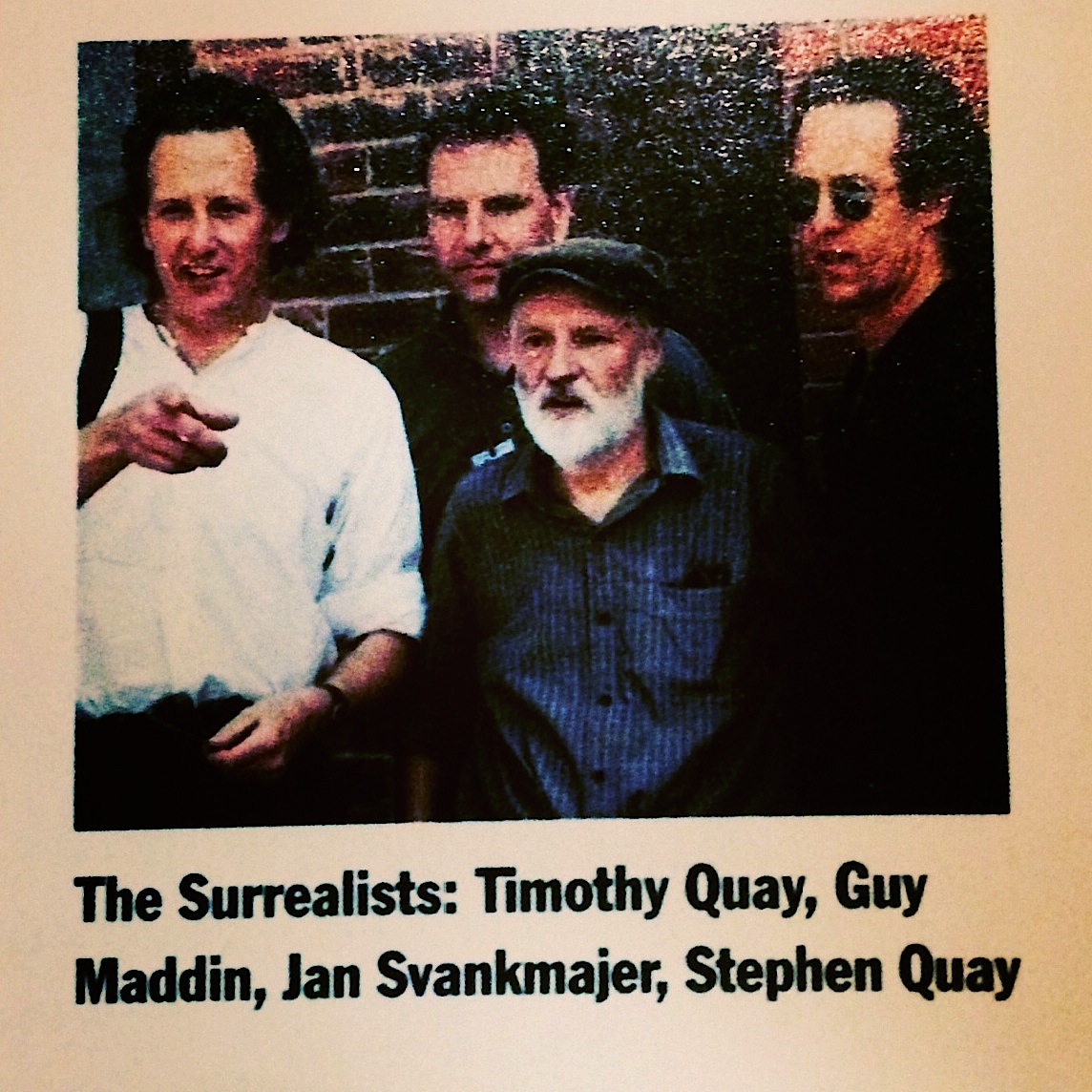
And here's Guy with the Surrealists, winning the Telluride Silver Medallion in 1995.

Guy surrealists

I'll end this with my favorite Telluride experience from 2012, presenting two of Jack Garfein's woefully underseen masterworks, Something Wild and The Strange One. Interviewing Jack on stage, walking around the festival with him, talking to him about life (and man, does he have so many interesting stories), visiting him in Los Angeles, and keeping in touch, giving me some of the most useful advice,  he's become a good friend. Telluride is always rewarding. Now pray this cold lifts. Perhaps the mountain fever will take over and the cold will cower in a corner. Onward! 

Kim jack telluride

Read more about Telluride here.

Followup: They've been announced! 

Here's our list:

CALIFORNIA-SPLIT_1

CALIFORNIA SPLIT (d. Robert Altman, U.S., 1974) ·

IL GRIDO (d. Michelangelo Antonioni, Italy, 1957) ·

M (d. Joseph Losey, U.S., 1951) ·

Mans-castle11

MAN’S CASTLE (d. Frank Borzage, U.S., 1933) ·

THE ROAD TO GLORY (d. Howard Hawks, U.S., 1936) ·

MisterPercyHeltonWickedWoman1953

WICKED WOMAN (d. Russell Rouse, U.S., 1953)

Three Obsessions: Lightning, Big, Vice

0f6bb335-1578-4d7a-a768-978b6c3bb597

I haven't done one of these in a while.

Three obsessions. Here's some recent ones…

1. Heat Lightning (1934)

6a00d83451cb7469e201a73e04d4c6970d-400wi

Just rewatched Mervyn LeRoy’s Heat Lightning. A 1934 Pre-code desert drama and sweaty, in the-middle-of-nowhere lust and intrigue with Aline MacMahon and Ann Dvorak as sisters working in the Cal desert. The auto garage, diner and road side motel are a literal hot spot for all sorts of dubious, mysterious and amusing characters/situations… Preston Foster and Lyle Talbot show up, on the lam. Also Glenda Farrell as “Feathers” and Ruth Donnelly as “Tinkle,” rich divorcees road tripping with their jewels and chauffeur, of course. The camerawork is exceptional — beautiful and interesting.

I especially love the tracking shot at the beginning when we’re introduced to the sisters — tough minded McMahon and pretty, frustrated Dvorak — while McMahon is walking to the car she’s working on. Dvorak storms away, angry, and LeRoy shoots from McMahon’s POV under the car. MacMahon  and Dvorak are wonderful here — really appealing and touching. 

2. The Big House (1930)

6a00d83451cb7469e201a511f97e69970c-400wi

An uncompromising prison picture with powerful performances by Wallace Beery, Chester Morris and Robert Montgomery (while making the movie, director George W. Hill reportedly stated he’d fire the first person he saw "acting"). Beautifully shot — both claustrophobic and vast, endlessly institutional — I love how the story turns as well. You’re expecting Montgomery to be the hero but, nope, he’s a coward, a rat, and yet, not simply villainous. He’s acting like a lot of terrified newbies when first incarcerated.

This has to be the best Chester Morris performance too. I've always liked him, but he was never so tough and likable as he is here. I always saw something like a cross between Franchot Tone and future Ralph Meeker in Morris, hoping for the meatier Meeker to surface. Here, the Meeker comes forward, toughening up and de-blanding the Tone out of him. Interesting casting note: Lon Chaney, Sr. was originally going to play the Beery role but he tragically died.

That would have been something to see. I wonder how he would have transformed himself for that part? Chaney was brilliant, but Beery is exceptional here and probably didn't need much transforming as a big, loud, violent thug. And, as stated ealier, the picture is wonderfully framed  – that we start with Robert Montgomery, thinking we'll be following this poor guy through the hell of his inmates or teaming up with them and we will, perhaps, identify with him. Not really. I never stopped feeling sorry for him but did get to the point where I was like, "F you, Robert Montgomery, you creepy coward."  And yet, the movie never makes you simply turn on him. Or any of the three leads for that matter. When Montgomery loses it at the end, it's just sad. Prison is sad, the movie reminds you. It's rare and more complicated than most modern prison movies.

While doing screen grabs (there are so many fantastic shots in the movie), I remembered George Hurrell took some great publicity stills of the picture, posted here. In between shooting a glammed up Norma Shearer and Joan Crawford, Hurrell snapped Chester Morris as an emaciated jailbird. The dungeon walk is a gorgeous Hurrell here but the scene itself is as gritty and as stylish and a standout in the movie. 

3. Looking forward to Paul Thomas Anderson's Inherent Vice

6a00d83451cb7469e201a73e04d53a970d-400wi

Inherent Vice. Incredibly excited for this one, more than any other upcoming film. Also, I love this photo and how it looks like a much more artful picture my Dad snapped in the 70s of his cop friend Carl — a guy who ate blocks of cheese like candy bars.

More about Inherent Vice, Paul Thomas Anderson’s take on Thomas Pynchon and more at Cigarettes and Red Vines.

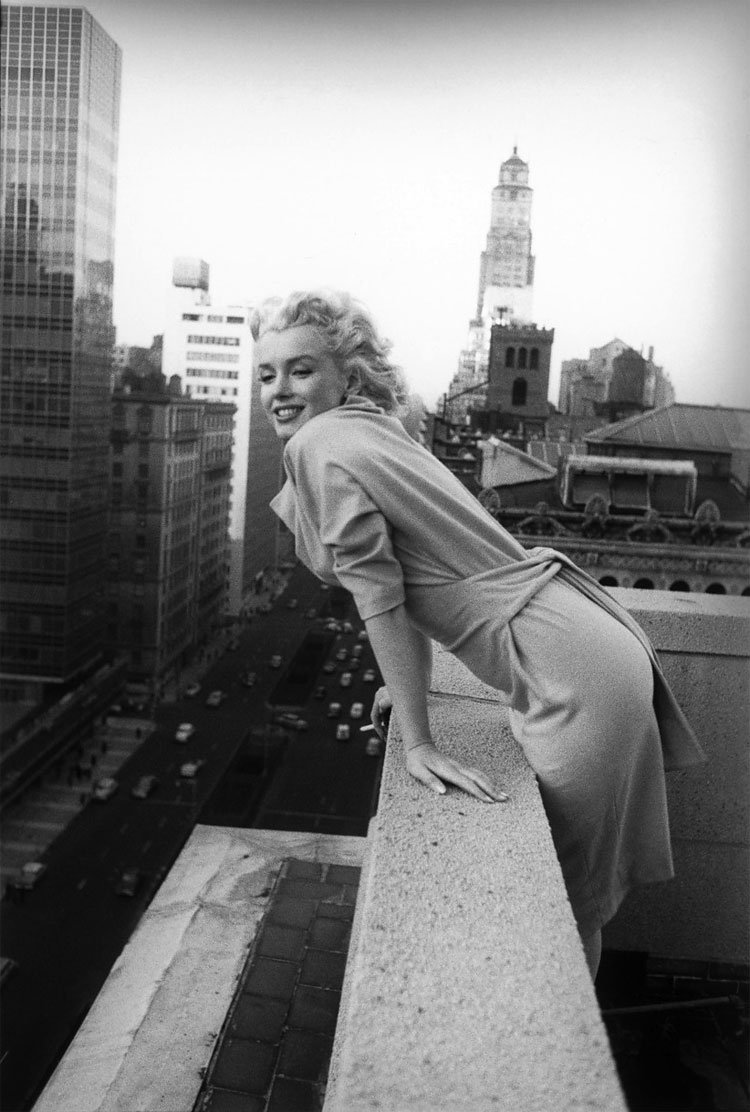
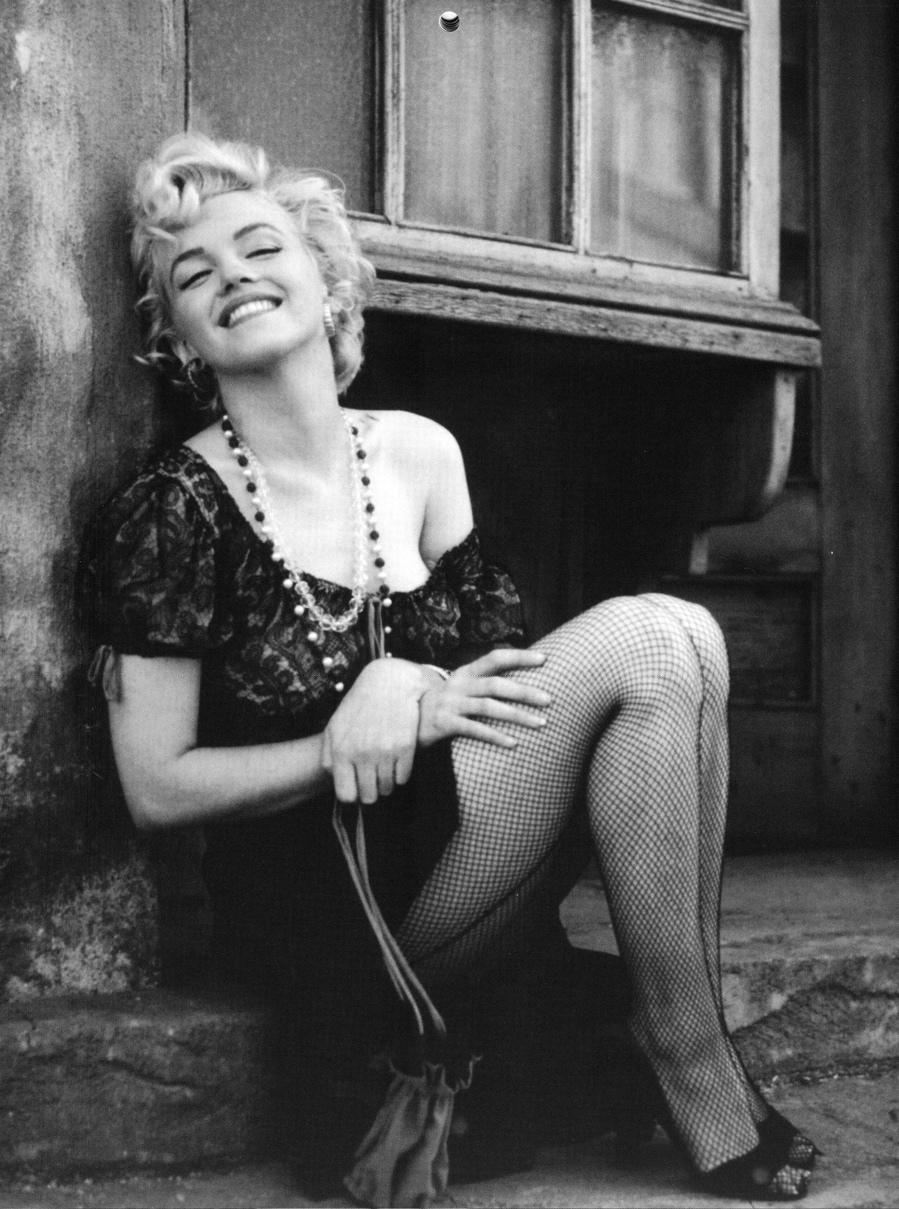
June 1: Happy Birthday Marilyn Monroe

Mm flowers bert stern

“A sex symbol becomes a thing. I just hate to be a thing. But if I’m going to be a symbol of something I’d rather have it sex than some other things they’ve got symbols of.”  — Marilyn Monroe

Jack Garfein vividly remembers first seeing Marilyn Monroe in person. She was almost overwhelming to him. It wasn't just that she was gorgeous, there was something more — something expressed in her flesh that was both magical and moving. He remembered how she glowed, how she laughed and lived. When Jack talked about her, this intelligent, mischievous spirit, I thought of how Montgomery Clift recalled Marilyn.

Marilyn-Monroe-in-New-York-by-Ed-Feingersh-1955

“She listens, wants, cares. I catch her laughing across a room and I bust up. Every pore of that lovely translucent skin is alive, open every moment-even though this world could make her vulnerable to being hurt. I would rather work with her than any other actress. I adore her.”  

Marilynmonroesmile

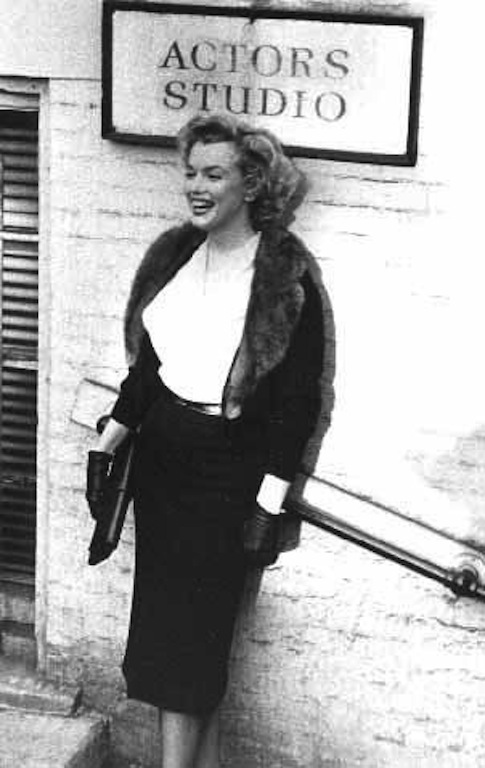
Jack met Marilyn when she was in New York City during the time she was  studying with Lee Strasberg at the Actors Studio. He saw her walk into a party. Everyone saw her walk into that party. Elia Kazan introduced them. (Jack would later work with Marilyn's ex husband, Arthur Miller, producing two of his plays, The Price and The American Clock.)  Deeply attracted, he also deeply respected her — her acting talent and potential, her power in front of the camera and just her beguiling way. A friendship developed.

Marilyn actors studio

I became friends with Jack after I was honored to present his two brilliant pictures, Something Wild and The Strange One, at Telluride in 2012. He'll be turning 84 in July and he's still one of the most liberal-minded men I've ever met. So full of life and so free-thinking, Jack is warm, wise, bracing, funny and incredibly empathetic. I understand why Marilyn liked him so much. He got her. Or, at least, he tried to. 

Tumblr_m8y7jt7b5a1r2t5pso1_1280

Nothing happened between them (Jack was married to actress Carroll Baker at the time) but he was clearly smitten and still is. To him, Marilyn was a good person, a woman who took her craft seriously and a woman who thought her sexuality was often funny, and certainly nothing to be ashamed of. After Telluride, Jack spent some time in Los Angeles and we discussed many things — his career, his life, his art (and art and life), people… And then he told me this story about Marilyn. I love this story. Happy Birthday, Marilyn. 

Jack Garfein on Marilyn Monroe from Kim Morgan on Vimeo.

The Hateful Eight Live Read

0c3f0efd-e340-4594-b597-ba47fbbb28ae
“Starting to see pictures, ain’t ya?” — Major Marquis Warren

Without seeing a shot of it, not one spectacular sweeping frame, not one lovely snow-covered panorama, not one majestic vision of horses, “rip snorting through the bottom of the landscape,” I got it. I got it on stage with chairs and actors and pantomimed guns and imagined stagecoaches and blue coffee pots laced with poison. Quentin Tarantino is (hopefully) gonna shoot the hell out of his newest script, The Hateful Eight, and, importantly, in “big super CINEMASCOPE 70MM filmed gloriousness.” Those are Tarantino’s words, spoken directly from his script; words he repeats with a giddy exultation of cine-love that becomes both exciting and funnier the more you hear him say it. We see it in our mind’s eye and we truly understand it: super CINEMASCOPE 70 mm is fucking glorious.

680x478-400x230

But will he direct it? That was the lingering question after the script was leaked, Gawker media was sued for copyright infringement (the suit has since been dismissed, with Tarantino allowed to re-file by May 1st) and Tarantino decided to do something unprecedented – perform a live read of the script, on stage with actors, and for just one night. Those of us who watched Saturday witnessed something special, once-in-a-lifetime, but something we’ll hopefully view in… “big super CINEMASCOPE 70MM filmed gloriousness.” Tarantino said before that, after the script leak, he wouldn’t shoot it, that he would publish the work instead. And now we've heard he will shoot, this winter, and then… this one-night-only event. Oh, he better make this movie.

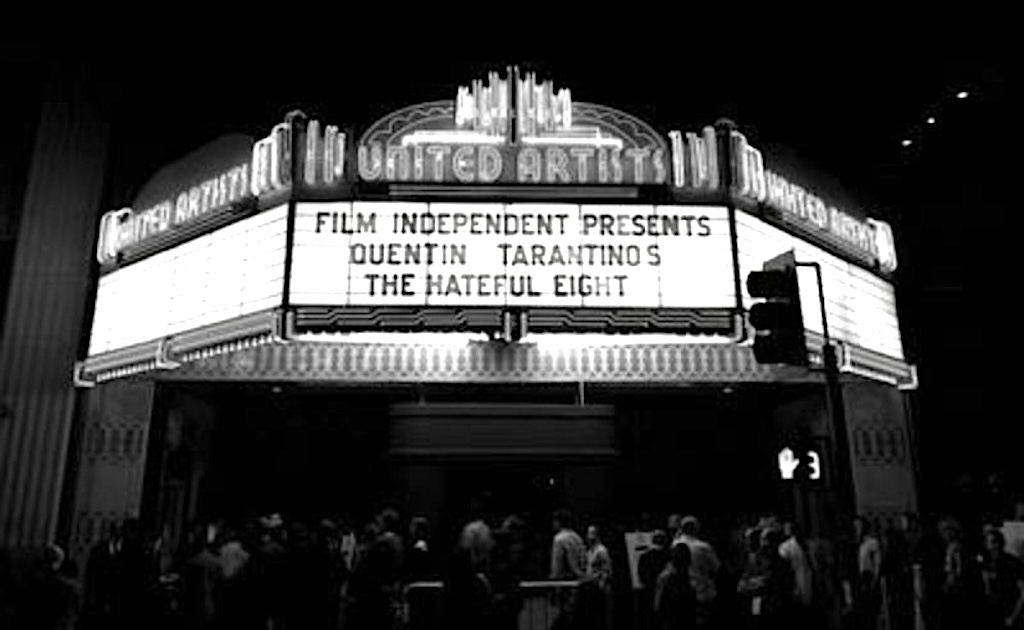
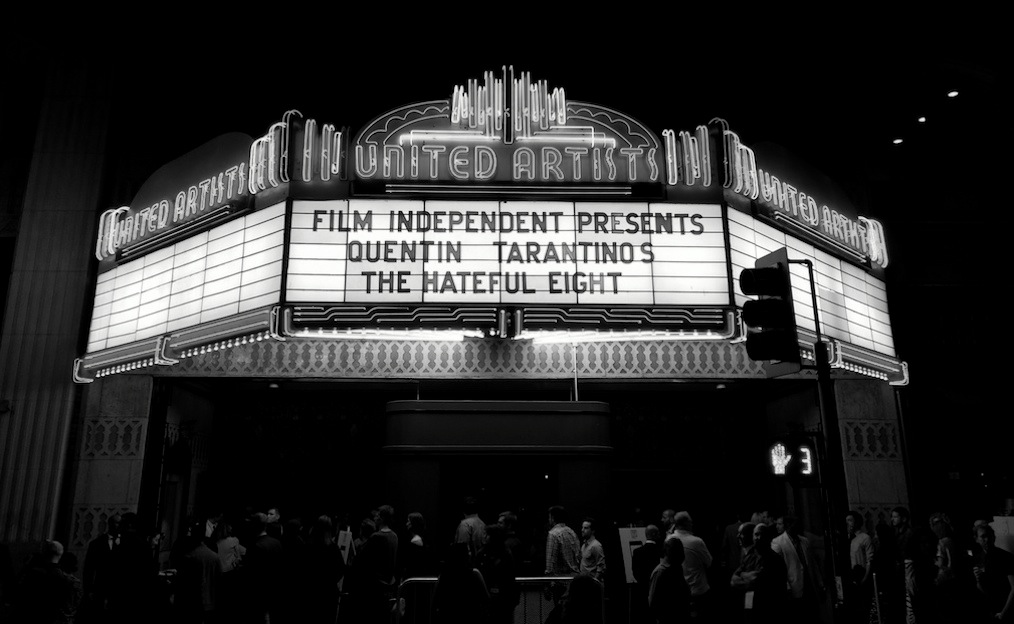
Taking the stage at the beautifully renovated downtown Los Angeles United Artists Theatre, a movie palace at the Ace Hotel on Broadway, Tarantino, clad in black cowboy shirt and black hat, announced to the eager audience how singular this event was. “This is the first draft,” he said. There will be changes, second and third drafts. One major change will be the script’s final chapter, titled “Black Night, White Hell.” He’s re-writing that. “This is the only time you’ll see this version,” he declared. Suddenly this all seems so intimate.

Sure, a person could have read the leaked first draft online, but sitting here on a Saturday night after walking from your downtown parking spot, leaving your cell phone in the trunk of your car and working your way through the throng of attendees who are keeping to themselves, searching for their seats or ogling others (people were so loud returning from the intermission, Tarantino had to tell them to keep it down), it’s an entirely different experience. Tarantino is in control of this read – and it’s so physical and direct. You are inside of his process. They’ve only rehearsed a few days, but they got it.

2a1b5c37-ca32-4172-a4ca-2ca1e7842b7f

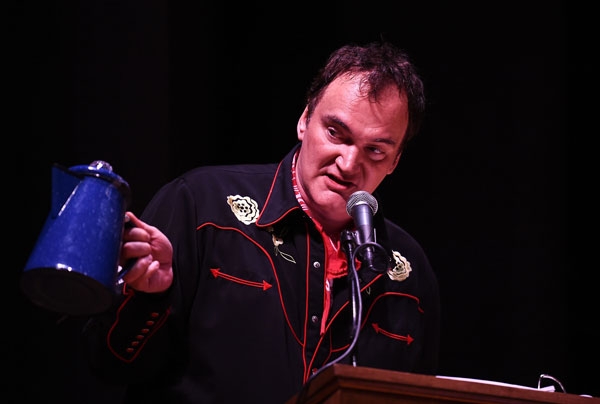
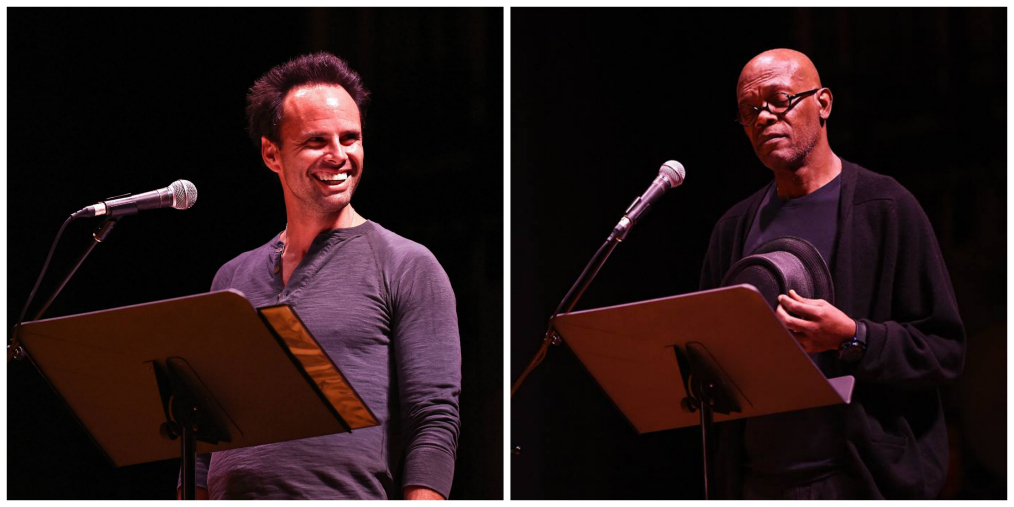
The writer-director himself read from his pages, passionately imparting to us his intended camera moves, coolly raising a coffee pot for occasionally mimed pouring. And then the actors: Kurt Russell, James Parks, Amber Tamblyn, Walton Goggins, Denis Ménochet, Tim Roth, Bruce Dern, Michael Madsen, Dana Gourrier, Zoë Bell, James Remar and Sameul L. Jackson. This is exciting.

Hateful eight 1

The story, briefly: Set sometime after the Civil War, we’ve got bounty hunter John Ruth (Russell), his “N” word-spewing prisoner Daisy Domergue (Tamblyn — ode to Howard Hughes' Howard Huges' protégé, actress Faith Domergue?), bounty hunter, former Union Cavalry officer Major Marquis Warren (Jackson — ode to western writer, producer, director Charles Marquis Warren?), and Red Rock sheriff Chris Mannix (Goggins).

They stop off at Minnie’s Haberdashery (with their stagecoach driver, played by James Parks) and are faced with a gallery of mixed nuts, of mysterious intent and geographically diverse origins (Roth, Ménochet, Madsen and Dern). Words are exchanged, ambiguities presented, revelations unveiled and, again, that goddamn blue coffee pot. (I grew to love that coffee pot and how QT would raise the thing – it became its own character).

Quentin blue coffee pot

Everyone’s blizzard-bound, and, as such, stage-bound, which is interesting given the “big super CINEMASCOPE 70MM filmed gloriousness.” But who says 70 mm should be strictly David Lean or Cleopatra? And clearly the script, as read by Tarantino, utilizes wide-open spaces, flashbacks set outside the haberdashery and a stagecoach traveling through snow. And a face in 70 mm close-up can be a thing of magnificence – think Joaquin Phoenix’s injured, feral mug in Paul Thomas Anderson’s The Master.

Walton-sam

And voices are cinematic too. Kurt Russell was intoning John Wayne here, which carried well from the stage, Amber Tamblyn delivered her lines with a hard-ass intensity, spitting out insults and assertions that put the viewer on edge (I kept thinking of the aptly named actress Quentin Dean, roughly announcing, “I’m PREGNANT!” in In the Heat of the Night) and then Tim Roth, who did “foppish” with an amused mellifluousness.

The standout, for me, was listening to the cantankerous, slow-talking voice of a hateful, racist Confederate General Bruce Dern scowling at that sonic powerhouse Samuel L. Jackson. When Jackson relays one of the script’s most provocative high points – that he not only killed Dern’s son, but had the young man perform fellatio on him – with pleasure — my mind lingered on the visual force of watching those two faces on the big screen. And then the subject at hand: Cocksucking, in “big super CINEMASCOPE 70MM filmed gloriousness.”

The script’s fittingly been compared to The Petrified Forest and Key Largo, and even Agatha Christie’s Ten Little Indians.

High_Voltage_(1929)_1

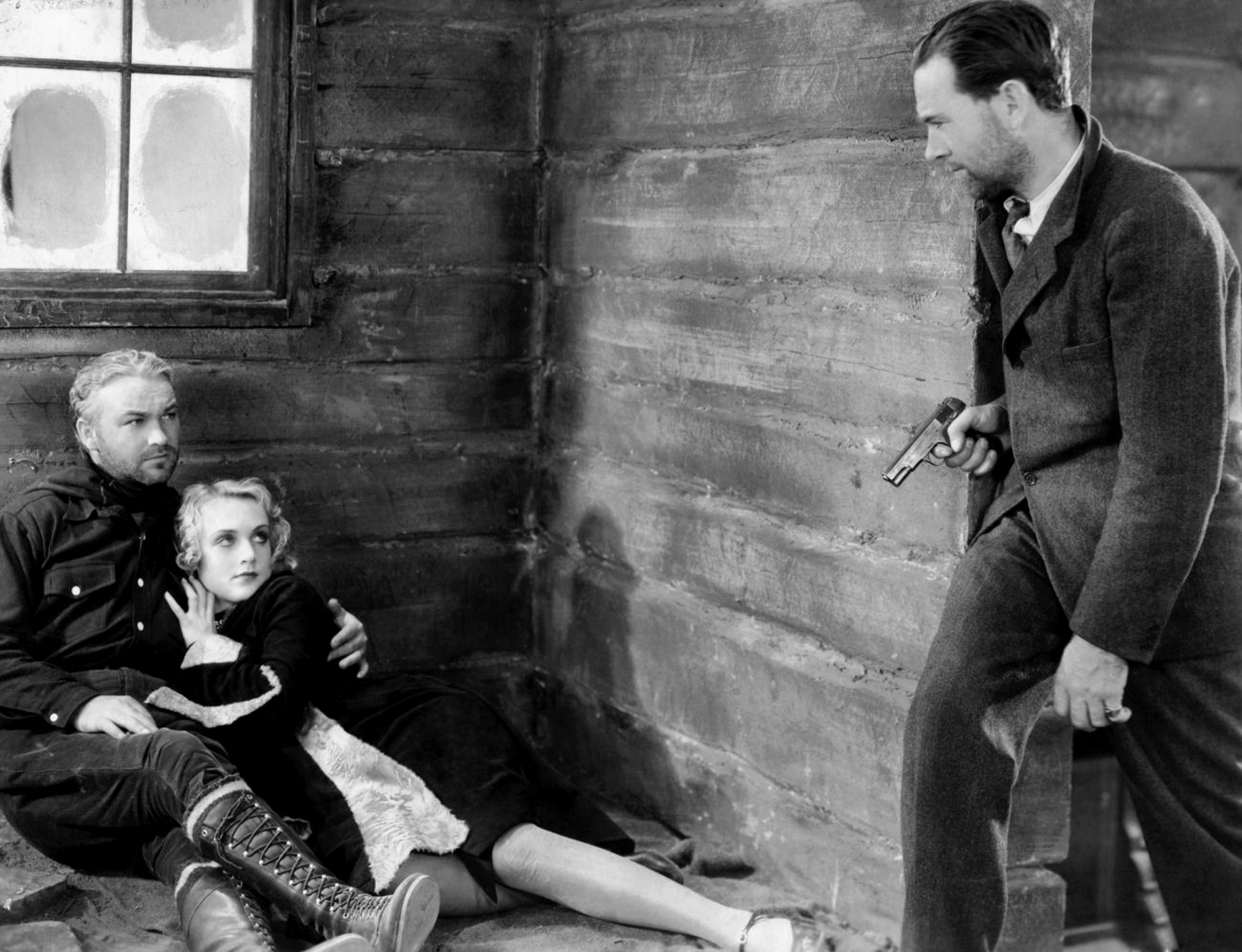
I see other works in there, like Tarantino's own, Reservoir Dogs, but also confined, pressure cooker pictures like Felix Feist’s The Threat (1949), Mervyn LeRoy’s Heat Lightening (1934) and Howard Higgins' High Voltage (1929), a movie recommended to me by a friend after I described the reading to him. (QT influence by proxy). The tense High Voltage features a group of also snow-bound bus passengers stranded in a church with their driver, a female prisoner (Carole Lombard) with her lawman keeper (Owen Moore) and a mysterious man (William Boyd) already hiding out, on the lam.

Cmcgraw the threat

High Voltage isn't  a perfect movie, and it’s not no where near exactly like The Hateful Eight, but the snowy spirit contains some similarities, even if Lombard never, ever drops an N bomb (a word used frequently in The Hateful Eight, which QT amusedly warned the audience of the first time it's uttered). Samuel L. Jackson would have livened up High Voltage movie enormously.Thank god he exists in cinema in general, and to be the stirring Lee Van Cleef-looking centerpiece of The Hateful Eight, much like the gravel voiced Charles McGraw's inspired ferociousness in The Threat. Do not mess with these men. Ever

Devi's 8

I’m not sure if Tarantino was thinking of any of these movies while writing his script (and the script is distinctly, terrifically pure Tarantino, right down to Kurt Russell instructing one to move "molasses like") but regardless, it further proves how Tarantino can drift you towards other movies, even if unintended (a wonderful thing).

For instance, there’s also Burt Topper’s entertaining, down and dirty, The Devil’s 8 (which I know Tarantino admires), a 1969 AIP picture starring the diverse crew of, among others, Christopher George, Ron Rifkin, Fabian, Cliff Osmond and, my favorite, Ralph Meeker. The similarities are really in title only, but dammit,Tarantino knows a great title.

And he knows a great motion picture. We saw it read, live, on stage, now let’s see it sweat and bleed and pulsate on the big screen in, of course, “big super CINEMASCOPE 70MM filmed gloriousness,” grateful to be hateful.