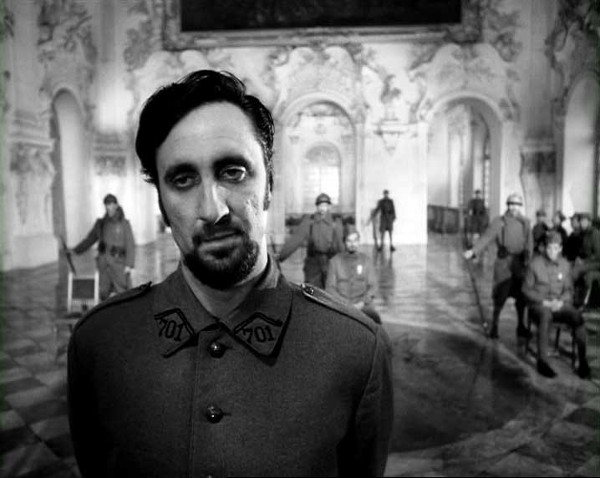
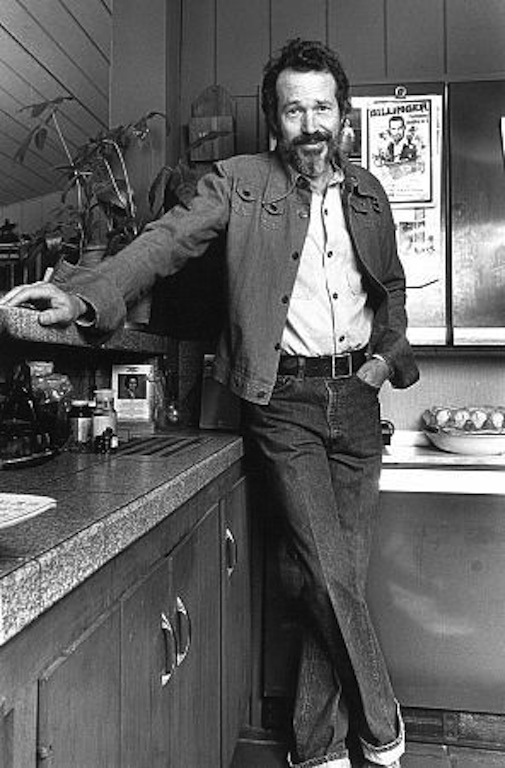
John Cassavetes’ Too Late Blues
6a00d83451cb7469e201bb09590570970d-800wi
Showing tonight at the New Beverly. John Casavetes' sublime, underrated "Too Late Blues."

“I am trying to show the inability of people to recognize that society is ridiculous. Hardly anyone obeys the mores, but they respect them. If they are exposed breaking the mores their lives can collapse. Our hero is not a coward, but in covering up this failure he destroys everything else that is important to him. A silly search for mores reduces the great, wonderful hero of the story into a cheap individual with no morals and ethics and no place to go.” – John Cassavetes on "Too Late Blues"
Toolateblues3

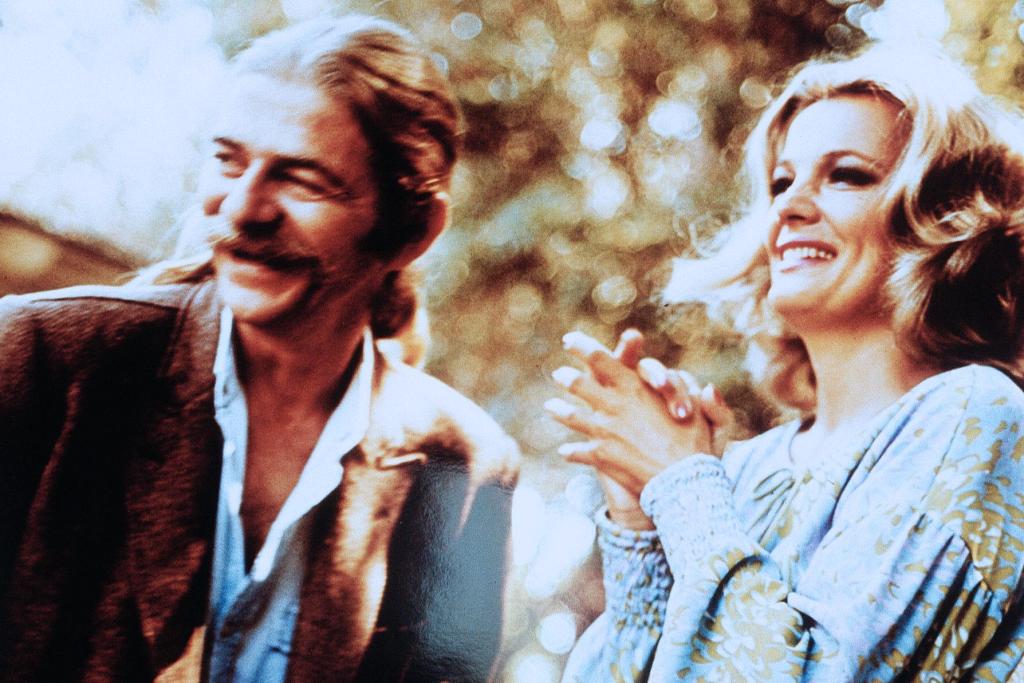
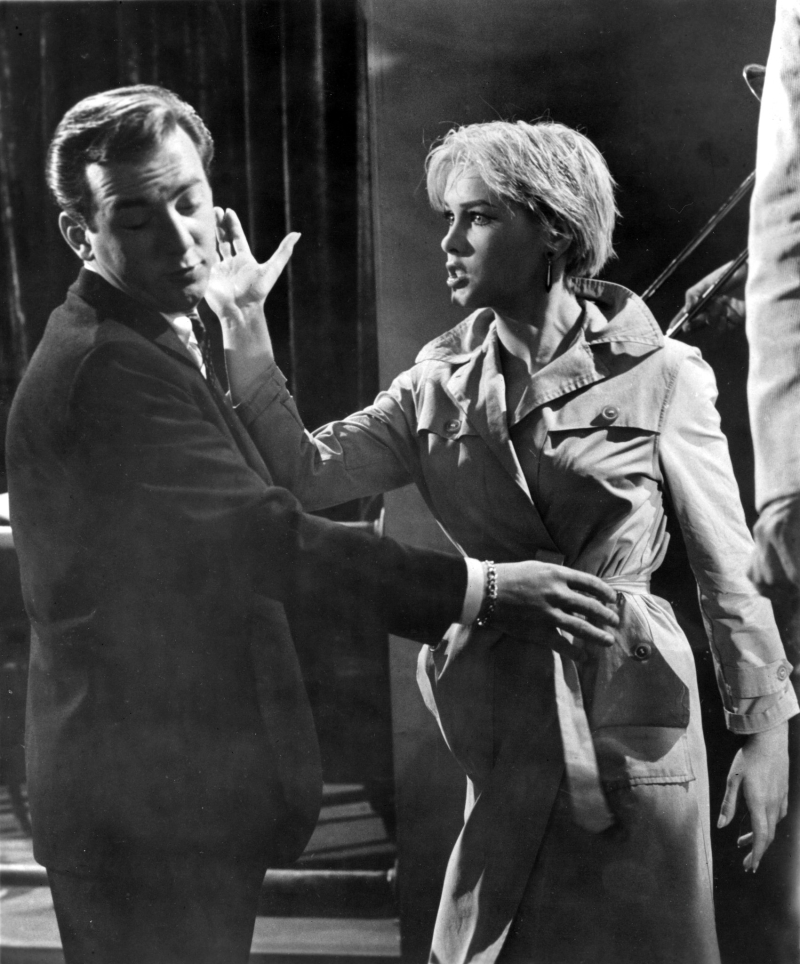
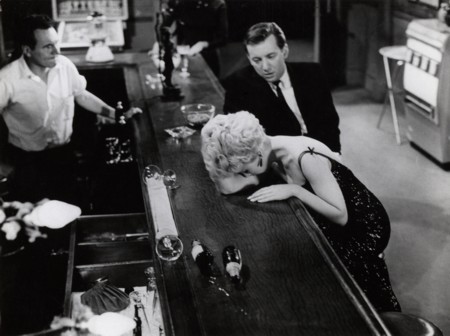
Everyone in Too Late Blues is miserable. And I mean miserable. That is in no way a condemnation of the picture, not at all, as this is a beautifully realized collection of melancholic musicians (also an agent, B-girls, a couple of bartenders and a touchy tough guy) who are depicted as humanely, compellingly miserable in a way that only John Cassavetes (who co-wrote, with Richard Carr, and produced and directed the picture) grooves on with his particular kind of dignity for the defeated. Some don’t know how miserable they are, they’re even laughing and exuberant at times, but we can feel it throughout the picture – it just hangs over these characters with their respected musical purity and perilous futures in a world that manages to grind down your purity and grind down your debasement (and yes, the world can grind down your sullying even more than you thought). Though none of these individuals are really trying to maintain a bright outlook since they know how life goes, they’ve been around. They’re also not ready to chuck away their dreams even when they go “commercial” (for a time). That should be a positive. It is. In an easier world. And so they walk from room to room, bar to bar, gig to gig, haunted. It’s no wonder the lead character’s name is Ghost (Bobby Darin) – his ego might ruin him to that fate – a potential phantom, a guy people talk about from the past, leaving stale smoke and circles on bars behind him while maybe, just maybe his real music will be playing somewhere, a memory. Or maybe he’ll make it his way. Cassavetes did (but by 1961, while he was directing this picture, he hadn’t yet), and one can’t help but see the anxious, questioning parallels between Ghost and Cassavetes.

Darin’s Ghost Wakefield is a mushy-faced jazz cat and some might argue he’s miscast. He’s not. His drive to keep his artistic integrity, no matter if his band complains about playing in parks to birds and trees, living off nothing, is portrayed with the drive of a guy with lots of talent, lots of charm, but a hell of a lot more insecurity than he’s letting on. Darin in real life was a mushy-faced singer with loads of talent and though he was popular, he always seemed a bit off-center, not quite as cool as he would have liked, but not as square either. In Too Late Blues Darin entirely gets the anger and ego of a guy with talent to burn playing dumps, fighting during recording sessions and dealing with scummy agents while trying to do what he loves. He’s seen this world before. You can tell. And he’s both poignant and completely unlikable all at once.
6a00d83451cb7469e201b8d23fccd4970c-800wi

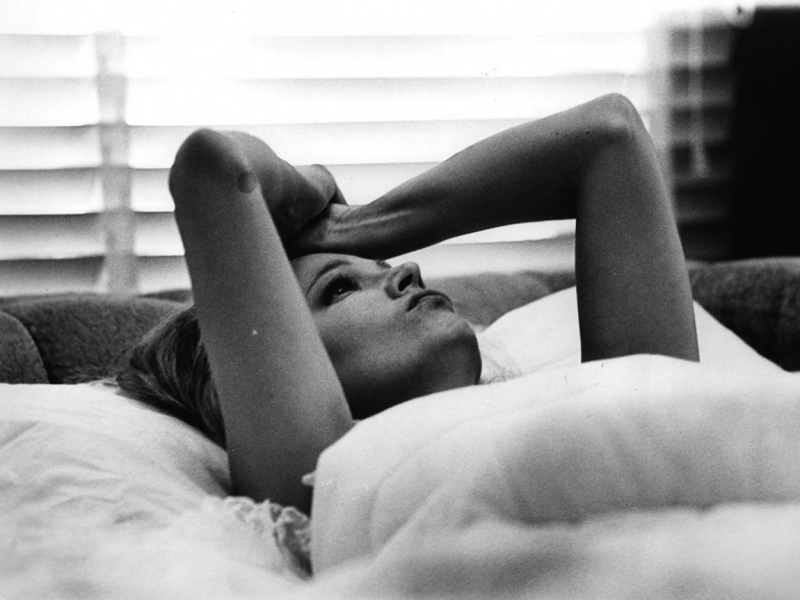
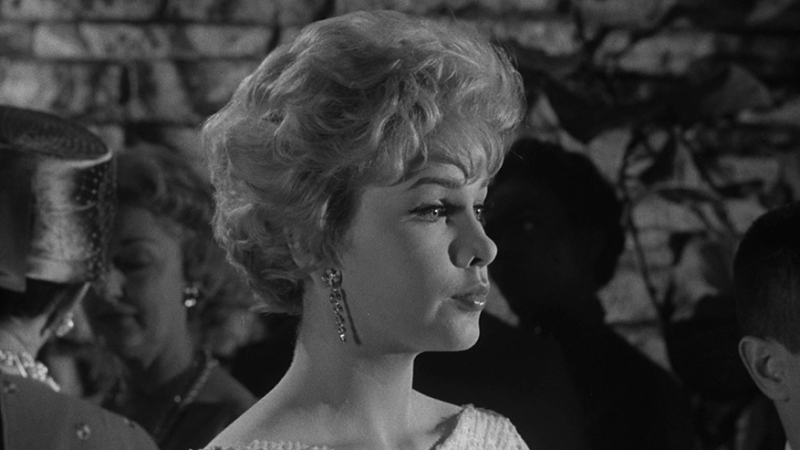
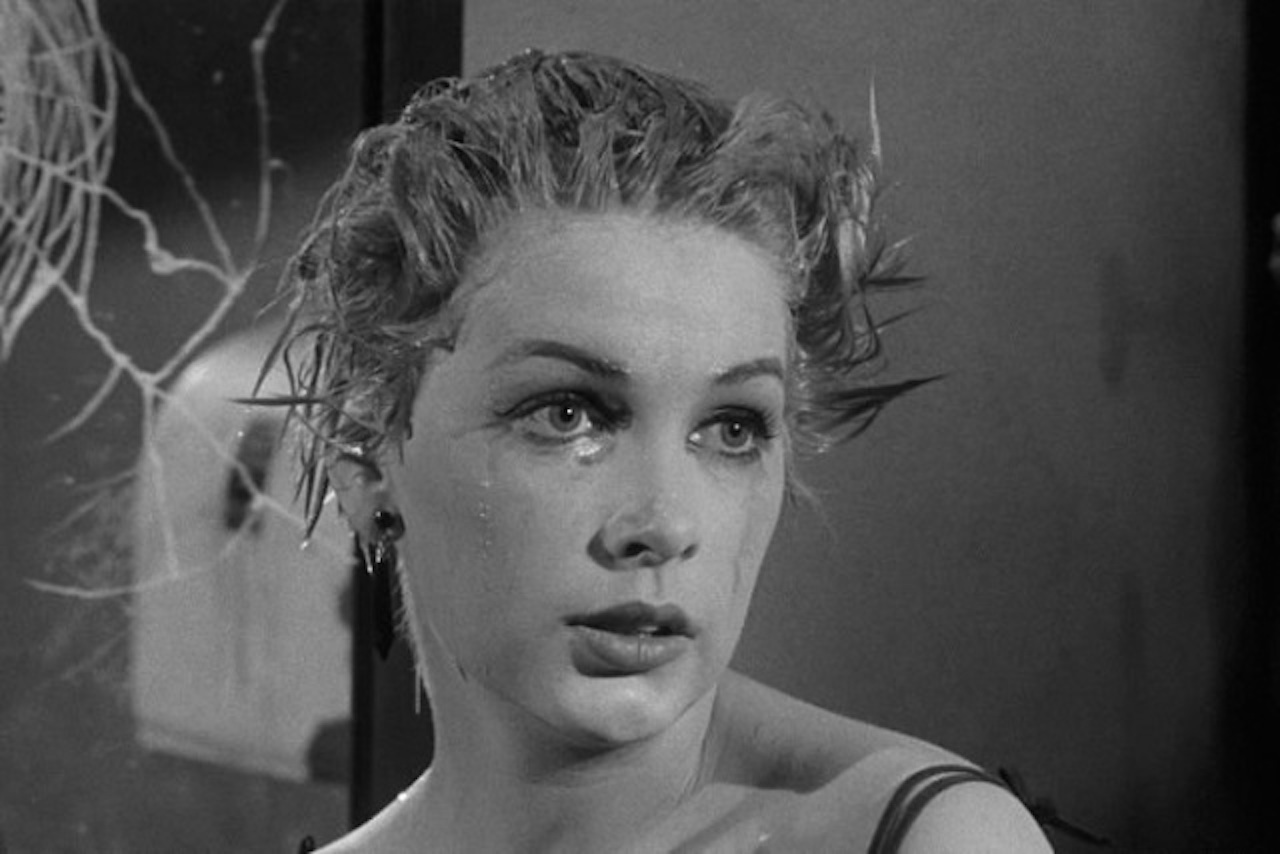
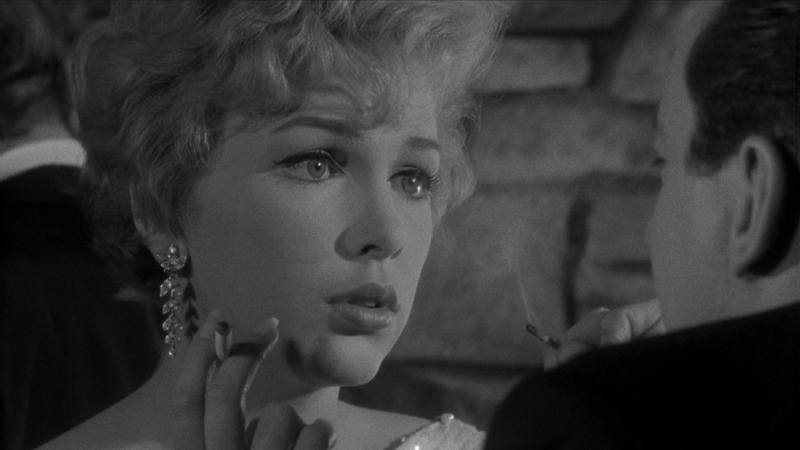
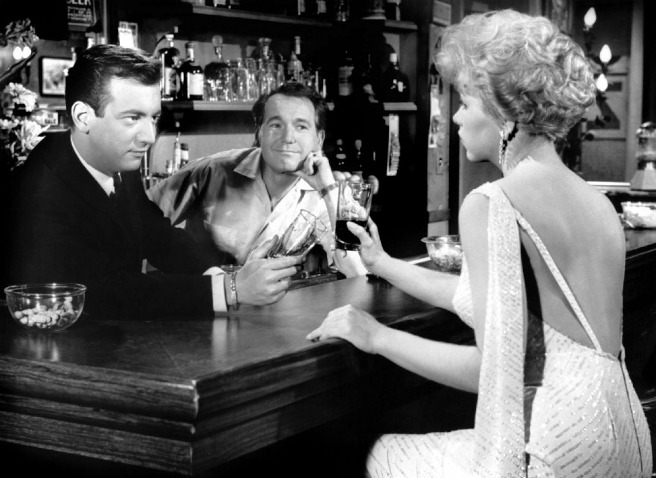
You can also tell that Stella Stevens (who plays Jess) the beleaguered B-girl and singer, has seen some sleazy situations in her time. Fresh off her Playboy 1960 Centerfold and just a few films roles she floats into the picture a petrified beautiful bird, nervously scatting with a seasoned jazz pro and ends it a suicidal wet-haired feral cat, once again singing in her wordless, almost disturbing near incantations. She’s heartbreaking – a broken young woman who has been so used, she can slip from quiet, contemplative junkie (without ever shooting up – her character just oozes opiate addiction and trauma) to drunk and boisterous to runny-eye-makeup, furious good time girl. She’s acting a part when she’s out hooking sliding right into the role men want her to be, but when she’s faced with actually loving someone (in this case, Ghost) she’s an emotional wreck. She’s also so vulnerable that one contemptuous moment from Ghost and she’s gone. She sleeps with his musician friend who is, as she says, bigger than him. She repeats this with emphasis so you get that she doesn’t just mean taller.
Cassavetes-too-late-blues-4

And yet, the film never judges her. Cassavetes is so understanding of this kind of woman that the picture feels downright radical in that regard. She’s not just a whore – she’s not even sure what she is – and that’s sad, not ugly. And Ghost (who will become kept himself by a rich woman playing music just for the scratch) well, what right does he have to judge? Ghost may represent the movie’s mixed idealism and egoism of holding onto your vision, but Stevens is its vulnerable center. She’s spinning from one place to another, even a baseball field, with all of these men swirling around her either telling her she’s worth something or distracting her from the purity of not just music (for she can sing) but of her own self. She is so down and depressed that her later, very physical meltdown in a bathroom is so shattering it almost takes you by surprise. We knew she was despondent and yet, she’s so brilliant in this moment, we are genuinely taken aback by just how despondent she really is. As Cassavetes reflected:  “I see women in bars, crazy girls who don’t want to be themselves and who don’t want to admit what they are. They’re difficult people. They’re hard to talk to. But to me they’re like a mother; awkward, pretty young girls.” He’d known these women. And, again, Stevens must have, too. She’d likely known these men.
6a00d83451cb7469e201b7c8b5f709970b-800wi

And Cassavetes knew about the struggle of working for dough. This was Cassavetes’ second picture after directing his groundbreaking, independent Shadows and starring in his “commercial” TV show, Johnny Staccato, and his first time directing under a studio (Paramount). He was allowed neither his casting choices with the leads (he wanted Montgomery Clift and his wife, Gena Rowlands) nor his preferred location (he wanted New York City, the film was shot and set in Los Angeles), but, according to Ray Carney’s ‘Cassavetes on Cassavetes,’ he felt some optimism bringing most of his trusted friends and crew along: Shadows cast members Seymour Cassel, Cliff Carnell, Rupert Crosse and Marilyn Clark; Johnny Staccato actors Val Avery and Everett Chambers; American Academy of Dramatic Arts alums like Bill Stafford, James Joyce and Vince Edwards. Both his co-scripter and his cameraman (Lionel Lindon, a veteran who also shot for John Frankenheimer, including The Young Savages, All Fall Down and The Manchurian Candidate) worked on Johnny Staccato. He was given freedom in spite of some stipulations, and he worked beautifully with his cast and musicians (Shelly Manne, Red Mitchell, Jimmy Rowles, Benny Carter, Uan Rasey, Milt Bernhart a score by David Raskin, and Slim Gaillard shows up in the film as well).
6a00d83451cb7469e201b7c8b5f773970b-800wi

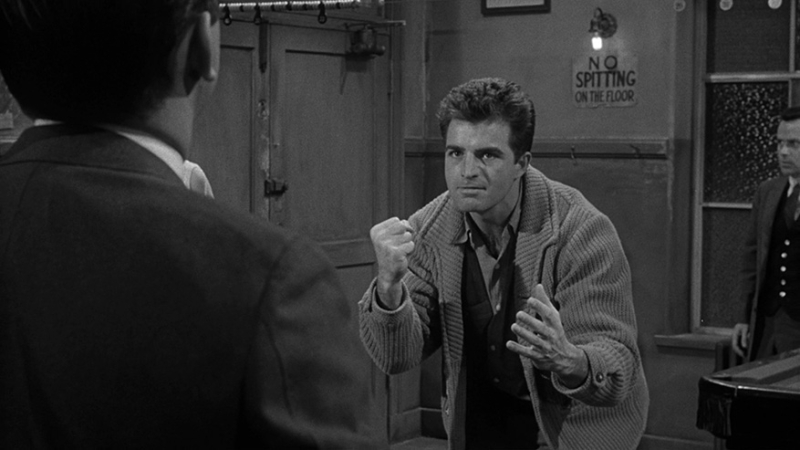
The picture is also gorgeously shot, the black and white cinematography giving us a life where men and women live, play, fight and drink by night, only to look strangely awkward in the daylight (Ghost remarks how beautiful Jess looks in the sunlight partly because she’s never in the sunlight). Though it has less the ragged experimentalism of Shadows, the composition and interiors and the lack of an actual street life (it’s just a lot of darkness out there, or a depressing pool lighting up the outside of Jess’ pad) powerfully conveys the claustrophobia of club life. One second it’s fun and dancing, the next it’s Vince Edwards punching and screaming about needles in pockets, hollering about dope fiends. Everything feels entombed and perilous all at once. Never mind how anyone breaks through this life, how does anyone breakthrough this room? The picture is something near a masterpiece.
Too-Late-Blues-1961

But, never mind all that. Like Ghost compromising his 100 percent artistic vision, Cassavetes wasn’t happy with the end result. He didn’t get the edit he wanted (and that edit would have been interesting, likely greater than this one). The movie didn’t do well and some of those ready to attack him for going commercial jumped on him. He wound up making another picture for Paramount that proved even more upsetting (A Child Is Waiting) and would eventually make one of his finest films, Faces.


As Cassavetes said about working with the studio: “All I care about is making a movie I believe in. Everyone else in the room with me, they’re concerned with figures rather than people and emotions. They only care about money. There are no artists in the room with me, only bankers. I’m all alone.”

Making art just for money? Compromise? Thankfully, Cassavetes created his own kind of career so he wouldn’t have to. But, Too Late Blues’ Ghost? He might get the group back together and go places. Other than that, he’s miserable. Miserable in a magnificent movie.
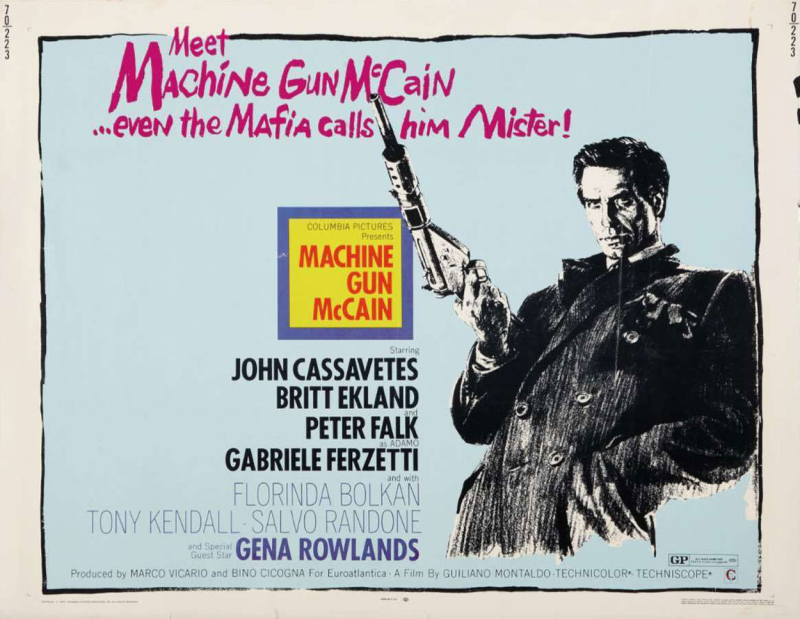
Cassavetes In Machine Gun McCain

6a00d83451cb7469e201bb0957468f970d-800wi

An excerpt from my piece on John Cassavetes making Machine Gun McCain magnificent.  Playing tonight at the New Beverly. Read the entire piece here

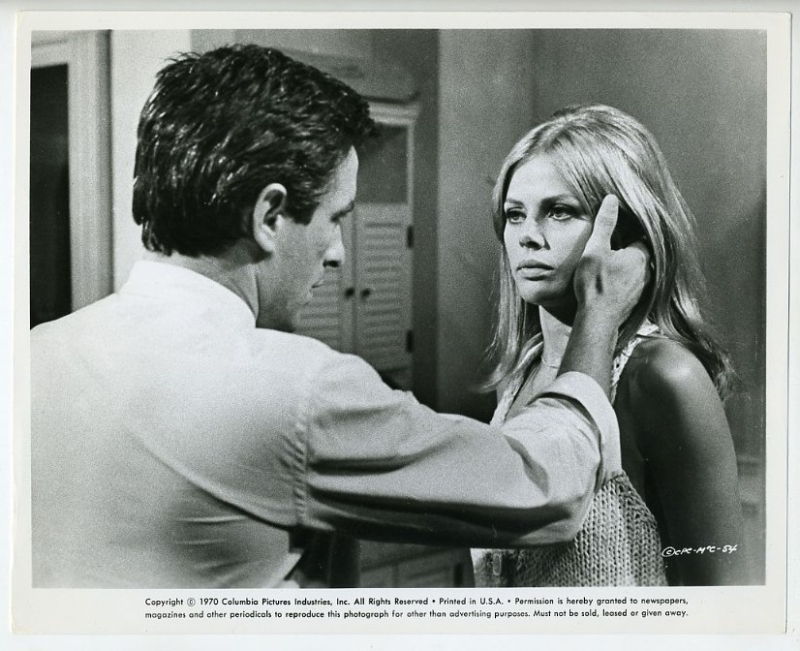
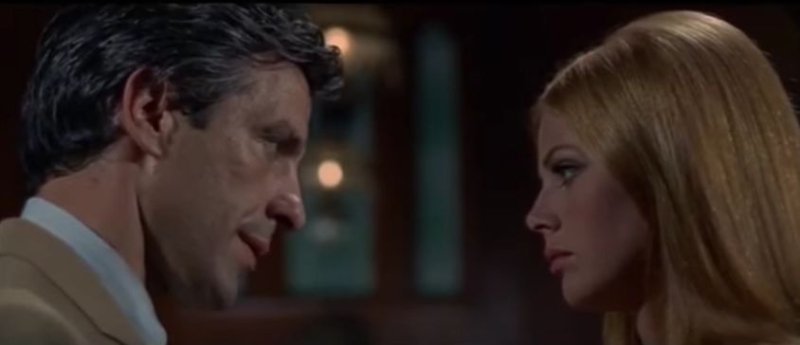
The way John Cassavetes seduces Britt Ekland in Giuliano Montaldo’s Machine Gun McCain is a three-minute Master Class in multi-faceted acting – multi-faceted acting in a potentially stupid scene.

6a00d83451cb7469e201b8d23e0b79970c-800wi

Cassavetes plays Hank McCain, a tough, mysterious bank robber newly released from prison, out on the town alone, hungry for company; hungry for something (in one scene, he’s hungry for a hot dog, which he enjoys like a guy fresh from the joint: “Looks like you haven’t seen one of these in years” the hot dog vendor says. Cassavetes looks back annoyed). He skulks around the San Francisco Red Light district circa late 1960s with its enticing topless bars and sex shows, men milling about searching for a screw or a look, marquees blazing temptations like: “The Original Nude on the Swing, Hippie, Or a Fun Risqué Show!” He doesn’t look happy on this quest, more unsettled, uncomfortable. Not because he’s a square (a square he is not) but because that’s how a guy stuck in the slammer for over a decade would look and act upon release – uneasy, distrustful. You can see it on his face as he observes the changed world around him: He’s dissatisfied, lonely and a little awkward.

McCain 4
He walks into the bar promising that Nude on the Swing and immediately spies luscious Britt Ekland (Irene) at a table with two men. He wants her. The two men who do look like squares are sleazing on her (what else would they be doing?) and she appears disgusted. She excuses herself to the powder room while the two guys mutter “She got hang-ups or something?” Eyeing all of this, Cassavetes moves over to her seat at the bar, sits right between the two men and orders a scotch and soda. The men inform him the seat is taken but he ignores this and lights a smoke. Annoyed and amused (“What’s the matter? You that lonesome?” – he is), they move to a table where Irene returns. What does Cassavetes do? He once again moves, pausing and standing for a moment, before sitting down right at their table directly across from Irene. He stares at her. It’s so intense he needn’t say anything. One guy rather oddly says, “You know a guy once followed me from Union Square all the way to North Beach? You know what he wanted? To sell me retirement properties!” The other says, angry, “Well, that’s not what this guy’s after, not by a long shot.” Spitting at Irene that she’s having a “turn on” for this weird, good-looking stranger, Cassavetes punch/ smacks the one guy and orders the other to stay put. He then mumbles, barely looking at his object of lust, “Come on. Let’s get out of here.” They leave, get in her car and look at each other. He says, “I’ve been in prison. 12 years. Armed robbery. I, uh, I’m looking for someone. I need someone.” They go to her place. Done.

6a00d83451cb7469e201bb0957469d970d-800wi

Why is this scene so good? Because, as stated, Cassavetes, that’s why. In another actor’s hands, it could have played simply studly – look at this big, bad criminal hooking in this hot mama. Score. There’s some of that unabashed cool here of course, but Cassavetes imbues the scene with enough longing and angst, even a kind of hatred for the drooling men (is this tough guy gallantry or self hatred?), that you roll with the instinct and curiosity of her going home with him. It helps that he looks like John Cassavetes and she’s whatever she’s supposed to be (she seems more miserable and lost than a good-time-girl), but the scene feels more interesting than that. Her rather clueless role in the movie is helped shaped by how good his acting is and by following his lead; he’s already defining how strange she is as his future accomplice. Even his potentially offensive rough lovemaking once they get down to it is more human than anything else: aggressive and scary, hungry and vulnerable, weird and real. Cassavetes moves through these varied states throughout the movie – a lone wolf, but a man in some kind of existential dilemma, fighting to maintain his own self in a fucked-up world. And, as cool as he is, he’s not gonna win that fight.

Read my entire piece here

Celluloid Heroes: Minnie and Moskowitz

6a00d83451cb7469e201b7c8b0bd04970b-800wi

Here's an excerpt from my piece John Cassavetes' romantic, poignant, emotionally volatile and movie-drenched, "Minnie and Moskowitz," playing this Saturday at the New Beverly.  Read the entire piece here. And don't miss it at on the big screen in beautiful 35 MM at the New Beverly, Nov. 19 at midnight.

“I wish my life was a non-stop Hollywood movie show. A fantasy world of celluloid villains and heroes. Because celluloid heroes never feel any pain and celluloid heroes never really die.” – The Kinks, “Celluloid Heroes”

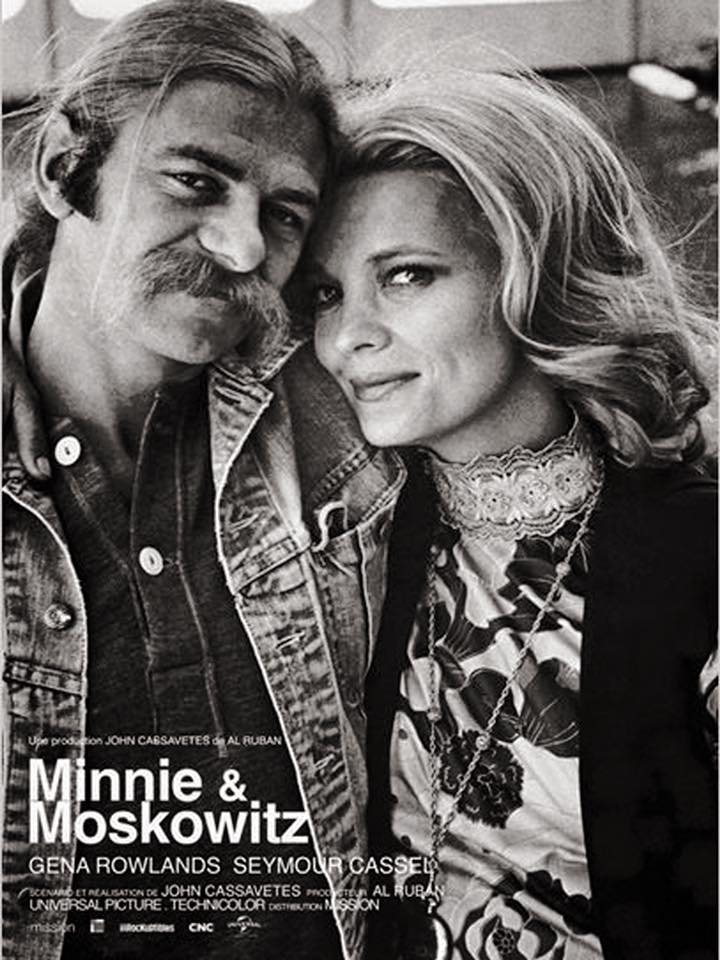
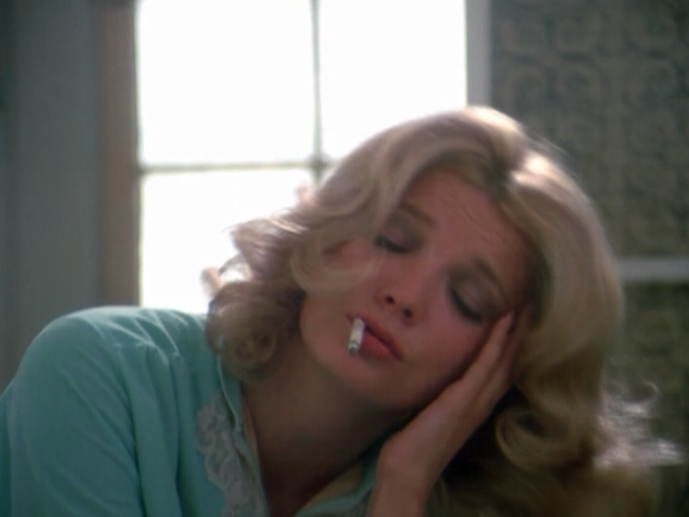
Movies set you up. That’s what movie lover Minnie Moore (Gena Rowlands) emphatically states to her older friend and co-worker, Florence (Elsie Ames), after the two women spend an evening out watching Casablanca. They drink wine in Florence’s dark little apartment and they talk; they talk like realwomen. It’s a disarmingly frank discussion between a much older woman with a younger woman about sex, men, doing what they can to please men (who seem to want everything from them, their heart, their soul, as Minnie states, only to learn men really don’t want it when they finally get it), loneliness and… movies. And yet, that “set up,” that fantasy, hangs over Minnie and Moskowitz in a complicated manner that neither damns the siren call of cinema nor negates their delusional pull. Perhaps we need movies. Perhaps we need them to realize we don’t need to believe in them? Perhaps to realize they’re often lovely, but often a lot of lovey bullshit? That’s how beautifully complex writer director John Cassavetes makes Minnie and Moskowitz  – it’s just not that simple. Nothing in the Cassavetes universe is that simple.

Image009

As Minnie says: “You know, I think that movies are a conspiracy. I mean it…. They are actually a conspiracy because they set you up, Florence. They set you up from the time you were a little kid. They set you up to believe in everything. They set you up to believe in ideals and strength and good guys and romance and of course, love. Love, Florence… So, you believe it. You go out. You start looking. Doesn’t happen and you keep looking…. There’s no Charles Boyer in my life, Florence. I never even met a Charles Boyer. I never met Clark Gable, I never met Humphrey Bogart. I never met any of them… They don’t exist, Florence. That’s the truth. But the movies set you up. They set you up and no matter how bright you are, you believe it. ”

Minnie’s monologue is a potent clarification within a movie full of movies, a movie in which characters go to the movies, talk about movies, even drive past movie marquees. And that the film, set in Hollywood, was a studio picture, a supposed “youth movie” (if Lew Wasserman had his way) and also, according to Cassavetes’ biographers, a movie inspired by the director’s own courtship with his real life wife Gena Rowlands. It’s both a valentine and a warning tale. Don’t believe all that movie mush but don’t deny your feelings either. Don’t harden. Don’t get cynical. Don’t shove it all away. Love is the thing, but how we get there is a frustrating almost violent struggle. It is not gorgeous, suave and smooth, like Charles Boyer; it’s embarrassing, volatile and weird, like Seymour Cassel.
 
The picture works as a subversion of the romantic movie and the screwball comedy in that the “opposites attract” story is layered with pain, alienation and often at times, violence. The beautiful, blonde museum worker, Minnie, in opposition to the scruffy, long-haired, unpredictable Seymour Moskowitz – a man whom she states straight to him, is not her romantic ideal – could not be any more different. But Seymour is not going to take no for an answer.  And that’s where the movie builds and spirals and literally screams into another realm – where the adorable troublemaker woman, Katharine Hepburn of Bringing Up Baby, will win Cary Grant by following him, nearly stalking him and perpetually putting him in peril, becomes the obnoxious almost unlikable man Seymour, who causes fights and arguments at every turn. A man we’re not sure about. Should Minnie even succumb to this guy? Is this healthy? I believe Cassavetes would say yes. After all it’s a version of him (and that marriage lasted until his death). But as a movie, we’re not so sure how this will end up, making it extra poignant and multidimensional. We’re happy they will feel happy, but… will it last?
 
Minnie
Well, who knows? And considering Rowlands’ Minnie has been contending with so many messed-up, oppressive and abusive suitors at least Seymour sticks up for her, clumsily, when the moments arise (and they arise a few times, sometimes, his own fault). When she returns home after her night with Florence, a man is in her apartment. That man turns out to be her married boyfriend Jim (played by Cassavetes), whom she thinks she loves. What does he do? He hits her and knocks her on the ground. Why? Because he’s jealous (he justifies his behavior with the “I love you so much I just get jealous” routine.) Of course he’ll go back to his wife (after his wife attempts suicide) and Minnie’s left both depressed and disgusted. Then, in a standout scene, there’s another man (in a complicated scenario, he’s an accidental date) who berates her after she says she’s not interested in him over lunch. In a funny, sad and acerbic moment with a magnificent Val Avery as the never-in-a-million-years potential partner, Minnie listens to all he can give her (he’s very aggressive and nervous about this) only to get hollered at upon rejection: “Blondes. What is it with you blondes? You all have some Swedish suicide impulse? Huh? I took a blonde to lunch once, next think you know she wanted me to kick her… Bleached blonde, 90 dollar a week worker. I just wanted to take you out! Give you an education! Show you there’s a little love and understanding left in the world!”
 
And that’s where Seymour steps in to save the day. You know, like in the movies. Sort of. He really starts driving poor Minnie insane, even when he takes her to Pink’s (there are so many wonderful Los Angeles details in this movie). Seymour has just freshly arrived in L.A. from New York where his dating life wasn’t exactly aces either. But we learn that he does have at least one thing in common with Minnie – he loves movies too. The picture begins with Seymour watching The Maltese Falcon and also having a conversation with a fellow loner, in this case a stranger in a diner played by the brilliantly bizarre Timothy Carey (who adored working with Cassavetes). Carey is the unforgettably named Morgan Morgan and in a magnificently manic, sweaty scene, talks and yells about a lot of things: Aging, the kind of women he likes, his wife’s death… and again, movies. Seymour asks: “You like movies? I just saw a movie called The Maltese Falcon. You ever see that?”

Morgan Morgan: “Uh-uh. I don’t care anything… I don’t know anything about cinema. I don’t like it. Bunch of lonely people, looking up. Forget about it.

Seymour: You don’t like Bogart?

Morgan Morgan: I only like one: Wallace Beery

See, even Morgan Morgan likes one movie star.

Read my entire piece here. And see the movie on beautiful 35MM at the New Beverly, Saturday at midnight.

Talking With Gena Rowlands, Legend

6a00d83451cb7469e201bb0951796e970d-800wi

From my interview published at The New Beverly Theater.

Actress, icon, mother and integral collaborator with husband John Cassavetes on some of the most important American films ever made, Gena Rowlands has been a guiding light in independent cinema for more than 50 years. I talked with the four-time Emmy, two-time Golden Globe and honorary Oscar winner ahead of November’s John Cassavetes Film Festival at the New Beverly

Kim Morgan: We are so happy and honored to have you come present at The New Beverly for this John Cassavetes retrospective.

Gena Rowlands: I’m very happy that’s it’s going to show there!

KM: As I re-watched all of these films (and I know people must say this to you all the time) but once again, I was really struck by how modern they are and still are today. And not only that your husband and collaborator, John Cassavetes, financed his films, but how he directed, the visuals, how he followed actors, how fluid the camera is, and then, how he will focus on or frame a face. You were with him from the very start of his directing career. Was this a natural fit for you right away?

GR: Yes! It started out as an independence with us, so that [we could make] things we were interested in. John would write them, I would act in them and all of the actor friends we enjoyed working with would be in them. It was really, quite easy. We just wanted to write and act what people actually say and do; people who are living. John and I were really on the same wavelength.

KM: In terms of acting and living, realty; I’ve read that John, in the beginning, was somewhat anti-method, that he appreciated actors from the method, but that that type of acting had become a bit outdated and mannered, and what you two were doing was something more real and natural …

GR: Well, I really think it’s mostly due to John’s wonderful talent. And he saw things in a very easy, protective way. Movies that are made by studios are different, or they were at the time we started especially. They were bigger, expensive and they have their own quality that’s fun…

KM: But you also both seem to have a love for older movie stars and different types or styles of acting as well, embracing, well, great acting.

GR: Oh, sure. We loved old movie stars! And Opening Night has Joan Blondell in it.

KM: And she’s so great in it…

GR: She’s one of my very favorites. l love her.

KM: In Shadows, you’re not in the film, but did you have any influence or watch the process?

6a00d83451cb7469e201b8d2384bb0970c-800wi

GR: No. I didn’t have any influence on Shadows. And not really as much involvement, which would seem natural because I was on stage at that time with Edward G. Robinson in Middle of the Night. He actually started Shadows with some of his acting buddies and it was totally theirs. It was their improvisations. After having done a lot of improvisation they decided to turn it into a movie. But I deserve no credit at all [laughs]. And I love that picture. The performances. But that’s the first one [with all improvising]. And then, after that, he wrote everything.

KM: You did a lot of early TV work as well. So many great actors, actors who show up in John’s movies, did TV work in addition to stage and movies… You, obviously, John, Ben Gazzara… was there anything from working in early television that you learned as well?

GR: You know, I’m not sure. If you liked to act you just go ahead and act. I know there are many people who feel there’s a certain kind of training that you should have like the method, and I have nothing against method actors, they’re terrific and most of my friends are method actors. But you don’t necessarily have to have training. You just have to love to do it.KM: With Faces, I love the characterizations. The movie and style breaks stereotypes so often seen in movies. You’re playing a prostitute but you’re not the hooker with the heart of gold, but you’re also not a negative character, you’re a human being, you have your own complications and difficulties and charms. Everything in that movie is so fresh and exciting. Did you really think, early on, that you were part of a new independent movement? Or starting one?

6a00d83451cb7469e201b7c8ae7bdc970b-800wi

GR: We actually didn’t think about it so much. We just did it the way we felt — that this is how the characters would act. Most of the credit should go to John because he’s the one who thought up all of these characters and made them the humans they were. And then he let us do what we wanted to. They were largely written, and yet, there was always room for improvisation. If suddenly something seemed reasonable to do and you did it, he was very easy with that.

KM: You are presenting two of his finest movies, and two of your finest performances, A Woman Under the Influence and Opening Night. A Woman Under the Influence always blows me away, always moves me. It’s so finely realized, so in tune with all of those small, unstable things people do when they are suffering – not just large gestures – though those come as well. Your facial expressions, your movements. I know it was tightly scripted, but how much of that was your doing?

GR: It’s my favorite role of all time because it was just so well written and it felt so real. I don’t know about the position and the movement… it just comes out of the character. And John gets all the credit.

Wominf3KM: But of course, you put so much into Mabel. There’s so many layers to this woman. A woman maybe wanting more out of life, just as her husband, Peter Falk’s Nick, is probably wanting more out of life. And he’s trying with her …

GR: You know, I loved the way Peter did his part. He was so patient with her. And you seldom see that understanding of someone who is not acting normal. And he was like how Peter is and was: He’s a gracious guy. You knew his character didn’t have any real sense of psychiatry and people having the kind of abnormalities that my character had and yet, he just understood it and was good about it. And I just love that about him and I loved that character.

KM: And he loves you in the movie. He so clearly loves you…

GR: Yes, he really does. He may not understand what she’s going through, but he does understand that he loves her and that was just wonderful.

KM: The scene on the couch. That must have been a hard scene for both of you to do?

GR: It was a tough scene. And I’m sure for Peter too because he had to hit me. You have to see things through the whole movie to realize this is not coming from a bully, this is coming from someone who loves you, and that you were going into something where you couldn’t totally handle yourself. I thought he did that terribly well. But that was a tough scene.

KM: I love the scene and line where you say, “I’m a warm person. I’m not one of those stiffs!” That’s a great line because, there’s no judgment, there’s no demonization… it’s true. She is!

GR: [Laughs] Yes! She is.

Woman-under-the-influence-02

KM: Another scene with this smaller detail that plays so powerfully is when you’re asking the women for the time while waiting for your kid’s school bus to arrive. I always think: “Would you please tell her the time?! What’s wrong with these women? Tell her the time!”

GR: [Laughs] Those are two women I went to school with! They were just good friends of mine and I said, “Hey, you guys want to walk by in this scene?” And they said, “What do we have to do?” Because they thought they had to act. And I said, “Nothing. I’ll say something and you do something and it’s just going to be a half a minute or something.” I thought it turned out pretty well. And we did have fun with it because nobody knew it was going to happen.

KM: I read an interview in which John said that men did make lives hard for women, but, also mothers can really program their daughters and sons, maybe as a result of fathers, too (not just to blame mothers) but to judge their children, or harshly critique their lives or behavior, and you see that in the movies…

GR: Yes. And yes, especially in A Woman Under the Influence. The mother there was played by John’s mother and she was a wonderful actress. She was totally perfect for that character. She’s not like that character, of course, she wasn’t like that character in person, but as an actress, she gave a true sense of how she felt about me, my character, and her son having married me, which she didn’t approve of… But we got along fine in real life. [Laughs]

6a00d83451cb7469e201b8d2384c41970c-800wi

KM: In Opening Night, this is a really complex study of what actresses are afraid to face in real life and on screen – aging. It’s unique too in that it intertwines that idea with real life and the subject of the play. It’s all blurring together. There’s a great line: “I seem to have lost the reality of the… reality.”

GR: Yes. It really appealed to me personally because it did show what happens to actresses and actors. They’re trying very hard to represent themselves on stage and, yet, they’re not young. They’re not just starting out. And they’ve been doing it quite a long time with a certain regard… and then, it gets harder to express it… I like the part where the young girl, Laura Johnson, is hit by the car, that it was so appalling and you could hardly think of going on after that. And that she was young, and looked fairly like I would have looked when I was young. I identified with her a lot in the movie. It was so complex. The whole movie was so complex. And I especially loved Joan Blondell. And she was also growing older.  A lot of the movie was about was getting older and not being able to depend on things you had depended on in your younger life.

KM: How did Joan Blondell take to John’s direction? She came from the old studio system so this must have been something relatively new for her?

GR: [Laughs] She was very funny. She’d say to me, “Wait a minute. Wait a minute. Are you through talking to me or are you still acting?” And I’d say, “I’m not quite sure myself!” [Laughs]. Considering that she had always acted in the traditional way, she was actually very open and easy to adjust to his direction. I thought she was very convincing and touching.

KM: Another interesting thing about Opening Night is your character Myrtle has a lot of enablers around her. But they are going to make her do that play, dammit! You’re literally falling before you get on stage, and you somehow make it through. And it’s a success. And largely because in the play, you are improvising to create it, as actors. What are your thoughts on Myrtle and that ending? It’s so open-ended.

GR: It was and you couldn’t quite see it coming, and yet, you could too, because the whole under-theme was, as you got older you were more of a loser. Whereas, just the opposite is true. If you last long enough, you didn’t lose. That last scene [in the play] was heavily improvised because we wanted to show that the characters realize that [they’re not losers] and they were damned if they were going to play it losing and sad. It wasn’t. It was a stimulating, wonderful thing to do because we both believed in it.

KM: I know you’ve said how much you loved Bette Davis, and I thought of her performances in two pictures about actresses aging, All About Eve and The Star. How influenced or just inspired were you by Bette Davis? I know you really liked her personally too…

GR: I did like her a lot! And I liked her from the moment I first saw her, when I was very young and I liked everything she did. In those days, women were sweet and nice and polite and they said the right thing. Not Bette! She was so independent and so believable to me that she inspired me enormously.

6a00d83451cb7469e201b8d2384c5b970c-800wi

KM: And she was fearless, she was not afraid of looking bad on screen or playing bad.

GR: That’s right! She was fearless.KM: Another movie I love is Minnie and Moskowitz. Again, so many poignant, rich moments. I love the scene where you’re talking with Florence about old movies –  that movies are a conspiracy and that you’ve never met a Charles Boyer or a Humphrey Bogart.  And that this scene is with the older Florence – you’re having a real conversation. I’ve never seen a scene like that in a movie even today.

GR: No, you don’t. And John wrote it. He wrote it and when I first read it I was surprised because you never see a young woman and an older woman talking about sex. And it was just so human the way those characters talked and how close they were. I liked that scene particularly too. And I love when she says, “The movie’s set you up.” [Laughs] Because the movies did set you up.

KM: And Seymour Cassel. He’s so physical in his love for you, hitting walls and the like, and you’re so physical in your initial resistance. It goes against a Charles Boyer, but then, in his own way, he’s so romantic…

2339858,yp+T7PMY5lKvdiJRNP2232rRcIxVh8A_S7N9IsWuz4QEwaEPZZrjpU+rJbihmueTTpJCTKIusJ0qmDEDRKo4WA==GR: Yes. He’s such a wonderful actor. And he really throws himself into things. In Faces, when he was jumping off the roof, he really did it.  And I bet they did that take twenty times. How he didn’t break his neck, I don’t know. But, somehow, you just knew he wasn’t going to. That’s the kind of actor he is.

KM: Other films showing in the series are Husbands, The Killing of a Chinese Bookie, Machine Gun McCain [directed by Giuliano Montaldo], Too Late Blues, The Night Holds Terror [directed by Andrew L. Stone]… What are your thoughts on some of these films?

GR: I love Husbands. I was very touched by that. Chinese Bookie was a little harder for me. I didn’t relate to it as much, I guess. [Laughs] John was very funny too. While they were shooting he said, “I’m not gonna finish this movie.” I said, ‘Why, John?” He said, “Because I can’t kill him.”

KM: And showing with Machine Gun McCain is the great Gloria

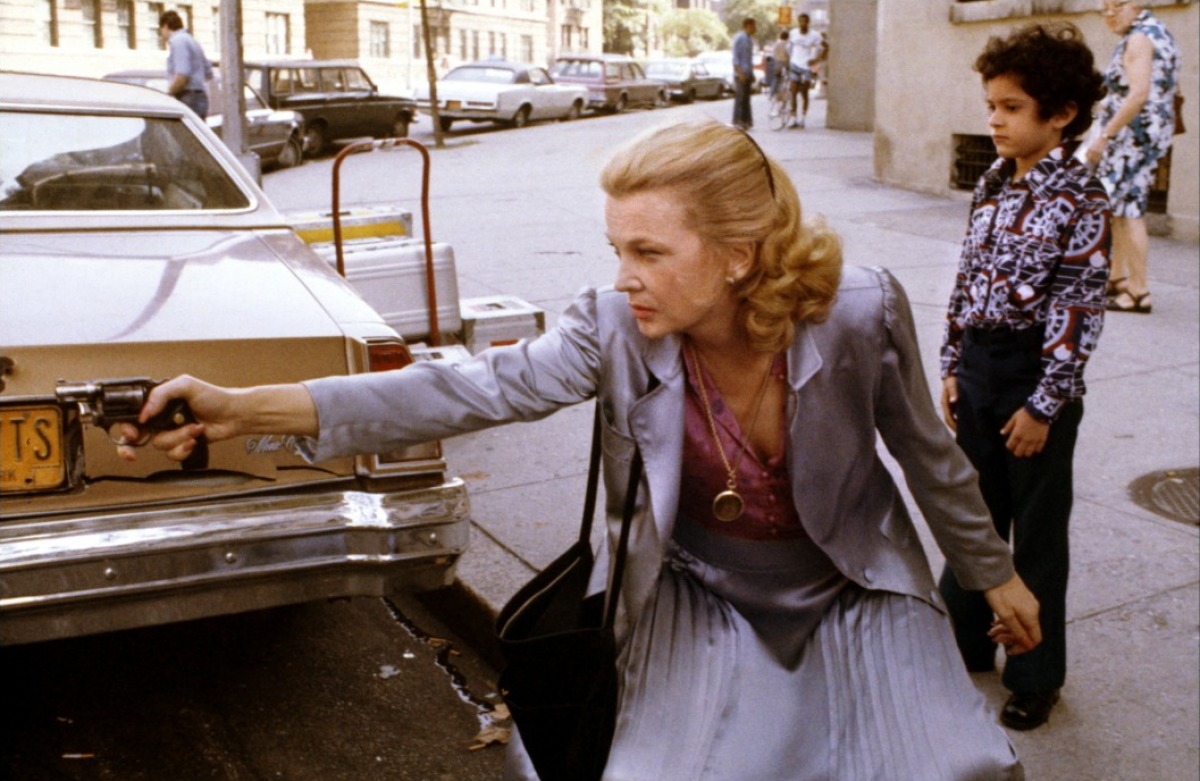
6949df061a2bf6c122b79af8612ca928GR: Gloria was not written for me. It was written for another actress [who couldn’t do it]. But I was deeply attracted to it and I thought that little boy, John Adames, was just marvelous. And it was such an interesting combination to me: To be playing a woman as tough as she was and she didn’t even like children when it starts out. It was really interesting to see how that maternal instinct will come through when you have a child who is in real danger. And I just popped off those bad guys — one, two, three! All in defense of the child. So she grew to love him very much by the end. I loved it.

KM:  And it really inspired a lot of later movies and was a pre-cursor to a lot of female action films…

GR: It sure was.

KM: With Too Late Blues, I read that John originally wanted Montgomery Clift and you to star in the film…

GR: Yes, I wasn’t in that movie. I was still on stage, doing Middle of the Nightwith Edward G. Robinson.

KM: What was he like to work with? What a brilliant actor he was…

GR: Oh, it was wonderful because he always played such mean devils in the movies and tough guys and he was such a gentleman. He was courtly, really. And such a wonderful actor. We played an awfully long time [the run of the play] because everyone in the world wanted to see Edward G. Robinson. They weren’t coming to see me! They wanted to see Edward G. Robinson. He was just magnificent.

KM: Filmmaking is obviously in your family’s blood – we’re showing your daughter Xan’s fantastic, historically important Z Channel: A Magnificent Obsession

GR: Good! Z Chanel is great! It is terrific.

KM: Your children have made some really fascinating, unique movies. We’re also showing your son Nick’s She’s So Lovely which you’re in. You’re also in your daughter Zoe’s Broken English. How is it working with your kids?

F6cd08e2298d26fdaa74bd31b51cdcefGR: [Laughs] It’s not hard at all, really. I don’t know why. Maybe it is because we have all the same blood. I’m not sure. It’s very easy to work with them.

KM: And you’re still doing interesting parts, making movies … you’re going to continue, right? I hope.

GR: Well, I think I’ve reached a certain point where probably I should retire. Because they don’t write really wonderful parts for older women. Very seldom do you see a good, juicy part.

KM: What was the best advice anyone ever gave you?

GR: From John. During A Woman Under the Influence, I wasn’t quite sure what he wanted in that scene where I really lose it. And I said, “John, I don’t want to disappoint you but I’m not quite sure how to do this. How? How would you want me to do this? How deeply do we go into this?” He said, “Gena, you read the script. You liked it. You liked your part.  You wanted to do it. Do it.” [Laughs]

Please watch the entire Cassavetes festival at the New Beverly and come out this Friday, for the double feature of A Woman Under the Influence and Opening Night. Gena Rowlands will be there in person! 

The Portentous Power of Shampoo

6a00d83451cb7469e201b7c8ad179e970b-800wi

“I go into that shop and they’re so great-looking. I do their hair. They feel and smell great. I’d be on the street at a stoplight, or go into an elevator. There’s a beautiful girl. I don’t know. That’s it. It makes my day. It makes me feel like I’m gonna live forever.”

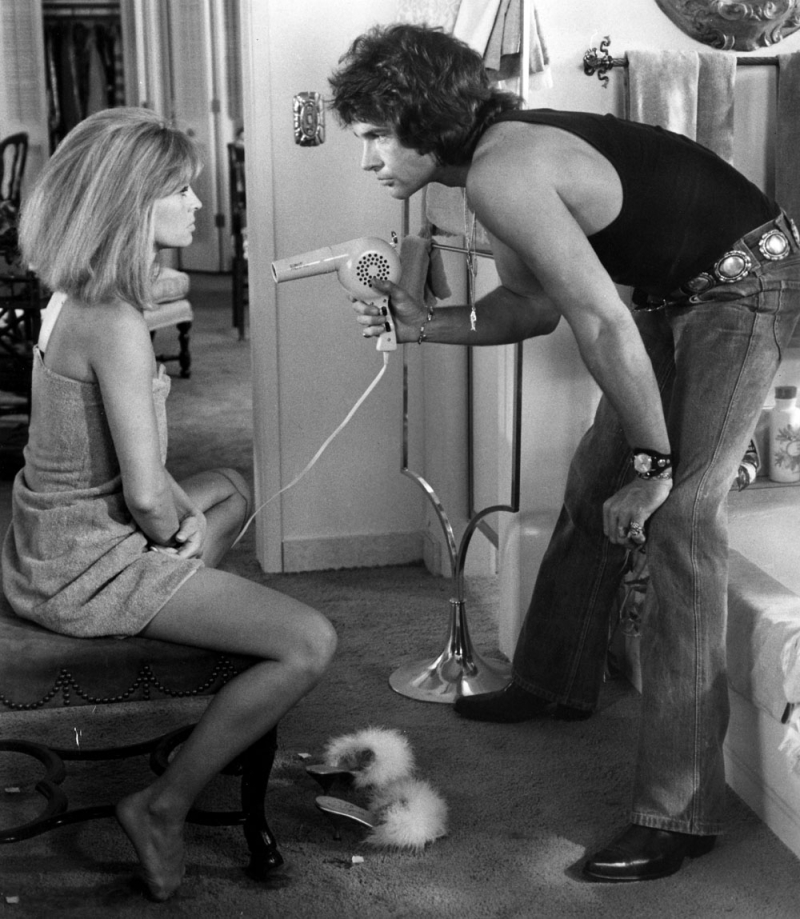
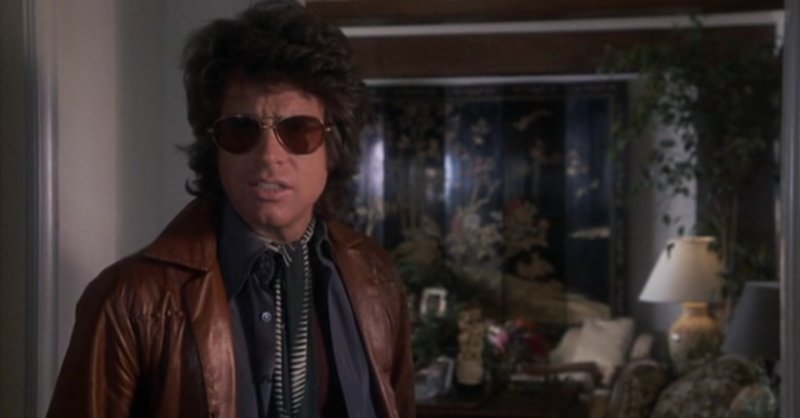
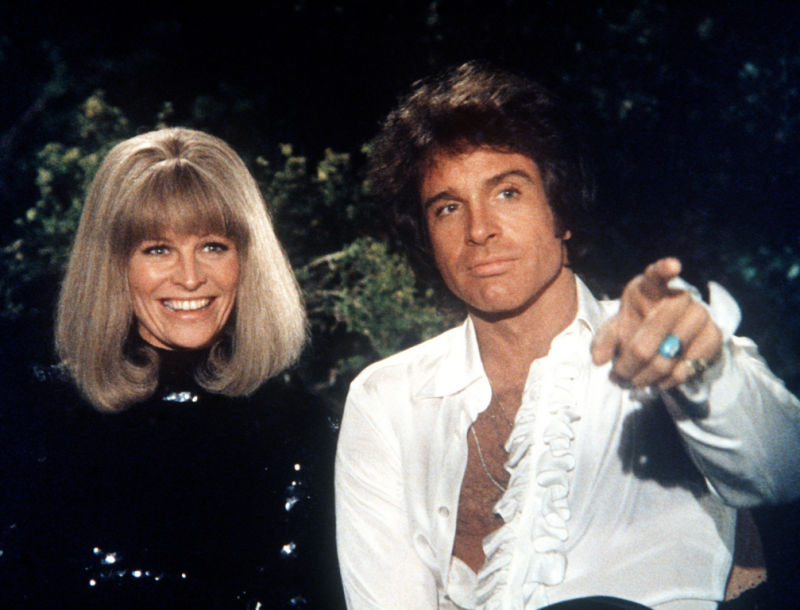
The most devastating moment in Shampoo comes when Warren Beatty sticks up for a “whore.” She’s not a whore. Or, really, as Beatty will say, everybody’s a whore. Who can judge and why say such things while, of all people, Richard Nixon is speaking on the television? Beatty issues his soft-hearted argument both gallantly and humanely while having no idea how destructive his defense will wind up at that moment. He’s just upset and visibly hurt (you can see it in his eyes – eyes full of a “why did you have to say that? Why did you have to go there?”) when the woman he actually loves, Jackie (Julie Christie), is deemed a nothing, just a pretty receptacle for sperm. He’s also defending himself – a bed-hopping Beverly Hills hairdresser and, really, the whole human race in this rotten cynical world. We’re all whores.

6a00d83451cb7469e201b8d236dba4970c-800wi

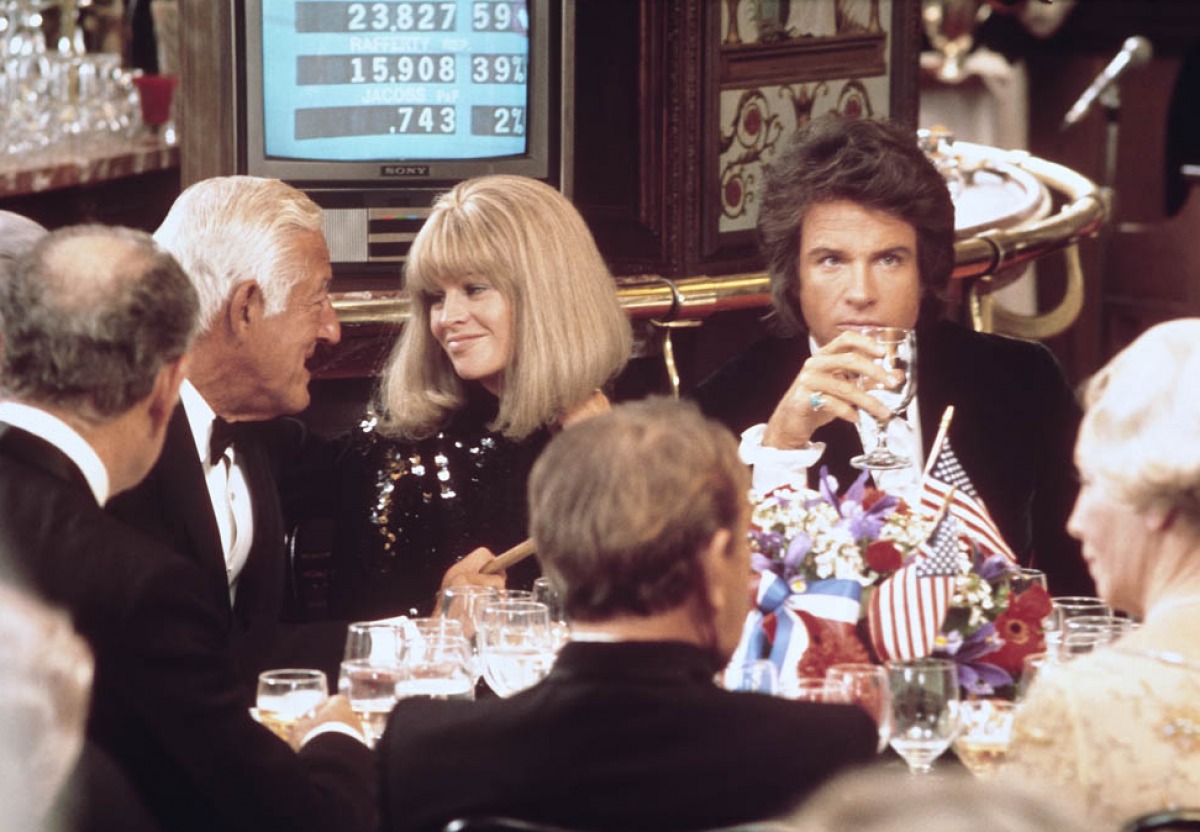
As Nixon yammers away on the tube, Beatty tells Jack Warden’s well-connected tycoon Lester that Jackie’s not just fucking him for his money; she likes him, soothing both Lester’s ego and existential quandary while defending Jackie’s honor. But his gallantry, as the Dick speaking (lying) on TV about an open administration will result in terrible consequences for Beatty’s George Roundy. Right there. In one scene. And with one nice comment: He’s losing his future with Jackie as Nixon wins the presidency. That’s dark as hell for obvious reasons, a major historical turning point (Nixon) but beyond that, there’s a feeling that George has stepped right into the abyss and that the world is not going to get easier for him. 1968 is nearly over. 1969 will be a tough year for America and for Los Angeles (and, if we are to believe one of the three real-life characters' George is based on – Jay Sebring – it’s especially tough for a beloved hairdresser). The 1970s are right around the corner –Inherent Vice Los Angeles – and George’s dread fills the room, only, he’s not entirely in touch with it yet. It’s brewing under that beautiful white shirt. Beatty, with a comic timing and unique depth all his own, that open-mouthed, open-eyed confusion, both sharply observant and oblivious, the gift of a great seducer where anyone can open up to him –  is brilliantly conveying all of these complexities, simply by listening and reacting:

Shampoo-1975-2

Lester: I don’t know anything anymore. But you never know. One minute, you’re here, the next… I just wish I knew what the hell I was living for.

(Nixon speaking on the television: A teenager held up the sign, “Bring Us Together” and that will be the great objective of this administration at the outset. To bring the American people together. This will be an open administration.)

Lester: You can lose it all, no matter who you are. Why have it all? Market went down points last week. Goddamn Lyndon Johnson! Maybe Nixon will be better. What’s the difference? They’re all a bunch of jerks.  I don’t know what to do with you. I don’t know what’s right or wrong. At least you do what you want. But me? Shit.

George: What about Jackie?

Lester: Never mind. She’s a whore. I go over, have drinks, get my gun off. I’m through with her. She’s a whore.

George: You could call everybody a whore. She really likes you. It’s not just the bread.

Lester: You think so?

George: Yes, I do.

6a00d83451cb7469e201b8d236dbca970c-800wi

It’s such a genuine, complex moment of sad sweetness on George’s part – his disturbance at Lester’s coarse language and cynicism – that the scene focuses a lot of what he’s been running away from (and towards), often comically, throughout the movie. A bad life. An ugly life. A wasted life. He runs towards women and beauty and hair (he really is an artist, knowing exactly how to frame a face with the right cut and color), and his ambition is to set up his own salon (if he could only get a bank loan). But is that going to actually happen? We get the feeling no, it’s not. He wants to be happy. He says everyone’s “great.” But he’s not  happy, making this exchange with Jackie, a depressive, probably an alcoholic, extra touching:

Jackie: Do you know why I used to get so angry with you?

George: I wouldn’t settle down?

Jackie: Because you’re always so happy about everything.

George: I was?

Jackie: I found it rather unrealistic.

6a00d83451cb7469e201bb09501348970d-800wi
It is unrealistic. She’s right. And you like her even more that she states it. You sense that these two were a good balance for one another (they’re also in similar, where-do-we-go-from-here turning points in life, hustling to get by among the rich and powerful). But it’s also naively touching, his need to be happy, if that is indeed even true – who doesn’t want to be happy? It’s not an idiotic thing to want, it’s just impossible. And he’s in the service industry. All day he makes women happy. Not just stopping to look at their faces and knowing the right angle of cut for their shape, but also sleeping with them, all of them, giving them pleasure (and pleasing himself) and listening to their complaints, often with understanding and empathy (you see this with his interactions with the woman holding a less glamorous position at work – she shampoos hair and probably helps stock towels – he actually listens to her, moved by her life). As George tells Lester: “Ever listen to women talk? I do till it’s running out my ears. They only talk about one thing: How some guy fucked them over. That’s all that’s on their minds. That’s all I ever hear about… They know we’re always trying to nail them. They don’t like it. They like it and they don’t like it.”

D5f846eb1ea8aa615feeb06ca97ea647

That all of this can happen within a 24-hour-period on Election Day 1968,Shampoo (directed by Hal Ashby and written by Robert Towne and Warren Beatty) shows just how complex and smart this movie is, while being stylish, sexy, funny and self-aware (I don’t have to point out that some of this had to be personal to Beatty’s own sexual infamy). The picture was also released in 1975, so the ironies were not lost on audiences watching the Nixon presidency about to commence as characters stumble around rooms, seemingly unaware of his visage glowing from television sets or smiling from posters. Everyone’s already burned out or too self-involved.

There’s a literary feel to the film, like a quick run through of Candide with our hairdresser hero moving through all classes and types and escapades, or John Updike hooking Rabbit Redux to the Apollo 11 moon landing (and Beatty himself, recently discussing in Vanity Fair, a real-life encounter with Edie Sedgwick in which a planned seduction turned into a chaste night watching Neil Armstrong together on the TV). It’s also reflective of Los Angeles notably the way other great L.A. movies suffused with humor, melancholy and randomness are (The Long Goodbye, Cisco Pike, Inherent Vice, The Big Lebowski) where the rambling lives of our protagonists often feel like the sprawl of the city itself: its mismatched architecture, beautifully historic and palatial and then, ugly, strip mall plain; its woodsy, winding creature-filled canyons and intricate freeways; those L.A. blocks, sparkling and perfect on one, and then five blocks down, dumpy and depressing. Los Angeles is schizophrenic and, as Beatty navigates through this moody landscape on his motorcycle (a ride of freedom, escape and attitude – he’s confident enough with his own hair and beauty that he knows he’ll look roguishly mussed riding that thing), he’s always heading somewhere, but for what? And, in the end, where? He’s in a panic and not just because another woman wants him – his entire life is in panic.

Goldie Hawn_Julie Christie_Tony BIll_Warren Beatty-1

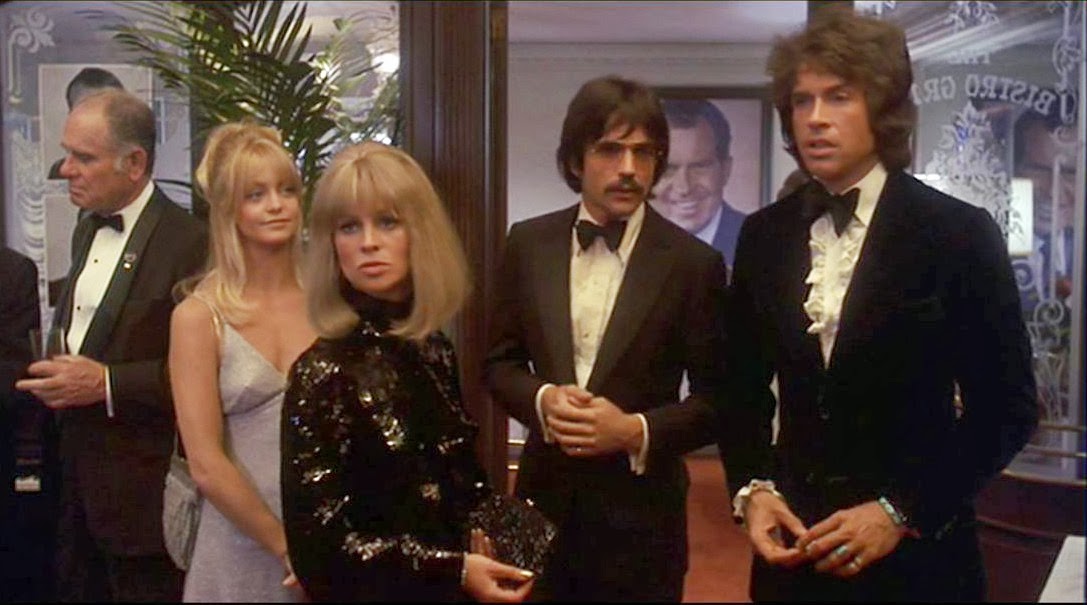
Everyone’s getting older too. Goldie Hawn’s beleaguered girlfriend Jill yells at George, “Grow up!” while George tells Lester, “I’m not anti-establishment!” Jackie and George share a lovely moment to “Lucy in the Sky with Diamonds” and briefly, you feel a vital moment of “Sgt. Pepper” sex and mind expansion and young love until their lovemaking is interrupted by Lester and Jill. George is, once again, running after someone. Or he’s just running (he runs so much in this movie you don’t know where he’s going half the time). Jackie is left alone, her gorgeous back, lit by the door of an open refrigerator. It was a nice moment. Was.

It’s poignant and perfect that the movie both opens and closes with The Beach Boys’ simultaneously optimistic and forlorn “Wouldn’t It Be Nice,” that Los Angeles group who started as what looked to be sun and fun kids of the abusive, exploitative Murry Wilson, and then who turned out to be a lot more complicated, darker (particularly when 1969 rolls around), sadder and, in one case, mentally troubled and genius, so spectacularly genius, more than anyone really knew at the time. As the Beach Boys and Shampoo  personify – the world was already dark under all of that California sunshine, and bleaker because of all that sun – you can’t possibly live up to the Los Angeles dream because it is a dream. So, when Beatty wants to marry Jackie at the end (who knows if it would ever work out? But it’s a genuinely heartfelt, romantic proclamation. And that’s something), it’s heartbreaking:

George: I’m a fuck-up, but I’ll take care of you. I’ll make you happy. What do you think?

Jackie: It’s too late.

George: We’re not dead yet. That’s the only thing that’s too late.

6a00d83451cb7469e201b7c8ad182e970b-800wi

Against what the Beach Boys sing, maybe they shouldn’t have waited until they were older. Who knows? With that, the song closes the movie as a sorrowful, ironically hopeful fantasy: “Maybe if we think and wish and hope and pray it might come true. Baby then there wouldn’t be a single thing we couldn’t do. We could be married. And then we’d be happy… Wouldn’t it be nice?” Well, wouldn’t it?

Watch it at the New Beverly. Take a breather from the Election. Or pass out. 

Talking With Jessica Chastain: L’OFFICIEL

6a00d83451cb7469e201b8d2366d90970c-800wi

I interviewed Jessica Chastain for the cover of the great, historic French fashion magazine L'OFFICIEL and she really is a star apart. Chastain is so multi-faceted, so interesting, so unique that, after talking with her, one feels a little breathless. Not only is the actress an intelligent force, moving audiences with, among other pictures, Terrence Malick’s "The Tree of Life" and Kathryn Bigelow’s "Zero Dark Thirty," she’s mysterious and sensitive, a woman with real concerns and causes. She’s also one of the most talented actresses currently working. I talked with the magnificent Ms. Chastain about her variety of roles, to working with Liv Ullman, to loving Clara Bow to her commitment to women in film.

Photos by Dusan Reljin. Styling by: Erica Pelosini. Get a copy at an expansive newsstand, or, order a copy. 

Here's an excerpt of my interview, translated back to English:

Kim Morgan: You are currently working on a film by Susanna White – Woman Walks Ahead – an incredible true story about Catherine Weldon who traveled to the Dakota Territory to help Sitting Bull keep his land. 

Jessica Chastain: The story is incredible. What so moved me by this was, in my education at school, I never really learned about women and you don’t tend to hear those who are on the wrong side of history. We only hear about those in history who prevailed. Those usually aren’t women, or Native Americans or minorities, so there are a lot of hidden heroes out there. I was really blown away by the story of Catherine Weldon and Sitting Bull because it’s not about her going there and helping him and saving him, the story is really about two people in the 1890s, who are not living in a world that sees them as equal human beings. And, so, how incredible to have this friendship between a woman who, at the time, could not vote? The great risk she took by traveling to the West to paint Sitting Bull. It’s the only painting of Sitting Bull. I was so excited to work with Susanna and excited to work with Native American actors because I don’t get that opportunity with so many incredible artists out there.

KM: You worked with Liv Ullman [on Miss Julie, opposite Colin Farrell]. What was it like working with Ullman? She's such an icon, not just as an actress but as a director. 

JC: She’s an incredible human being. She has a level of sensitivity that’s very rare. When we were on set together, she was childlike in her wonder, and her openness. We did a scene where my character reacts to a bird being killed and Liv was very emotional. I hadn’t experienced that before from a director. I wanted to protect that openness because, for me, I think that’s one of the most beautiful things a human being can have.

KM: You said, in an interview that it's important, even in your strong female roles, that the women have flaws, you said, without faults it's "actually doing a disservice to women…”

JC: I find that every woman is strong. So, for someone to say you play such strong female characters, for me, that’s just inherently being a woman. And men are strong too. It’s something that all of us have within us. It just means I’m choosing characters that are well-written, characters who are interesting human beings. A female character can make a mistake and do crazy things, but you have to go on their journey, you have to understand who she is. If you see a female character just being used as a prop, to me, that’s so upsetting. And it goes just beyond female characters; it goes for minorities, as well.  [The past] few years a lot of people are discussing diversity in cinema and making big steps to fix the problem. One of the things that happened in the past was people just became complacent… snow blind. And the past three years, it’s been really inspiring for me. I am hearing so much discussion and seeing so much change and it’s coming from everyone. There’s not just one group shouting from the rooftop, “I want my story told,” everyone, audiences are saying, “We want to see stories from the many, not just the few.” 

Chastain2KM: You're vocal about the pay disparity between men and women in Hollywood. And that women and men together, need to work with and discuss women in film…

JC: I made a speech at the Critic’s Choice Awards about diversity and after that I was in London doing press for A Most Violent Year and they asked about my speech: “What are you going to do about it?” And at that moment, I thought, “What am I going to do about it?” So, when I talk about pay disparity, you gotta go, O.K., well, I’m not going to allow myself to accept something where I’m being treated unfairly. And maybe that means I’m not going to play a role that I really want to play but at some point you have to take a stand. And, also it’s my goal to work with a female filmmaker every year. It’s not just something that I can go out there and just talk about… It’s, what I can do about it is, this project? What great filmmakers are out there who haven’t been given an opportunity? Maybe we can collaborate on something together.

KM: I was just looking at this Bette Davis quote, she said, "Without wonder and insight, acting is just a trade. With it, it becomes creation."

JC: I love Bette Davis.

KM: Do you have any other classic actresses who’ve inspired you?

JC: I love Clara Bow. I read a biography about Clara Bow [By David Stenn] all about her childhood and how difficult it was for her in the filmmaking community. Have you seen that documentary called Girl 27?

KM: Yes, I have. Also, by David Stenn.

JC: Every day of my life that I’m on set, and I’m set a lot, I have gratitude for all of those who came before. Because there were a lot of things they had to put up with, there was a lot of suffering. And that documentary was really upsetting to me. And I don’t forget [actresses like] Clara Bow, I don’t forget any of what these women went through to become actresses.

Check out this gorgeous issue here.

The Greatness of Grier: Jackie Brown

6a00d83451cb7469e201b8d235ecae970c-800wi
“I was saving every dime and I was so crazy and heartbroken thanks to a third attack on my life, which nearly killed me. It’s not in [the memoir]; the editors took it out. But that’s when I changed because I fought back. This was the ultimate decision that changed me into who I became. I’m now working on a film script about my life, and we put that third attack back in. Because that was the moment where I said, ‘You know what, I don’t give a shit about marriage, I’m so tired of men raping women and getting away with it.’ For several seconds during the attack, I went fucking crazy, all hell broke loose. I was so mad at the world. So I went back to Roger [she went to the Philippines to shoot movies with Roger Corman] and asked, ‘Is that job still available?’ I needed to get away. He told me to read Stanislavski, and I did and grew at such magnitude. I’m so respectful of the actor. I was approaching these B-movies like it was Chekhov or Tennessee Williams. For me, it was just like theatre, and there is no take two. You’ve got to be perfect. I had to go to the other side of the world to find out who I was. I didn’t think I would survive it, but here I am talking to you.” – Pam Grier, in an interview with Globe & Mail, 2015

6a00d83451cb7469e201b8d235ecc1970c-800wi

“When I originally was sent and read the script, I thought I’d be paying the dope ho, with the bra and the hotpants. When Quentin said I wasn’t, I asked him what role I was reading for, and he said ‘You’re not reading! You are Jackie Brown!’” – Pam Grier, Empire Magazine, 2011

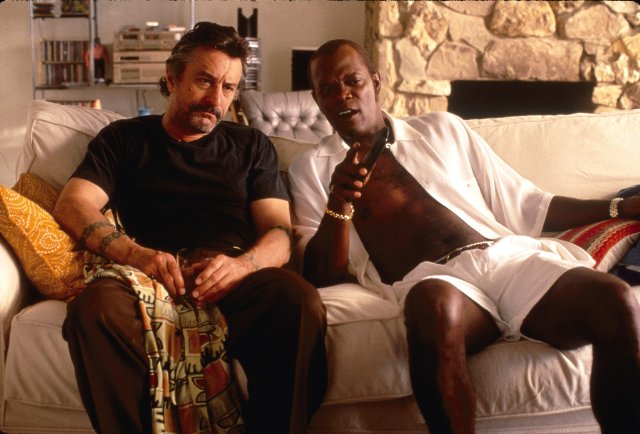
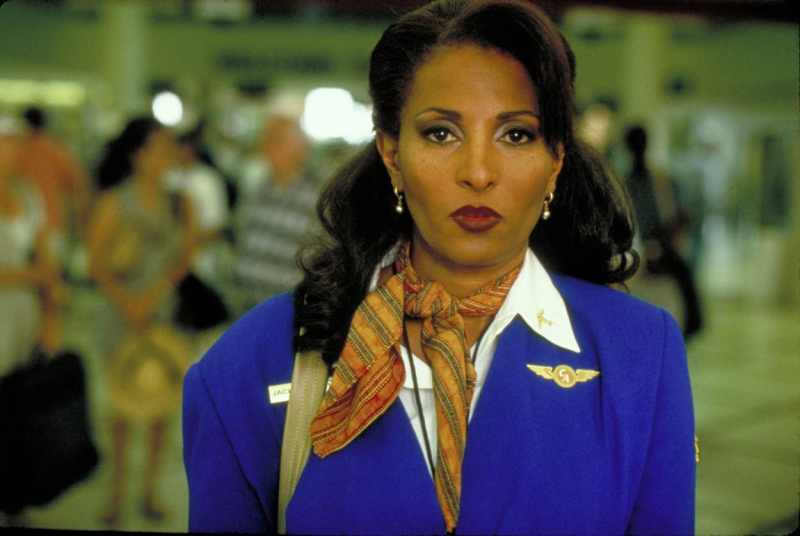
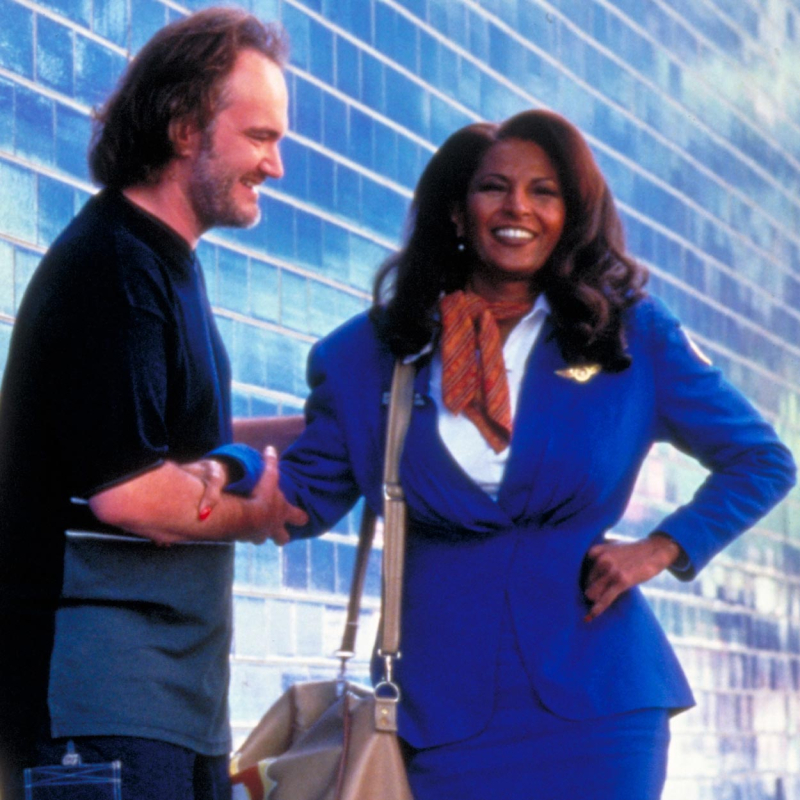
When Robert Forster’s older, still handsome, slightly tired, calm and cool bail bondsman Max Cherry first eyes Pam Grier’s Jackie Brown, his pickup from jail, he falls in love with her. Right then and there. And he can’t even see her clearly. She’s walking toward him in the slightly disheveled flight attendant uniform we previously saw her sporting, crisp and flattering even if for crappy Cabo airline, opening the movie’s credits in the tiled LAX tunnel while Bobby Womack’s “Across 110th Street” plays. We’ve taken in her beauty, her power, her vulnerability, her simultaneous mystery and realness – we know what she looks like, we know what she acts like, she’s smart. We also know she’s in trouble, she’s tired, stressed and, as Michael Bowen’s jerk-off Los Angeles cop Dargus has stated to her: “You’re forty-four years of age. You’re flying for the shittiest little shuttle-fucking piece of shit Mexican airline that there is. Where you make what? $13,000 dollars a year?”

6a00d83451cb7469e201b7c8ac2d69970b-800wi

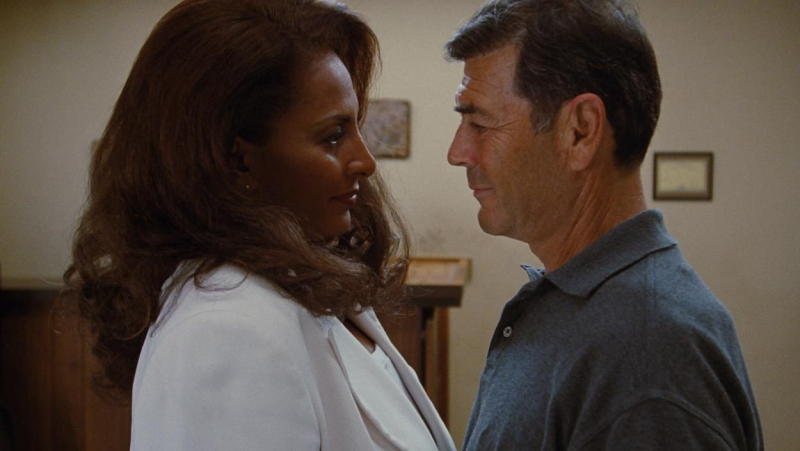
Max is informed of some of the details, but he’s not thinking about that as Bloodstone’s “Natural High” kicks in  filling up his smitten brain while she walks closer and closer. He just knows whatever is emanating from this woman – she is the one for him. When they’re face to face and he’s looking at Pam Grier, the chemical draw is in full focus, and there’s no doubting the attraction. We’re not sure how she feels about him — She’s understandably exhausted, she  needs cigarettes and wouldn’t mind a drink when he requests one. Only, she wants to go to a dark bar. “Why?” he asks. “Because I look like I just got out of jail, that’s why.”

Jackie-Brown

Well, there’s a lot more going on here in Quentin Tarantino’s Jackie Brown as we’ll see later in the evening when Jackie manages to nab Max’s gun from his glove box and works out a plan with the arms dealer she’s been smuggling cash for (Samuel L. Jackson’s charming, funny but not messing-around-and-will-fucking-kill-you, Ordell).  It’s all so beautifully crafted, so layered, so full of multiple emotions – Jackie’s stress, survival and smarts, Max’s by-the-book life fogged up with love, Ordell realizing he’s underestimated Jackie. In another movie, a dumb movie, Max would spy the gun missing and suddenly get pissed, violating his cool. Not in this movie. With a script brilliantly adapted from Elmore Leonard’s “Rum Punch” by Tarantino (his only adapted screenplay), this movie knows that Max isn’t a square. He may be an efficient, decent-hearted bail bondsman, but he’s got street smarts and wisdom and, even if he’s fallen in love, he’s not fallen stupid. So, in the morning when he returns to Jackie’s apartment asking about the gun, not only is he not angry, he even suggests she keep it for protection as he sits down for a cup of coffee. She puts on the Delfonics’ (vinyl) “Didn’t I (Blow Your Mind This Time)” and they discuss something you don’t hear much in movies without a lot of pity or annoyance or Diane Keaton’s Nancy-Meyers-written Erica Barry bemoaning her need for turtlenecks while living a charmed life in a beautiful house on the beach in the fucking Hamptons – aging. Max isn’t too concerned about it (he says) although he felt insecure and did something about his hair he confesses, while telling Jackie he doesn’t feel so sorry for her as she still looks about 29 years old.

6a00d83451cb7469e201b8d235ed8f970c-800wi

Yeah, well, she’s got beauty, sure, but she’s got something more frightening to deal with as she gets older. Jackie says, “You know I make $16,000 dollars a year plus retirement benefits that ain’t worth a damn. And with this arrest hanging over my head, Max, I’m scared. And if I lose this job, I gotta start all over again and I ain’t got nothing to start over with. I’ll be stuck with whatever I can get. And that shit is more scary than Ordell.”

Suddenly the movie becomes so much more than a crime picture, a heist job, a valentine to the ’70s, or a neo-noir (though it’s all of those things), and delves into the reality of gender, race, class and the very honest struggle of a smart, single woman just trying to get by in a hard world. There’s no typical tropes hovering around for the movie to cheaply milk – no kids, no long speech about her ex pilot husband, no dumb neo-noir femme fatale moment where she’s trying to be vampy and double crossing (Jackie does not need to try to be sexy, she already is, and Max sees it even after her night in prison, wishing she could take a damn shower), that the movie, at times, almost feels like a miracle. Who makes movies like this? And why aren’t more movies like this? 

Bc079e28f7c975ff6ca2d68dcd74bdc9

Like Tarantino’s direction itself – stylish, cool, tight, but also relaxed, taking its time, in profile close-up, to show Ordell thinking, or Robert De Niro’s hilarious but deadly Louis, trying to figure out the phone, or Bridget Fonda’s stoner beach bunny sweetness mixed with amusingly acerbic shit talking, or Michael Keaton’s ATF agent chomping his gum, a little bit of a douchebag but not a terrible guy. There’s also the fantastic soundtrack adding heft and emotion to actors already doing the same. All of this surrounding Pam Grier who is, in a word, complex. And Grier plays this so convincingly and so movingly, that when you rewatch the film, you realize you’re watching one of the greatest works by an actress in now, almost twenty years. And a rare one, given that a 40-something African American actress is actually the star of a movie made by a major filmmaker.

Tarantino doesn’t get enough credit writing fantastic, complicated roles for women. Like other “tough” directors before him, Samuel Fuller (whom he thanks at the end of the picture), who wrote and directed women as multi-dimensional human beings (The Naked Kiss, Pickup On South Street, The Crimson Kimono, China Gate) or Robert Aldrich (Autumn Leaves, The Killing of Sister George, Whatever Happened to Baby Jane?, Hush, Hush, Sweet Charlotte, The Legend of Lylah Clare), Tarantino writes a woman not just as “ass-kicking,” and “strong” but also as a person with interests, a life, intelligence, wit, vulnerability. Uma Thurman as the multi-faceted action hero assassin, “The Bride” in Kill Bill Volumes 1 and 2 is a supreme example, as is Death Proof (where women not only know about cars, but actually know how to properly drive one, like really know how), Inglorious Basterds and even The Hateful 8 where the baddest bitch is not just a bitch, she’s actually planned what goes down (some critics were offended by this character and how she was treated, I found her fearless and wonderfully hateful. As the title of the movie states, this is not a movie about the forgivable five and she’s not getting any breaks for being a woman…) all of these pictures give us sides to both very real women and very heroic women, without being cute or condescending about it. Never do you feel in any of these movies, something like, “Hey wouldn’t it be cool to show a woman who knows what the hell the Vanishing Point car is?” They just know this. Like a lot of women do.

6a00d83451cb7469e201b8d235ed4e970c-800wi

Which is why Grier is so powerful and poignant in Jackie Brown. Many might have assumed her cult icon status from Foxy Brown, Coffy and The Big Doll House would mean she would be working with her “black belt in barstools” – and that is quite something. It’s inspiring. Those are important roles. But Grier does so much more, internally, as Jackie Brown. In one scene, after the switch-shopping bag-trick in the ladies room, she’s been interrogated by Keaton’s Ray Nicolet who is wondering… what is she up to? He leaves the room, and she sits there, defiant, but scared, wiping tears from her eyes – tears of “Holy shit, am I going to pull this off?” It’s a moving and strong observation of a woman who is keeping it all together. She is balancing so much stress and so much future stress, but she’s also a smart, proud person who is trying her hardest to make it through. That will make a person emotional. Not weak. Emotional. And if she’s using Max, well, she’s not. She’s offered him a cut and she never lied to him. After asking if he’s scared of her, Max places his thumb and pointer finger together, and admits: “A little bit.” It’s lovely and honest. And then, in the sweetest, most romantic moment, they kiss each other goodbye. She’s got a thing for him too.

6a00d83451cb7469e201bb094f27d4970d-800wi
 
Once again, Max watches her with his soulful eyes but this time, she’s driving away, not walking towards him. Though he was worried about her and probably still is, he didn’t underestimate her from the beginning and he sure as hell doesn’t underestimate her now. That’s love but that’s also respect. And a wistful awe.
 
My piece for The New Beverly on Quentin Tarantino's Jackie Brown and the power of Pam Grier.  Don't miss it at on the big screen in QT's personal, beautiful 35 MM print at the New Beverly tonight

Four Series For FilmStruck


Stanley-Kubrick
FilmStruck
has launched! I'm excited to say I'm hosting four of their fantastic series of directors and movies I revere, and one I know quite well. The series are: Bibi & Ingmar, Directed by Wong Kar-wai, Early Kubrick and Directed by Guy Maddin (where I remove my critic hat and Guy provides new, fascinating insight here as well). It's a wonderful array and a sample of all the cine-riches FilmStruck provides.

As President of Criterion, Peter Becker, wrote

"Combining Turner’s programming experience with Criterion’s library of films and supplemental content made all the sense in the world… FilmStruck will be launching this fall on desktop and mobile devices, and internet-connected television platforms. A service built from the start with nothing but movies in mind, it will feature films from many major studios and independent distributors alongside a broad and constantly rotating selection of Criterion films, complete with the commentaries and rich supplemental content that Criterion viewers have come to expect. Carefully curated and always changing, it should be a cinema lover’s dream."

Indeed it is.

Here are the series I'm introducing and discussing. Do check them out!

Bibi & Ingmar:

Wild Strawberries

748d2dacfb3370c319b42dd2954cdb22

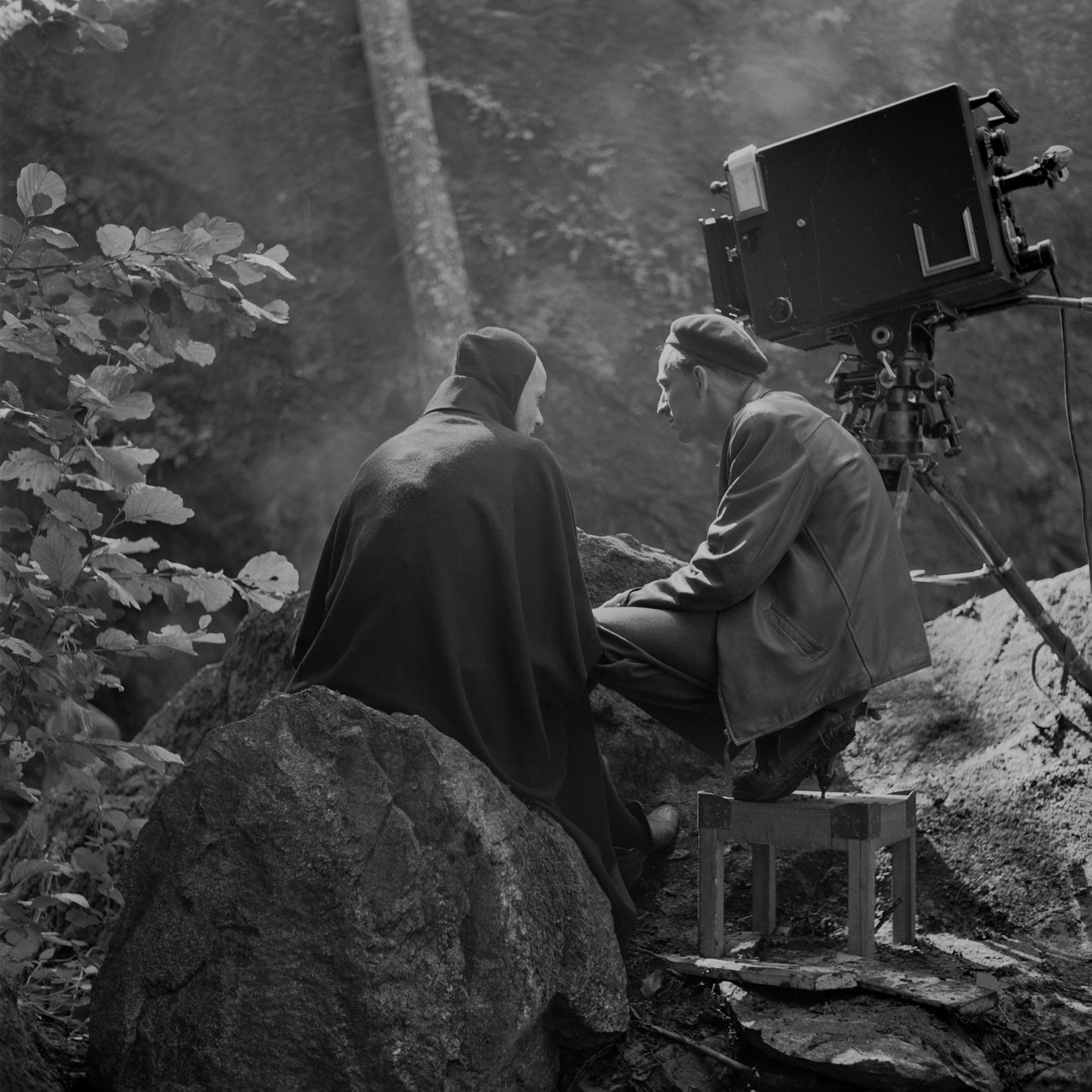
The Seventh Seal

Tumblr_mcmirfW6P41qhsqm1o1_1280

The Magician

1

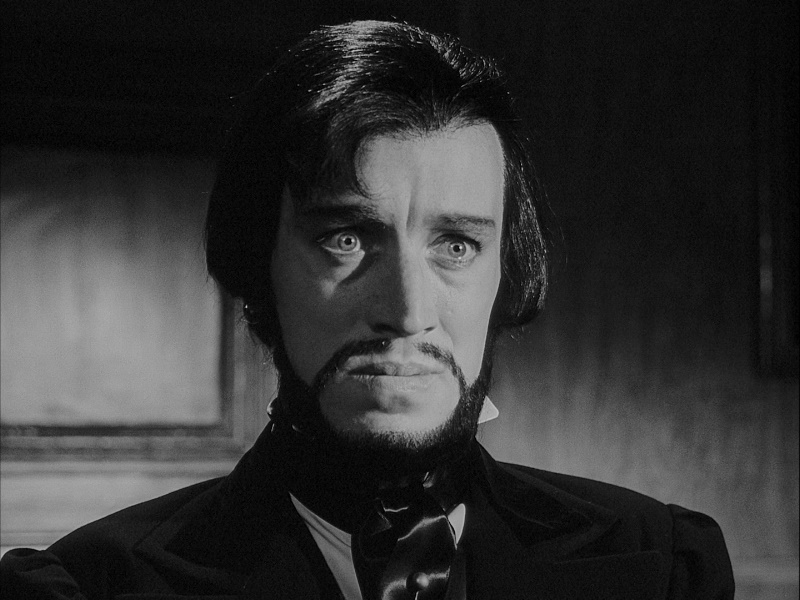
The Devil's Eye

Maxresdefault-1

All These Women

3023

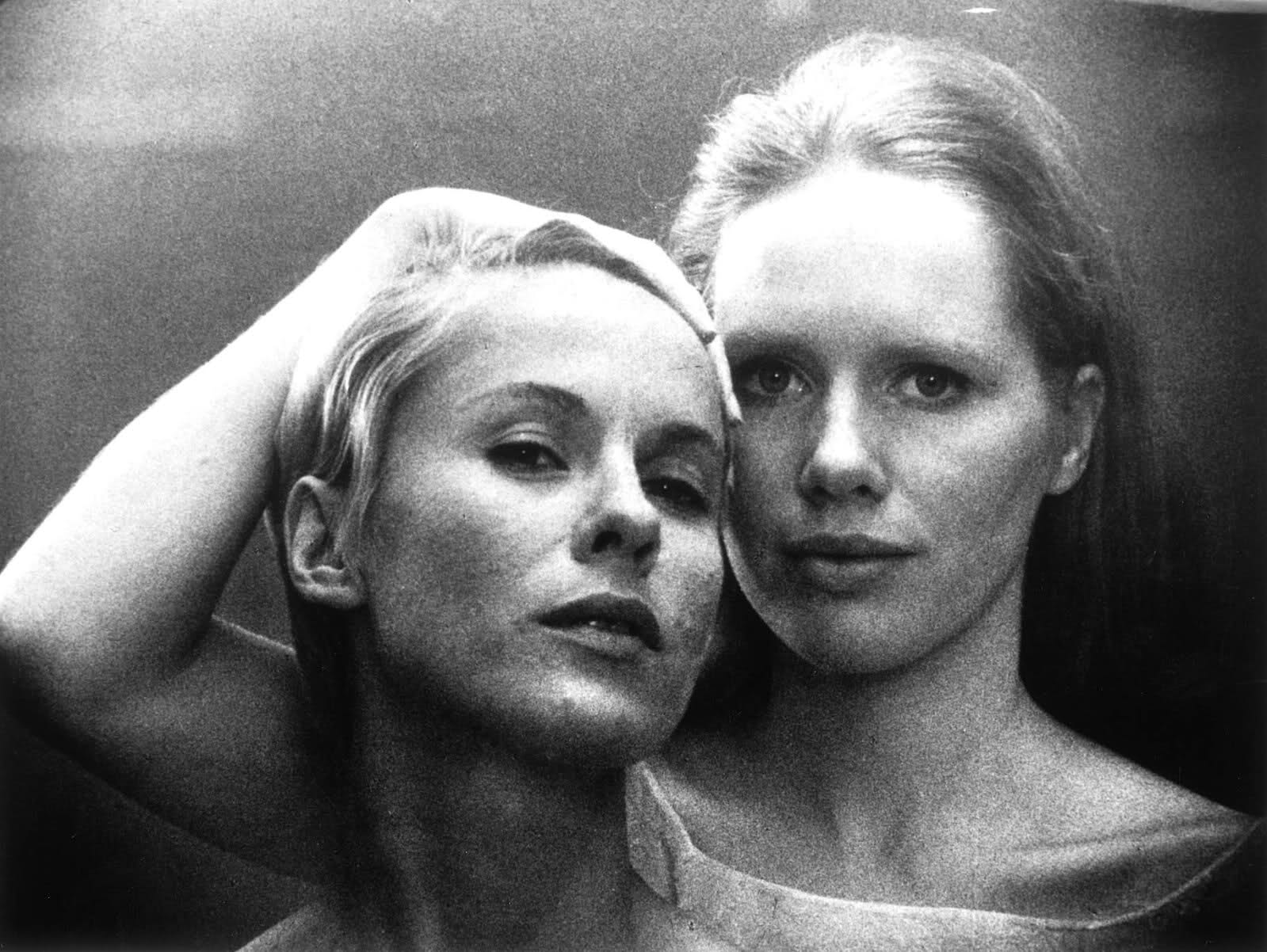
Persona 

Bibi_andersson_and_liv_ullmann_persona_large1

Directed by Wong Kar-wai:

 
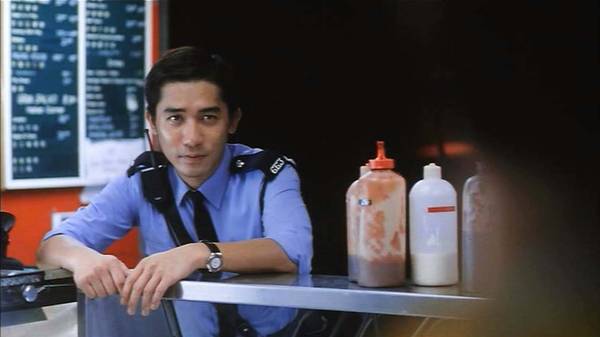
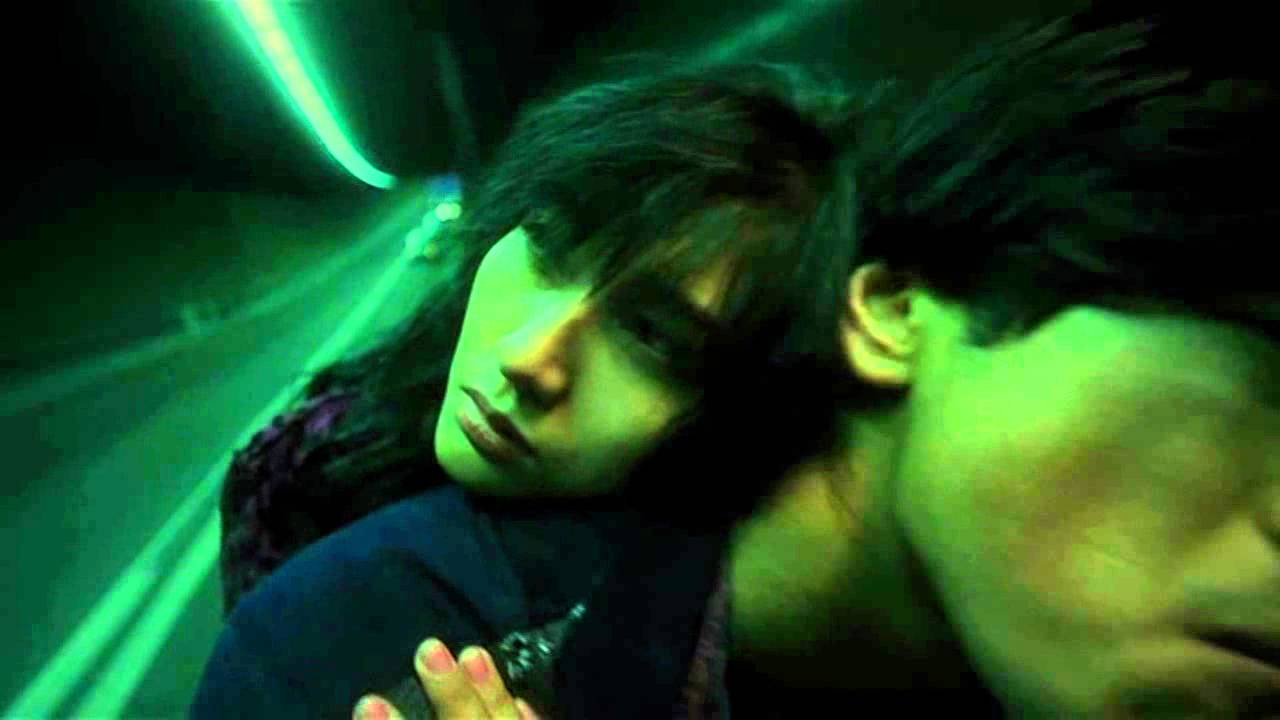
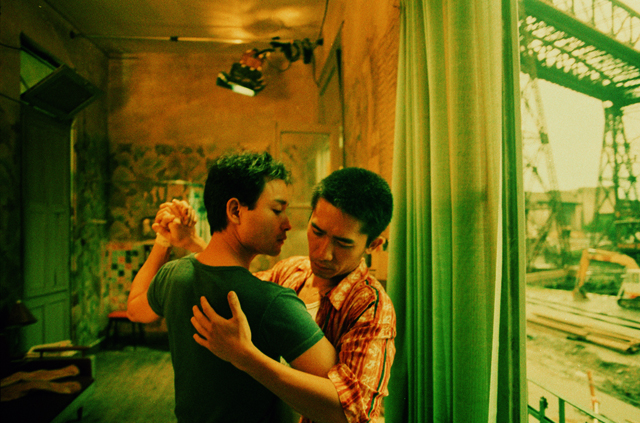
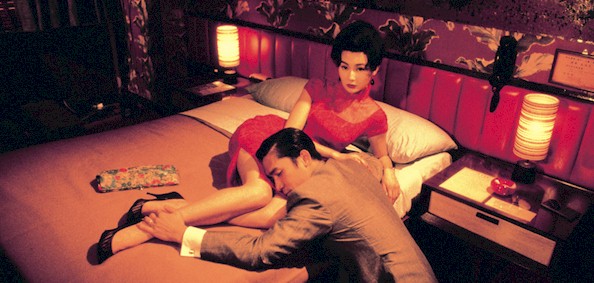
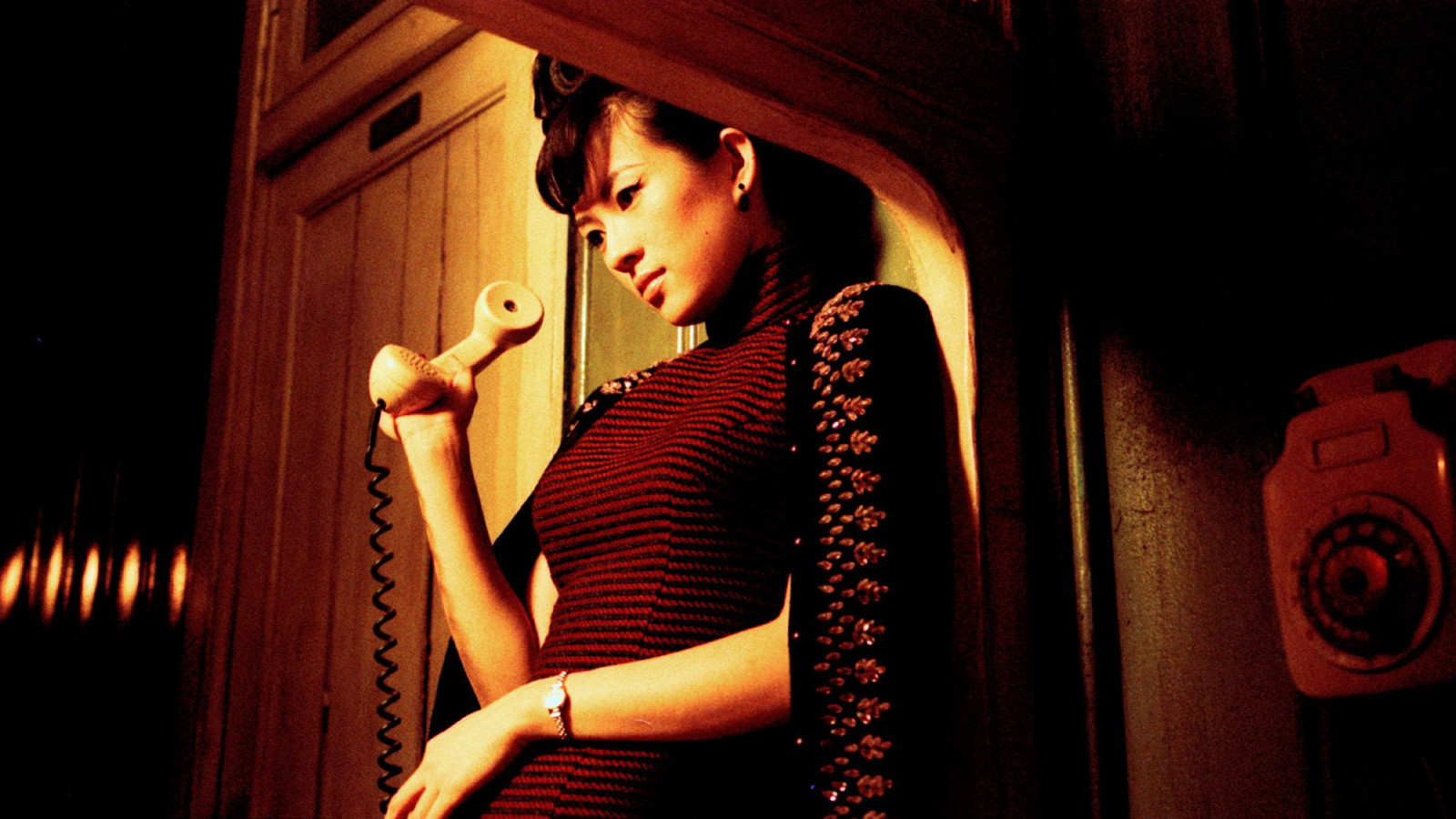
Chungking Express
 
Ace804fafd5e780ce7dc35a6b137a637
 
Fallen Angels
 
Maxresdefault-2
 
Happy Together
 
98d02ef13a8c48132fedf96edcb9f1f1
 
In the Mood for Love
 
In_the_mood_for_love
 
2046
 
2046-zhangziyi-feature-1600x900-c-default

Early Kubrick:

Fear and Desire

Fear-and-desire

Killer’s Kiss

Aaaaakillers3
 
The Killing
 
006-the-killing-theredlist-1
 
Paths of Glory 
 
Carey-Paths-of-glory
 
 Directed by Guy Maddin:
 
 
Archangel
 
Careful
 
 Dracula
 
The Forbidden Room


Subscribe to this treasure trove and check out their entire library here. It's a cinema lover's dream. 

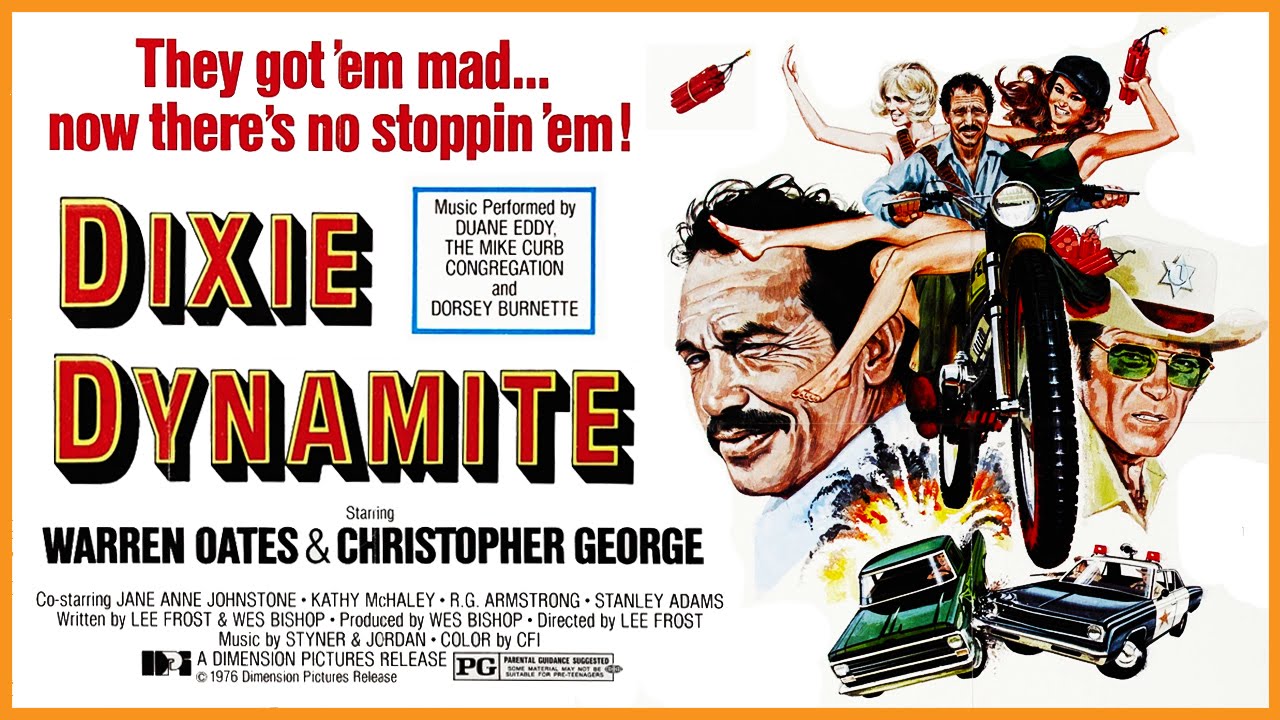
Warren Oates: Dixie Dynamite

6a00d83451cb7469e201bb094e1696970d-800wi

Here's an excerpt from my piece for The New Beverly on Lee Frost's Dixie Dynamite and missing Warren Oates… Read the entire piece here. And don't miss it at on the big screen in beautiful 35 MM at the New Beverly tonight

When Warren Oates leaves a certain kind of movie, you notice.  You miss him. You feel a sense of longing, the way you feel about a character actually dying in film or literature too soon like Mercutio in Romeo and Juliet, or, worse, Josh Brolin never returning in No Country For Old Men. With Brolin, we are ill prepared for this loss and find ourselves processing his absence while watching the rest of the movie (I, did, anyway). For a delusional time we even wonder if Josh Brolin is ever going to come back. He’s killed off screen. Maybe something else happened? Maybe? Nope. He never returns. He’s dead. Warren Oates, in Dixie Dynamite, does return, thank god (I am not ruining anything here). He’s not dead. And he’s only gone for about fifteen minutes. But even in that short amount of time, you feel it, and you just want him there. And you begin to worry. Where the hell are you Warren Oates? Maxresdefault

Well, we know where he is, sort of, but we start pondering just what else is he doing out there, out of camera frame, out of the town he already feels offset from (almost from another movie… did he go to back to that other movie he was in?). And, so, the longing begins to make sense. The plot picks up when he leaves (strangely, for we miss him), though the acting sags a little without his presence, but even that makes a weird sense too. As if people can’t act quite as natural without Warren Oates around. Something. Though there are legitimate reasons for all of the chaos to ensue during his leave, we start to even read more into the reasons for his departing, some kind of mysterious alternative off-screen sequence of events  – like some other story untold or a Faulknerian stream of consciousness thought reflection that we’ll hear about later. (“If you could just ravel out into time. That would be nice. It would be nice if you could just ravel out into time.”) That’s how good he is. I actually thought of William Faulkner while watching Warren Oates in Dixie Dynamite.

Read it all here. And see it!